Silver City Storage: Complete Guide to Secure Facility Features, Unit Sizes, and Rental Logistics in 2026
Silver City Storage provides reliable self-storage solutions tailored to residential, commercial, and vehicle storage needs, featuring diverse unit dimensions, climate-controlled environments, and advanced security protocols to protect...
Silver City Storage provides reliable self-storage solutions tailored to residential, commercial, and vehicle storage needs, featuring diverse unit dimensions, climate-controlled environments, and advanced security protocols to protect valuables. Located within the accessible industrial and commercial corridor, the facility accommodates short-term transitions and long-term asset preservation for local residents and businesses.
Contents
Navigating the self-storage market requires understanding unit dimensions, security standards, lease terms, and logistical preparation. Whether you are staging a home for sale, decluttering a corporate office, or storing seasonal equipment, selecting the right storage provider protects your assets from environmental degradation and unauthorized access. This guide breaks down everything you need to know about optimizing your storage experience, evaluating features, and streamlining the move-in process.
Essential Criteria for Evaluating Self-Storage Facilities
Choosing a self-storage facility involves balancing location convenience, physical security, access hours, and environmental controls. A high-quality facility minimizes the risk of theft, pest infestation, and climate-induced damage to stored items.
Modern storage facilities rely on robust infrastructure to maintain structural integrity and protect client property. When assessing a location like Silver City Storage, look for the following core operational indicators:
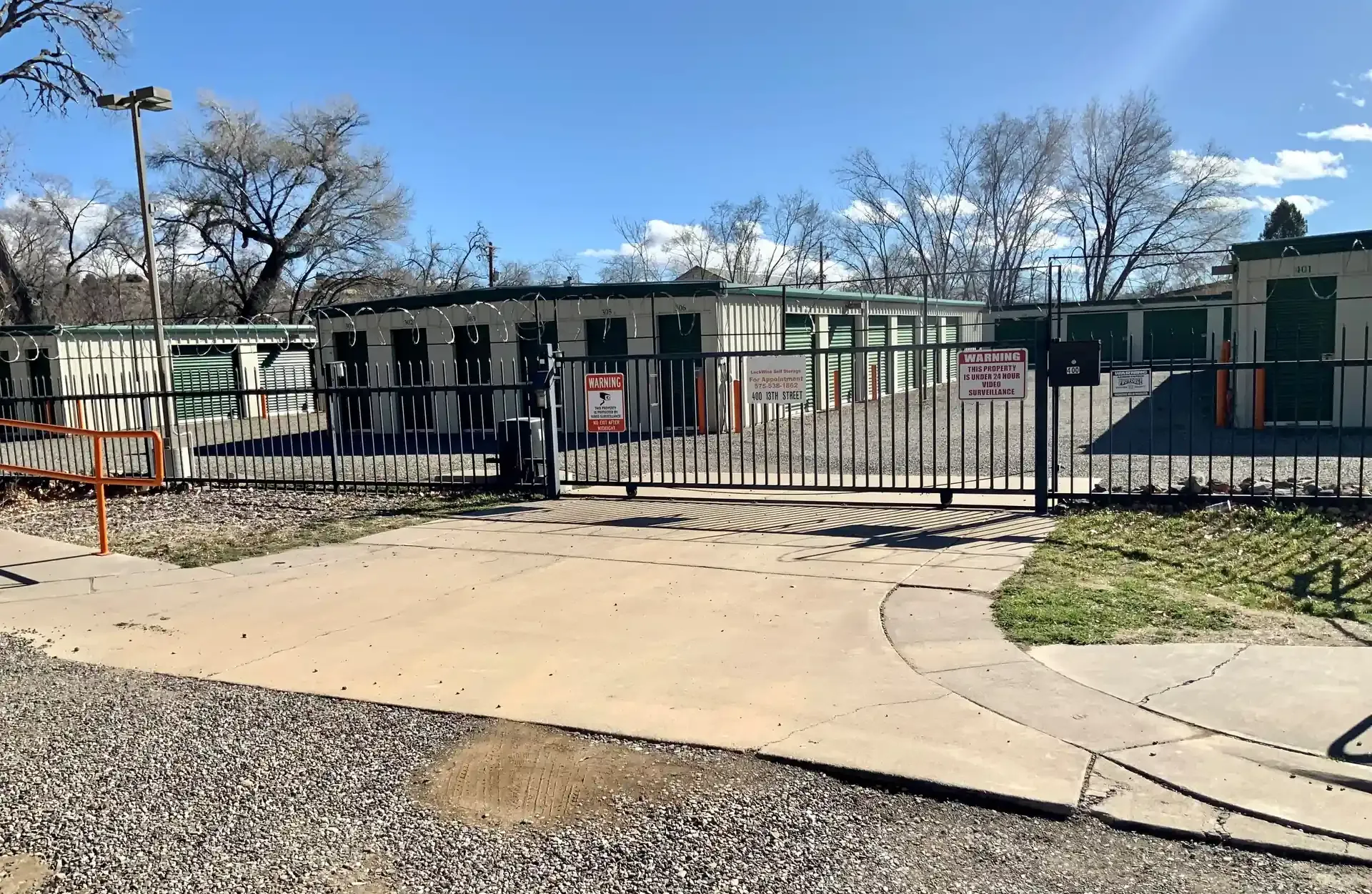
- Perimeter Security: Fully fenced perimeters with electronic gate access via individualized digital access codes.
- Surpreme Video Surveillance: 24/7 high-definition closed-circuit television (CCTV) monitoring covering all primary access points, hallways, and perimeter boundaries.
- Lighting and Visibility: High-intensity LED lighting throughout outdoor drives and interior corridors to ensure safety during evening hours.
- On-Site Management: Professional staff available during standard business hours to assist with lease execution, package acceptance, and facility maintenance.
- Pest Management: Routine professional pest control inspections and treatments to prevent rodent and insect intrusion.
Understanding Unit Sizes and Dimensional Capacities
Selecting the correct storage unit size prevents you from paying for wasted space or struggling to fit oversized items. Facilities typically offer a progression of standard dimensions designed to handle specific volumes of belongings.
| Unit Size | Approximate Capacity | Ideal Use Cases |
|---|---|---|
| 5 x 5 feet | Walk-in closet | Small boxes, seasonal gear, sports equipment, luggage, and suitcases. |
| 5 x 10 feet | Mid-sized bedroom | Mattress sets, chest of drawers, multiple large plastic bins, and small furniture. |
| 10 x 10 feet | Standard bedroom / Apartment | Furnishings from a 1-to-2 bedroom apartment, major appliances, and numerous boxes. |
| 10 x 20 feet | Single-car garage | Contents of a 3-to-4 bedroom house, large vehicle, or commercial inventory. |
| 10 x 30 feet | Large home / Commercial stock | Multi-room household goods, commercial pallets, or large boat storage. |
Climate Control vs. Standard Drive-Up Storage
Environmental fluctuations present the greatest threat to sensitive items stored over extended periods. Temperature swings and high humidity levels cause wood to warp, electronics to short-circuit, leather to crack, and paper documents to mold.
Standard drive-up units provide convenient ground-level loading, mirroring an exterior garage setup. These units suit sturdy items unaffected by ambient weather, such as lawnmowers, metal tools, plastic bins, and outdoor furniture.
Climate-controlled units maintain regulated internal temperatures and humidity levels year-round, typically keeping conditions between 55 and 80 degrees Fahrenheit. This environment is mandatory for protecting sensitive materials:
- Wooden and leather antique furniture that reacts negatively to dry air or moisture.
- Musical instruments, including pianos, guitars, and stringed instruments.
- Electronic devices, computer servers, and media archives.
- Fine art, oil paintings, photographs, and important legal or financial documents.
- Textiles, vintage clothing, and upholstered goods susceptible to mold and mildew.
Logistics and Step-by-Step Move-In Process
Moving items into a storage unit requires careful organization to maximize space efficiency and protect your belongings during transit. Following a structured workflow ensures a seamless transition without damaging your property.
- Inventory and Categorize: Create a detailed manifest of all items being placed into storage. Group items by destination room and frequency of access so frequently needed items stay near the front of the unit.
- Select and Reserve the Unit: Determine your required square footage and climate-control needs. Complete the online or on-site reservation and review the facility lease agreement.
- Secure Insurance Coverage: Verify whether your renter's or homeowner's insurance policy extends coverage to stored property, or purchase specialized self-storage insurance through the facility provider.
- Prepare and Clean Items: Ensure all appliances are thoroughly defried, cleaned, and dried to prevent mold growth. Disassemble large furniture pieces and pack hardware in labeled ziplock bags taped to the corresponding items.
- Pack Uniform Boxes: Use sturdy, uniform-sized moving boxes to allow safe stacking. Fill boxes completely to prevent the tops from collapsing under weight pressure, and label every box on multiple sides.
- Load the Unit Strategically: Place heavy, stable items on the bottom. Create a center aisle if you require frequent access to the back of the unit, and use pallets or wooden skids to elevate boxes off concrete floors.
Cost Factors, Insurance, and Lease Structures
Storage rental rates depend on unit dimensions, environmental controls, accessibility features, and market demand. Understanding the financial structure prevents unexpected fees and ensures long-term affordability.
Most storage operators utilize month-to-month lease agreements, providing flexibility for short-term projects or long-term storage needs. Customers typically pay on a recurring monthly billing cycle, with discounts often available for automatic payment setups or prepaid long-term commitments.
Important Financial Considerations: Always review the facility's policy on security deposits, administrative setup fees, and lock requirements. Most facilities require tenants to provide their own high-security disc locks rather than standard padlocks to prevent bolt-cutter breaches. Additionally, verify if your facility charges access fees or enforces strict gate-access hours that limit your ability to retrieve items outside standard operational windows.
Frequently Asked Questions
What documents are required to rent a storage unit?
Renting a storage unit typically requires a valid government-issued photo ID (such as a driver's license or passport), a major credit or debit card for recurring payments, and valid contact information. Some facilities may also request proof of insurance or auto-pay enrollment.
Can I store a vehicle inside a standard storage unit?
Vehicles can be stored in large drive-up units (typically 10x20 or larger) or designated outdoor parking stalls, provided the vehicle meets facility operating conditions. Vehicles must be operational or easily rollable, free of fluid leaks, and accompanied by proof of registration and insurance in the renter's name.
Are perishable goods or hazardous materials allowed in storage?
Storage facilities strictly prohibit the storage of perishable foods, plants, live animals, flammable liquids, explosives, compressed gas cylinders, toxic chemicals, and illegal substances. These items create fire hazards, attract pests, and violate standard safety regulations.
How do I access my storage unit outside of standard office hours?
Most modern facilities utilize electronic gate systems that allow tenant access during extended gate hours (often ranging from early morning to late evening, 365 days a year). Office staff are only present during standard business hours, but your individualized security code grants access during authorized gate windows.
What is the difference between a drive-up unit and an indoor hallway unit?
Drive-up units feature exterior roll-up doors facing outdoor driveways, allowing you to park your vehicle directly in front of the entrance for rapid loading. Indoor hallway units are located inside secure buildings, requiring you to navigate interior corridors and elevators, offering enhanced protection from outdoor elements.
Secure Your Valuables Today
Finding the right storage solution protects your physical assets and provides peace of mind during major life transitions or business expansions. Evaluate your space requirements, choose the appropriate environmental controls, and reserve your unit to secure optimal rates and availability. Contact Silver City Storage management today to discuss your specific storage requirements, tour available unit sizes, and complete your reservation.
Image Gallery