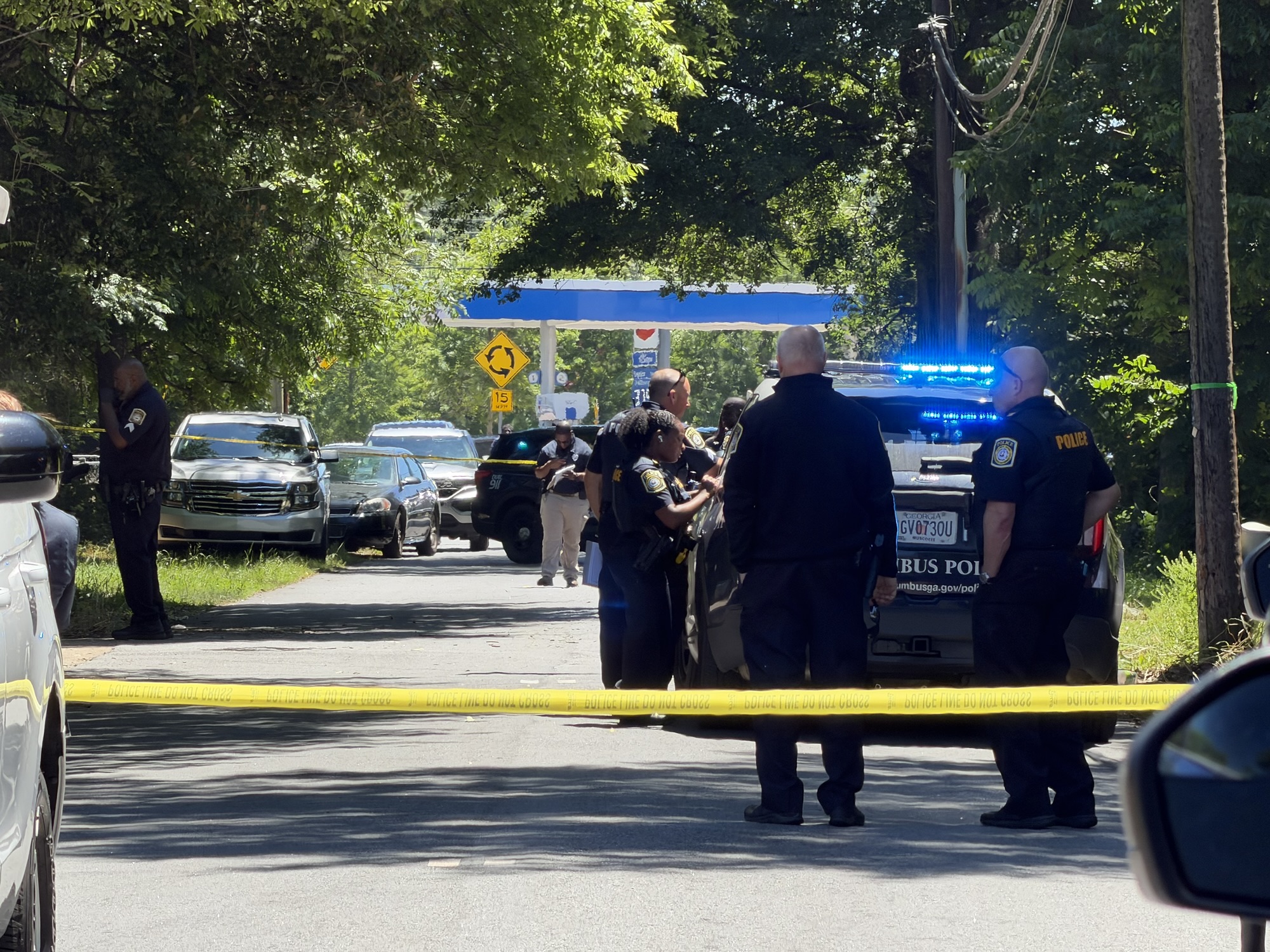
Accessing and Requesting City of Columbus Police Reports in 2026
Obtaining official city of Columbus police reports involves navigating the records management systems of the Columbus Division of Police, understanding state public records laws, and knowing whether to contact the central records divis...
Obtaining official city of Columbus police reports involves navigating the records management systems of the Columbus Division of Police, understanding state public records laws, and knowing whether to contact the central records division or local precinct stations. This comprehensive guide outlines the exact procedures, fees, timelines, and legal frameworks required to secure incident, crash, and investigative documents efficiently.
Contents
Understanding Public Access to Columbus Police Records
The framework governing police records in Columbus, Ohio, is anchored by the Ohio Public Records Act (Ohio Revised Code Section 149.43). Under this statute, the vast majority of police records, including standard incident reports and traffic crash reports, are open to public inspection upon request. However, public access is not absolute. Certain documents or specific sections within documents are legally mandated to remain confidential to protect ongoing investigations, juvenile identities, victim privacy, and sensitive security details.
When filing a request for city of Columbus police reports, it is vital to understand the distinctions between record classifications:
- Incident Reports: Public documents detailing the initial call, officer observations, statements, and summary of offenses.
- Traffic Crash Reports: Standardized reports filed by officers responding to motor vehicle accidents, typically accessible via the Ohio Department of Public Safety or local records.
- Investigative/Supplemental Files: Detailed detective notes, evidence logs, and supplementary reports that may be withheld if an investigation remains active or open.
- Juvenile Records: Strictly confidential records involving minors, accessible only to specific legal entities, guardians, or via court order.
Prerequisites and Necessary Information for Your Request
To prevent delays or outright rejections when requesting city of Columbus police reports, requesters must compile specific identifying details. The Columbus Division of Police processes a high volume of requests daily, meaning vague submissions often result in processing halts.
Before submitting a request, ensure you have gathered as many of the following data points as possible:
- Report Number (Incident or CAD Number): The unique identifier assigned by dispatch or the responding officer. This ensures instantaneous retrieval.
- Date and Time Range: The exact date or a narrow window when the incident occurred.
- Exact Location: The street address, intersection, or specific business name associated with the call for service.
- Involved Parties: Full legal names, dates of birth, or corporate entities linked to the report.
- Type of Incident: The classification of the event (e.g., theft, assault, property damage, traffic collision).
Official Record Retention and Availability Standard public incident reports generated by the Columbus Division of Police are typically archived digitally within 3 to 5 business days following the initial response and supervisor approval. Complex or violent crime investigations may experience prolonged delays before becoming eligible for public release due to active prosecution exemptions.
Step-by-Step Guide to Requesting Columbus Police Reports
The Columbus Division of Police provides multiple avenues for citizens, legal representatives, and insurance agencies to request public safety documentation. Choosing the correct channel depends on urgency and the specific format required.
Method 1: Online Portal Submissions
The most streamlined method for obtaining electronic copies of public records involves utilizing the official online public records request portals maintained by the City of Columbus and the Department of Public Safety.
- Navigate to the official City of Columbus public records portal or the Ohio Traffic Crash Report retrieval system if seeking a vehicular accident document.
- Select the category matching your document type (Incident Report, Crash Report, or Public Safety Record).
- Complete the mandatory data fields, including your contact information and the precise incident identifiers collected during the preparation phase.
- Submit the digital form and monitor your email for processing updates or secure document delivery links.
Method 2: In-Person Records Section Visits
For individuals requiring immediate assistance or certified copies, visiting the physical records office is often preferred.
- Visit the Columbus Division of Police Headquarters or designated records administration office during normal business hours (Monday through Friday, excluding official municipal holidays).
- Complete a physical public records request slip, providing clear parameters regarding the report you wish to inspect or copy.
- Present valid government-issued identification if required for specific restricted documents or identity-verified files.
- Pay any applicable administrative or duplication fees via accepted payment methods (cash, check, or approved credit cards).
Method 3: Mail or Written Requests
Requesters who prefer traditional correspondence can submit written applications via postal mail.
- Draft a formal, typed letter detailing the incident date, location, report number, and involved parties.
- Enclose a self-addressed, stamped envelope along with a check or money order covering estimated duplication costs if required by the department.
- Mail the package to the official mailing address of the Columbus Division of Police Records Section.
Comparing Request Methods for Columbus Police Documents
| Request Method | Average Turnaround Time | Cost / Fees | Best Suited For |
|---|---|---|---|
| Online Portal | 3 to 7 Business Days | Generally free for electronic delivery; variable for complex redactions | Standard incident reports, digital retrieval, remote applicants |
| In-Person Visit | Immediate to 24 Hours | Standard per-page printing fees apply | Urgent document needs, certified copies, complex inquiries |
| Postal Mail | 10 to 21 Business Days | Printing fees plus postage | Archival research, non-urgent requests, mail-only workflows |
Cost Structures, Fees, and Legal Exemptions
Understanding the financial and legal parameters of public records requests prevents unexpected hurdles. Under Ohio law, public agencies are permitted to charge reasonable fees for the duplication of records, though they cannot charge for the labor required to search or retrieve standard electronic files unless the request requires extraordinary computer programming or immense data extraction.
- Standard Duplication Fees: Typically calculated per page for paper copies (frequently ranging from five to ten cents per page).
- Electronic Delivery: Digital transmissions via secure email or download links are frequently provided at no additional cost if the files are already digitized.
- Redaction Policies: If a report contains exempt information—such as Social Security numbers, medical privacy data, undercover officer identities, or uncharged suspect details—the records division will legally redact those portions before release. This redaction process can occasionally extend processing timelines.
Common Mistakes to Avoid When Requesting Records
Navigating municipal bureaucratic systems requires precision. Avoiding common errors ensures your request is processed without unnecessary delays:
- Submitting Insufficient Location Data: Providing only a vague neighborhood name instead of an exact address or intersection often leads to administrative rejection or extensive search delays.
- Requesting Active Investigation Files: Demanding full detective case files for an ongoing homicide or robbery investigation will result in a lawful denial under Ohio public records exemptions.
- Failing to Verify Jurisdiction: Ensuring the incident occurred within the actual city limits of Columbus rather than a surrounding township (such as Sharon Township, Mifflin Township) or under the jurisdiction of the Franklin County Sheriff's Office or State Highway Patrol. Misdirected requests waste critical time.
Frequently Asked Questions
How can I obtain a copy of a traffic crash report in Columbus?
Traffic crash reports investigated by the Columbus Division of Police can typically be retrieved online through the Ohio Department of Public Safety crash report system or requested directly through the municipal records division using the date and crash report number. Online portals provide the fastest access for insurance and personal records.
Are all Columbus police incident reports completely public?
No. While standard narrative summaries and call details are public, information involving active investigations, juvenile offenders, confidential informants, medical histories, and specific statutory exemptions are legally redacted or entirely withheld from public view.
Can I request police reports over the telephone?
The Columbus Division of Police generally does not process formal public records requests over the telephone to protect requester privacy, verify compliance, and maintain an accurate audit trail. Requests must be submitted online, in person, or via written correspondence.
What should I do if my request for a police report is denied?
If a request is denied or heavily redacted, the agency must provide a legal explanation citing the specific exception under the Ohio Revised Code. Requesters can seek legal counsel, challenge improper denials through the Ohio Court of Claims, or petition the local municipal prosecutor's office for clarification.
Is there a fee to inspect physical police records in person?
Inspecting records in person during regular business hours at the Columbus Division of Police facility is generally free of charge. Fees only apply when physical copies, certified prints, or digital duplication of extensive files are requested by the citizen.
How long does the Columbus Police Department retain incident records?
Police records are subject to strict municipal and state records retention schedules. Standard incident and administrative reports are retained for designated statutory periods, after which certain historical files may be archived or destroyed in compliance with Ohio records management laws.
Securing Your Documents Efficiently
Securing city of Columbus police reports requires adherence to established municipal procedures, accurate identification data, and an awareness of Ohio public records guidelines. By gathering exact incident numbers, selecting the appropriate submission channel—whether online or in person—and accounting for potential redaction timelines, individuals and organizations can navigate the retrieval process smoothly and lawfully.
Image Gallery