How to Install Solar Panels in Property Setbacks: A Technical and Legal Guide
Navigating property setbacks is a critical phase of any solar installation, requiring a balance between maximizing energy production and adhering to local zoning ordinances and fire safety codes. To install solar panels in or near a se...
Navigating property setbacks is a critical phase of any solar installation, requiring a balance between maximizing energy production and adhering to local zoning ordinances and fire safety codes. To install solar panels in or near a setback, you must identify your local "Solar Rights" protections, apply for necessary variances if the system encroaches on restricted zones, and ensure the design maintains mandated access paths for emergency personnel.
Contents
As of 2026, the transition to renewable energy has led many municipal authorities to modernize their zoning codes. However, "setbacks"—the minimum distance required between a structure and a property line, road, or other boundary—remain a primary hurdle for homeowners with limited space. Whether you are installing a ground-mounted array or a roof-mounted system, understanding how to manage these boundaries is the difference between a successful project and a costly legal violation.
Understanding the Three Types of Solar Setbacks
Before beginning an installation, it is vital to distinguish which type of setback applies to your project. In the context of solar energy, setbacks are categorized based on their purpose: zoning, fire safety, and solar easements.
1. Zoning Setbacks (Ground-Mounted Systems)
Zoning setbacks are determined by local municipal governments to maintain aesthetic consistency, privacy, and safety between neighboring properties. For solar purposes, these most frequently affect ground-mounted arrays. In most jurisdictions, a ground-mounted solar system is classified as an "accessory structure," similar to a shed or a detached garage.
Standard zoning often requires a 5-to-15-foot gap from side and rear property lines. If your optimal sun exposure is located within this restricted zone, you cannot simply build there without a legal exemption or a variance.
2. Fire Code Setbacks (Roof-Mounted Systems)
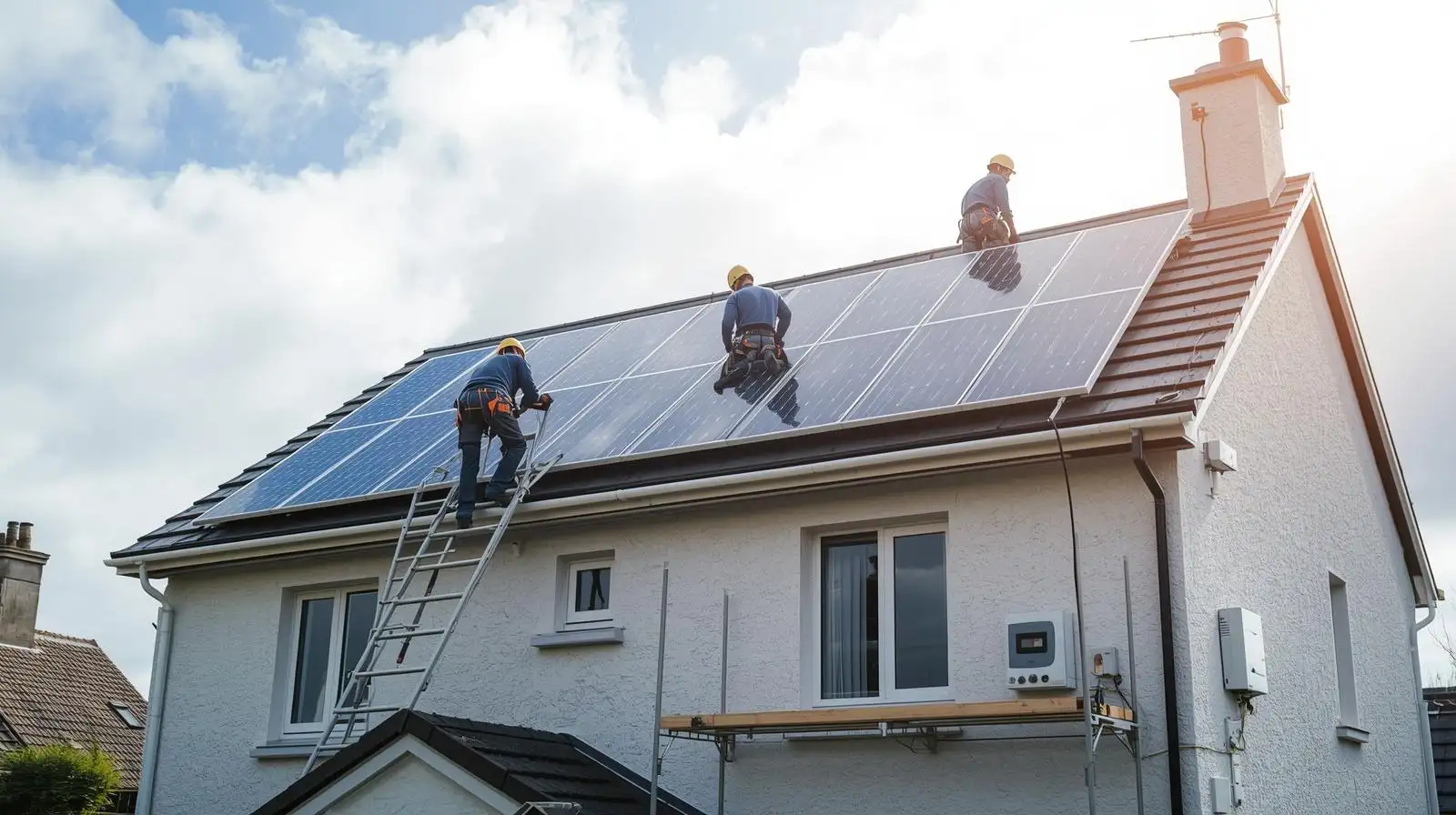
Even if your solar panels are safely within the physical boundaries of your roof, they are subject to International Fire Code (IFC) and National Electrical Code (NEC) setbacks. These regulations, updated through the 2024 and 2026 cycles, generally require a 36-inch (3-foot) clear pathway along the ridges and eaves of the roof.
These paths are not about property lines; they are designed to allow firefighters to navigate the roof safely, provide ventilation points during a fire, and ensure that emergency personnel do not step on live electrical components.
3. Solar Easements and Access Laws
In many regions, "Solar Rights Acts" prevent local governments or Homeowners Associations (HOAs) from using setbacks to effectively "prohibit" solar. However, these laws usually have a caveat: the restriction must not increase the cost of the system by more than a certain percentage (often 10-20%) or decrease efficiency by more than a specific margin. Understanding these laws allows you to push back if a local building department or HOA tries to enforce a setback that makes your solar project non-viable.
Step-by-Step Process for Installing Solar in Restricted Setbacks
If your site assessment reveals that your ideal solar placement falls within a restricted setback, follow this technical progression to secure approval and complete the installation.
Step 1: Conduct a Professional Property Survey
Do not rely on informal maps or "eyeballing" the property line. Using a digital transit or GPS-based surveying tool, establish the exact boundaries of your lot. In 2026, many jurisdictions accept high-resolution LIDAR data for initial planning, but a physical survey is often required for the final permit application if you are building within two feet of a setback line.
Step 2: Analyze the Local Development Code
Consult the "Table of Allowed Uses" and "Dimensional Standards" in your local zoning ordinance. Look specifically for:
- Encroachment Allowances: Some cities allow "uncovered" structures (like solar racks) to encroach up to 20% into a side-yard setback.
- Height-to-Setback Ratios: Some areas allow ground mounts to be closer to the line if they are kept below a certain height (e.g., under 6 feet).
Step 3: Apply for a Zoning Variance
If your installation must be in the setback to function, you will need a Variance. This is a legal request to deviate from the standard code. To win a variance, you typically must prove "hardship"—for example, showing that the only unshaded area of your property is within the rear setback.
- Administrative Variance: Some cities allow a "Minor Variance" (usually 10% or less) which can be approved by a planning director without a public hearing.
- Public Hearing Variance: Significant encroachments may require notifying neighbors and presenting your case to a Board of Zoning Appeals.
Step 4: Engineering for Fire Access
For roof-mounted systems where space is tight, you must design for "structural pathways." If the setback prevents a full array, consider using high-efficiency N-type monocrystalline modules or Back-Contact (IBC) cells. These panels produce more power per square foot, allowing you to stay out of the required fire setbacks while still meeting your energy goals.
Comparison of Setback Requirements by Installation Type
The following table outlines the typical constraints faced when planning a solar installation in 2026.
| Installation Type | Primary Setback Concern | Typical Requirement | Regulatory Body |
|---|---|---|---|
| Roof-Mounted | Firefighter Access | 36-inch paths at ridges/hips | Local Fire Marshal / IFC |
| Ground-Mounted | Property Line Separation | 5–20 feet from boundaries | Municipal Zoning Board |
| Solar Carports | Road/Right-of-Way | 10–25 feet from street | Dept. of Transportation |
| Pole-Mounted | Fall Zone/Safety | Height of pole + 10% | Building Department |
Technical Challenges of Setback Encroachment
Installing panels in a setback isn't just a legal hurdle; it presents physical and engineering challenges that must be addressed during the design phase.
Shading and Vegetation Management
Setbacks often exist to provide a buffer between your structures and a neighbor's trees. If you install a ground mount right on the edge of a setback, you lose the "buffer" that prevents your neighbor’s growing foliage from shading your panels. In most states, you do not have a right to your neighbor's sunlight unless you have a recorded Solar Easement on their property deed.
Maintenance and Clearance
If a ground-mounted system is installed too close to a fence or property line, you may lack the physical space to perform maintenance. Most manufacturers recommend at least 24 inches of clearance around the perimeter of an array for wiring inspections and weed control. If the system is in a setback, you might find yourself trespassing on neighboring property just to wash your panels or troubleshoot a microinverter.
Drainage and Runoff
Solar arrays create "drip lines" where rainwater concentrates. If your panels are in a side-yard setback, the concentrated runoff could flood a neighbor’s basement or erode their landscaping. Many building departments now require a Drainage Plan for setback-encroaching solar, which might involve installing gravel trenches or French drains beneath the drip line.
Leveraging "Solar Rights" Legislation
In many jurisdictions, state law overrides local zoning if the zoning makes solar impossible. For instance, if a 20-foot rear-yard setback would prevent you from installing a system that covers 100% of your bill, state law may mandate that the city reduce that setback to 5 feet.
When applying for a permit, cite specific statutes if you encounter resistance. Notable examples include:
- California Solar Rights Act: Limits the ability of HOAs and local governments to restrict solar based on aesthetics or arbitrary setbacks.
- Massachusetts General Laws Chapter 40A, Section 3: Protects solar energy systems from unreasonable zoning regulations.
Document the "burden" of the setback. If moving the panels out of the setback reduces annual production by more than 10%, you have a strong technical argument for a variance or an override under these solar protection laws.
Frequently Asked Questions
Can I install solar panels right up to my property line?
Generally, no. Most jurisdictions require a minimum 3-to-5-foot setback for ground-mounted systems for maintenance access and fire safety. However, some urban areas allow "zero-lot-line" installations if the panels are integrated into a fence or a wall, provided they meet specific structural and electrical codes. Always verify with your local Building Department before installation.
Do roof-mounted panels have to follow property line setbacks?
Roof-mounted panels generally do not have to follow ground-level property line setbacks because they do not increase the "footprint" of the primary structure. However, they must adhere to Fire Code setbacks, which require clear space (usually 3 feet) on the roof surface for emergency access and ventilation.
What is a "Solar Access" variance?
A solar access variance is a specialized legal permit that allows you to bypass standard setback rules specifically for renewable energy equipment. To obtain one, you must typically provide a shading analysis (using tools like a Solar Pathfinder or digital 3D modeling) proving that the setback is the only viable location for energy harvest.
Does an HOA have the power to enforce setbacks for solar?
In many states, HOAs are prohibited from enforcing "unreasonable" restrictions on solar. If an HOA setback requirement effectively prevents you from installing solar or significantly increases the cost, it may be legally unenforceable. However, the definition of "unreasonable" varies by state, often ranging from a 10% to 20% impact on cost or efficiency.
Are there setbacks for solar batteries and inverters?
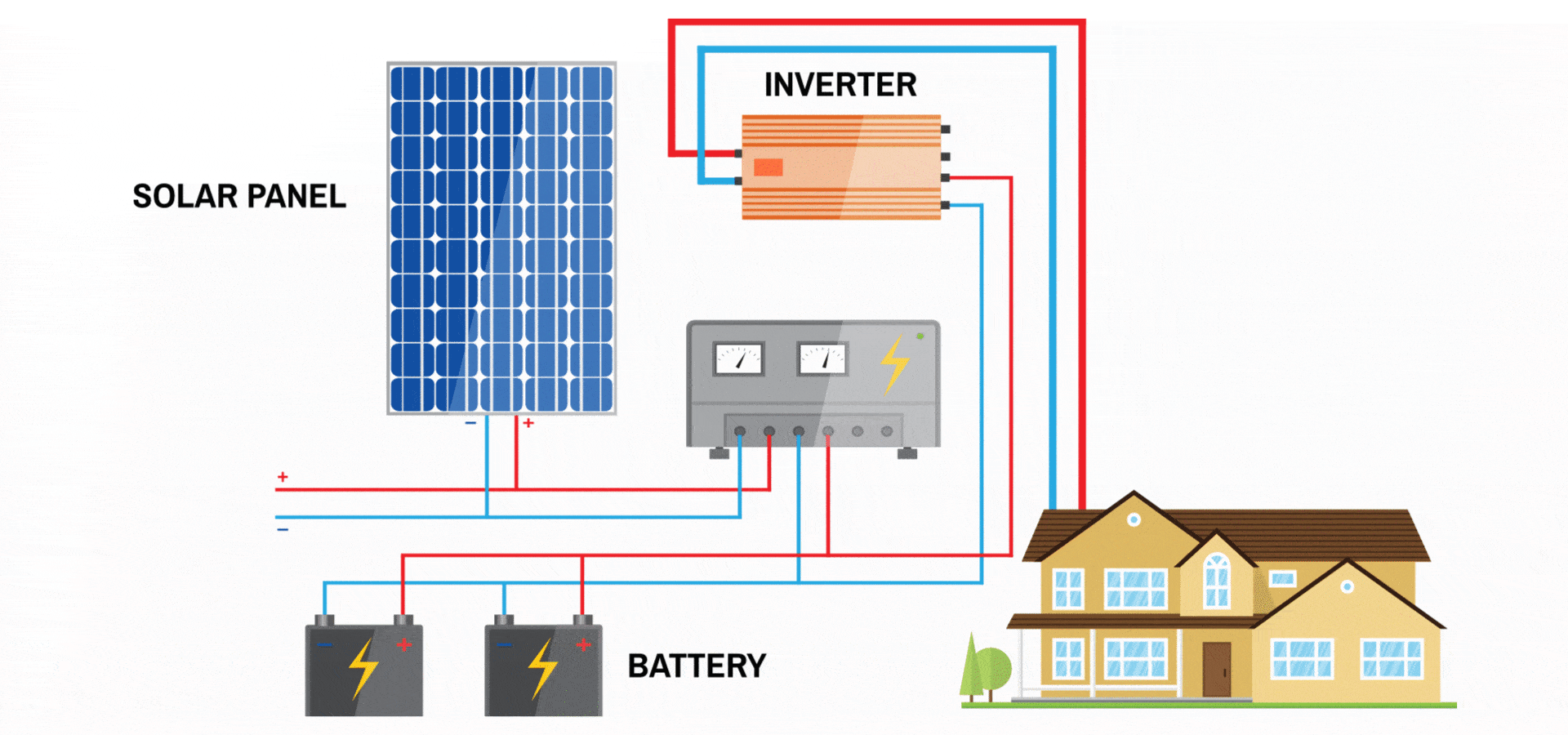
Yes. Inverters and battery energy storage systems (BESS) have their own setbacks defined by the National Electrical Code (NEC). In 2026, most codes require batteries to be at least 3 feet away from windows, doors, and vents, and often require specific clearances from property lines if installed outdoors to prevent fire spread.
Final Recommendations for a Successful Installation
To successfully install solar panels in or near a setback, your first priority should be early engagement with the Authority Having Jurisdiction (AHJ). Request a "pre-application meeting" with a zoning officer to discuss your plans before purchasing equipment.
Secondly, utilize high-density solar technology. If setbacks are limiting your available square footage, investing in 450W+ premium modules or bifacial panels can help you achieve your energy targets within a smaller, code-compliant footprint.
Finally, ensure all "encroachment" is documented in your official site plan. Clearly label the property lines, the proposed setback area, and the specific location of the arrays. Providing a professional, scaled drawing significantly increases the likelihood of a variance approval and ensures that your 2026 solar investment remains legally protected for decades to come.
Image Gallery