E-Commerce School: A Reference Overview
An e-commerce school is a specialized educational institution or program designed to teach the technical, analytical, and strategic skills required to build and scale online businesses. In 2026, these schools encompass a spectrum of le...
An e-commerce school is a specialized educational institution or program designed to teach the technical, analytical, and strategic skills required to build and scale online businesses. In 2026, these schools encompass a spectrum of learning paths, including accredited university degrees, intensive professional bootcamps, and platform-specific certifications focused on digital retail mastery.
Contents
Defining the Modern E-Commerce School
The concept of an e-commerce school has evolved significantly from the early days of simple web design courses. Today, it represents a multidisciplinary approach to business that merges traditional commerce principles with cutting-edge digital technology. Unlike a general business degree, an e-commerce-focused curriculum prioritizes the mechanics of the digital-first economy, emphasizing the integration of global supply chains, algorithmic marketing, and user experience (UX) design.
In the current landscape of 2026, an e-commerce school functions as a bridge between theoretical knowledge and practical execution. These institutions are tasked with keeping pace with rapid technological shifts, such as the widespread adoption of generative AI for personalized shopping experiences and the complexities of decentralized finance (DeFi) in payment processing. A true reference overview of this field must account for three primary delivery models: academic institutions, industry-led training portals, and independent professional bootcamps.
The Core Pillars of E-Commerce Education
A comprehensive e-commerce curriculum is no longer just about setting up a digital storefront. To be effective in 2026, a high-quality program must cover several foundational pillars that ensure a student can navigate the complexities of modern digital trade.
Digital Storefront Management and Architecture
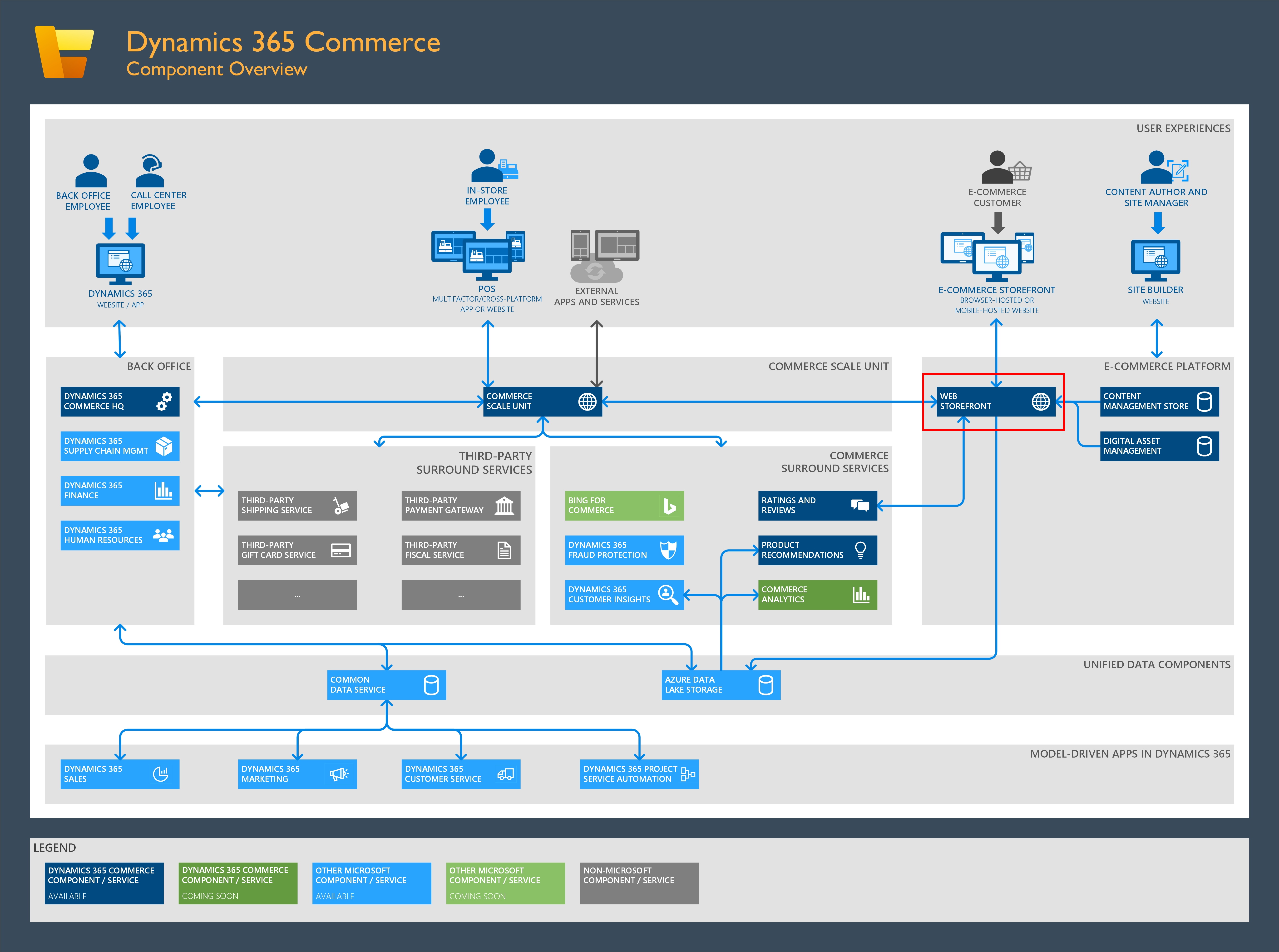
The technical foundation of any e-commerce education involves understanding the architecture of online platforms. This includes "headless commerce," where the front-end user interface is decoupled from the back-end logic, allowing for greater customization across various devices. Students learn to manage Product Information Management (PIM) systems and ensure that inventory data remains synchronized across multiple sales channels, from social media marketplaces to traditional web domains.
Data Analytics and Consumer Behavior
Data is the lifeblood of digital retail. E-commerce schools focus heavily on teaching students how to interpret massive datasets to understand customer lifetime value (CLV), churn rates, and conversion optimization. In 2026, this pillar includes the ethical use of first-party data and navigating privacy regulations that have become increasingly stringent globally. Learning how to use predictive analytics to forecast demand is a critical skill taught in advanced modules.
Supply Chain and Fulfillment Logistics
The "physical" side of digital commerce is often the most challenging to master. Educational programs now dedicate significant time to global sourcing, 3PL (third-party logistics) management, and "last-mile" delivery strategies. Understanding the environmental impact of shipping and implementing sustainable logistics is a major focus in current curricula, reflecting consumer demand for eco-conscious business practices.
Digital Marketing and Customer Acquisition
Acquiring customers in a saturated digital market requires a deep understanding of search engine optimization (SEO), social commerce, and influencer partnerships. E-commerce schools teach students how to manage paid media budgets, leverage AI-driven ad bidding, and build brand loyalty through content marketing and community engagement.
Types of E-Commerce Educational Pathways
Prospective students must choose the model that best fits their career goals, whether they are aspiring entrepreneurs or professionals looking to pivot into the corporate e-commerce sector.
1. Accredited University Degrees
Many universities now offer specialized Bachelor’s or Master’s degrees in E-commerce or Digital Business. These programs provide a broad, theoretical foundation and carry significant weight with traditional corporate employers. They often include internships with established retail brands and provide a well-rounded education in business law, ethics, and macroeconomics.
2. Platform-Led Education
Companies like Shopify and Amazon provide their own "schools"—such as Shopify Academy and Amazon Seller University—which are essential for those planning to operate within specific ecosystems. These programs are highly practical and are updated frequently to reflect changes in platform algorithms or tools. While they are specialized, the skills learned are often transferable to other digital environments.
3. Professional Bootcamps and Certifications
For those seeking rapid skill acquisition, bootcamps offer intensive, short-term programs that focus on "learning by doing." Organizations like General Assembly or specialized online providers offer certificates in digital marketing or e-commerce management. These are ideal for career switchers who need to build a portfolio of work quickly.
Comparing E-Commerce Learning Models
When selecting an e-commerce school, it is helpful to compare the different paths based on time commitment, cost, and typical outcomes.
| Feature | University Degree | Platform Academy | Professional Bootcamp |
|---|---|---|---|
| Duration | 2–4 Years | Self-paced (Weeks) | 3–6 Months |
| Primary Focus | Strategy & Management | Tool-specific Mastery | Technical Execution |
| Average Cost | High ($$$$) | Low to Free ($) | Moderate ($$) |
| Best For | Corporate Leadership | Small Business Owners | Career Switchers |
| Credential | Accredited Diploma | Industry Certification | Professional Certificate |
| Networking | Extensive Alumni Base | Community Forums | Peer Cohorts |
Critical Evaluation Criteria for 2026
Choosing the right e-commerce school requires looking beyond marketing brochures. In 2026, certain criteria serve as benchmarks for quality.
- Instructor Provenance: Does the faculty have actual experience running successful e-commerce businesses? Academic credentials are valuable, but in this field, recent "in-the-trenches" experience is paramount because strategies change every six months.
- Curriculum Recency: Check the syllabus for mentions of current technologies like AI-driven customer service, omnichannel integration, and cross-border regulatory compliance. If a course is still focusing heavily on basic 2020-era dropshipping, it may be outdated.
- Practical Project Requirements: A high-quality program should require students to build, launch, and optimize a real or simulated digital store. Theory alone cannot prepare a student for the technical troubleshooting required in digital retail.
- Post-Graduate Support: Look for schools that offer placement services, mentorship programs, or ongoing access to updated course materials. The e-commerce field requires lifelong learning.
The Role of AI in E-Commerce Education
By 2026, artificial intelligence has become the central nervous system of online retail. Reputable e-commerce schools have integrated AI across their entire curriculum. Students are no longer just taught how to write product descriptions; they are taught how to prompt AI models to generate high-converting copy and dynamic images at scale.
Furthermore, education now covers the implementation of AI chatbots for 24/7 customer support and the use of machine learning for fraud detection. Understanding the ethical implications of AI, such as bias in pricing algorithms or consumer data profiling, is now a mandatory component of any comprehensive e-commerce reference overview.
Common Pitfalls in E-Commerce Learning
Many students fall into the trap of "get-rich-quick" courses that masquerade as e-commerce schools. These often focus on high-risk strategies like aggressive dropshipping with thin margins. It is vital to distinguish between a legitimate educational institution and a marketing funnel designed to sell expensive software or "inner circle" memberships.
Another common mistake is over-specializing too early. While being an expert in TikTok Shop marketing is valuable in 2026, a true e-commerce education provides the foundational business logic that allows a professional to adapt when platforms inevitably decline or change their rules.
Frequently Asked Questions
Is a degree in e-commerce worth it in 2026?
A degree is worth it if you are targeting leadership roles in major retail corporations or international brands. These organizations often require the formal accreditation and the broad strategic perspective that a multi-year degree provides. However, for entrepreneurs, practical certifications or platform-led training may offer a better return on investment.
Can I learn e-commerce for free?
Yes, many foundational skills can be learned through free resources like Google’s Digital Garage or the help documentation provided by major platforms. While free resources are excellent for beginners, they often lack the structured mentorship and advanced peer networking found in paid programs.
What is the most important skill taught in an e-commerce school?
While technical skills are vital, the most important skill is data literacy. Being able to look at a dashboard of metrics, identify where the customer journey is breaking down, and make a data-driven decision to fix it is what separates successful e-commerce professionals from those who struggle.
Do e-commerce schools help with job placement?
Most professional bootcamps and universities have dedicated career services. In 2026, many have direct pipelines to digital agencies and retail brands. However, platform-specific academies (like Amazon's) are generally geared toward independent sellers rather than job seekers.
How much do e-commerce schools typically cost?
Costs vary wildly. A university degree can cost between $20,000 and $60,000 per year, while intensive bootcamps typically range from $5,000 to $15,000. Online certification programs are often the most affordable, ranging from $500 to $3,000.
Strategic Next Steps
To begin your journey in e-commerce education, first define your end goal: Are you looking to launch your own brand, or are you seeking a career at an established firm? Once your goal is clear, start with a free or low-cost introductory course from a recognized platform like Shopify or Google to test your aptitude for the subject. If you decide to pursue a formal program, prioritize those that offer hands-on project experience and have instructors with a documented history of success in the 2024–2026 market cycle.
Image Gallery