Understanding Why Rent Is an Operating Expense in Business Accounting
Rent is classified as an operating expense because it represents a recurring, necessary cost required to sustain daily business activities. As an essential overhead expenditure, rent appears on the income statement as part of the opera...
Rent is classified as an operating expense because it represents a recurring, necessary cost required to sustain daily business activities. As an essential overhead expenditure, rent appears on the income statement as part of the operating expenses section, directly impacting a company’s operating income and overall profitability.
Contents
The Definition and Role of Operating Expenses
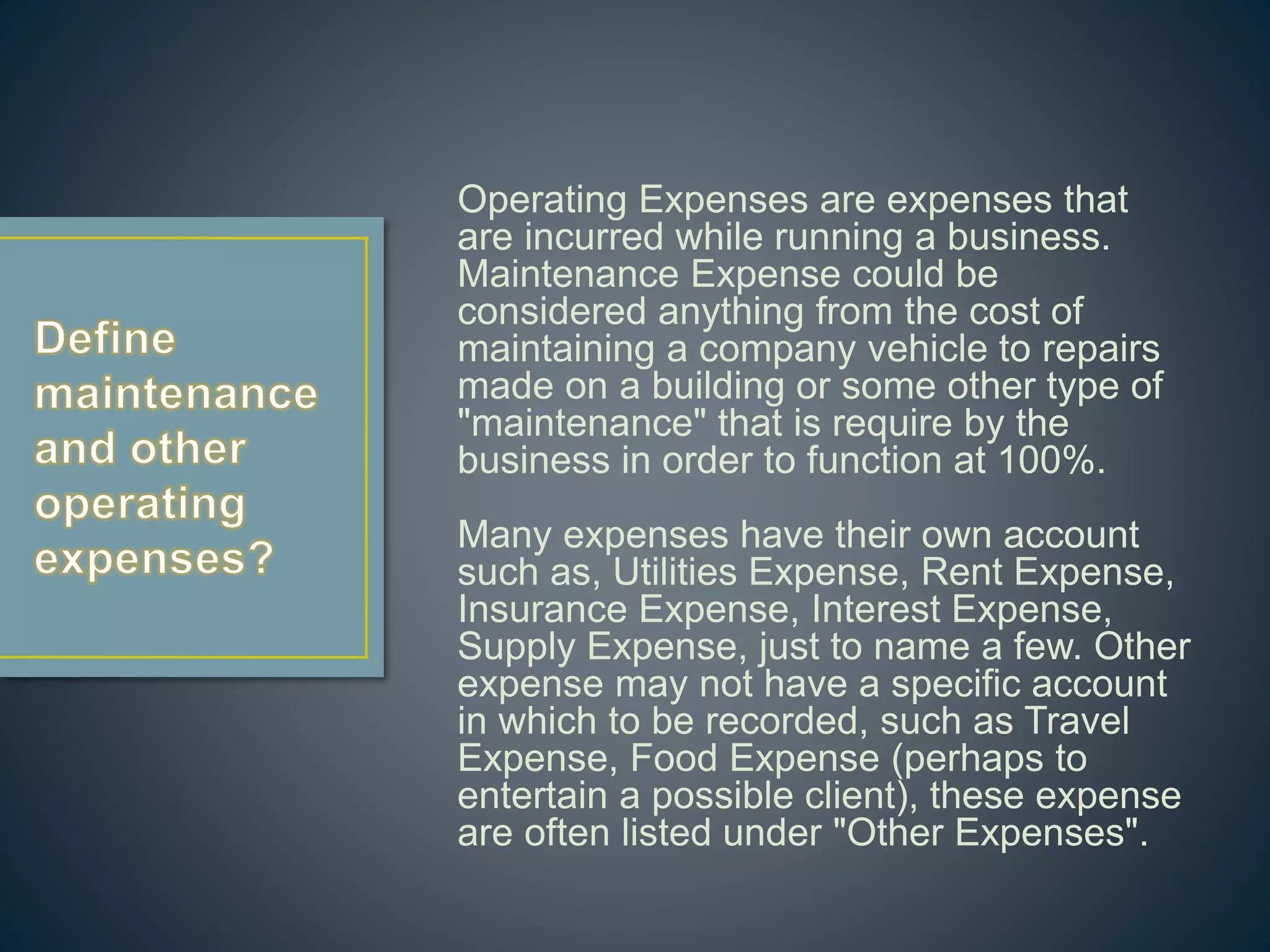
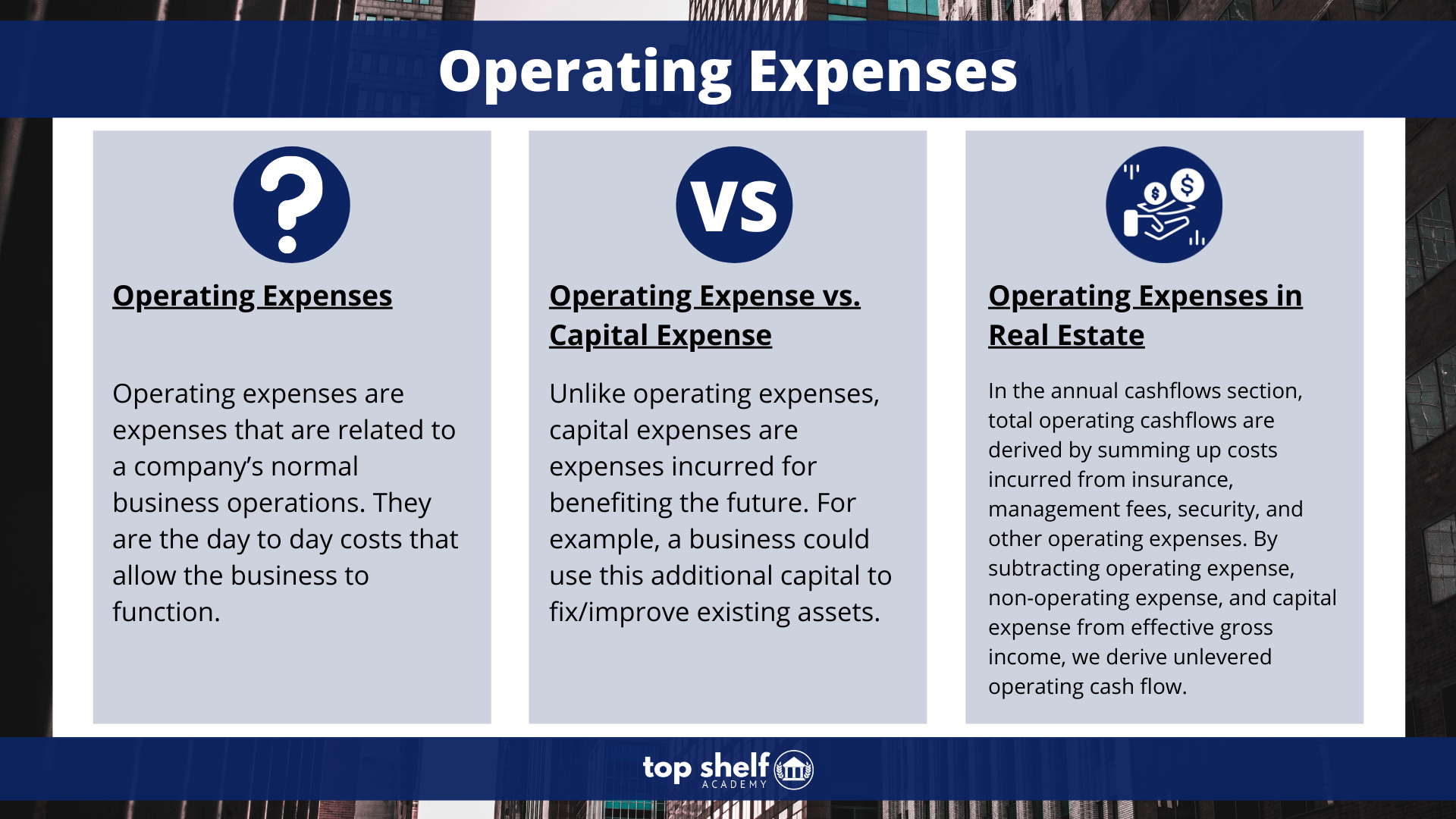
In financial accounting, an operating expense (OPEX) is any expenditure that a business incurs through its normal business operations. These are the costs required to keep the lights on and the doors open. Unlike capital expenditures (CAPEX), which are investments in long-term assets like machinery or property ownership, operating expenses are short-term costs consumed within the current reporting period.
Rent fits this definition perfectly because it is a contractual obligation typically paid on a monthly or quarterly basis. Whether a business occupies a retail storefront, a corporate office, or a specialized warehouse, the periodic payment to a landlord is a functional cost of doing business. Because it is essential for the generation of revenue, it is deducted from gross profit along with other costs such as utilities, payroll, insurance, and office supplies.
Rent on the Income Statement
The income statement, also known as the statement of operations, follows a structured format designed to reveal the health of a company. The placement of rent as an operating expense is vital for calculating the Operating Profit, or Earnings Before Interest and Taxes (EBIT).
- Revenue: The total income generated from goods or services.
- Cost of Goods Sold (COGS): Direct costs attributable to the production of the goods sold.
- Gross Profit: Revenue minus COGS.
- Operating Expenses: Rent, salaries, marketing, and general administrative costs.
- Operating Income (EBIT): Gross profit minus operating expenses.
By grouping rent under operating expenses, accountants ensure that the company’s core operational efficiency is measured accurately. If rent were categorized elsewhere, it would distort the understanding of how well the company manages its day-to-day administrative burdens.
Distinguishing Rent from Capital Expenditures
A common point of confusion for business owners is the difference between leasing property and owning it. If a company purchases a building, that purchase is a capital expenditure. The building is recorded as an asset on the balance sheet, and its value is depreciated over time.
Conversely, when a business pays rent for that same space, it does not acquire an asset. It is paying for the right to use the asset for a specific duration. Because there is no acquisition of a long-term asset, the payment is strictly an expense. In 2026, accounting standards such as the ASC 842 and IFRS 16 have refined how leases are reported on balance sheets; however, the fundamental classification of rent as an operating expense for the income statement remains intact for most standard lease agreements.
Factors Influencing Rent Costs
Operating expenses are often monitored by stakeholders to evaluate how well a company manages its overhead. Rent, being a fixed cost for many businesses, is a significant part of this evaluation. Several factors dictate how much a company spends on rent:
- Location: Property in urban, high-traffic business districts commands a premium. This premium is justified by the expected increase in visibility and revenue-generating potential.
- Lease Terms: Net leases—where the tenant pays property taxes, insurance, and maintenance in addition to base rent—can make the total "rent" figure higher than a gross lease.
- Economic Conditions: As of 2026, commercial real estate market trends have shifted toward flexible, hybrid office spaces, which may influence the structure of lease agreements and the predictability of rent expenses.
- Business Type: A manufacturing facility may have lower rent relative to revenue compared to a luxury retail store in a major city center.
Comparison of Business Costs
| Expense Category | Nature of Cost | Balance Sheet Impact | Income Statement Impact |
|---|---|---|---|
| Rent | Operating Expense | None | Deducted from Revenue |
| Machinery Purchase | Capital Expense | Asset Increase | Depreciated annually |
| Utilities | Operating Expense | None | Deducted from Revenue |
| Interest Payments | Non-operating Expense | Liability | Below Operating Income |
Implications for Financial Analysis
Investors and analysts pay close attention to the ratio of operating expenses to revenue. If rent represents an outsized portion of a company’s operating expenses, it may indicate that the business is over-leveraged in its physical space or that it is failing to scale its revenue relative to its fixed costs.
Furthermore, management teams often perform "lease vs. buy" analyses. While renting is an operating expense that keeps the balance sheet "cleaner" by avoiding long-term liabilities associated with property ownership, buying provides equity. The choice depends on the company's liquidity, long-term strategy, and tax considerations. It is highly recommended to consult with a qualified accountant or financial advisor to determine how your specific lease structure impacts your company's tax liabilities and financial covenants in the current fiscal environment.
Frequently Asked Questions
Does rent always count as an operating expense? In almost all standard business operations, yes. Rent is a periodic cost required to maintain the workspace necessary for business activities. However, in specific accounting circumstances involving finance leases (or capital leases), the accounting treatment involves recording a right-of-use asset and a corresponding liability, which affects how rent is recognized.
How does rent affect my taxable income? Rent is generally fully deductible as a business expense for income tax purposes, provided the property is used exclusively for business operations. This deduction lowers the company’s net taxable income, thereby reducing the total tax burden for the reporting period.
What is the difference between rent and "occupancy costs"? Occupancy costs is a broader term that includes rent, but also encompasses property taxes, building insurance, common area maintenance (CAM) fees, and utilities. While rent is the base payment for space, occupancy costs represent the total financial commitment to keep that space functional.
Can rent be categorized as a COGS? Only in very rare circumstances, such as when the rented space is used directly in the manufacturing or production process of the goods sold. For the vast majority of businesses, rent is strictly classified as an administrative operating expense, not a direct production cost.
How should a startup view rent in their early financial planning? Startups should treat rent as a primary fixed operating expense. Because cash flow is often tight, it is essential to forecast rent payments accurately. Failing to account for annual escalations in lease agreements is a common error that can lead to unexpected cash flow shortages in future years.
Next Steps for Business Owners
To manage your rent expenses effectively, begin by reviewing your existing lease agreement to identify the exact classification of your payments. Distinguish between your base rent and any additional occupancy costs that may fluctuate. If you are preparing financial statements for potential investors or lenders, ensure that your rent is clearly segmented under operating expenses to provide a transparent view of your company’s operational efficiency. For complex lease situations, particularly those involving long-term commitments or international operations, coordinate with a professional tax advisor to ensure full compliance with current 2026 accounting regulations.
Image Gallery