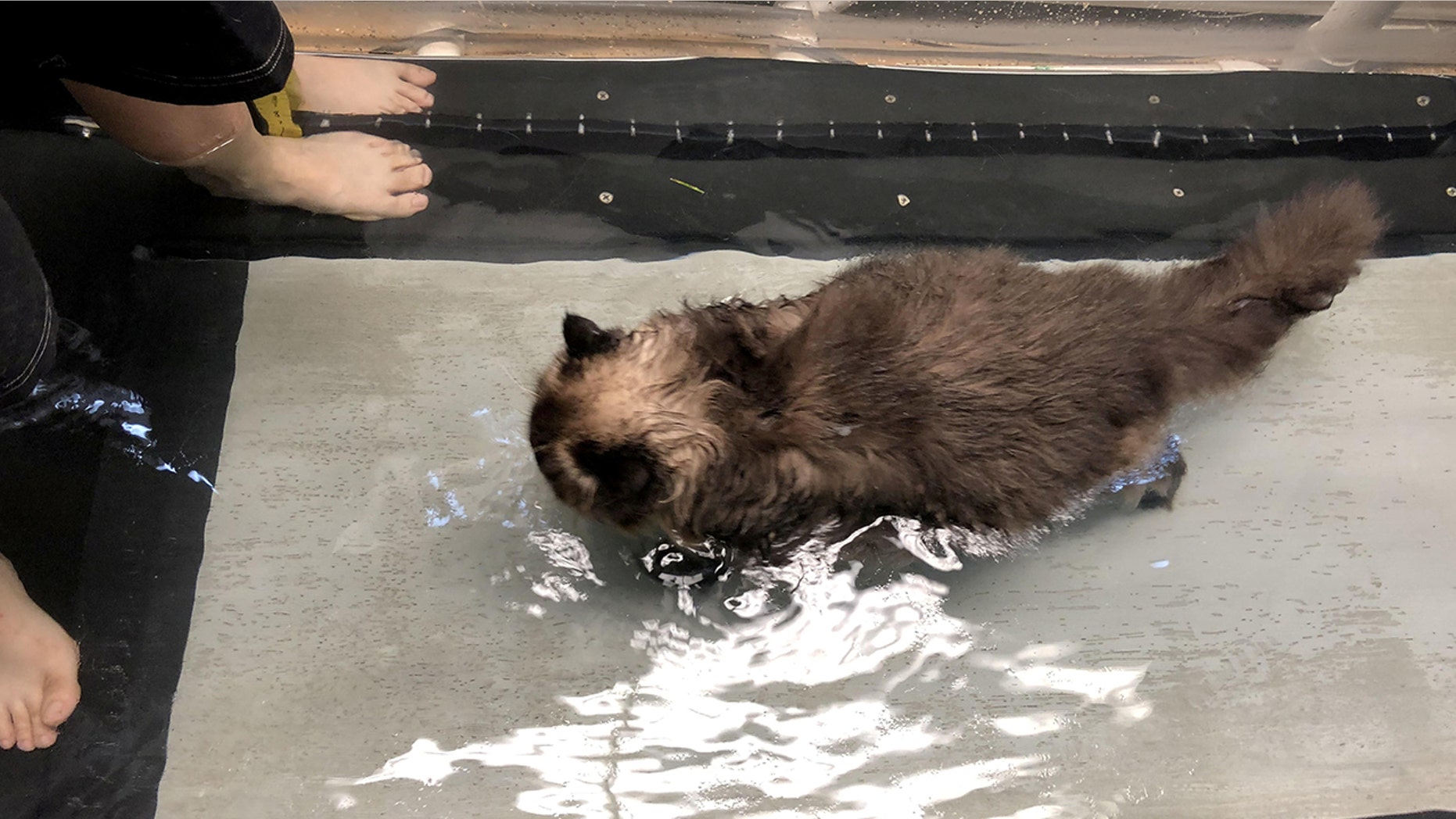
Why a Cat Underwater Treadmill Rarely Pays Off
While underwater treadmills are hailed as a gold standard in canine rehabilitation, they often represent a poor return on investment for both feline owners and veterinary clinics. The combination of high initial capital expenditure, fe...
While underwater treadmills are hailed as a gold standard in canine rehabilitation, they often represent a poor return on investment for both feline owners and veterinary clinics. The combination of high initial capital expenditure, feline-specific behavioral resistance to water, and the availability of more effective low-impact alternatives usually means these machines fail to deliver the expected therapeutic or financial results.
Contents
The Financial Reality of Feline Hydrotherapy Equipment
As of 2026, the cost of a professional-grade underwater treadmill system remains a significant barrier. For a veterinary practice or a dedicated pet rehabilitation center, a unit capable of handling small animals like cats typically costs between $35,000 and $60,000. This price tag does not include the necessary facility modifications, such as reinforced flooring to support the weight of the water, specialized drainage systems, and high-capacity water heating units.
For an individual pet owner, the "pay off" is measured in clinical outcomes versus session costs. A single session of hydrotherapy in 2026 averages between $85 and $150. When treating chronic conditions like feline osteoarthritis or recovering from a femoral head ostectomy (FHO), a cat might require two sessions per week for several months. When the success rate is dampened by feline stress and refusal to participate, the cost-to-benefit ratio shifts drastically toward the negative.
The amortization of this equipment requires a high volume of patients. Because the feline patient pool for hydrotherapy is significantly smaller than the canine pool, many clinics find that the machine sits idle for a majority of the workweek. Unlike dogs, who can often be transitioned to water exercise relatively quickly, cats require extensive "dry" habituation periods that consume billable technician time without the revenue-generating use of the treadmill itself.
Behavioral Barriers: The Cat vs. The Machine
The primary reason a cat underwater treadmill rarely pays off is rooted in feline ethology. Most domestic cats possess an innate aversion to being submerged in water. This isn't merely a preference; it is a physiological and psychological stressor that can trigger a "fight or flight" response. When a cat is placed in a treadmill tank, the rising water levels often induce significant cortisol spikes and defensive behaviors.
In a rehabilitation context, the goal of the treadmill is to encourage a controlled, rhythmic gait to improve joint range of motion and muscle strength. However, a stressed cat rarely walks naturally. Instead, they may attempt to climb the glass walls, sit on the side rails, or enter a state of "behavioral freezing." If the cat is not performing a functional gait, the therapeutic value of the session drops to zero.
Furthermore, the noise of the pumps and the vibration of the motor can be overstimulating for cats, who have a much more sensitive range of hearing than humans or even many dog breeds. Even with modern 2026 noise-reduction technology, the mechanical environment of an underwater treadmill is often at odds with the "Fear Free" clinical standards that have become the baseline for feline medicine.
Operational Costs and Maintenance Hurdles in 2026
Beyond the purchase price, the ongoing operational costs of an underwater treadmill are substantial. These units require precise chemical balancing to ensure the water remains sanitary, especially since cats can carry dander, oils, and the occasional "stress-induced" elimination into the tank.
- Filtration and Sanitization: Filters must be changed frequently to prevent feline fur from clogging the sensitive pump mechanisms. The cost of specialized enzymes and bromine or chlorine stabilizers adds up to several hundred dollars per month.
- Energy Consumption: Maintaining the water at a therapeutic temperature (typically between 85°F and 92°F) requires a constant draw of electricity. In many regions, the energy costs to keep 200–400 gallons of water heated 24/7 are significant.
- Water Usage: Even with advanced filtration, the tank must be partially or fully drained periodically for deep cleaning. For a business, this increases utility overhead; for a home user, it is a logistical nightmare.
The specialized nature of these machines also means that repairs are not DIY-friendly. A service call from a technician in 2026 can cost upwards of $300 just for the visit, plus parts. If the treadmill is only being used for one or two cats, these maintenance costs quickly outpace any perceived benefit to the pet's health.
Clinical ROI: Why Dogs Dominate the Tank
The "pay off" for an underwater treadmill is almost always driven by the canine market. Dogs are generally more amenable to food-motivated training in water and can handle longer sessions that justify the setup time. In a professional setting, a technician can often manage three dogs in the time it takes to attempt to acclimate one cat.
From a physiological perspective, the buoyancy provided by water (Archimedes' principle) is highly beneficial for heavy, large-breed dogs with hip dysplasia. Cats, being smaller and lighter, do not always require the same level of weight-bearing relief to begin movement. Their lighter frame means that the resistance of the water can actually become an impediment rather than a help, particularly if the cat lacks the core strength to push through the water's viscosity without twisting their spine.
| Feature | Feline Impact | Canine Impact | ROI Consideration |
|---|---|---|---|
| Buoyancy | Low (Cats are already light) | High (Crucial for heavy joints) | Lower for cats |
| Water Aversion | High (Commonly leads to refusal) | Low to Moderate | High risk of failed sessions with cats |
| Setup Time | High (Long acclimation needed) | Low to Moderate | Lowers hourly billing efficiency |
| Resistance | Can cause "splashing" gait | Promotes muscle building | Often non-therapeutic for cats |
| Maintenance | Fur clogs fine filters | Standard maintenance | Higher specialized cleaning for cats |
Comparing Alternatives: Is Water Always the Answer?
For most cats, the benefits of an underwater treadmill can be replicated or even exceeded by other modalities that are cheaper, less stressful, and easier to implement.
Land Treadmills and Controlled Play
A land treadmill, which can be purchased for a fraction of the cost of an underwater version, provides the same gait-retraining benefits without the stress of water. In 2026, many feline rehabbers prefer using laser pointers or feathered wand toys to encourage uphill walking on a slanted land treadmill. This taps into the cat's natural predatory drive, ensuring they use their muscles in a functional, "real-world" way.
Targeted Exercise (Kinesiology)
Physiotherapy exercises, such as using "cavaletti rails" (small hurdles) or balance discs, allow for targeted muscle strengthening. These methods are far more portable and cost-effective. A set of cavaletti rails costs less than $100, whereas the "pay off" in improved feline proprioception is often higher than that of water walking because the cat is fully engaged and not in a state of panic.
Regenerative Medicine and Pharmacotherapy
In 2026, the landscape of feline pain management has been transformed by monoclonal antibody treatments (like Frunevetmab). These injections specifically target Nerve Growth Factor (NGF) to manage osteoarthritis pain. For many owners, the "pay off" of a monthly injection that restores a cat's mobility is far higher than the high-stress, high-cost endeavor of hydrotherapy.
When an Underwater Treadmill Actually Makes Sense
Despite the general lack of ROI, there are very specific niche cases where an underwater treadmill might "pay off," though these are exceptions to the rule.
- Severe Neurological Deficits: For a cat recovering from a spinal injury or "saddle thrombus" (Feline Aortic Thromboembolism), the buoyancy of water might be the only way they can stand at all. In these critical cases, the treadmill acts as a temporary "scaffold" for the body.
- Professional Sporting Cats: In the rare world of high-level feline agility or performance, a treadmill might be used for conditioning, provided the cat was acclimated to water from kittenhood.
- High-Volume Specialty Centers: A veterinary teaching hospital or a massive multi-specialty referral center may find the machine pays off simply as part of a "complete" suite of services, where the canine patients subsidize the occasional feline user.
Frequently Asked Questions
Can't I just use a bathtub instead of a treadmill?
While a bathtub provides buoyancy, it lacks the controlled movement of a treadmill belt. Without the moving floor, a cat is likely to just float or try to swim to the edge, which does not provide the specific gait retraining required for orthopedic recovery. Additionally, the lack of temperature control and filtration makes home bathtub hydrotherapy messy and potentially unsafe.
How long does it take for a cat to get used to the treadmill?
Acclimation can take anywhere from 4 to 10 sessions before a cat even begins to walk. During this time, the owner is paying for professional time without seeing significant physical results. Many cats never truly acclimate, leading to a permanent "plateau" in their rehabilitation progress.
Is weight loss a good reason to use a cat underwater treadmill?
Rarely. While water provides resistance, the stress-induced cortisol can actually inhibit weight loss in some cats. In 2026, veterinary nutritionists generally recommend a combination of high-protein, low-carbohydrate diets and "active feeding" (using puzzle feeders) as a much more effective and lower-cost strategy for feline weight management.
Are there safety risks involved?
Yes. Aside from the risk of drowning if the cat panics and goes under, the main risk is "rebound" soreness or injury from the cat's frantic attempts to exit the tank. If a cat twists suddenly while their limbs are underwater, the resistance of the water can put undue strain on the very joints the therapy is supposed to be helping.
What should I do instead if my cat has arthritis?
Consult your veterinarian about 2026-standard treatments like Solensia (Frunevetmab) injections, which have a high success rate for feline OA pain. Pair this with home environmental modifications, such as ramps to favorite sleeping spots and low-entry litter boxes, which provide a guaranteed "pay off" in the cat's quality of life.
Final Recommendation
For the vast majority of feline health scenarios in 2026, an underwater treadmill is a sub-optimal investment. The financial overhead for clinics and the high cost-per-session for owners do not align with the behavioral challenges and modest clinical gains seen in cats. Prioritize land-based physical therapy, environmental enrichment, and modern pharmacological pain management before considering hydrotherapy. These alternatives offer a faster, more reliable, and significantly more affordable path to feline recovery and long-term mobility.
Image Gallery