The Country That Speaks Thai: Understanding Thailand’s Linguistic Landscape
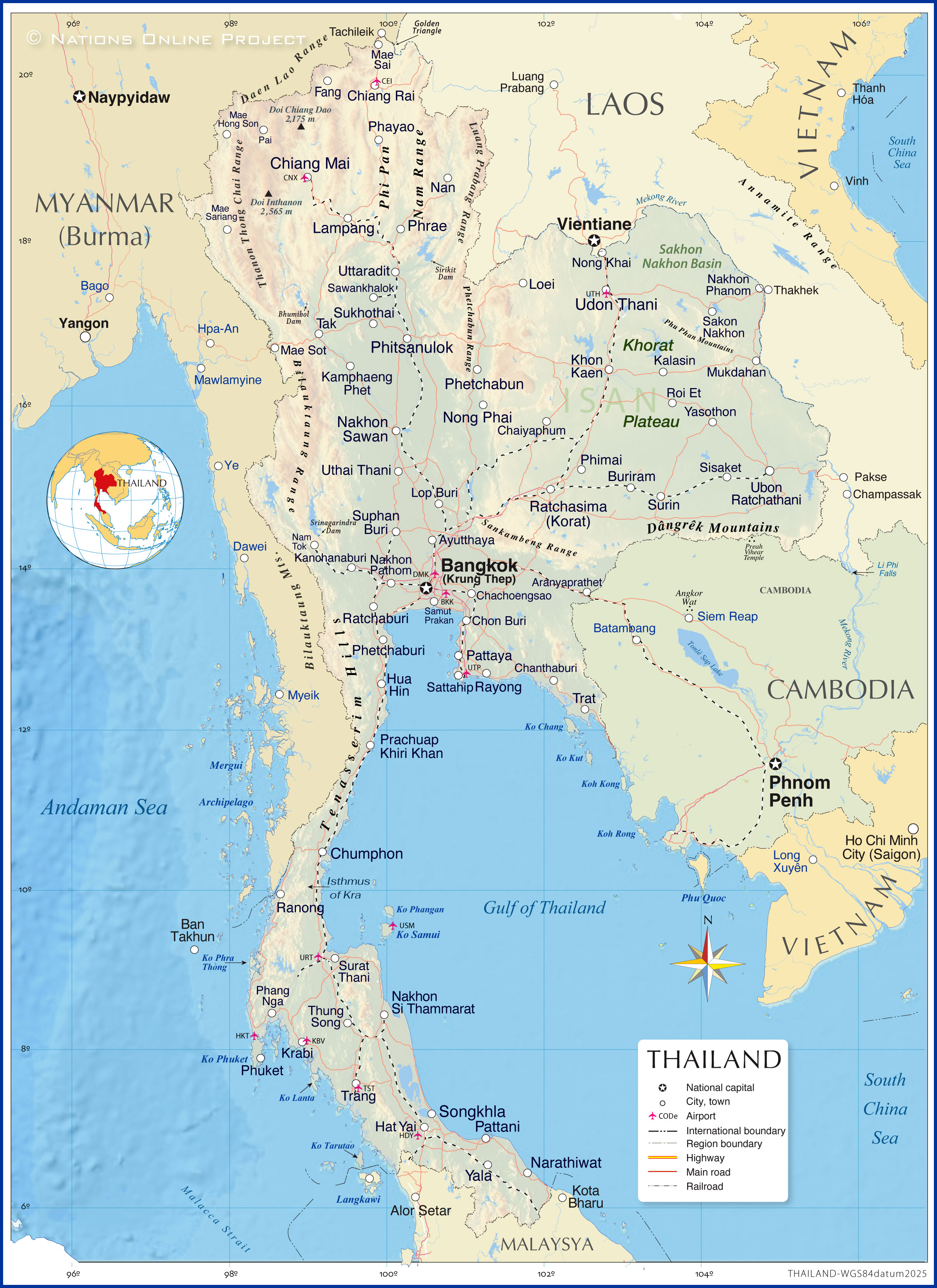
The country that speaks Thai as its primary, official language is Thailand. Located in the heart of Southeast Asia, Thailand is the sole nation where Thai serves as the national and administrative language, used in government, educatio...
The country that speaks Thai as its primary, official language is Thailand. Located in the heart of Southeast Asia, Thailand is the sole nation where Thai serves as the national and administrative language, used in government, education, media, and daily commerce by the vast majority of its population.
Contents
The Role of Thai as a National Language
Thai, also known as Central Thai or Siamese, is a member of the Kra-Dai language family. It is the mother tongue of the Central Thai people and serves as the lingua franca for the entire nation. While Thailand is home to various ethnic groups and diverse linguistic minorities—including speakers of Isan, Northern Thai (Kam Mueang), and Southern Thai—the standard version of the language, based on the dialect of Bangkok, is the official medium for all formal interactions.
The language is characterized by its tonal nature, a unique script, and a complex system of honorifics. Because it is a tonal language, the pitch at which a syllable is spoken can completely change its meaning. For visitors and researchers, this often presents the most significant learning hurdle. However, the use of Thai remains deeply embedded in the national identity, fostering a sense of cohesion across the country’s 76 provinces.
Linguistic Diversity Within the Borders
While Thailand is the country that speaks Thai, it is not a monolingual nation. Recognizing the nuances of the language landscape is essential for understanding the cultural fabric of the kingdom.
- Regional Dialects: In the Northeast (Isan), many citizens speak a language closely related to Lao. In the North, Kam Mueang is widely used in traditional settings. In the South, Southern Thai dialects, which are often faster and possess different tonal structures, predominate.
- Minority Languages: Near the borders, particularly in the deep South, Malay is spoken by the ethnic Malay population. Additionally, various hill tribe languages, such as Hmong, Karen, and Akha, are spoken in the mountainous regions of the North.
- The Status of Standard Thai: Despite these regional variances, Standard Thai is the language taught in schools and the language of the state. Every citizen is expected to have a working proficiency in it, ensuring that communication remains consistent across urban and rural demographics as of 2026.
The Thai Writing System
The Thai alphabet is an abugida—a writing system where consonants carry inherent vowels—developed in the 13th century. Attributed to King Ramkhamhaeng the Great, the script is derived from ancient Indian scripts, specifically the Brahmic family.
For the modern reader or business traveler, the script may appear daunting due to the lack of spaces between words. In written Thai, spaces are typically used only to denote the end of a sentence or a clause, rather than the separation of individual words. Mastering the script is a significant undertaking, but it is the primary gateway to fully appreciating Thai literature, legal documents, and historical records.
Linguistic Competency for Residents and Visitors
For those planning to visit or reside in Thailand, understanding the practical application of the language is critical. While English is common in international business hubs, luxury hotels, and major tourist centers in Bangkok, Phuket, and Chiang Mai, the reliance on Thai remains absolute in rural areas, government offices, and local marketplaces.
Practical Considerations for Language Use
| Context | Language Usage | English Proficiency |
|---|---|---|
| Government/Legal | Mandatory Thai | Extremely Low |
| Business/Finance | Professional Thai | Moderate to High |
| Hospitality/Tourism | Thai and English | High |
| Street Markets | Regional Dialect/Thai | Minimal |
| Education | Standard Thai | Variable |
When interacting with government agencies or handling legal matters, it is standard practice for non-native speakers to employ a professional translator or legal interpreter. Because official documents, such as property deeds, marriage registrations, or business incorporation papers, must be written in Thai to be legally binding, relying on translated unofficial documents can lead to administrative errors.
Strategies for Language Learning
Given that Thailand is the only country where this language is the primary medium, learners should focus on Standard Thai. By 2026, digital resources, including mobile applications, structured university courses, and intensive language centers (known as roong rian phasa), have become highly accessible.
- Phonetic Foundations: Start by learning the tone rules. Without the correct tone, communication is frequently misunderstood, as many words share consonant-vowel structures but differ only in pitch.
- Vocabulary Acquisition: Focus on high-frequency words used in daily life, such as transport terminology, numerical systems, and polite particles (e.g., khrap for males and ka for females).
- Immersion: Active immersion remains the most effective method. Engaging in local markets or community activities in Bangkok or other major cities forces learners to practice listening and responding in real-time scenarios.
Cultural Nuances and Honorifics
Language in Thailand is intrinsically linked to social hierarchy. The use of honorifics is not optional; it is a fundamental requirement of polite speech. The language changes significantly depending on the gender, age, and social status of the person being addressed.
For instance, the word "I" changes depending on the speaker's gender and the degree of formality required. Similarly, using the wrong register—such as addressing a superior with the informal language used for friends—can be perceived as rude or disrespectful. Understanding these social codes is as important as mastering the grammar of the language itself.
Common Misconceptions Regarding Thai
One common error is the assumption that Thai is similar to other regional languages like Vietnamese or Chinese simply because they are all tonal. While they share some linguistic characteristics, Thai is grammatically distinct.
Another misconception is that because Thailand is a popular tourist destination, everyone speaks English. While the tourism industry is highly English-capable, it is a mistake to assume this level of proficiency extends to the general populace, medical professionals in non-international hospitals, or the legal system. In any situation involving contractual obligations or personal safety, the assumption should always be that Thai is the only functional language for resolution.
Troubleshooting Communication Barriers
When communication fails, as it inevitably will for beginners, there are structured ways to mitigate the situation:
- Use Visual Aids: If you are trying to reach a destination, carry a map or address card written in Thai script.
- Digital Translation Tools: As of 2026, real-time voice translation apps have improved significantly. However, they should be used as a supplement, not a replacement, for human interaction.
- Polite Persistence: Thais generally appreciate the effort to speak their language. A polite demeanor combined with basic "survival Thai" often opens doors that English-only requests cannot.
Frequently Asked Questions
Is Thai spoken in any other country? While Thai is the official language of Thailand, significant communities of speakers exist in neighboring countries like Laos, Myanmar, and Malaysia due to historical migration. However, it is not the official language in any other nation.
Do I need to learn the Thai script to visit? You do not need to read or write the script to visit as a tourist. However, learning to recognize key signs—such as those for "exit," "restroom," or "hospital"—can be highly beneficial for personal convenience and safety.
How different is Isan from Central Thai? Isan is a variety of the Lao language. While many Thais can understand it to an extent, it uses different vocabulary and tonal structures. It is primarily a spoken language, whereas Central Thai is used for all formal writing.
Is it difficult for English speakers to learn Thai? Thai is categorized as a Category IV language by many institutions, meaning it is significantly more challenging than romance languages. The tonal nature and the unique writing system require a dedicated investment of time to achieve fluency.
Are there different levels of formality in the Thai language? Yes, there are several registers of speech, ranging from informal, colloquial language used with friends to highly formal, hierarchical language used with royalty or in academic and religious settings.
Next Steps for Engagement
If you are planning to engage with Thailand—whether for travel, business, or long-term relocation—your first priority should be to evaluate your specific linguistic needs. If you are conducting business, hire a local consultant who is fluent in both professional Thai and your native language. If you are visiting, enroll in a short-term introductory course that covers both basic vocabulary and the cultural norms of honorifics. By respecting the depth and complexity of the language, you ensure more successful and respectful interactions throughout your time in the country.
Image Gallery