Are Lobsters Endangered? Species Status, Threats, and Sustainability Guide
Most commercially harvested lobster species—including the American lobster (Homarus americanus) and European lobster (Homarus gammarus)—are not classified as endangered species and maintain healthy overall population levels. However, l...
Most commercially harvested lobster species—including the American lobster (Homarus americanus) and European lobster (Homarus gammarus)—are not classified as endangered species and maintain healthy overall population levels. However, localized stocks face severe environmental pressure from ocean warming, and specific lobster fisheries have drawn conservation warnings due to fixed-line gear interactions with critically endangered marine mammals like the North Atlantic right whale.
Contents
Understanding Lobster Conservation Status
When determining whether lobsters are endangered, it is essential to separate the biological population health of specific lobster species from the broader ecological impacts of commercial lobster fishing methods.
The International Union for Conservation of Nature (IUCN) Red List of Threatened Species evaluates species based on global population trends, geographic range, and rate of decline. Under IUCN criteria, major commercial lobster species are categorized primarily as Least Concern. However, local stock assessments conducted by regional management authorities, such as the National Oceanic and Atmospheric Administration (NOAA) Fisheries in the United States and Fisheries and Oceans Canada (DFO), reveal distinct regional variations.
| Category | Details |
|---|---|
| Global Species Status | LEAST CONCERN (High overall biomass) |
| Regional Exceptions | Southern New England (Severe decline) |
| Ecosystem Concerns | Fishery gear risks to North Atlantic Right Whales (Eubalaena glacialis) |
While the total biomass of commercial lobsters remains robust across northern ranges, changing ocean conditions and habitat shifts mean that abundance in historical southern grounds has dropped dramatically over recent decades.
IUCN Red List Status of Commercial Lobster Species
Lobsters belong to the family Nephropidae (clawed lobsters) and Palinuridae (spiny lobsters). Their conservation profiles vary depending on evolutionary family, geographic region, and management rigor.
American Lobster (Homarus americanus)
- IUCN Red List Status: Least Concern
- Primary Habitats: Northwest Atlantic Ocean, from North Carolina to Labrador, Canada.
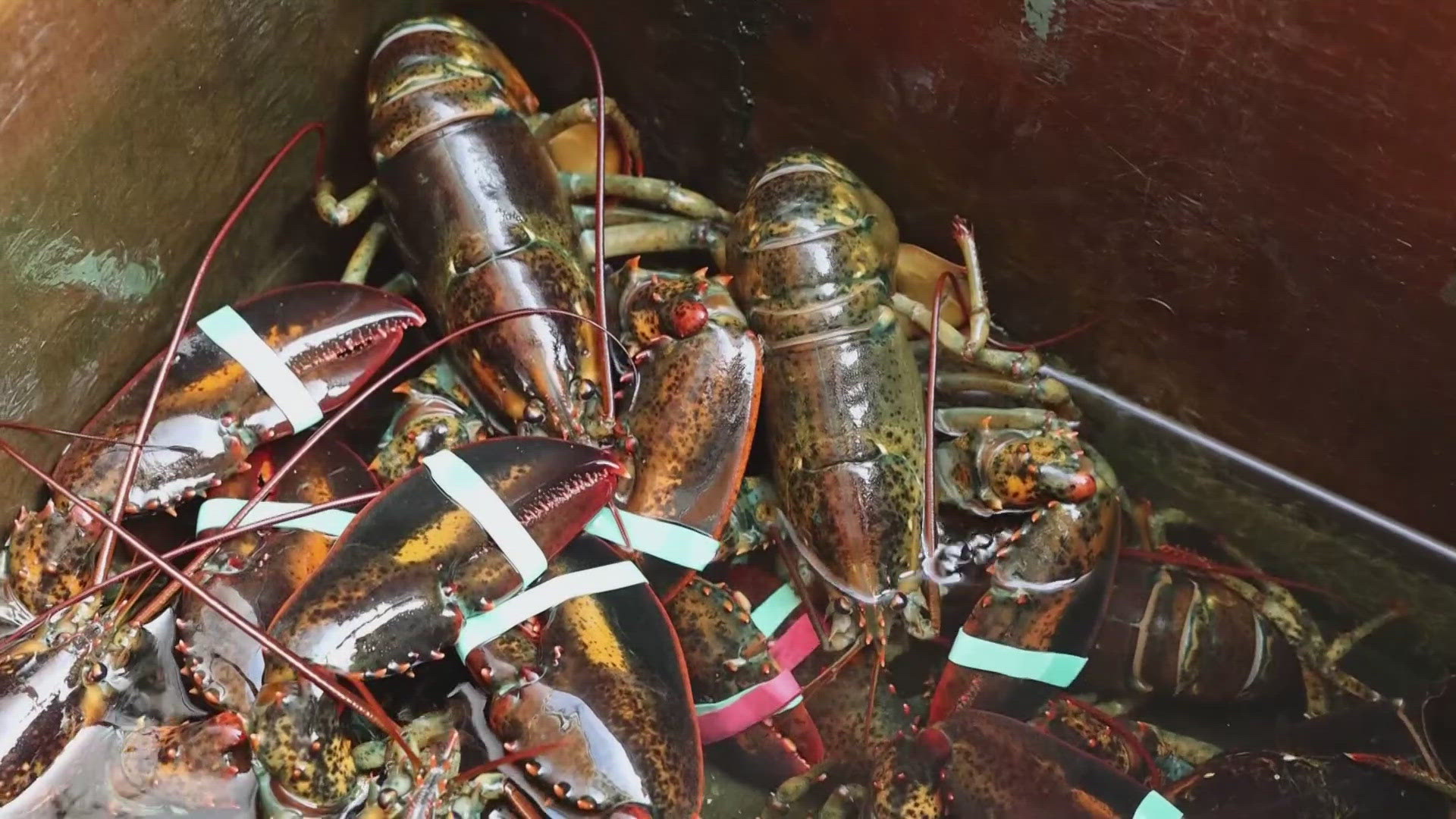
- Population Overview: The American lobster population is near historical highs in its northern distribution, particularly in the Gulf of Maine and the Scotian Shelf. Conversely, the Southern New England stock (spanning southern Massachusetts, Rhode Island, Connecticut, and New York) has collapsed to record lows due to rising ocean temperatures, low dissolved oxygen, and epizootic shell disease.
European Lobster (Homarus gammarus)
- IUCN Red List Status: Least Concern
- Primary Habitats: Eastern Atlantic Ocean, Mediterranean Sea, and parts of the Black Sea.
- Population Overview: European lobster populations are generally stable, though lower in abundance compared to American lobster stocks. Overfishing in past decades led to stringent minimum landing size regulations, escape gap requirements in traps, and protective bans on taking egg-bearing (berried) females.
Caribbean Spiny Lobster (Panulirus argus)
- IUCN Red List Status: Data Deficient / Uncategorized across some sub-regions (managed locally)
- Primary Habitats: Western Atlantic Ocean, Caribbean Sea, and Gulf of Mexico.
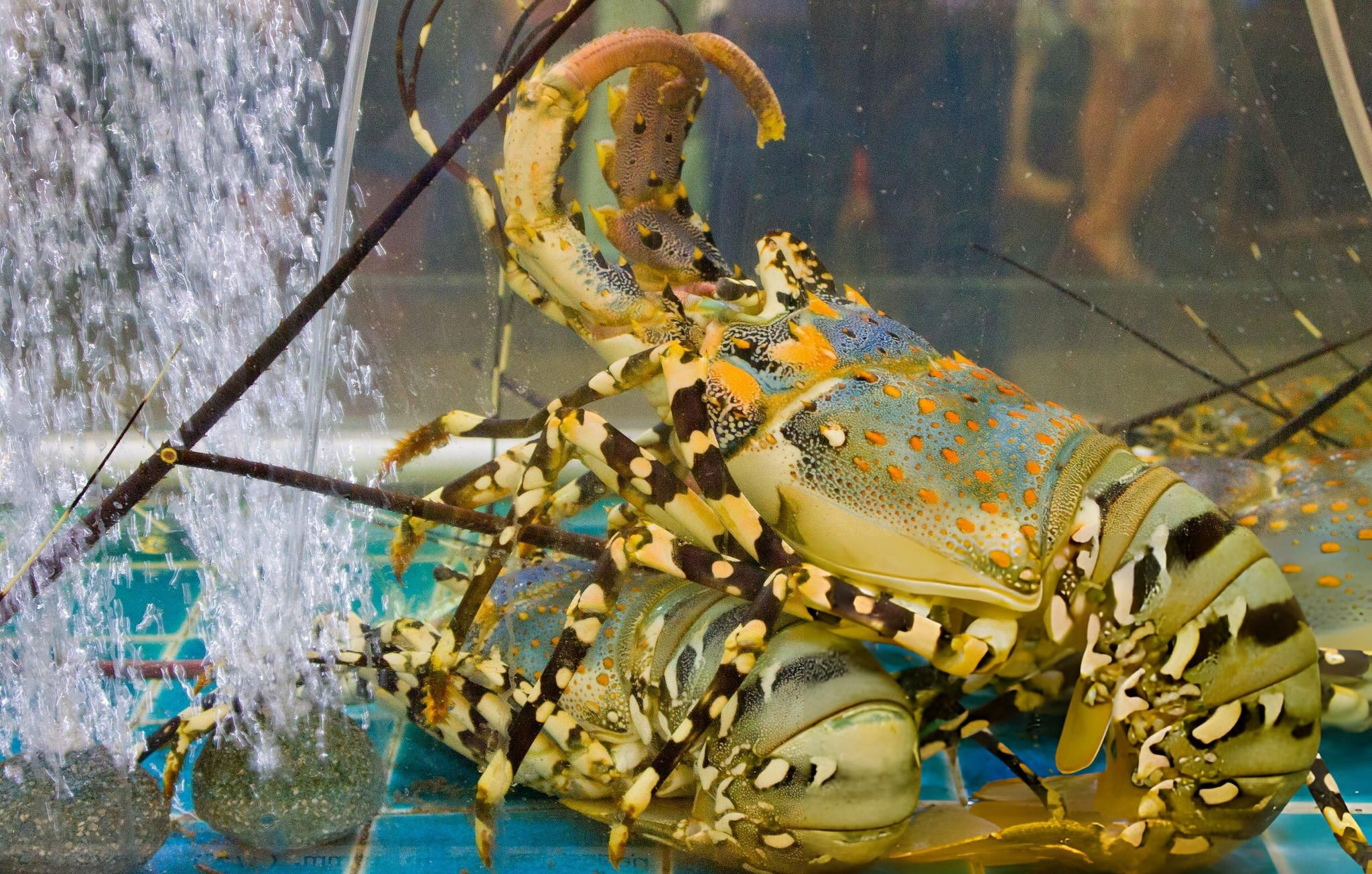
- Population Overview: Lacking claws, spiny lobsters are vital to tropical reef ecosystems and regional artisanal fisheries. While not globally endangered, unsustainable harvest, habitat degradation of coral reefs and seagrass beds, and illegal fishing pose localized risks across the Caribbean basin.
Tristan Spiny Lobster (Jasus tristani)
- IUCN Red List Status: Least Concern (Stricter local management)
- Primary Habitats: Tristan da Cunha archipelago in the South Atlantic Ocean.
- Population Overview: Historically subject to overexploitation, this isolated island fishery is now heavily regulated under strict total allowable catch (TAC) quotas and Marine Protected Area (MPA) zoning.
The Right Whale Controversy and Seafood Red-Listings
The debate over lobster sustainability reached a critical turning point when environmental organizations downgraded the sustainability rating of North American lobster fisheries. This rating change was driven by indirect impacts on other species rather than a decline in lobster numbers.
Lobster Fishery Environmental Impact Link:
- Fixed Trap Lines
- Vertical Buoy Ropes in Water Column
- Entanglement Risk
- North Atlantic Right Whale (< 360 Individuals Left)
The Role of Vertical Line Fishing
Traditional commercial lobster harvesting relies on pot or trap gear anchored to the ocean floor. Each trap—or string of traps (trawls)—is marked at the surface by a buoy connected via a vertical synthetic rope.
Because thousands of vertical lines crisscross coastal migratory routes, they create an entanglement hazard for marine life. The primary concern centers on the North Atlantic Right Whale (Eubalaena glacialis), one of the world's most endangered large whale species, with a surviving population estimated at under 360 individuals.
Seafood Watch and MSC Rating Modifications
- Monterey Bay Aquarium Seafood Watch: Added American and Canadian lobster trap fisheries to its "Red / Avoid" list. The designation reflects the risk that vertical buoy lines pose to right whales from entanglements, which cause severe chronic injury, impaired reproduction, or death.
- Marine Stewardship Council (MSC): Suspended its sustainability certification for specific North American lobster trap fisheries after legal rulings determined that regulatory protections did not meet mandatory federal statutory thresholds for marine mammal defense.
Lobstermen and industry groups argue that documented gear entanglements linked directly to modern, regulated lobster traps are rare, citing extensive state and federal gear modifications introduced over the last decade. Nonetheless, regulatory bodies and marine biologists emphasize that any unmitigated risk poses a hazard to a species so close to extinction.
Environmental Threats Impacting Lobster Populations
Although clawed lobsters are not currently endangered, long-term environmental trends present ecological challenges to their reproduction, physiology, and distribution.
| Threat | Description |
|---|---|
| 1. Thermal Stress | Water temperatures >20°C cause metabolic stress and respiratory failure. |
| 2. Epizootic Shell Disease | Pathogens degrade chitinous exoskeletons, leading to mortality during molting. |
| 3. Ocean Acidification | Lower pH reduces carbonate ion availability, slowing post-larval shell hardening. |
| 4. Geographic Shift | Populations migrate north into deeper, colder waters, leaving southern habitats depleted. |
1. Ocean Warming and Thermal Limits
Lobsters are cold-blooded poikilotherms, meaning their internal body temperature depends on their surrounding environment. The optimal water temperature range for Homarus americanus is between 8°C and 14°C (46°F to 57°F).
When bottom water temperatures exceed 20°C (68°F), lobsters experience severe metabolic stress, increased immune vulnerability, and elevated respiratory demands. This warming has driven a range shift, causing lobster densities in Southern New England and Long Island Sound to contract while populations in Maine and Atlantic Canada expanded northward.
2. Epizootic Shell Disease (ESD)
Warmer water conditions foster bacterial pathogens that cause Epizootic Shell Disease. ESD manifests as lesions that erode the lobster's chitinous carapace.
Severe infections cause the shell to fuse to the underlying membrane, leading to death during the molting process. ESD has impacted up to 30% or more of sampled lobsters in warm, shallow southern waters, though it remains less prevalent in colder northern grounds.
3. Ocean Acidification
As atmospheric carbon dioxide ($CO_2$) dissolves into ocean waters, sea surface and benthic pH levels drop. Lower pH reduces the saturation state of calcium carbonate, which juvenile lobsters require to build and harden their protective exoskeletons post-molt.
Laboratory studies indicate that post-larval lobsters exposed to high-acidification scenarios experience delayed development, smaller carapace growth, and reduced survival rates during molting transitions.
Key Commercial Lobster Species & Conservation Summary
The table below outlines the global status, regional trends, management measures, and conservation concerns for primary commercial lobster species worldwide.
| Common Name | Scientific Name | Geographic Range | IUCN Red List Status | Major Fishery Management Body | Key Conservation Concerns |
|---|---|---|---|---|---|
| American Lobster | Homarus americanus | Northwest Atlantic (US & Canada) | Least Concern | ASMFC, NOAA Fisheries, DFO Canada | Regional collapse in south; gear interaction with endangered right whales. |
| European Lobster | Homarus gammarus | Eastern Atlantic & Mediterranean | Least Concern | EU Common Fisheries Policy, UK IFCA | Historical localized overfishing; habitat alteration in coastal zones. |
| Caribbean Spiny Lobster | Panulirus argus | Western Central Atlantic & Caribbean | Data Deficient / Localized | WECAFC, Gulf & South Atlantic FMCs | Unregulated regional fishing; coastal nursery destruction; gear theft. |
| Southern Rock Lobster | Jasus edwardsii | Southern Australia & New Zealand | Least Concern | Australian State Agencies, NZ MPI | Invasive urchin barrens destroying kelp habitat; quota compliance. |
| Ornate Spiny Lobster | Panulirus ornatus | Indo-West Pacific | Least Concern | AFMA (Australia), PNG NFA | Sustainable harvest management across international boundary zones. |
| Tristan Spiny Lobster | Jasus tristani | Tristan da Cunha Archipelago | Least Concern | Tristan da Cunha Fisheries Department | Extreme geographical isolation; vulnerability to illegal, unreported (IUU) fishing. |
Sustainable Management and Gear Innovations
Preserving lobster species and protecting non-target marine life requires clear regulatory frameworks and technological adaptations within commercial fleets.
| Management Practice | Purpose & Mechanism |
|---|---|
| V-Notching Females | Prevents harvest of proven breeding females for multiple molt cycles. |
| Minimum/Maximum Size Limits | Protects juvenile growth and preserves highly fertile mega-spawners. |
| Weak Line Inserts | Allows entangled large whales to break free from buoy lines (<1,700 lbs break). |
| Ropeless / On-Demand Gear | Removes vertical buoy lines using acoustic trigger release systems. |
Biological Conservation Measures
- V-Notching: Commercial lobstermen cut a small, shallow notch into the tail flipper of egg-bearing female lobsters before returning them to the water. It is illegal for buyers or harvesters to possess a V-notched female, ensuring mature breeders reproduce over multiple seasons.
- Gauge Size Restrictions: Minimum size limits ensure lobsters reach reproductive maturity before becoming eligible for harvest. Maximum size limits protect large "mega-spawners," which produce exponentially more eggs than smaller mature females.
- Escape Vents: Traps feature rectangular escape gaps that allow undersized juvenile lobsters and non-target organisms to exit freely before the trap is hauled.
Innovations to Protect Marine Mammals
- Ropeless (On-Demand) Fishing Systems: Ropeless technology stores the retrieval line and buoy on the ocean floor inside the trap or spool until triggered by an acoustic signal sent from the surface vessel. Removing vertical lines eliminates fixed-water-column entanglements.
- Weak Ropes and Weak Inserts: Regulators require vertical lines modified with weak links designed to break at a breaking strength under 1,700 pounds of tension, allowing larger whales to break free if contact occurs.
- Seasonal and Area Closures: Fixed-gear fishing is prohibited in critical habitat zones during peak marine mammal migration windows.
Consumer and Buyer Guidance
Seafood buyers, restaurants, and consumers can support sustainable lobster practices through informed sourcing strategies:
- Verify Sourcing Origin: Identify where the lobster was harvested. Lobsters caught in well-managed northern fisheries using gear-compliant methods carry lower risk of non-target ecosystem harm.
- Support Gear-Innovating Fisheries: Seek out suppliers participating in testing programs for ropeless (on-demand) gear or fisheries using weak-link technological standards.
- Check Recognized Sustainability Guides: Review regional evaluations from reliable monitoring organizations such as NOAA FishWatch and local marine management agencies to verify current stock levels and regulatory compliance.
- Consider Alternative Species: Diversify seafood purchasing by selecting certified sustainable spiny lobsters or rock lobsters harvested from fisheries with low marine mammal interaction risks.
Frequently Asked Questions
Are lobsters currently listed on the US Endangered Species List?
No. No commercial species of lobster—including the American lobster—is listed as endangered or threatened under the U.S. Endangered Species Act (ESA). Populations in major northern grounds remain high, though regional management rules remain strict to prevent overfishing and habitat degradation.
Why did Seafood Watch place North American lobster on its "Avoid" list?
Seafood Watch placed American and Canadian lobster on its "Avoid" list because fixed vertical buoy lines used in trap fisheries pose an entanglement risk to the critically endangered North Atlantic right whale. The listing is based on ecosystem gear interactions rather than a low population of lobsters.
Can lobster populations recover in warmer southern waters?
Recovery in southern regions like Long Island Sound and Southern New England is difficult due to sustained ocean warming. High water temperatures cause physiological stress, deplete dissolved oxygen, and increase susceptibility to shell disease, driving permanent range shifts northward.
What is a "berried" lobster, and why is it illegal to harvest one?
A "berried" lobster is a female carrying thousands of eggs attached to her swimmerets under her tail. Harvesting berried females is illegal across major commercial fisheries to protect reproductive capacity and maintain sustainable population levels.
How does ropeless fishing gear protect marine life?
Ropeless (or on-demand) gear keeps ropes submerged on the seafloor attached to the trap. When the fishing vessel returns, an acoustic transmitter releases the buoy line or inflatable lift bag, bringing the gear to the surface without leaving standing vertical lines in the water column where migrating whales swim.
Recommended Actions for Stakeholders
To maintain healthy lobster fisheries while minimizing broader ecological impacts, industry participants, buyers, and consumers should focus on targeted, evidence-based practices:
- For Seafood Retailers & Commercial Buyers: Establish clear traceability protocols. Require origin verification for all wild-caught clawed and spiny lobsters, prioritizing suppliers that adhere to low-impact gear modifications, seasonal closure rules, and strict size compliance.
- For Commercial Harvesters: Participate in pilot trials for on-demand fishing systems and adopt weak-rope technology to maintain access to coastal waters while satisfying statutory marine mammal protection mandates.
- For Consumers: Consult updated seafood advisory portals such as NOAA FishWatch prior to purchasing. Ask fishmongers and restaurants about the harvest location and trap methods used for their lobster offerings.
Image Gallery