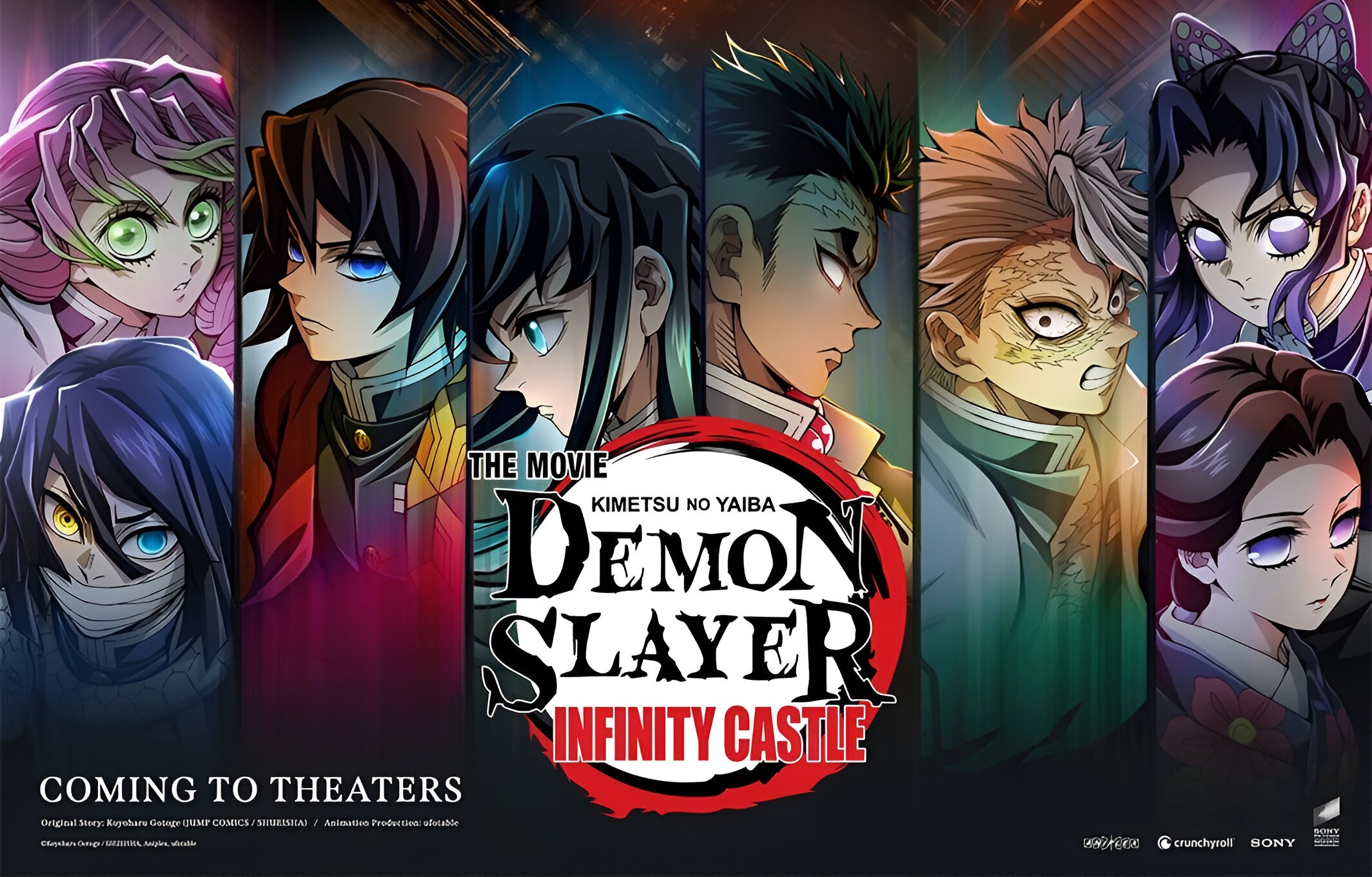
The Demon Slayer Infinity Castle Earnings Breakdown: A Box Office Performance Analysis
The Demon Slayer: Kimetsu no Yaiba – Infinity Castle film trilogy represents a landmark commercial strategy in the modern anime industry, leveraging the massive global success of the Mugen Train and Swordsmith Village arcs to maximize...
The Demon Slayer: Kimetsu no Yaiba – Infinity Castle film trilogy represents a landmark commercial strategy in the modern anime industry, leveraging the massive global success of the Mugen Train and Swordsmith Village arcs to maximize theatrical revenue. By transitioning from a single-film model to a high-budget theatrical trilogy, the production committee has optimized box office intake through a recurring, event-based release cycle that sustains long-term audience engagement.
Contents
The Strategic Shift to the Infinity Castle Trilogy
The decision to adapt the climactic Infinity Castle arc into a trilogy rather than a standard television season or a single feature film is a calculated financial move. By breaking down the narrative into three distinct theatrical installments, Aniplex, Ufotable, and Shueisha have effectively tripled the potential "opening weekend" spikes and extended the period during which the franchise dominates premium format screens, such as IMAX and 4DX.
This approach mirrors the "eventization" of anime media. Historically, anime films were secondary to broadcast television. However, the success of Demon Slayer – Kimetsu no Yaiba – The Movie: Mugen Train (2020), which became the highest-grossing film in Japanese history, shifted the industry’s business model. For the Infinity Castle arc, the earnings breakdown relies on a multi-tiered revenue strategy:
- Global Theatrical Distribution: Targeting synchronized international releases to capture the peak of fan fervor.
- Premium Large Format (PLF) Premiums: Higher ticket pricing for IMAX, Dolby Cinema, and 4DX experiences, which constitute a significant percentage of the total gross.
- Merchandising Synergies: Each film launch creates a fresh window for exclusive merchandise, collaborations, and home media pre-sales.
Analyzing the Revenue Streams
To understand the earnings breakdown of this project, one must look beyond ticket sales. The "theatrical gross" is merely the headline figure; the actual profitability is bolstered by ancillary rights and strategic regional distribution.
Theatrical Box Office Performance
In Japan, the domestic box office remains the bedrock of Demon Slayer earnings. Unlike other markets where streaming platforms compete with theaters, the Japanese model prioritizes theatrical runs through long-term engagement. By splitting the Infinity Castle arc into three films, the production committee ensures that the "per-film" average remains high, as viewers are incentivized to return to the theater for each subsequent chapter.
International Market Penetration
The franchise has successfully moved away from the "niche" label, entering the mainstream international blockbuster category. The earnings breakdown for overseas markets—specifically North America, Southeast Asia, and Europe—relies heavily on digital marketing campaigns that emphasize the production quality of the Ufotable animation house. International distribution deals, often handled by partners like Crunchyroll and Sony Pictures, allow for guaranteed minimums and revenue-sharing models that protect the production committee from the risks of varying local market conditions.
Comparison of Revenue Drivers in Modern Anime Films
| Revenue Source | Impact on Profitability | Strategy |
|---|---|---|
| Domestic Box Office | High | Primary source of early ROI. |
| International Gross | High (Growing) | Broadened distribution reach. |
| Premium Formats | Medium-High | Higher margins per ticket. |
| Merchandise/Licensing | Constant | Long-tail revenue beyond theatrical windows. |
| Streaming/Home Video | Stable | Post-theatrical backend income. |
Technical Challenges and Production Costs
The earnings breakdown is inherently tied to the high production costs associated with the Infinity Castle project. Producing three high-fidelity films requires a massive investment in human capital—animators, sound designers, and directors. However, the "economies of scale" come into play here. By utilizing the same production infrastructure, creative teams, and promotional pipelines across three films, the production committee reduces the administrative overhead associated with launching three separate, unrelated projects.
The use of "The Infinity Castle" as a setting is also a technical necessity that serves the financial model. The complex, shifting architecture of the castle allows for highly immersive CGI integration, which is optimized for premium theatrical formats. By investing heavily in visual spectacle that is "best seen in theaters," the producers ensure that they capture the maximum number of viewers who are unwilling to wait for a mobile device or television release.
Risks and Market Volatility
Despite the anticipated success, the earnings for the Infinity Castle trilogy are not immune to market risks. The primary challenge is "franchise fatigue." By 2026, the market has seen multiple seasons and films. The production committee must constantly innovate in its promotional strategy to ensure that the third installment retains the same level of interest as the first. Furthermore, fluctuations in global currency values can impact the reported earnings when converted back to the Japanese Yen (JPY), creating volatility in the total project valuation.
Frequently Asked Questions
Why was the Infinity Castle arc split into a trilogy? The split was driven by a desire to maintain the high production quality of the animation while maximizing the theatrical presence of the franchise. A single film would not have been able to cover the dense narrative without significant pacing issues, while a trilogy allows for a sustained multi-year event cycle.
How do premium formats affect the total earnings? Premium formats like IMAX and 4DX typically carry higher ticket prices and higher attendance rates for high-budget animation. These formats represent a disproportionately large share of total box office revenue for the Demon Slayer franchise compared to standard 2D screenings.
Are streaming rights included in the theatrical earnings? No. Streaming rights are typically negotiated as separate licensing deals. While the theatrical earnings represent the immediate return on investment (ROI), streaming platforms provide the "long-tail" revenue that sustains the brand's profitability for years after the theatrical run concludes.
What is the impact of regional distribution on net earnings? Regional distribution models vary significantly. In some territories, local distributors take a larger percentage of the box office gross, whereas in core markets like North America and Japan, the production committee retains a more favorable revenue-sharing arrangement.
How does the 2026 release cycle affect the financial reporting of these films? In 2026, the industry has standardized a model where global revenue is consolidated across fiscal quarters. This allows production companies to report more stable earnings figures despite the staggered release dates of the trilogy installments across different international territories.
Strategic Outlook and Final Considerations
For investors and industry observers, the Demon Slayer: Infinity Castle trilogy serves as a blueprint for high-budget anime serialization. By focusing on quality over quantity and leveraging the theatrical experience, the franchise has successfully created a sustainable revenue model that dwarfs traditional television-only anime releases.
When evaluating the financial success of this project, it is essential to consider the "total franchise value" rather than the box office of an individual film. The Infinity Castle earnings reflect a convergence of cinematic ambition and sophisticated supply chain management in the global media landscape. Future projects looking to emulate this success must prioritize similar levels of visual fidelity and international brand synchronization to remain competitive in an increasingly crowded media market.
Image Gallery