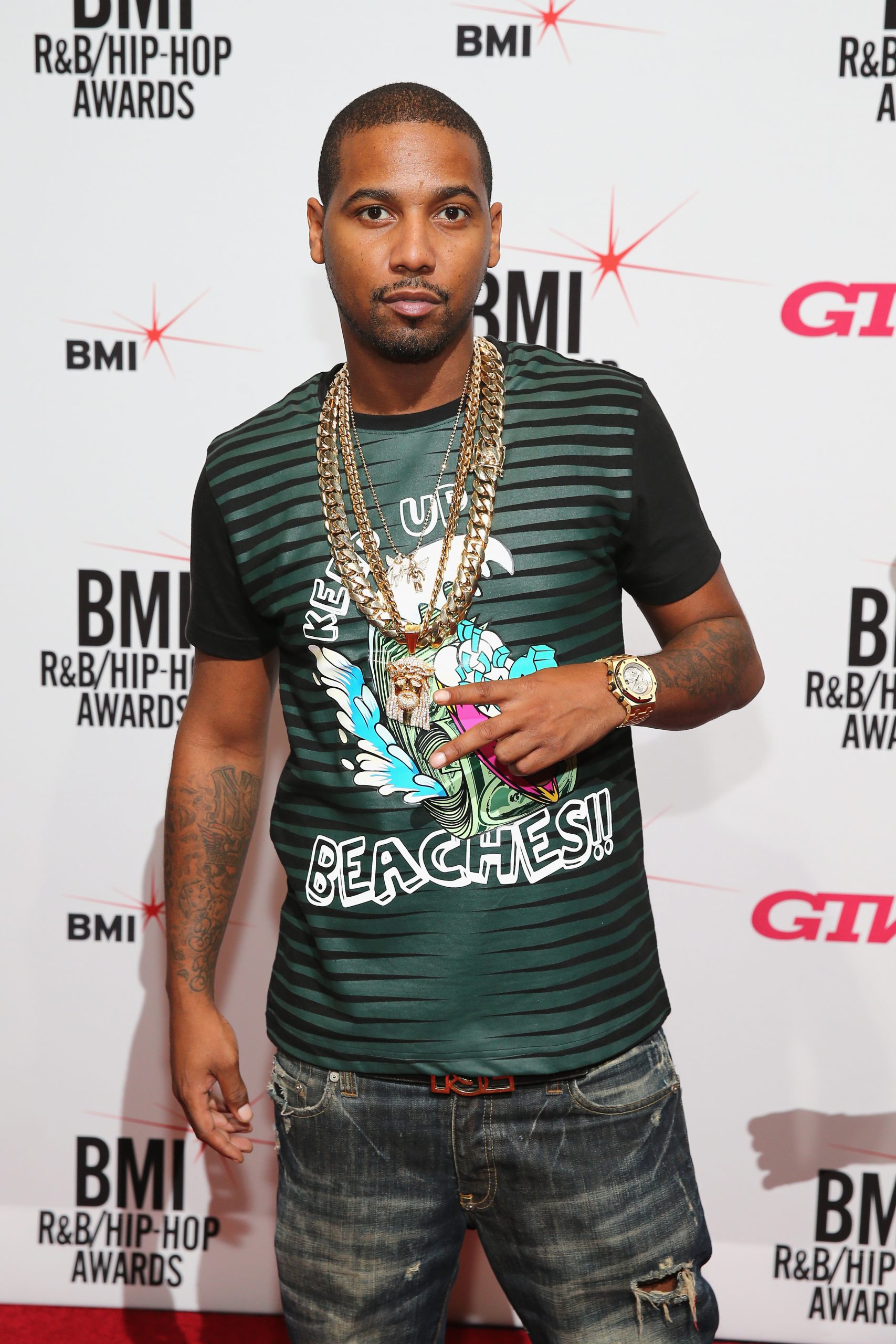
How Much Is Juelz Santana Worth? Net Worth, Financial Trajectory, and Career Earnings
American rapper and Diplomats (Dipset) member Juelz Santana has an estimated net worth of approximately $1 million to $2 million. His financial standing reflects over two decades in the music industry, driven by early 2000s platinum-se...
American rapper and Diplomats (Dipset) member Juelz Santana has an estimated net worth of approximately $1 million to $2 million. His financial standing reflects over two decades in the music industry, driven by early 2000s platinum-selling hits, television appearances on VH1’s Love & Hip Hop: New York, performance tours, apparel lines, and catalog streaming revenues, offset by notable legal fees, tax liens, and real estate foreclosures.
Contents
Juelz Santana Net Worth Summary
Evaluating the net worth of hip-hop veterans requires looking beyond nominal record sales. During the peak of the Dipset era in the early to mid-2000s, Juelz Santana (born LaRon Louis James) enjoyed substantial upfront advances, global touring revenues, and lucrative feature fees. However, like many artists of his generation, subsequent financial strain—stemming from shifting music delivery models, legal battles, prolonged incarceration, and back taxes—impacted his accumulated liquidity.
The following financial profile outlines the primary components shaping his overall valuation:
| Financial Metric | Verified Detail / Estimated Valuation |
|---|---|
| Estimated Net Worth | $1.0 Million – $2.0 Million |
| Primary Revenue Sources | Music Royalties, Live Touring, Television (Love & Hip Hop), Merchandising |
| Peak Career Era | 2002–2008 (Roc-A-Fella / Diplomat Records / Def Jam) |
| Key Music Assets | Solo albums (From Me to U, What the Game's Been Missing!), Dipset Group Catalog |
| Major Financial Impairments | Tax Liens (2010s), NJ Property Foreclosure (2018), Legal Defense Costs |
| Secondary Business Ventures | Skull Gang Brand, Dipset Merchandise, Independent Music Distribution |
Early Career Earnings: The Dipset and Def Jam Peak
Juelz Santana’s core wealth foundation was established during his early career under Harlem hip-hop collective The Diplomats alongside Cam'ron, Jim Jones, and Freekey Zekey. Santana signed with Diplomat Records and Roc-A-Fella Records in his late teens, quickly establishing himself as one of commercial hip-hop's most prominent young voices.
Breakthrough Features and Royalties
Between 2002 and 2003, Santana appeared on two major Billboard hits alongside Cam'ron: "Oh Boy" and "Hey Ma." Both singles achieved massive radio rotation and high physical sales, generating millions for Roc-A-Fella Records. While young artists operating under secondary label deals historically received modest percentages of primary master royalties, the feature appearances positioned Santana for a lucrative solo debut.
Major Label Solo Success
In 2003, Santana released his debut studio album, From Me to U, through Diplomat/Roc-A-Fella/Def Jam. It peaked at number 8 on the Billboard 200. His follow-up in 2005, What the Game's Been Missing!, achieved Gold certification by the Recording Industry Association of America (RIAA), selling over 500,000 units in the United States alone. Powered by hit singles like "There It Go (The Whistle Song)"—which reached number 6 on the Billboard Hot 100—and "Mic Check," this era represented Santana’s peak direct music earnings.
During this period, income streams included:
- Performance Fees: Booking fees for solo club walk-throughs and arena tours ranged from $20,000 to $50,000 per show at his career peak.
- Feature Rates: Guest verses on third-party tracks brought in consistent cash flow, often fetching five-figure payouts per verse.
- Publishing Advances: Music publishing advances from major publishers provided immediate capital, though heavily subject to eventual recoupment against streaming and broadcast mechanicals.
Television Revenue: Love & Hip Hop: New York
As traditional physical music sales declined in the 2010s, reality television emerged as a vital revenue channel for veteran hip-hop figures. Juelz Santana joined the cast of VH1's flagship reality franchise, Love & Hip Hop: New York, appearing alongside his long-time partner (and now wife) Kimbella Vanderhee.
Juelz Santana Primary Income Streams:
- Music Catalog & Streaming: Master/Publishing Royalties
- Television Operations: VH1 Salary & Appearance Fees
- Live Touring & Events: Dipset Reunions & Solo Shows
- Apparel & Direct-to-Fan: Dipset/Skull Gang Merch Sales
Reality television participation provided Santana with three distinct financial advantages:
- Direct Salary: Main cast members on mature seasons of Love & Hip Hop routinely earn between $100,000 and $300,000 per season, depending on narrative focus and screen time. Santana's storyline—covering his personal relationship, music comeback attempt, and legal challenges—made him a central figure in multiple seasons.
- Platform Re-Engagements: The national television exposure amplified his digital streaming numbers on platforms like Spotify and Apple Music, reactivating legacy catalog payouts.
- Promotional Value for Ventures: The show provided free airtime to promote his Skull Gang apparel, independent music releases, and studio operations without traditional advertising costs.
Financial Liabilities, Tax Liens, and Legal Expenses
To accurately contextualize Santana's net worth, one must account for substantial financial liabilities accrued over the past decade and a half. Public court documents and public records highlight several major events that reduced his net liquid assets.
Federal and State Tax Liens
In common with many high-earning recording artists whose early income was received as gross payments without upfront withholding, Santana faced significant back-tax liabilities. State and federal tax authorities filed tax liens against his earnings during the 2010s, alleging unpaid taxes running into hundreds of thousands of dollars. Resolving these tax obligations required dedicated repayment plans and garnishments from royalty distribution accounts.
Real Estate Foreclosure
In 2018, Santana's residential property in Teaneck, New Jersey—a condominium acquired during his peak earning years—entered formal foreclosure proceedings. The lender instituted foreclosure action after long periods of missed mortgage payments, culminating in a court-ordered auction of the property. This lost asset represented a substantial reduction in his personal illiquid wealth.
Legal Expenses and Incarceration
In March 2018, Santana was arrested at Newark Liberty International Airport after TSA agents discovered a loaded .38-caliber handgun and unprescribed pain medication in his luggage. He subsequently pleaded guilty to federal weapons and drug charges.
The financial fallout was severe:
- Legal Representation: Retaining premier criminal defense legal counsel for federal court trials typically requires six-figure retainer fees.
- Lost Booking Revenue: Santana was sentenced to 27 months in federal prison, serving time from March 2019 until his early release in August 2020. This 17-month physical incarceration completely halted live tour income, personal appearances, and television filming.
- Fines and Restitution: Federal sentencing included mandatory court fines, probation supervision fees, and ongoing legal compliance costs.
Post-Prison Financial Recovery and Modern Catalog Value
Following his release from federal custody in August 2020, Santana focused on restoring his financial footing through independent distribution, business partnerships, and live performance reunions.
The Dipset vs. The Lox Verzuz Boost
In August 2021, The Diplomats faced off against Yonkers group The Lox in a highly publicized Verzuz battle at Madison Square Garden’s Hulu Theater. The event generated record-breaking viewership across social media platforms and Triller.
The financial impact for Santana and Dipset was immediate:
- Streaming Spikes: Data from music analytics platforms indicated catalog streaming surges exceeding 200% across classic Dipset tracks in the weeks following the event.
- Touring Demand: The renewed public interest enabled Dipset to command elevated booking fees for reunion concerts and festival appearances nationwide.
- Merchandise Revenue: Direct-to-consumer merchandise sales surged via official web stores, bypassing traditional retail intermediaries for high profit margins.
Independent Releases and Production Ownership
Recognizing the economic limitations of legacy record deals, Santana shifted toward independent music distribution. By utilizing platforms like DistroKid and UnitedMasters, independent artists retain up to 100% of their master rights and streaming revenues. Santana established his studio facilities and independent infrastructure to produce new solo tracks, collaborative tapes, and digital content with lower overhead costs and immediate cash flow.
Asset Breakdown and Revenue Streams
While exact figures remain private, financial estimates synthesized from music royalty calculators, television industry standards, and public records outline the structure of Santana's asset portfolio:
Estimated Wealth Allocation:
- Music Publishing & Streaming Catalog: ~45%
- Intellectual Property & Brands: ~25%
- Media Contracts & Touring Cash Flow: ~20%
- Tangible Personal Property & Vehicles: ~10%
1. Catalog Master and Publishing Rights
Santana retains partial rights to his extensive discography. While major record labels (Def Jam/Universal Music Group) own master recordings from his mid-2000s commercial studio albums, publishing rights—the underlying song compositions—generate ongoing mechanical, performance, and synchronization royalties whenever his music is streamed, broadcast on radio, or featured in television programs.
2. Digital Merchandising and Branding
The Diplomats brand remains one of hip-hop's most resilient streetwear assets. Through joint apparel lines, Skull Gang apparel, and limited-edition physical merchandise, Santana earns steady passive income. Direct-to-consumer margins on apparel often reach 50% to 70%, making streetwear sales an essential cash-flow generator.
3. Live Performances and Guest Appearances
In the current music economy, live performances represent the most reliable source of immediate liquidity. Santana maintains a steady booking schedule for hip-hop nostalgia tours, venue walk-throughs, and festival sets, earning estimated fees between $10,000 and $25,000 per individual appearance.
Frequently Asked Questions
What is Juelz Santana's net worth?
Juelz Santana's net worth is estimated to be between $1 million and $2 million. This figure factors in his music catalog royalties, reality television earnings, and business ventures, minus past legal liabilities and tax obligations.
How much did Juelz Santana make from Love & Hip Hop?
While exact contract figures are non-public, main cast members of Love & Hip Hop: New York with established celebrity profiles typically earn between $100,000 and $300,000 per season. Santana appeared across multiple seasons, providing a steady baseline income.
Did Juelz Santana lose his New Jersey house?
Yes. In 2018, Santana lost his Teaneck, New Jersey condominium to foreclosure proceedings following extended periods of default on mortgage payments, resulting in a public auction of the property.
How did prison time affect his net worth?
Santana's 17-month federal imprisonment between 2019 and 2020 significantly disrupted his income. It halted his live touring capabilities, prevented television filming, and incurred substantial legal defense fees, temporarily freezing his cash flow.
Does Juelz Santana own his music masters?
Def Jam and Universal Music Group own the majority of master recordings for his early commercial solo albums. However, Santana retains writer and publishing credits on his compositions, and his post-2020 independent music is released under self-owned distribution models where he retains master ownership.
Key Takeaways for Assessing Celebrity Financials
Evaluating hip-hop net worth requires balancing gross historical earnings against long-term operational liabilities:
- Gross Income vs. Net Wealth: High upfront advances and hit singles in the 2000s do not automatically translate to liquid wealth decades later due to label recoupment structures and personal overhead.
- The Impact of Legal Expenses: Regulatory, criminal defense, and tax disputes represent major wealth destroyers for entertainment figures.
- Diversified Modern Revenues: Contemporary artists stabilize their finances by leveraging legacy catalog streams into live performance opportunities, direct-to-consumer apparel sales, and reality television platforms.
Disclaimer: Net worth estimates are derived from public record filings, music industry benchmark models, media contract disclosures, and financial reporting. These figures represent analytical estimates rather than certified balance sheets.
EDITORIAL CATEGORY METADATA:
Image Gallery