Understanding Crisis Support and Comprehensive Mental Health Resources in 2026
If you or someone you know is experiencing overwhelming distress or thoughts of self-harm, please know that confidential, free, and immediate support is available 24/7. You can connect with compassionate professionals by calling or tex...
If you or someone you know is experiencing overwhelming distress or thoughts of self-harm, please know that confidential, free, and immediate support is available 24/7. You can connect with compassionate professionals by calling or texting 988 in the United States and Canada, or by reaching out to local emergency services to receive immediate crisis intervention.
Contents
Navigating intense emotional pain and severe mental health crises requires immediate, compassionate, and evidence-based clinical intervention rather than unverified solutions. When individuals search for ways to end their lives, they are almost universally experiencing acute psychological distress, clinical depression, trauma, or existential crises where emotional pain has temporarily eclipsed coping resources. Modern psychiatric care and crisis management protocols focus on immediate stabilization, safety planning, and connecting individuals with professional resources designed to alleviate psychological suffering safely and effectively.
The Neurobiology of Severe Psychological Distress
Severe emotional pain operates on neurobiological and psychological levels that can temporarily impair executive functioning and decision-making capabilities. Understanding how the brain responds to extreme stress helps clarify why professional interventions are critical during moments of acute crisis.
- Amygdala Hyperactivity: The brain's threat-detection center becomes hyperactive, triggering a fight-or-flight response that distorts perspective and magnifies feelings of helplessness or entrapment.
- Prefrontal Cortex Impairment: High-stress states reduce blood flow and optimal functioning in the prefrontal cortex, the region responsible for long-term planning, emotional regulation, and rational problem-solving.
- Neurotransmitter Dysregulation: Imbalances in serotonin, norepinephrine, and dopamine can significantly amplify feelings of despair, anxiety, and anhedonia (the inability to experience pleasure).
When these biological factors converge, the mind may temporarily present self-harm or suicide as the only available escape from unbearable suffering. However, because these states are acute and temporary, targeted psychiatric care, therapeutic stabilization, and pharmacological interventions can successfully restore emotional regulation and clarity.
Immediate Crisis Intervention Resources and Protocols
When an individual reaches a breaking point, knowing exactly how to access professional intervention can save a life. Modern mental health infrastructure provides multiple secure, confidential, and professional pathways for immediate help.
| Service Name | Contact Method | Availability | Primary Function |
|---|---|---|---|
| 988 Suicide & Crisis Lifeline | Call or Text 988 | 24/7 / 365 Days | Immediate, confidential support for people in distress or crisis. |
| Crisis Text Line | Text HOME to 741741 | 24/7 / 365 Days | Free, text-based crisis counseling with trained specialists. |
| Veterans Crisis Line | Dial 988, then press 1 | 24/7 / 365 Days | Specialized support tailored for military veterans and their families. |
| The Trevor Project | Call 1-866-488-7386 or Text START to 678-678 | 24/7 / 365 Days | Crisis intervention services specifically for LGBTQ+ young people. |
| Emergency Services | Call 911 (US/Canada) or Local Emergency Number | 24/7 / 365 Days | Immediate physical rescue, medical stabilization, and transport. |
Evidence-Based Treatments for Managing Severe Depression and Suicidal Ideation
Clinical science has developed highly effective psychotherapeutic and medical treatments designed to alleviate deep emotional pain and re-establish a stable, meaningful life. These interventions target the root causes of distress rather than temporary symptoms.
Cognitive Behavioral Therapy for Suicide Prevention (CBT-SP): CBT-SP is a specialized therapeutic framework specifically designed for individuals with suicidal thoughts. It helps patients identify triggers, reframe cognitive distortions, develop robust coping mechanisms, and construct a detailed, personalized crisis response plan.
Medical management often includes modern pharmacological treatments, such as rapid-acting interventions for severe depression, administered under the direct supervision of licensed psychiatrists. Furthermore, intensive outpatient programs (IOPs) and partial hospitalization programs (PHPs) provide structured therapeutic environments for individuals needing higher levels of clinical support without full inpatient hospitalization.
Building a Personalized Safety Plan
A safety plan is a prioritized written list of coping strategies and sources of support that individuals can use during times of severe emotional crisis. Constructing this plan when stable ensures clear guidance when distress peaks.
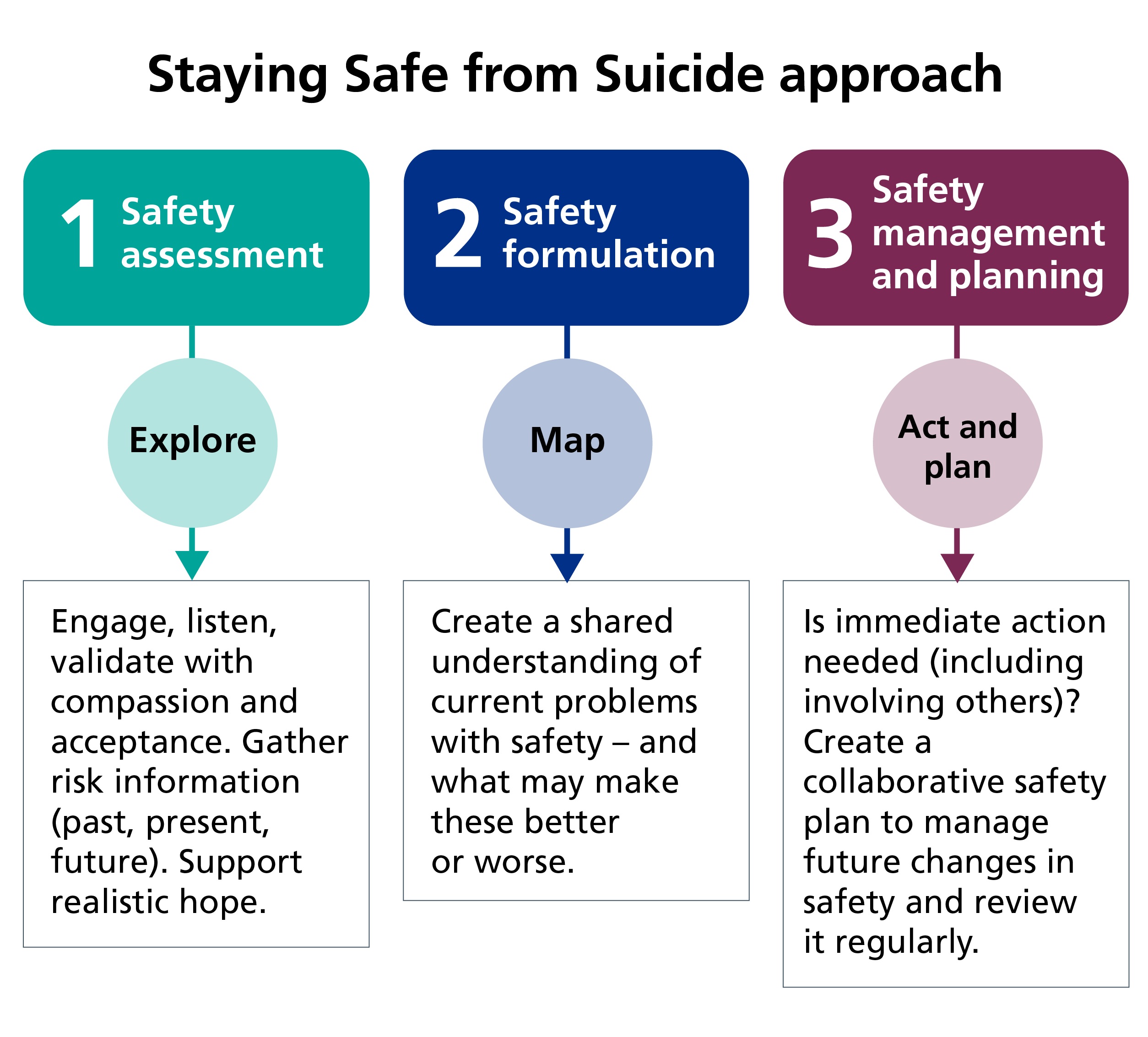
- Identify Warning Signs: Recognize the specific thoughts, images, moods, or behaviors that indicate a crisis is developing.
- Employ Internal Coping Strategies: List simple activities that do not require assistance, such as deep breathing exercises, listening to grounding music, or taking a walk.
- Reach Out to Social Contacts: Identify friends or family members who can provide a safe distraction or a listening ear without judgment.
- Contact Professionals: Keep the numbers for therapists, psychiatrists, and crisis hotlines easily accessible on your mobile device or printed out.
- Secure the Environment: Temporarily remove access to potential means of self-harm with the trusted assistance of family members or friends.
Frequently Asked Questions
What should I do if I am currently having thoughts of ending my life?
If you are having thoughts of suicide, reach out immediately by calling or texting 988 to connect with a trained crisis counselor who can support you through the moment. You can also reach out to a trusted family member, mental health professional, or local emergency room.
Are feelings of intense suicidal ideation permanent?
No, suicidal ideation is almost always acute, temporary, and treatable. With appropriate psychological support, medical intervention, and coping strategies, the intensity of emotional pain decreases, and individuals recover a sense of hope and well-being.
How can I support a loved one who is struggling with severe depression?
Listen openly and without judgment, take any expression of suicidal intent seriously, and help them connect directly with professional crisis resources or mental health clinicians. Avoid leaving them alone if they are in immediate danger and help secure any potentially harmful items in the environment.
What is the difference between the 988 Lifeline and 911?
The 988 Lifeline provides specialized, confidential mental health counseling and crisis support via phone or text with trained behavioral health specialists. 911 is designated for general medical, fire, and police emergencies where immediate physical rescue or acute medical intervention is required.
Can therapy actually help resolve chronic suicidal thoughts?
Yes, specialized psychotherapies like Dialectical Behavior Therapy (DBT) and Cognitive Behavioral Therapy (CBT) have high clinical success rates in helping individuals manage emotional regulation and eliminate chronic suicidal ideation over time.
Moving Forward and Accessing Help
Choosing to seek help is a courageous and vital first step toward reclaiming your life and well-being. Professional mental health experts are standing by around the clock to listen, support, and guide you through difficult moments without judgment. Please reach out to 988 or a trusted healthcare professional today to start your path toward healing.
Image Gallery