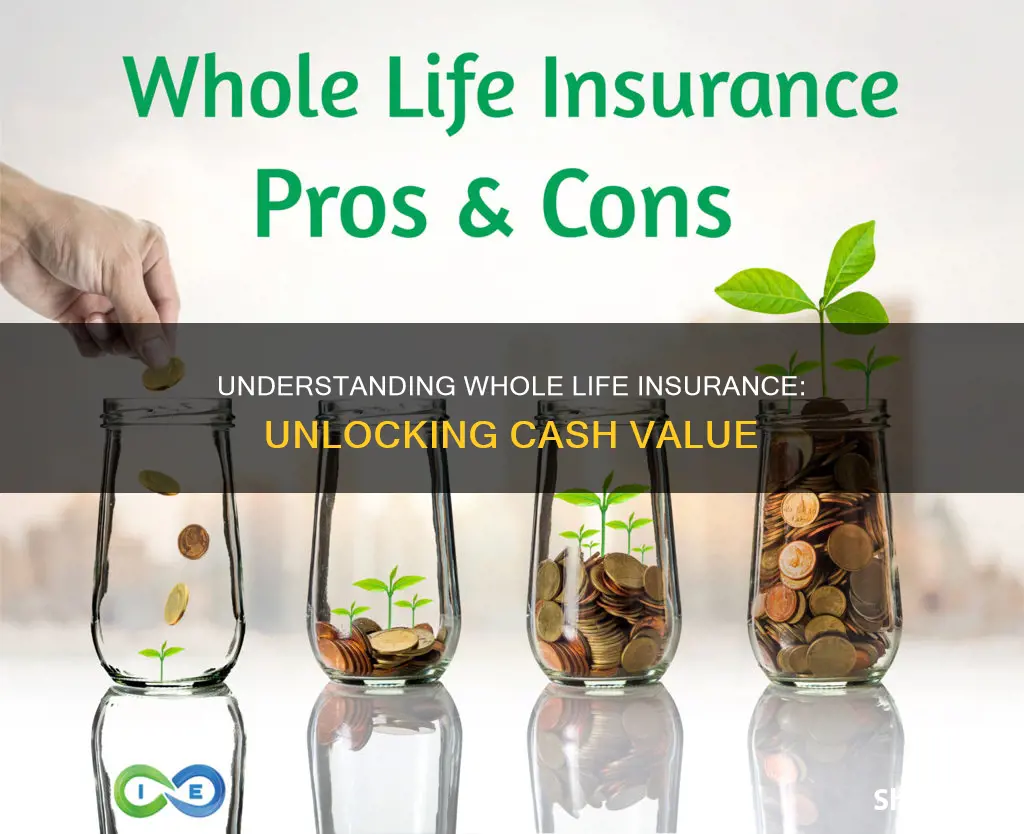
Understanding the Fundamental Difference Between Whole Life and Term Insurance: The Role of Cash Value
The fundamental difference between whole life and term insurance is cash value, a living benefit inherent to permanent policies but absent in term coverage. While term insurance serves as a temporary, pure death benefit contract design...
The fundamental difference between whole life and term insurance is cash value, a living benefit inherent to permanent policies but absent in term coverage. While term insurance serves as a temporary, pure death benefit contract designed for specific protection horizons, whole life insurance integrates a savings and investment component that accumulates tax-deferred value over time.
Contents
The Mechanism of Term Life Insurance
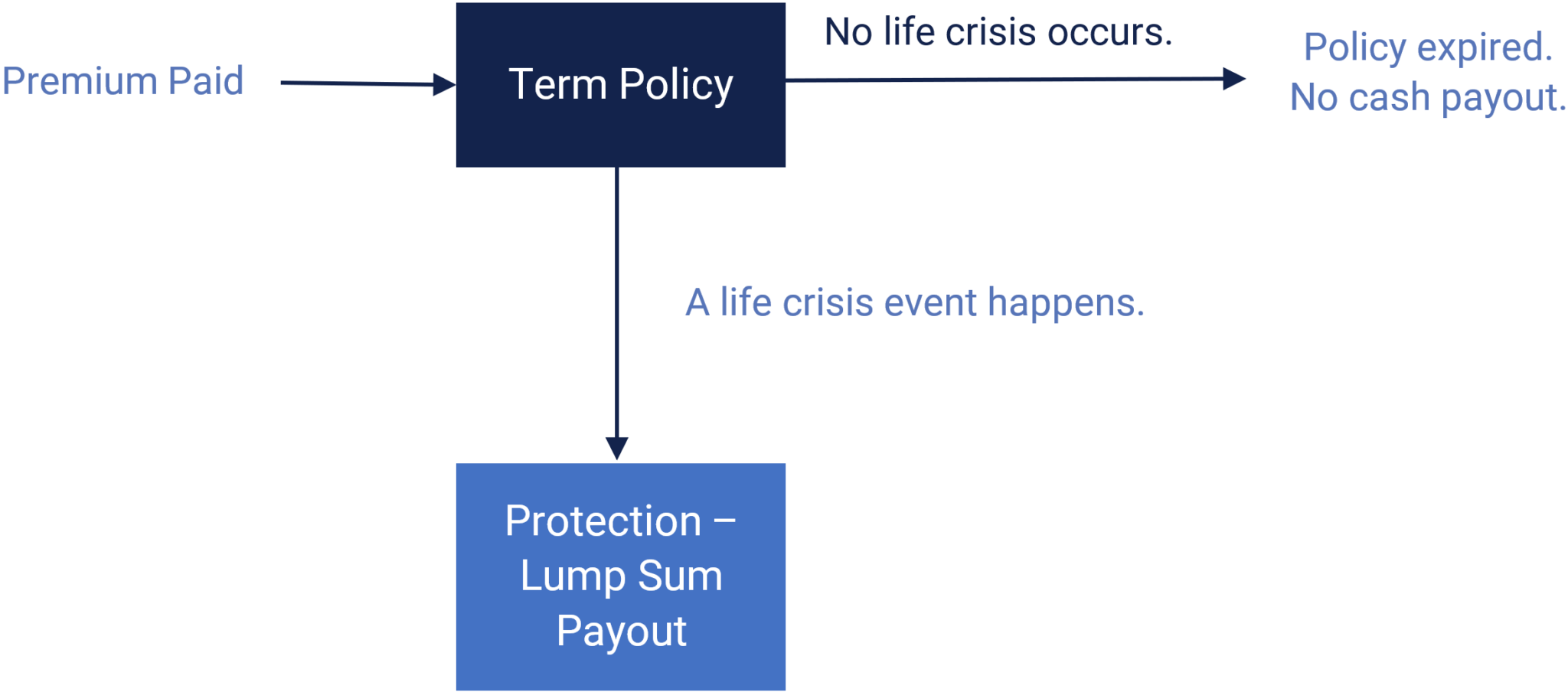
Term life insurance is often described as "pure" insurance because its sole objective is to provide a death benefit to beneficiaries if the insured passes away within a predetermined term—typically 10, 20, or 30 years. It operates much like auto or homeowners insurance: you pay a premium for a specific period of protection. If the term expires and you are still living, the policy terminates, and no money is returned to the policyholder.
Because term insurance does not include an investment component or cash value accumulation, it is significantly more affordable in the initial years. It is designed to cover specific financial obligations that have a finite end date, such as a 30-year mortgage, children's education costs, or income replacement during prime earning years.
The Mechanism of Whole Life Insurance
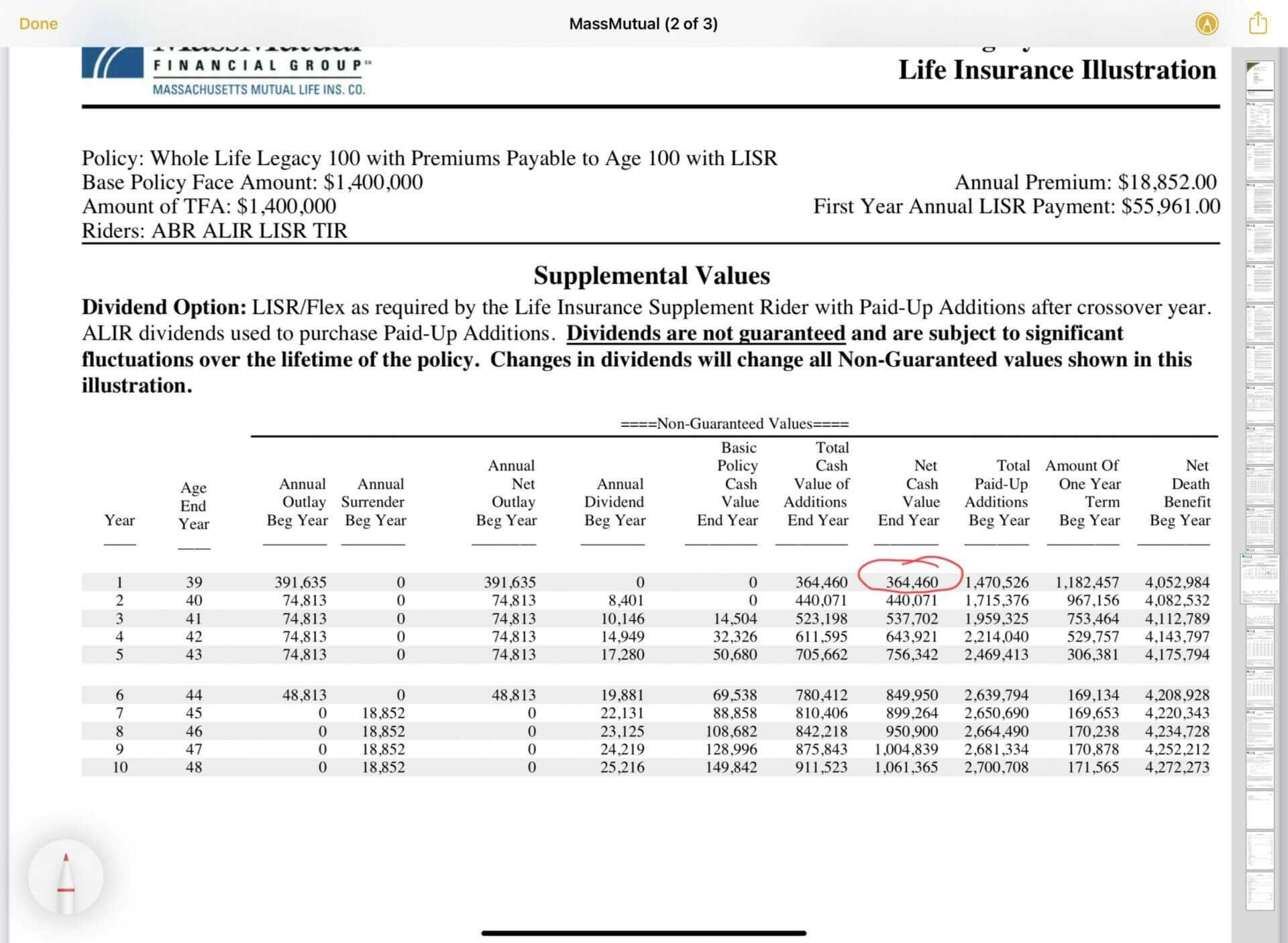
Whole life insurance is a type of permanent life insurance that remains in effect for the insured’s entire life, provided the premiums are paid. The primary structural difference is the inclusion of a cash value account. When you pay your premiums, a portion covers the insurance company's administrative costs and the cost of the death benefit, while the remainder is directed into a cash value account.
This cash value grows over time, typically at a rate determined by the insurer. Because it is a permanent policy, the premiums are generally level, meaning they do not increase as you age. This stability is made possible by the insurer "overcharging" during the early years to build a reserve, which funds the increasing cost of insurance as the policyholder enters their later years.
Defining Cash Value and Its Utility
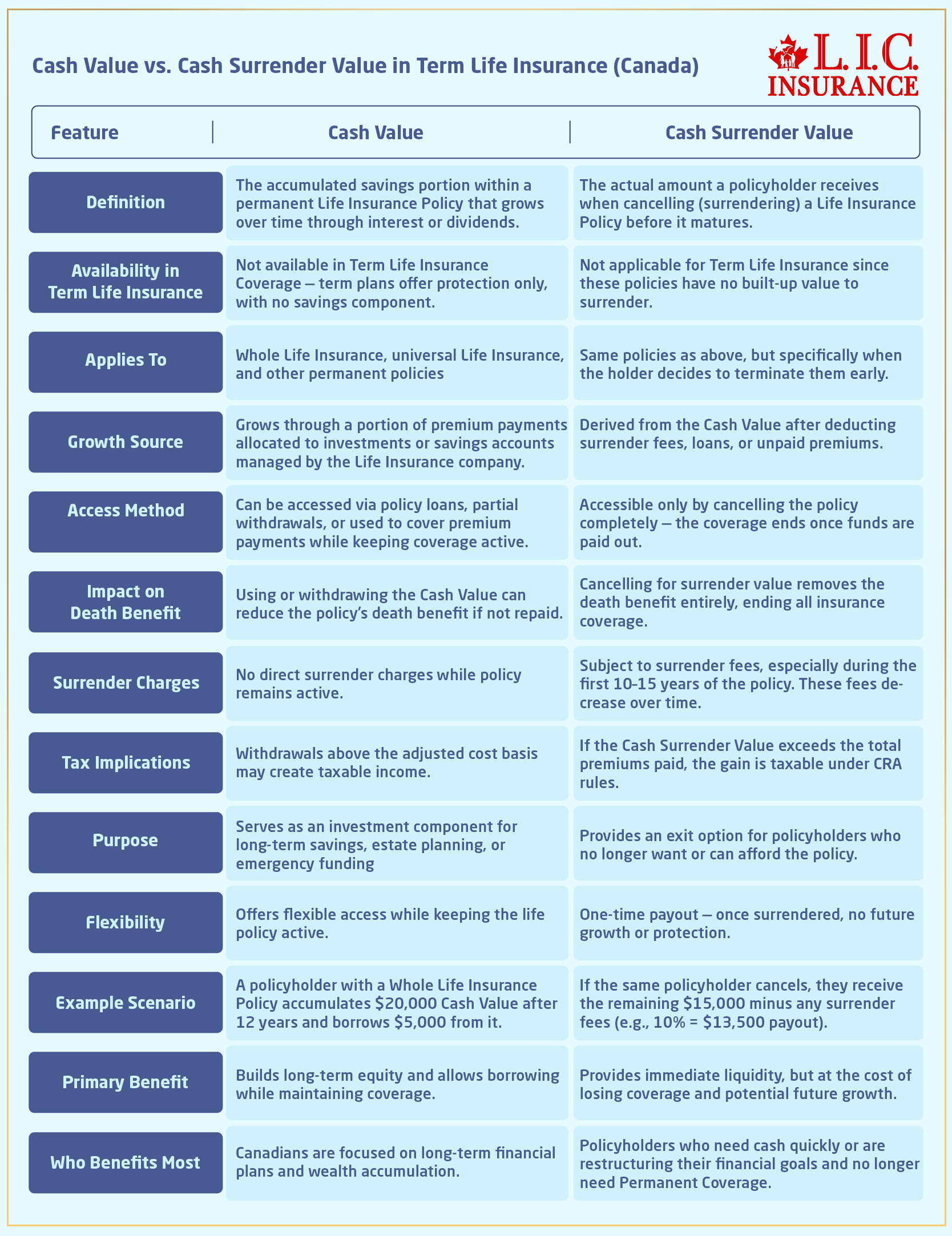
Cash value is the portion of a permanent life insurance policy that acts as a financial asset. It is not an "extra" fee, but rather a contractual provision that allows the policyholder to access funds while they are still alive.
There are three primary ways to utilize cash value:
- Policy Loans: You can borrow against the cash value of your policy. These loans often carry favorable interest rates compared to traditional bank loans and do not require a credit check. Crucially, if you pass away before the loan is repaid, the outstanding balance is simply deducted from the death benefit paid to your beneficiaries.
- Withdrawals: Depending on the specific policy terms, you may be able to withdraw a portion of the cash value. However, withdrawing too much can reduce the death benefit or potentially cause the policy to lapse if the remaining cash value is insufficient to cover policy costs.
- Premium Payments: Some policyholders use accumulated cash value to pay for their premiums, allowing the policy to effectively "self-fund" in later years.
Comparison Table: Term vs. Whole Life Insurance
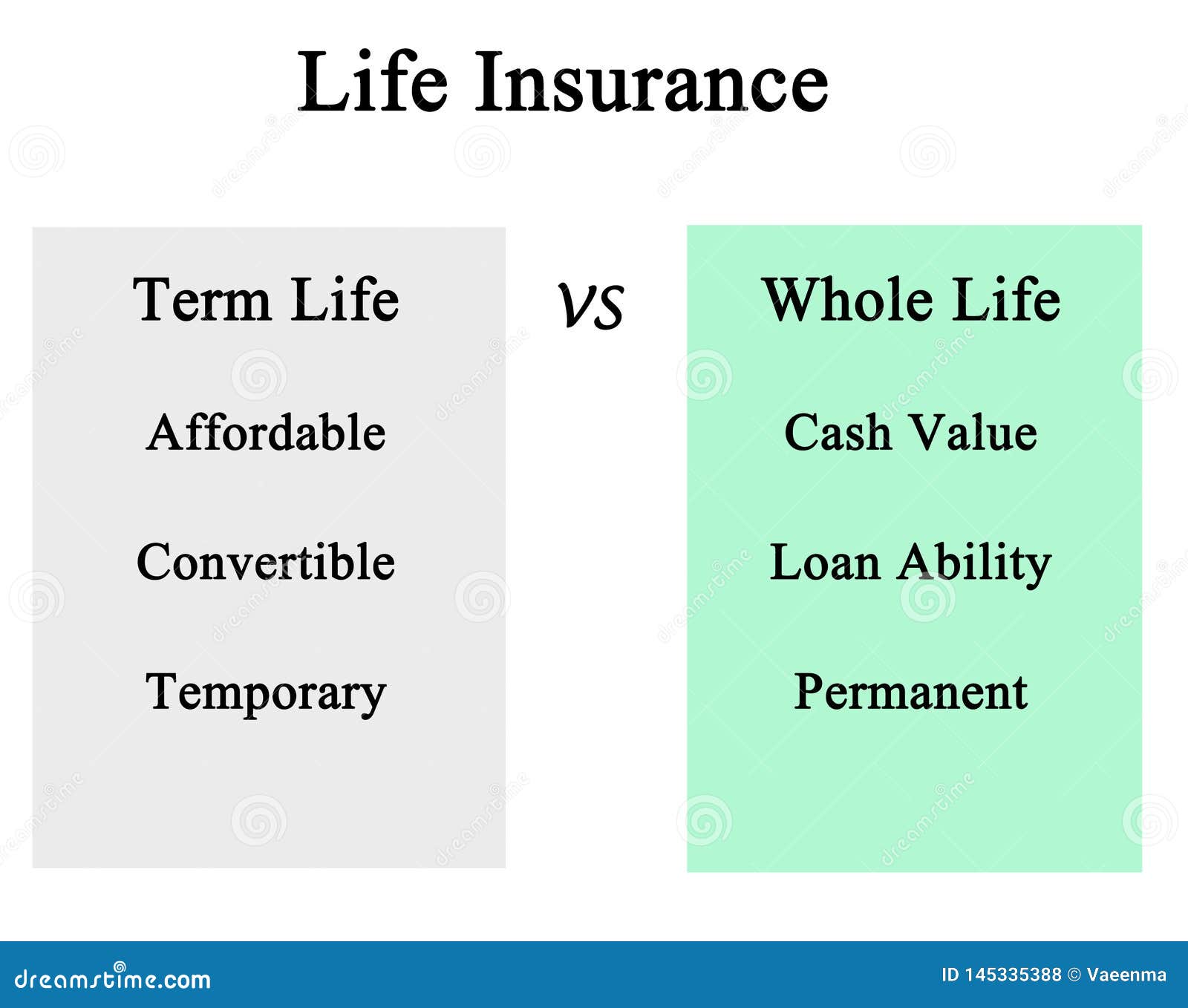
| Feature | Term Life Insurance | Whole Life Insurance |
|---|---|---|
| Duration | Fixed (10–30 years) | Lifetime (until death) |
| Cash Value | None | Yes, accumulates over time |
| Premiums | Lower, fixed for term | Higher, level for life |
| Primary Intent | Temporary income replacement | Lifetime coverage & legacy/asset |
| Loan Access | Not applicable | Available via cash value |
| Complexity | Simple structure | Complex, requires management |
When to Choose Term Insurance
Term insurance is most suitable for individuals with a limited budget who need high levels of coverage during their most vulnerable financial years. If your goal is to ensure that a spouse can pay off a mortgage or that children have enough money to complete their education if you pass away prematurely, term insurance is the most cost-effective tool. It provides maximum coverage for every dollar of premium spent, making it the preferred choice for those focusing on pure protection rather than wealth accumulation.
When to Choose Whole Life Insurance
Whole life insurance is generally suited for individuals who have already maxed out other tax-advantaged retirement accounts (like 401(k)s or IRAs) and are looking for additional ways to build cash assets. Because the cash value grows on a tax-deferred basis, it can serve as a conservative long-term asset. Furthermore, it is often utilized in estate planning to provide liquidity for heirs to pay estate taxes or to provide a guaranteed death benefit that is not subject to market fluctuations.
Potential Risks and Limitations
While the cash value in a whole life policy provides a sense of security, it is important to be aware of the trade-offs:
- Cost: Whole life premiums are substantially higher than term premiums for the same death benefit amount. If a policyholder stops paying premiums, the policy may lapse, potentially resulting in a loss of both coverage and accumulated cash value.
- Underperformance: Compared to diversified investment portfolios, the cash value in a whole life policy may grow at a slower rate. It is intended to be a conservative, stable asset rather than a high-growth investment vehicle.
- Fees: Permanent policies often carry high administrative and surrender charges, especially in the first few years of the policy. If you cancel the policy prematurely, you may receive very little or nothing back.
Frequently Asked Questions
1. Does the cash value in whole life insurance belong to the beneficiary? No. Generally, when you die, the insurance company pays out the death benefit to the beneficiary. The accumulated cash value is typically retained by the insurance company. This is why some advisors emphasize that you are paying for the death benefit, and the cash value is a feature of the premium structure rather than an inheritance fund.
2. Is the cash value taxable? The growth of cash value within a policy is tax-deferred. You generally do not pay taxes on the growth unless you surrender the policy for more than you paid in premiums (the "basis"). Policy loans are also typically tax-free, provided the policy remains in force.
3. Can I convert a term policy to a whole life policy? Many term policies include a "conversion rider" that allows you to swap your term coverage for a permanent policy without undergoing a new medical exam. This can be a strategic move if your health status has changed, though the premiums for the new permanent policy will be based on your age at the time of conversion.
4. What happens if I stop paying premiums on a whole life policy? Depending on the policy, if you have accumulated sufficient cash value, you may be able to use the "non-forfeiture" options. These options allow you to use your cash value to keep the policy in force at a reduced death benefit or to convert the policy into "paid-up" insurance, meaning you stop paying premiums but retain a smaller death benefit.
Final Recommendation
The decision between term and whole life insurance hinges on your long-term financial objectives. If you seek affordable, temporary coverage for specific financial obligations, term life insurance is the standard choice. If you seek a permanent death benefit coupled with a conservative, tax-deferred cash component to assist with estate planning or supplemental savings, explore whole life options. Always consult with a licensed financial advisor to assess how these products align with your specific tax bracket, debt load, and long-term legacy goals before committing to a permanent contract.
Image Gallery