Understanding the Progressive Auto Insurance Collision Deductible: A Comprehensive Guide for 2026
A Progressive collision deductible is the specific amount you agree to pay out-of-pocket for vehicle repairs before your insurance coverage settles a claim following an accident. Selecting a higher deductible reduces your monthly premi...
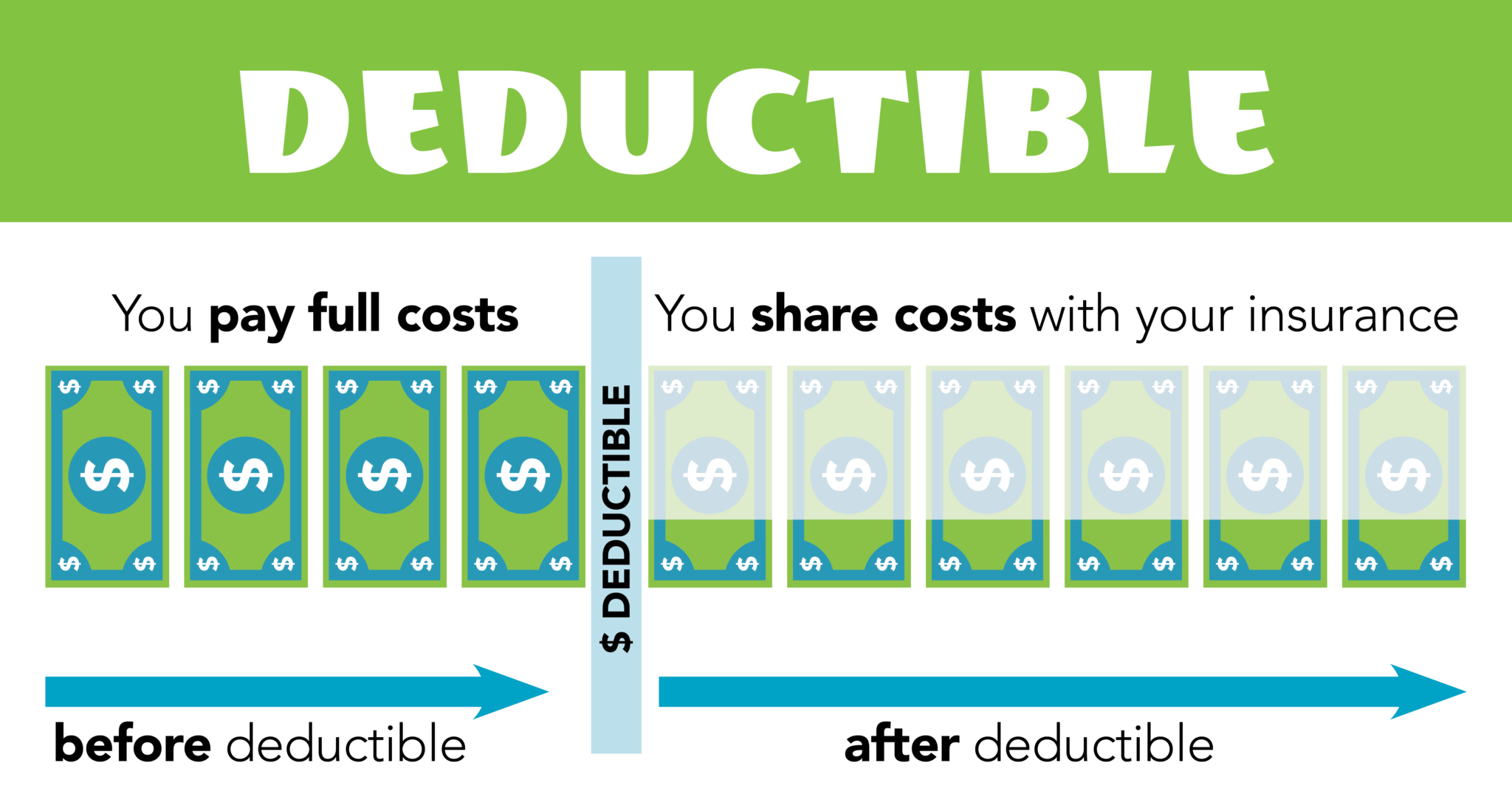
A Progressive collision deductible is the specific amount you agree to pay out-of-pocket for vehicle repairs before your insurance coverage settles a claim following an accident. Selecting a higher deductible reduces your monthly premium, while a lower deductible increases your premium but minimizes your financial burden during a covered loss.
Contents
Collision coverage is a cornerstone of a standard auto insurance policy, particularly for vehicles that are leased, financed, or carry significant resale value. As we move through 2026, the cost of automotive repairs continues to rise due to the integration of complex Advanced Driver Assistance Systems (ADAS), such as LiDAR and ultrasonic sensors, which are often housed in bumpers and windshields. Consequently, understanding how your Progressive collision deductible functions is more critical now than ever for maintaining financial stability.
What is Collision Coverage and Why Does the Deductible Matter?
In the ecosystem of Progressive’s insurance products, collision coverage specifically addresses damage to your vehicle resulting from a crash. This includes hitting another car, colliding with a stationary object like a fence or guardrail, or a single-vehicle rollover. It is distinct from comprehensive coverage, which handles "acts of God" like hail, theft, or hitting an animal.
The deductible is the "skin in the game" for the policyholder. It serves two primary purposes for the insurer. First, it discourages small, frivolous claims that would cost more in administrative fees than the actual repair. Second, it allows the policyholder to customize their level of risk. In 2026, with the average car repair bill often exceeding $4,000 for even moderate front-end damage, the choice between a $500 and a $1,000 deductible can significantly impact your emergency savings.
When you select a Progressive policy, you typically choose from standard deductible increments: $100, $250, $500, $1,000, or sometimes as high as $2,000. The lower the number, the more Progressive pays in the event of an accident, which is why your "base rate" or monthly premium will be higher with a low deductible.
How Progressive’s Collision Deductible Works in a Real-World Claim
To understand the mechanics of the deductible, consider a scenario where you accidentally back into a concrete pillar in a parking garage. The body shop provides an estimate of $3,500 to replace the rear bumper and recalibrate the integrated backup sensors.
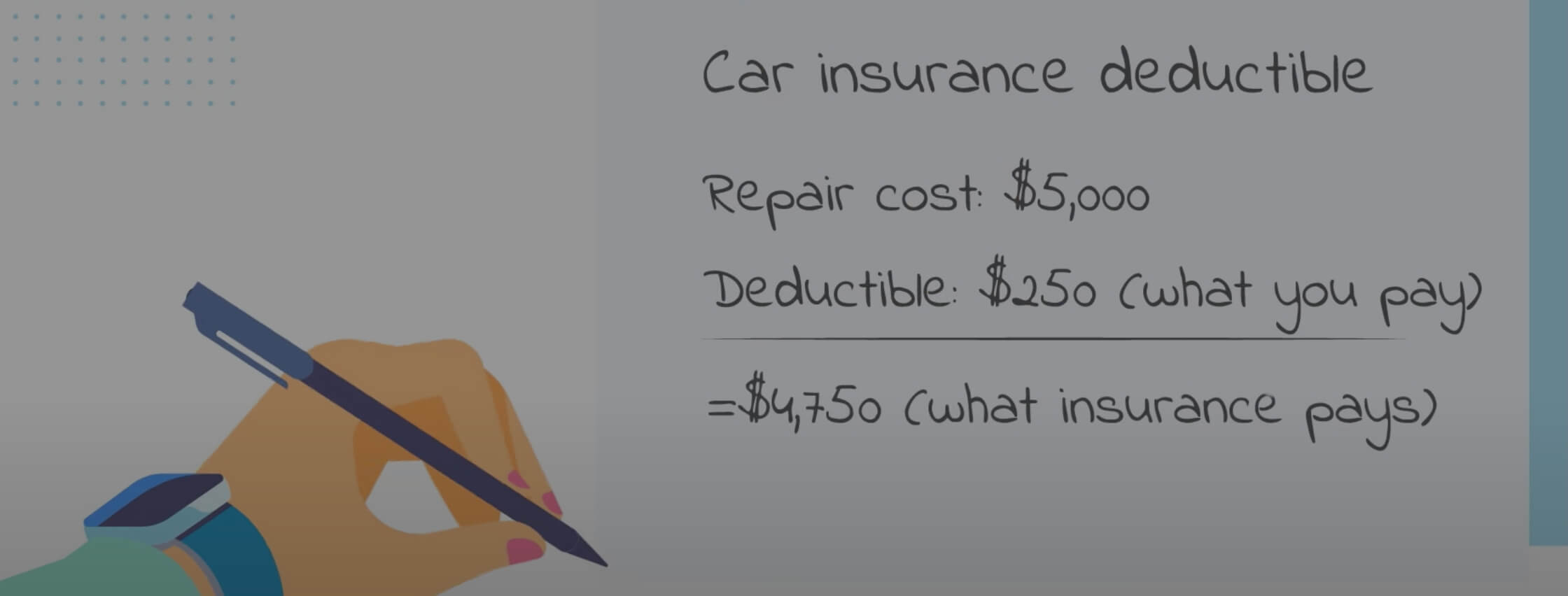
If you have a $500 collision deductible, Progressive will issue a payment for $3,000 ($3,500 total damage minus your $500 share). You are responsible for paying the $500 directly to the repair facility. If the damage was only $450, Progressive would pay nothing, as the cost does not exceed your deductible.
It is a common misconception that you pay the deductible to Progressive. In reality, the deductible is simply withheld from the claim payout. If Progressive writes a check to you or the body shop, they subtract your deductible from that total. This ensures that the insurance company is only covering the portion of the risk that exceeds your agreed-upon contribution.
The Role of Subrogation and Deductible Recovery
A unique aspect of the collision deductible occurs when you are involved in an accident where another driver is at fault. If you have collision coverage, you can choose to file the claim through Progressive rather than waiting for the other driver's insurance to admit liability. In this case, you must pay your deductible upfront to get your car fixed quickly.
Once the repairs are done, Progressive will pursue the at-fault driver’s insurance company through a process called subrogation. If Progressive is successful in recovering the funds for the accident, they will refund your deductible to you. In 2026, many of these processes are automated through inter-company digital platforms, though the recovery can still take several weeks or months.
Progressive’s Unique Feature: The Deductible Savings Bank
One of the most notable features offered by Progressive is the Deductible Savings Bank. This is an optional coverage add-on designed to reward safe driving habits over time. It functions as a "vanishing deductible" program that can eventually reduce your out-of-pocket collision or comprehensive costs to zero.
How the Savings Accumulate
For every six-month policy period you complete without a claim or a moving violation, Progressive "deposits" $50 into your Deductible Savings Bank. This doesn't mean you receive cash back; instead, it means your chosen deductible is reduced by $50 for your next claim.
For example, if you start with a $500 deductible and go two years (four policy periods) without an accident, your effective deductible becomes $300. If you eventually have an accident, you only pay $300, and Progressive covers the rest. After a claim is made, the bank usually resets, and you begin the process of earning the reduction again.
This feature is particularly valuable for long-term Progressive customers who want the lower premiums associated with a high deductible but hope to mitigate the risk of a high out-of-pocket expense through consistent safe driving.
Choosing the Right Deductible Amount in 2026
Deciding on a deductible is a balancing act between your monthly budget and your liquid savings. As vehicle technology has advanced, the "cost of entry" for repairs has shifted. In previous decades, a $250 deductible was the industry standard. Today, many financial advisors suggest a $500 or $1,000 deductible as the baseline.
Factors to Consider:
- Emergency Fund Availability: Do you have $1,000 readily available in a savings account? If an accident happens tomorrow, a high deductible could cause a financial crisis if you are living paycheck to paycheck.
- Vehicle Value: If you are driving an older vehicle worth only $3,000, having a $1,000 deductible might not make sense. Once the deductible approaches the actual cash value of the car, the utility of collision coverage diminishes.
- Lienholder Requirements: If you are financing your vehicle, your bank or leasing company likely mandates a maximum deductible (often $500 or $1,000). You should verify your loan agreement before attempting to raise your deductible to save on premiums.
- Premium Savings vs. Risk: Use Progressive’s "Name Your Price" tool or their online quoting system to see the exact price difference. If raising your deductible from $500 to $1,000 only saves you $10 a month, it would take over four years of accident-free driving to "break even" on that extra $500 risk.
Deductible Comparison Table
| Deductible Amount | Impact on Monthly Premium | Out-of-Pocket Risk | Best Suited For |
|---|---|---|---|
| $100 - $250 | Highest | Minimal | Drivers with low cash reserves; High-value luxury vehicles. |
| $500 | Moderate | Balanced | Standard for most financed vehicles; Most common choice. |
| $1,000 | Lower | Significant | Drivers with healthy emergency funds; Safe drivers seeking savings. |
| $2,000+ | Lowest | High | High-net-worth individuals; Vehicles with very low usage. |
The Claims Process: Paying Your Deductible with Progressive
In 2026, Progressive has streamlined the collision claim process through their mobile app and the use of AI-assisted photo estimates. If you find yourself in a collision, the following steps generally apply regarding your deductible:
- File the Claim: Use the Progressive app to upload photos of the damage. You will be asked to confirm your deductible at this stage.
- The Estimate: A Progressive adjuster (or an AI tool) will estimate the total cost of repairs.
- Direct Pay or Check: Progressive often uses "Direct Pay" for their network of Network Repair Shops. In this case, Progressive pays the shop directly for the repair cost minus your deductible.
- Final Payment: When you pick up your vehicle from the shop, you pay your deductible directly to the mechanic or shop owner. Most shops in 2026 accept credit cards, mobile wallets, or digital transfers.
If your vehicle is declared a Total Loss (the repair costs exceed a certain percentage of the car's value), Progressive does not collect a deductible check from you. Instead, they calculate the Actual Cash Value (ACV) of your car and subtract the deductible from the final settlement check they send to you or your lienholder.
Common Mistakes and Misunderstandings
One frequent error policyholders make is assuming that the deductible applies per year. In reality, the deductible applies to each individual claim. If you have two separate accidents in the same month, you must pay your deductible twice.
Another mistake is failing to update the deductible as the car ages. A $500 deductible might have been perfect for a brand-new car in 2021, but by 2026, that same car may have depreciated significantly. If the car is only worth $4,000, you are essentially paying for coverage that has a very narrow window of utility.
Finally, some drivers confuse the collision deductible with liability coverage. Liability coverage (which pays for the other person’s injuries or car damage) typically does not have a deductible. You only pay a deductible when you are repairing or replacing your own property.
Frequently Asked Questions
Does Progressive waive the collision deductible if I am not at fault?
In many cases, no. You are generally required to pay your deductible to get your car fixed through your own policy. Progressive will then attempt to recover that money from the at-fault party's insurer via subrogation. However, some specific policy endorsements or state-specific laws (like Uninsured Motorist Property Damage in certain jurisdictions) might allow for a waived or reduced deductible if the other driver is identified and uninsured.
Can I change my Progressive collision deductible at any time?
Yes, you can adjust your deductible through the Progressive website or app at any time during your policy term. However, the change will only apply to future accidents. You cannot lower your deductible after an accident has occurred to avoid paying the higher amount for that specific claim. Note that changing your deductible will result in a pro-rated change to your premium for the remainder of the term.
How does the Deductible Savings Bank handle a claim?
If you have accumulated "credit" in your Deductible Savings Bank, it is applied automatically when you file a collision or comprehensive claim. For example, if you have earned $150 in credits and your standard deductible is $500, your out-of-pocket cost for that claim will be $350. Once used, the bank usually resets to zero, and you begin earning the $50 credits again every six months.
What happens to my deductible if my car is stolen?
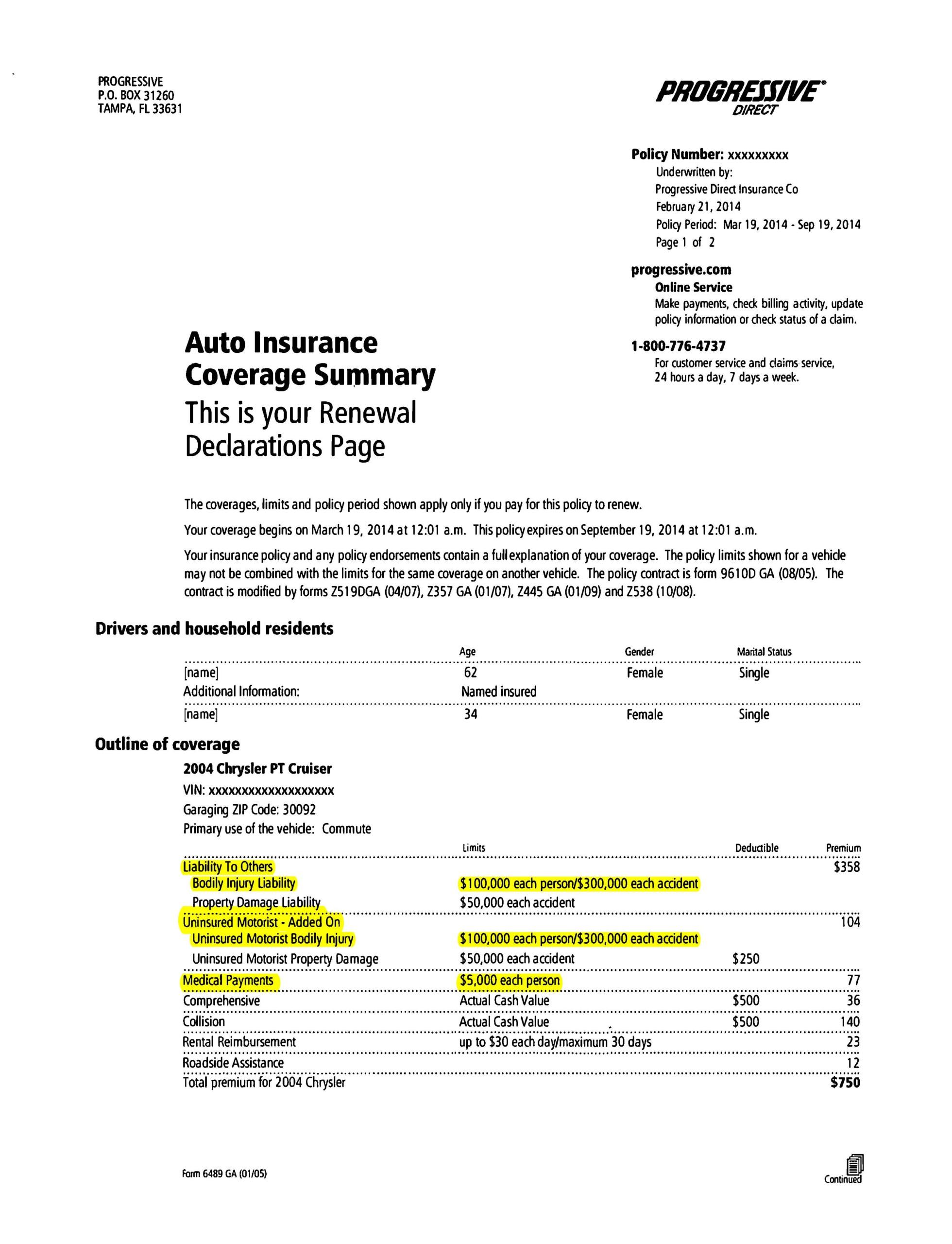
Theft is typically covered under Comprehensive Coverage, not Collision. Therefore, your comprehensive deductible would apply. While many people choose the same amount for both (e.g., $500 for collision and $500 for comprehensive), they are separate coverages. You should check your Progressive declarations page to see if you have different deductible amounts for each.
Is the Progressive collision deductible required by law?
No, collision insurance itself is not mandated by state law; only liability insurance is. However, if you have a loan or lease on your vehicle, your lender will almost certainly require you to carry collision coverage with a deductible that does not exceed their specified limit (usually $500 or $1,000).
Practical Recommendation
If you are looking to optimize your Progressive policy in 2026, review your current collision deductible against your liquid savings. If you have a stable emergency fund, consider raising your deductible to $1,000. The monthly savings can be redirected into your personal savings, effectively "self-insuring" the difference. Furthermore, ensure you are enrolled in the Deductible Savings Bank if you have a clean driving record, as this provides a long-term safety net that rewards your caution on the road. For the most accurate assessment, use the "Coverage Checker" tool within the Progressive portal to simulate how different deductible levels will impact your specific premium.
Disclaimer: Insurance terms, state regulations, and policy features are subject to change. Always refer to your specific Progressive policy contract and the National Association of Insurance Commissioners (NAIC) for regulatory guidance in your state.
Image Gallery