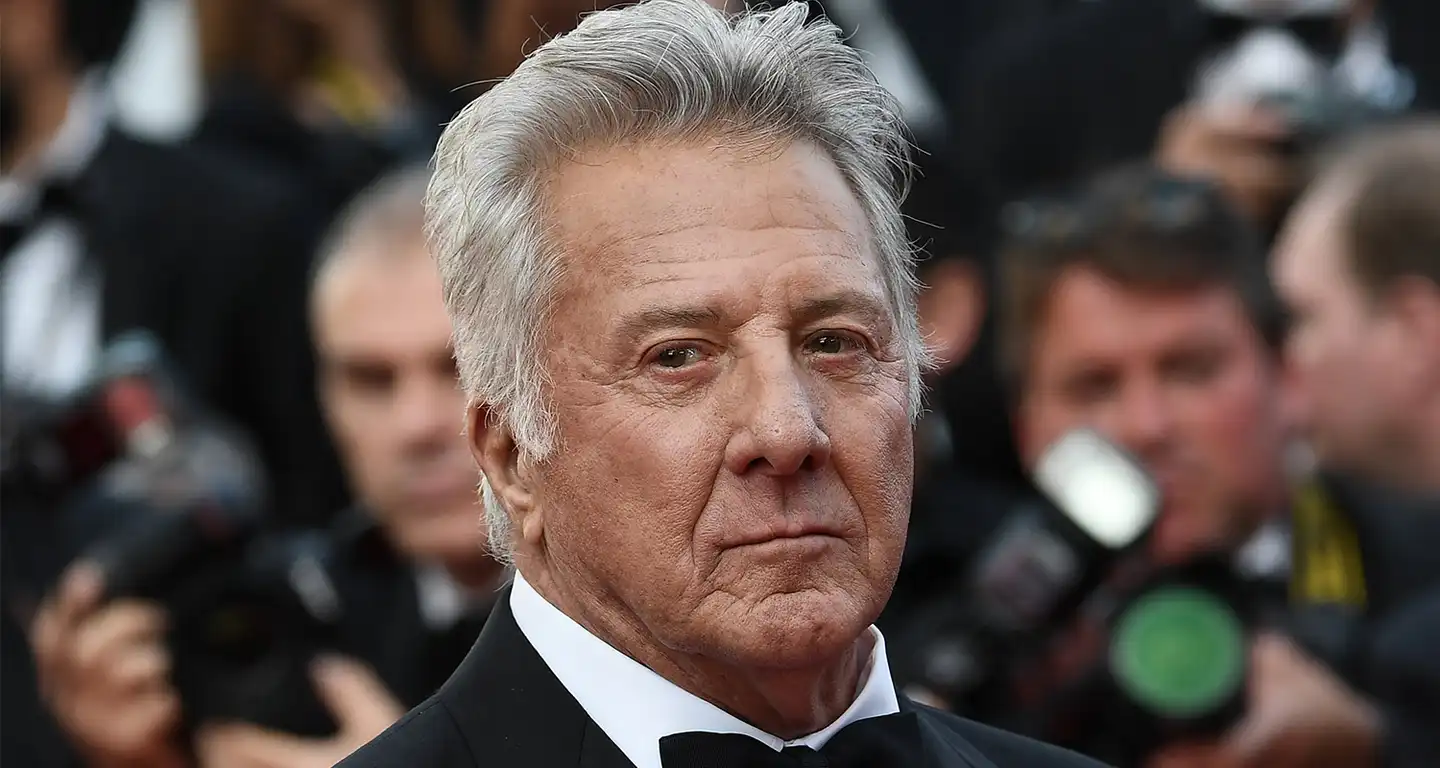
Understanding the Dustin Hoffman Accusations: Context, Allegations, and Industry Impact
Dustin Hoffman faced public accusations of sexual misconduct and harassment from multiple women, primarily originating from incidents that allegedly occurred decades prior during theater and film productions. These allegations added si...
Dustin Hoffman faced public accusations of sexual misconduct and harassment from multiple women, primarily originating from incidents that allegedly occurred decades prior during theater and film productions. These allegations added significant weight to the broader cultural reckoning within the entertainment industry regarding workplace conduct, power dynamics, and accountability.
Contents
Overview of the Allegations Against Dustin Hoffman
The public scrutiny surrounding Dustin Hoffman intensified in late 2017 amid a wave of high-profile disclosures across Hollywood, media, and politics. Several women came forward with accounts detailing inappropriate behavior, unwanted physical contact, and sexually suggestive remarks by the actor during theatrical and cinematic productions spanning his decades-long career.
The first major public accusation came from author Anna Graham Hunter, who alleged that Hoffman had sexually harassed her in 1985 when she was a 17-year-old production assistant on the set of the television film Death of a Salesman. Hunter published a personal essay detailing her experiences, claiming Hoffman made crude remarks, propositioned her, and touched her inappropriately without her consent while working on set.
Shortly after Hunter's public disclosure, additional women came forward with similar accounts. Playwright and producer Cori Thomas alleged that Hoffman exposed himself to her or made inappropriate advances when she was a minor and a family friend. Additionally, actress Kathryn Rossetter published an account in The Hollywood Reporter detailing months of alleged harassment and non-consensual touching by Hoffman while they co-starred in a 1984 Broadway production of Death of a Salesman.
Timeline of Disclosures and Public Responses
The emergence of these allegations followed a chronological pattern, with each public disclosure prompting further investigation by journalists and public reflection within the entertainment community.
| Date / Period | Accuser | Context / Production | Nature of Allegations | Hoffman’s Response |
|---|---|---|---|---|
| November 2017 | Anna Graham Hunter | Death of a Salesman (TV film, 1985) | Harassment, inappropriate touching, crude remarks to a 17-year-old PA. | Issued an apology stating it is "not reflective of who I am." |
| November 2017 | Cori Thomas | Personal acquaintance / family friend (circa 1991) | Inappropriate advances and exposure when she was 16. | Denied or disputed specific details through representatives. |
| December 2017 | Kathryn Rossetter | Death of a Salesman (Broadway, 1984) | Months of ongoing groping, unwanted touching, and sexualized verbal abuse during performances. | Maintained previous general statements; legal counsel contested claims. |
Following these disclosures, public reactions varied widely. While some colleagues and industry figures expressed shock and disappointment, others defended Hoffman's long-standing professional reputation. The actor's initial public response to Anna Graham Hunter’s allegations involved a statement expressing remorse: "I have the utmost respect for women and feel terrible that anything I might have done could have put her in an uncomfortable situation. I am sorry. It is not reflective of who I am." However, subsequent responses from legal representatives and the actor himself shifted to contest the accuracy or context of several allegations.
Industry Impact and Professional Repercussions
The accusations against Dustin Hoffman triggered a reassessment of his legacy within American cinema. As a two-time Academy Award winner renowned for iconic roles in films such as The Graduate, Midnight Cowboy, All the President's Men, and Rain Man, Hoffman occupied a revered position in film history. The revelations challenged how audiences and critics evaluate artistic achievement in the shadow of personal misconduct allegations.
Unlike some contemporaries whose active projects were immediately canceled or recast, Hoffman's output at the time of the allegations was already more sporadic due to his advanced age. Nevertheless, promotional events, retrospective tributes, and public appearances faced heightened scrutiny or cancellation. In late 2017, during a public panel discussion commemorating the 20th anniversary of the film Wag the Dog, Hoffman became involved in a tense, publicly scrutinized exchange with journalist John Oliver regarding the veracity and handling of the allegations against him. This exchange further amplified media coverage and public debate over due process, accountability, and the social dynamics surrounding the broader cultural movement.
| Aspect of Impact | Description | Industry Context |
|---|---|---|
| Professional Legacy | Re-evaluation of classic filmography and theatrical contributions. | Balancing historical cinematic achievement with contemporary ethical standards. |
| Public Appearances | Cancellation or modification of retrospective screenings and panel events. | Reduced public visibility and heightened scrutiny from event organizers. |
| Collaborator Responses | Mixed statements from former co-stars, directors, and industry executives. | Debate over whether artistic brilliance should be separated from personal conduct. |
Legal, Ethical, and Cultural Context
The allegations directed at Dustin Hoffman operate within complex legal and ethical frameworks. Because the alleged incidents occurred decades prior to public disclosure, statute of limitations restrictions generally prevented formal criminal prosecution or civil litigation. Consequently, the resolution of these matters occurred primarily in the court of public opinion, corporate policy adaptations, and industry-wide cultural shifts.
Legal experts frequently note that historical allegations present significant evidentiary challenges for both accusers and the accused, as physical evidence is rarely preserved over long periods, and the reliability of human memory can degrade. At the same time, cultural advocates emphasize that the primary value of public disclosures lies in dismantling institutional protection for powerful individuals and establishing safer working environments for future generations of artists and crew members.
Frequently Asked Questions
What specific allegations were made against Dustin Hoffman?
Multiple women accused Hoffman of sexual harassment, inappropriate touching, and making unwanted sexual advances. The allegations span the 1980s and 1990s, involving settings such as television and Broadway production sets.
How did Dustin Hoffman respond to the accusations?
In response to the initial 2017 allegations by Anna Graham Hunter, Hoffman issued an apology acknowledging that he may have put her in an uncomfortable situation. Regarding subsequent allegations, his representatives and legal counsel contested various claims, disputing specific details or the context of the reported interactions.
Were any criminal charges filed against Dustin Hoffman?
No criminal charges or formal civil lawsuits were filed against Hoffman in connection with these public allegations, largely due to the passage of time and the expiration of relevant statutes of limitations for historical incidents.
How did the entertainment industry react to the accusations?
The industry response involved increased scrutiny of historical power dynamics, altered protocols on film and theater sets to prevent harassment, and varied public commentary from industry peers regarding Hoffman's career and legacy.
Conclusion and Next Actions
For readers examining the historical record of the Dustin Hoffman accusations, consulting primary reporting from established journalistic outlets such as Variety, The Hollywood Reporter, and investigative features provides a comprehensive view of the timeline and statements from all involved parties. When evaluating historical controversies in the entertainment industry, balancing verified accounts, official statements, and the broader context of workplace reform remains essential for a complete understanding.
Image Gallery