Understanding Virginia State Employees Salary Structures and Compensation for 2026
Virginia state employee salaries in 2026 are determined by the Commonwealth’s classified compensation plan, which utilizes a banded salary structure based on role, market competition, and legislative budget appropriations. Employees ty...
Virginia state employee salaries in 2026 are determined by the Commonwealth’s classified compensation plan, which utilizes a banded salary structure based on role, market competition, and legislative budget appropriations. Employees typically access their specific salary details through the Commonwealth of Virginia (COV) Human Resource Management System, with pay adjustments influenced by annual performance cycles and state-wide cost-of-living initiatives.
Contents
Navigating the Commonwealth of Virginia Compensation Framework
The Commonwealth of Virginia manages its workforce through a structured pay plan designed to ensure internal equity and external market competitiveness. As of the 2026 fiscal year, most classified positions are categorized into pay bands that define the minimum, midpoint, and maximum salary range for a specific job family.
Unlike private sector roles that may rely on rapid, ad-hoc salary negotiations, state positions are governed by the Virginia Department of Human Resource Management (DHRM). The DHRM establishes statewide policies that dictate how initial salaries are set based on a candidate's qualifications, the agency's available funding, and the equity of current employees in similar roles.
Understanding Pay Bands and Market Ranges
State agencies perform periodic market analyses to ensure that salary ranges remain aligned with regional economic conditions. In 2026, these ranges are segmented into bands, allowing for movement within a salary tier without requiring a promotion to a higher position.
- Pay Band Minimum: The entry-level salary threshold for a new hire meeting basic qualifications.
- Midpoint: Represents the market-competitive salary for an employee who has fully mastered the competencies of the role.
- Pay Band Maximum: The ceiling for the position, typically reserved for highly seasoned professionals with exceptional sustained performance.
Factors Influencing Annual Salary Adjustments
Salary progression for Virginia state employees is not automatic; it is fundamentally linked to budgetary approvals by the Virginia General Assembly and individual performance metrics. When the state budget for 2026 is finalized, it often includes specific provisions for "Compensation Initiatives," which may include merit-based increases or across-the-board cost-of-living adjustments (COLA).
Key Drivers of Pay Increases
- Legislative Appropriations: The biennial budget process determines whether the state can fund salary increases for the fiscal year.
- Performance Management: The Commonwealth utilizes a performance evaluation cycle where employees must meet or exceed expectations to qualify for merit-based adjustments.
- Role Changes: Promotions or reclassifications into higher pay bands offer the most significant path for salary growth.
- Market Adjustments: Agencies may request pay band reallocations if a specific job series faces severe retention or recruitment challenges compared to the private or federal sectors.
Comparison of Compensation Components
Beyond the base salary, the "Total Rewards" package for Virginia state employees often outweighs base pay alone when compared to private industry equivalents. The following table summarizes the standard components of the 2026 state compensation package.
| Benefit Component | Description | Financial Impact |
|---|---|---|
| Base Salary | Fixed annual pay based on pay band. | Primary income stream. |
| VRS Retirement | Virginia Retirement System defined benefit plan. | Mandatory contribution; long-term pension security. |
| Health Insurance | State-sponsored plans (COVA Care/HealthKeepers). | Heavily subsidized premiums. |
| Leave Accrual | Annual, sick, and family/personal leave. | Significant non-monetary value. |
| Deferred Comp | Optional 457(b) supplemental savings. | Tax-advantaged retirement growth. |
Accessing Your Specific Salary Information
Employees seeking specific information regarding their current pay rate, pay band, or upcoming salary adjustments should utilize the official internal resources. Attempting to estimate salaries based on public data can be misleading due to the variety of supplemental pay and specific agency-level adjustments.
Steps to Verify Your Compensation Status
- Access the Employee Self-Service Portal: Log into the official Commonwealth of Virginia human resources portal using your state credentials.
- Review Position Description: Ensure your current duties match your role description, as out-of-date descriptions can prevent salary progression.
- Consult the DHRM Pay Policy: Review the current year's DHRM policy manual to understand the rules regarding merit increases and bonus eligibility.
- Contact Agency HR: If you believe your salary is misaligned with the current market band or your performance rating, schedule a meeting with your agency’s Human Resources representative to discuss the formal process for a pay equity review.
Managing Retirement and Supplemental Savings
The Virginia Retirement System (VRS) remains a pillar of state employment. For 2026, it is vital that employees understand their specific retirement plan tier, as this influences the mandatory contribution percentage and the eventual pension calculation.
Many employees bolster their state salary package by participating in the Commonwealth’s 457(b) Deferred Compensation Plan. This plan allows for pre-tax contributions that lower current taxable income while building a secondary retirement nest egg. Expert financial planners often recommend that state employees maximize these contributions to offset the limitations of fixed-salary growth.
Frequently Asked Questions
How often are Virginia state employee salaries reviewed for increases?
Salaries are typically reviewed in conjunction with the state budget cycle, which occurs annually during the General Assembly session. While performance evaluations happen every year, salary increases are subject to available legislative funding and state-wide pay policies defined for the specific fiscal year.
Can I negotiate my starting salary as a new state employee?
Yes, negotiation is possible but is limited by the constraints of the pay band for the specific position. Hiring managers have some flexibility within the lower-to-mid range of a pay band based on a candidate's verified experience and the agency’s internal equity guidelines.
What is the difference between a pay band and a job grade?
In the Virginia system, pay bands are broad ranges covering many roles within a job family. A job grade is often a narrower classification used in legacy systems or specific technical fields to define pay tiers more granularly. The Commonwealth transitioned to a broader banded structure to allow for more flexible salary administration.
Does the state offer bonuses for high performance?
The state allows for performance-based recognition, which may include one-time bonuses or "spot" awards, depending on the specific agency’s budget and HR policy. These are distinct from base salary increases and are intended to recognize specific, time-limited achievements.
Is state salary data public record?
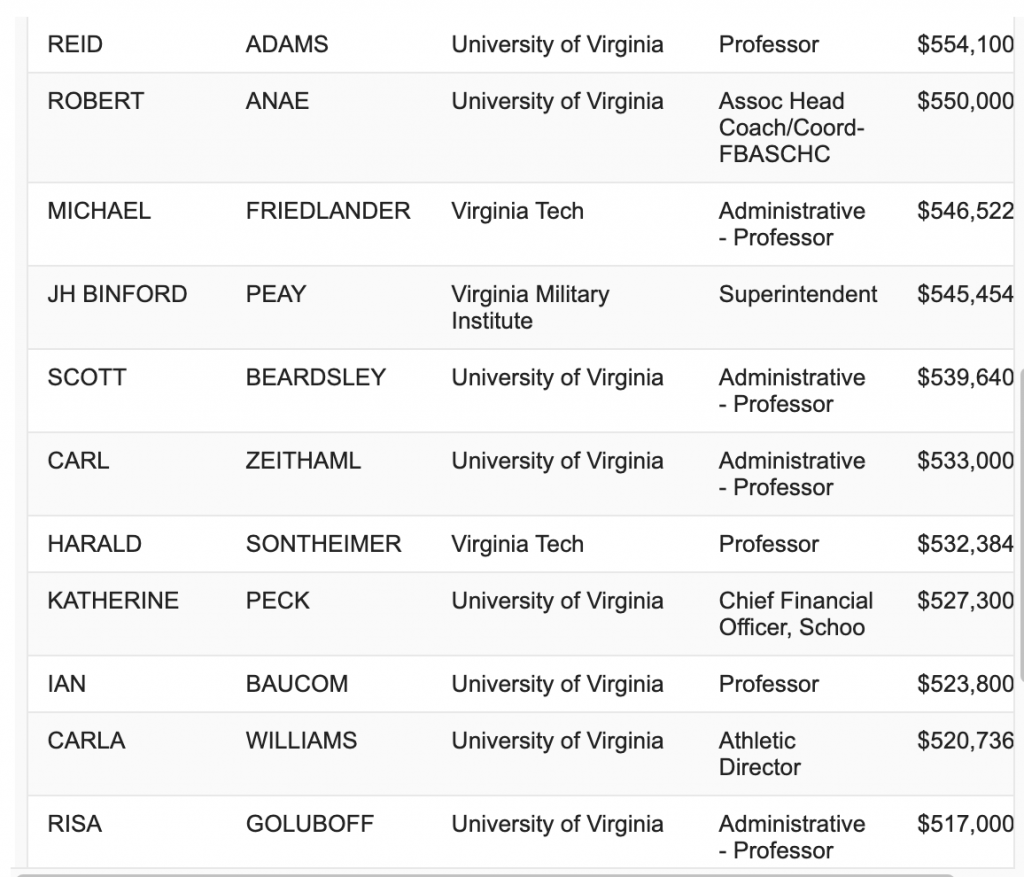
Yes, salary information for public employees in Virginia is generally subject to the Freedom of Information Act (FOIA). Many third-party transparency websites aggregate this data, though they may not always reflect current-year adjustments or the total value of the comprehensive benefits package.
Strategic Recommendations for Career Growth
To maximize earnings within the Commonwealth's structure, employees should focus on "skill-stacking." By pursuing professional certifications that align with their agency’s mission, employees increase their eligibility for roles in higher pay bands. Furthermore, maintaining a proactive relationship with agency leadership regarding professional development ensures that when a higher-level vacancy occurs, you are positioned as the internal candidate of choice.
Always remember that the most accurate source for your specific compensation remains the Virginia Department of Human Resource Management (DHRM) website and your internal agency HR department. Reliance on external estimates or outdated salary databases from previous years can lead to miscalculations of your total earnings potential.
Image Gallery