Understanding the Citizenship and Professional Identity of Gabriel Iglesias
Gabriel Iglesias is an American stand-up comedian, actor, and voice artist born in San Diego, California. His status as an American citizen is a fundamental component of his biography, rooted in his birth in the United States and his d...
Gabriel Iglesias is an American stand-up comedian, actor, and voice artist born in San Diego, California. His status as an American citizen is a fundamental component of his biography, rooted in his birth in the United States and his deep-seated connection to the cultural and social fabric of the country, which frequently serves as a central theme in his comedy specials.
Contents
The Background of Gabriel Iglesias’s Citizenship
Gabriel Jesus Iglesias was born on July 15, 1976, in San Diego, California. Under the Fourteenth Amendment to the United States Constitution, anyone born on U.S. soil is automatically a citizen of the United States. His upbringing in Southern California—specifically in cities like Long Beach, Riverside, and Corona—shaped his identity as a Mexican-American. Throughout his career, Iglesias has navigated the intersection of his national identity and his heritage, often using his platform to bridge cultural gaps.
For many fans, the question of his nationality arises from the way he weaves his experiences as a Latino man into the mainstream American comedy circuit. While he is deeply proud of his Mexican roots, his primary professional and legal identity is that of an American entertainer. This dual cultural identity is not a point of legal ambiguity but rather a narrative strength that he has utilized to build a massive, cross-demographic audience globally.
Professional Impact and Career Trajectory
As an American entertainer, Iglesias has navigated the complex landscape of the U.S. comedy industry, evolving from local club performances to global streaming specials. His career trajectory reflects the opportunities available within the American media ecosystem, where he has leveraged his unique storytelling style to become one of the most-watched comedians in the world as of 2026.
His success is not merely a product of talent but also of his ability to adapt to the changing standards of the American entertainment industry. By utilizing platforms like Netflix for his specials—such as I’m Sorry for What I Said When I Was Hungry and Stadium Fluffy—he has solidified his standing as a major pillar of American pop culture. His work often highlights the nuances of being a child of immigrants, which provides a relatable lens for millions of Americans who share similar generational stories.
Cultural Representation and Comedy
The comedy of Gabriel Iglesias acts as a mirror to modern American society. By performing in English, occasionally utilizing Spanish, and focusing on themes common to the American experience—such as family dynamics, weight, and social observations—he has transcended ethnic niches.
| Aspect | Detail |
|---|---|
| Birthplace | San Diego, California, USA |
| Primary Nationality | American |
| Heritage | Mexican-American |
| Primary Language | English |
| Career Status | Active (as of 2026) |
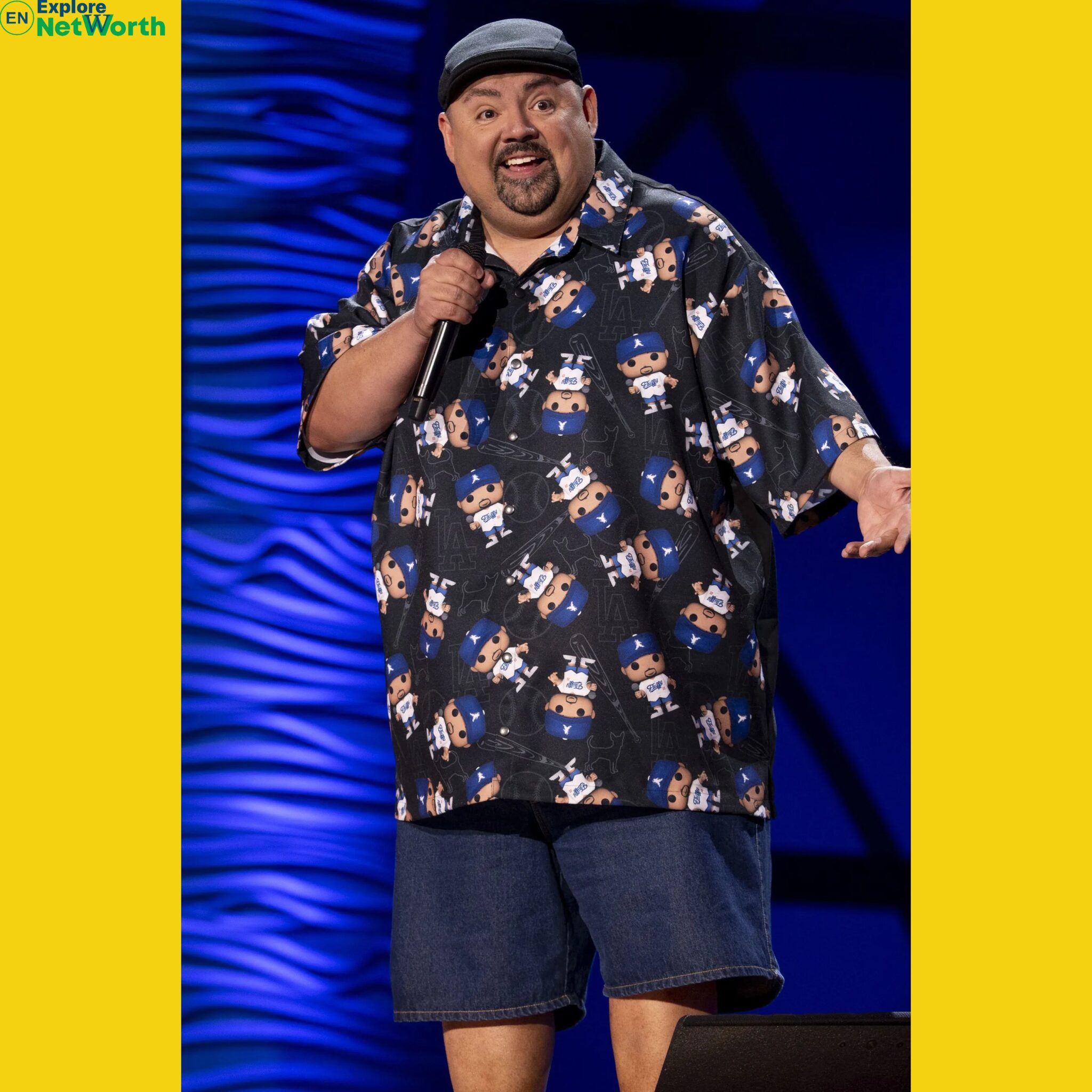
His approach to comedy avoids the aggressive, polarizing rhetoric that some comedians employ. Instead, he focuses on "clean" observational humor that appeals to a broad demographic, including families and non-native English speakers. This style has allowed him to perform in major venues, such as Dodger Stadium, marking a significant milestone for a Mexican-American performer in the U.S. entertainment history.
Requirements for Citizenship and Legal Status in the United States
While Gabriel Iglesias is a citizen by birth, understanding the general framework of how one becomes an American citizen helps contextualize why his status is often discussed in public discourse. The United States follows the principle of jus soli (right of the soil), meaning that birth on U.S. territory grants automatic citizenship. This is distinct from jus sanguinis (right of blood), which determines citizenship based on the nationality of one's parents.
For those who are not born in the United States, the path to American citizenship involves a rigorous process managed by the U.S. Citizenship and Immigration Services (USCIS). This process includes:
- Obtaining Lawful Permanent Residence: Often referred to as a Green Card, this is the first major step for most applicants.
- Meeting Physical Presence Requirements: An applicant must spend a specific amount of time living in the U.S. to demonstrate residency.
- Good Moral Character: Applicants are evaluated on their adherence to U.S. laws and general conduct.
- Naturalization Exam: This includes testing on English proficiency and knowledge of U.S. history and civics.
Iglesias’s status as a citizen by birth places him outside the scope of these naturalization procedures, but his public support for those navigating the immigration system has remained a notable aspect of his public persona.
Frequently Asked Questions
Is Gabriel Iglesias a Mexican citizen? Gabriel Iglesias identifies as Mexican-American. While he celebrates his Mexican heritage, he is an American citizen by birth. Any dual citizenship status would be a private legal matter, but his professional identity and public record center on his American citizenship.
Does Gabriel Iglesias perform in Spanish? Yes, while his comedy is primarily delivered in English, he incorporates Spanish phrases and cultural references throughout his sets. This reflects his upbringing and his connection to the bilingual reality of his family life in California.
What is the significance of his comedy in American culture? Iglesias has broken barriers for Latino comedians in the United States. His ability to sell out major U.S. stadiums demonstrates that he has successfully moved beyond ethnic labeling to become a household name in American mainstream entertainment.
How does his background influence his comedy? Much of his material is rooted in his childhood, his family dynamic, and the experience of growing up in a diverse, working-class environment in California. His comedy is specifically calibrated to reflect the realities of the American middle-class experience.
Has he faced obstacles due to his background? Like many performers from minority backgrounds, Iglesias has navigated industry stereotypes. However, he has consistently subverted these expectations by controlling his own creative narrative, choosing to focus on inclusive, observational humor rather than relying on identity-based tropes.
Conclusion and Practical Perspective
For those interested in the life and career of Gabriel Iglesias, it is clear that his identity as an American is integral to his professional journey. He represents a successful model of how one can honor their ancestral roots while flourishing within the American cultural landscape. As he continues his career in 2026, his work serves as an ongoing case study for how comedians can balance personal heritage with broad-based public appeal. For aspiring entertainers looking to emulate his success, the primary lesson is the importance of authentic storytelling that remains accessible to a wide, diverse audience while maintaining a clear and grounded personal identity.
Image Gallery