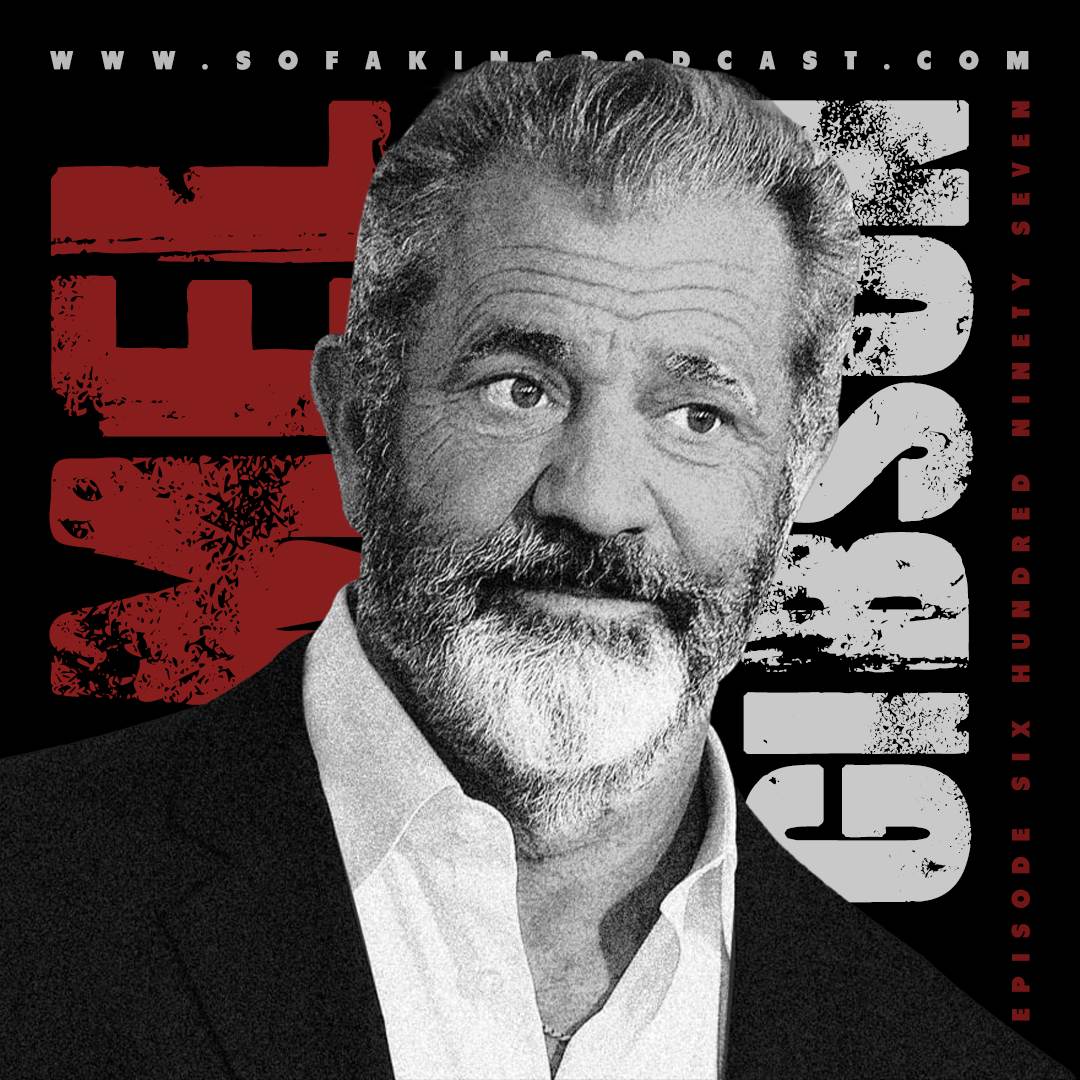
Understanding the True Value of Mel Gibson: Box Office, Net Worth, and Directorial ROI
Mel Gibson’s true value stems from a rare combination of marquee star power, Oscar-winning directorial capability, and unmatched entrepreneurial risk-taking. With a personal net worth estimated between $425 million and $800 million and...
Mel Gibson’s true value stems from a rare combination of marquee star power, Oscar-winning directorial capability, and unmatched entrepreneurial risk-taking. With a personal net worth estimated between $425 million and $800 million and lifetime cumulative box office revenues exceeding $5 billion, Gibson redefined independent film distribution by self-financing historic blockbusters like The Passion of the Christ.
Contents
The Economics of Mel Gibson: From Star Power to Studio Autonomy
To understand Mel Gibson's financial and cultural standing in the entertainment industry, one must evaluate two distinct operational phases: his era as a classic studio bankable star and his evolution into an independent auteur producer. Few figures in modern Hollywood history have successfully bridged the gap between leading-man paychecks and full equity ownership of global cinematic properties.
During the late 1980s through the early 2000s, Gibson was among a elite tier of actors who could reliably command $20 million upfront salaries plus back-end profit participation points. His work across the Lethal Weapon franchise, Ransom (1996), What Women Want (2000), and Signs (2002) generated billions in theatrical revenue for major studios like Warner Bros., Paramount, and Touchstone Pictures.
However, Gibson's financial trajectory deviated sharply from his peers when he prioritized equity over salary. By founding Icon Productions alongside producer Bruce Davey in 1989, Gibson established a business engine capable of financing, producing, and distributing film projects entirely outside the major studio system. This structural pivot allowed him to retain intellectual property rights and distribution backend—a strategy that transformed his net worth from actor earnings into institutional media wealth.
| Era / Role | Mel Gibson Career Value Drivers |
|---|---|
| Leading Man Era (1979–2003) | High upfront fees ($20M+ per film), studio leverage, international stardom. |
| Independent Producer (1989–Pres.) | Icon Productions, self-financing models, global pre-sales, retained rights. |
| Directorial Auteur (1993–Pres.) | Academy Award-winning prestige, massive ROI on low-to-mid budget epics. |
The Self-Financing Paradigm: The Passion of the Christ
The single most significant event defining Gibson's financial valuation occurred with the production and distribution of The Passion of the Christ (2004). When traditional Hollywood studios declined to finance or distribute a non-English, Aramaic- and Latin-language biblical epic, Gibson opted to fund the project independently.
The Financial Mechanics of the Project
- Production Budget: Approximately $30 million, funded directly out of Gibson's personal reserves.
- Marketing & Distribution Capital: Approximately $15 million, spent on targeted grassroots marketing, faith-based outreach, and theatrical distribution setups.
- Global Box Office Gross: Over $612 million worldwide, making it one of the highest-grossing R-rated films in domestic history at the time.
- Net Personal Payout: Estimates place Gibson's personal share of theatrical revenues, home video releases, merchandise, and broadcasting rights at over $400 million to $475 million.
By owning 100% of the film's rights and retaining a 50% theatrical distribution cut through a custom deal with Newmarket Films, Gibson bypassed traditional studio overhead and distribution fees. This single venture remains one of the most profitable individual investments by an actor-filmmaker in cinematic history.
Directorial ROI: Evaluating Artistic and Commercial Yield
While Gibson's initial stardom was built on acting, his long-term industry capital rests on his track record as a director of visceral, large-scale historical epics. His directorial filmography reveals an exceptional return on investment (ROI) profile across varying budget tiers.
- Directorial ROI Comparison
- Braveheart (1995): Budget: $72M | Gross: $210M
- The Passion of the Christ (2004): Budget: $30M | Gross: $612M
- Apocalypto (2006): Budget: $40M | Gross: $120M
- Hacksaw Ridge (2016): Budget: $40M | Gross: $180M
Key Directorial Milestones
- Braveheart (1995): Produced on an estimated budget of $72 million, the historical drama earned over $210 million worldwide and won five Academy Awards, including Best Picture and Best Director. The film established Gibson as an A-list director capable of managing complex logistical shoots and commanding high critical acclaim.
- Apocalypto (2006): Produced for roughly $40 million, this Yucatec Maya-language action adventure generated $120 million worldwide despite featuring an unfamiliar cast and subtitled dialogue. The project demonstrated that Gibson's brand as a director could pull audiences without relying on star-driven marketing.
- Hacksaw Ridge (2016): Marking his major directorial return after a decade of personal controversies, the World War II biographical film was produced for $40 million and grossed over $180 million globally. It earned six Academy Award nominations, including Best Director, solidifying his rehabilitation within the professional directorial ranks.
Reputational Volatility and Rebound Metrics
Any accurate appraisal of Mel Gibson's market value must address the severe reputational crises that altered his career trajectory between 2006 and 2011. High-profile personal controversies, publicized domestic disputes, and incendiary remarks led to temporary blacklisting by major talent agencies and major studio backlots.
The Economic Cost of Backlash
During this period, Gibson's value as an upfront studio hire dropped precipitously:
- Loss of Studio Slate Projects: Major studio co-productions were canceled or recast.
- Agency Drops: WME (William Morris Endeavor) dropped Gibson from its client roster in 2010.
- Shift to Independent VOD/Foreign Pre-sales: Gibson pivoted away from $200 million studio tentpoles toward mid-budget genre thrillers (Edge of Darkness, Get the Gringo, Blood Father, Drag Across Concrete). These projects relied heavily on international distribution pre-sales, where his global name recognition remained lucrative despite domestic domestic PR headwinds.
Institutional Normalization
By the mid-2010s, Gibson’s underlying economic value re-emerged through independent financing channels. The critical success of Hacksaw Ridge demonstrated that institutional investors, international buyers, and audiences were willing to separate his artistic output from his personal history. Subdued supporting roles in commercial projects like Daddy's Home 2 (2017) and high-concept series like The Continental (2023) signaled a full integration back into studio-adjacent distribution platforms.
Comparative Breakdown of Landmark Projects
The following table details the budget, global box office performance, and strategic enterprise value of key films across Mel Gibson's career as an actor, director, and producer.
| Project Title | Year | Primary Role(s) | Est. Production Budget | Global Box Office | Primary Strategic & Financial Impact |
|---|---|---|---|---|---|
| Mad Max 2: The Road Warrior | 1981 | Lead Actor | $2 Million | $36 Million | Established global breakout status; validated international action marketability. |
| Lethal Weapon 2 | 1989 | Lead Actor | $30 Million | $227 Million | Secured top-tier salary status ($4M+ upfront), launching a peak commercial franchise. |
| Braveheart | 1995 | Director / Actor / Producer | $72 Million | $210 Million | Won 5 Oscars (including Best Director); validated Icon Productions' prestige leverage. |
| What Women Want | 2000 | Lead Actor | $70 Million | $374 Million | Peak studio actor payout ($20M upfront plus backend); proved romantic comedy appeal. |
| Signs | 2002 | Lead Actor | $72 Million | $408 Million | Highest studio theatrical gross as an actor lead; massive domestic performance. |
| The Passion of the Christ | 2004 | Director / Producer / Writer | $30 Million | $612 Million | Self-financed milestone; earned Gibson an estimated $400M+ in personal equity yield. |
| Apocalypto | 2006 | Director / Producer / Writer | $40 Million | $120 Million | Demonstrated foreign-language auteur power without reliant celebrity casting. |
| Hacksaw Ridge | 2016 | Director | $40 Million | $180 Million | Re-established studio and institutional viability; earned 6 Oscar nominations. |
Strategic Takeaways for Media Analysts and Investors
Evaluating Mel Gibson's net worth and industry footprint yields several clear takeaways regarding film economics, audience alignment, and independent risk management.
1. Ownership Outperforms Salary
Gibson's greatest financial success came not from his highest acting paychecks ($20 million per film), but from retaining 100% equity in The Passion of the Christ. By bearing total downside risk, he captured all upside earnings, demonstrating that absolute rights ownership yields far higher long-term enterprise value than talent compensation models.
2. Global Pre-Sales Offset Domestic Risks
Even during periods of domestic media backlash, Gibson maintained high value in foreign theatrical markets. International territory buyers prioritize clear narrative genre hooks, visual spectacle, and established star name recognition over domestic cultural controversies.
3. Visceral Directorial Efficiency
As a director, Gibson consistently delivers epic historical visual storytelling on mid-tier budgets ($30 million to $70 million). By focusing on realistic practical effects, stunt coordination, and location shooting rather than massive digital VFX pipelines, his directorial projects maintain favorable ROI margins.
Frequently Asked Questions
What is Mel Gibson's estimated net worth?
Mel Gibson’s net worth is generally estimated between $425 million and $800 million. The bulk of his wealth stems from his self-financed 2004 film The Passion of the Christ, alongside extensive real estate holdings, rights catalogs, and decades of top-tier acting and directing fees.
How much did Mel Gibson make from The Passion of the Christ?
Gibson personally earned an estimated $400 million to $475 million from The Passion of the Christ. Because he funded the $30 million production budget and marketing out of pocket, he retained total ownership rights and negotiated a 50% theatrical revenue split, alongside all home entertainment and licensing backends.
What is Icon Productions and why is it important to his overall value?
Icon Productions is an independent film production and distribution company founded by Mel Gibson and Bruce Davey in 1989. It allowed Gibson to finance his own direct projects, buy international distribution rights, and build a library of film IP, insulating his career from total reliance on traditional Hollywood studios.
Is Mel Gibson more financially valuable as an actor or a director?
Historically, Gibson generated high immediate cash flow as an actor during his peak in the 1990s and early 2000s. However, his long-term enterprise wealth and highest ROI yields come from his work as a director and producer, where equity ownership provided far larger returns than fixed acting salaries.
How did Gibson finance his films after studio backlash in the mid-2000s?
Following personal controversies, Gibson relied heavily on independent financing models, foreign territory pre-sales, tax incentives (such as filming in Australia), and co-financing through international production entities rather than relying on major U.S. studio greenlights.
Summary Recommendation for Media Evaluators
When appraising the overall market value of Mel Gibson, industry analysts should treat him as a hybrid media entity rather than a standard talent asset. While classic talent metrics evaluate actors based on current domestic box office draw, Gibson's valuation is underpinned by deep equity in international distribution channels, high directorial efficiency, and direct ownership of lucrative film IP. Media investors studying independent film financing should look to Gibson's self-financing and equity-retention models as a masterclass in capturing high-upside return while maintaining operational independence from major studio gatekeepers.
Image Gallery