Lowell Station: Comprehensive Guide, History, and Modern Utility in 2026
Lowell Station represents a significant point of historical interest and modern geographical navigation, serving as a vital reference point for transport enthusiasts, local historians, and travelers in the region. Understanding its ope...
Lowell Station represents a significant point of historical interest and modern geographical navigation, serving as a vital reference point for transport enthusiasts, local historians, and travelers in the region. Understanding its operational background, infrastructural evolution, and current accessibility requirements ensures accurate trip planning and contextual appreciation of regional transit heritage.
Contents
Historical Foundations and Regional Context
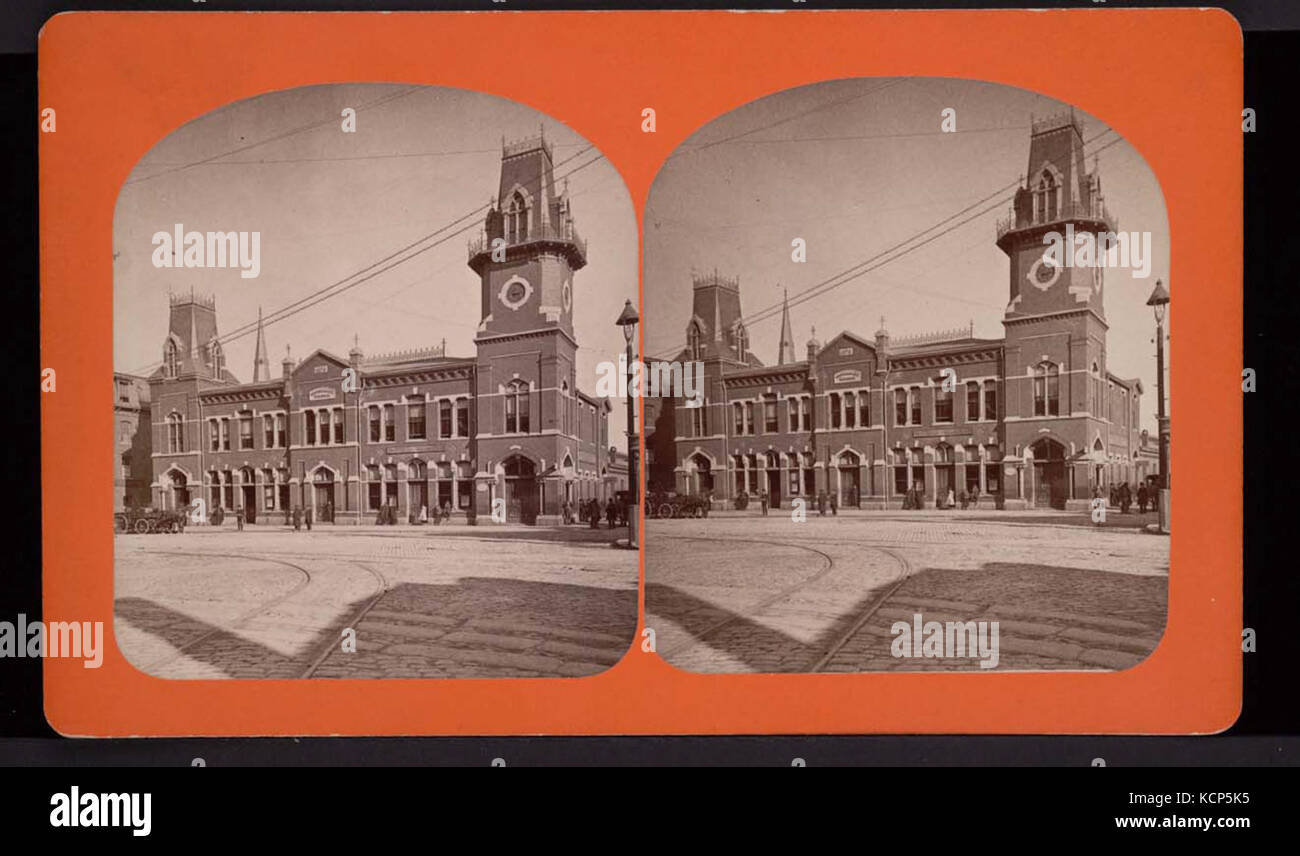
The origins of Lowell Station are deeply tied to the expansion of 19th and 20th-century rail and transit networks. Originally established to facilitate passenger and freight movement, the station acted as a crucial economic artery for local industries, connecting outlying manufacturing and agricultural zones to major metropolitan markets.
During its peak operational years, the site handled high volumes of daily commuter traffic and industrial cargo. The architectural style of the original depot reflected standard civic engineering practices of the era, prioritizing durability, functional platform layouts, and accessible freight loading zones. Over subsequent decades, shifts in national transportation preferences—specifically the rise of automotive transit and interstate highways—led to the gradual reduction of passenger rail services across many secondary regional stops, transforming active operational depots into preserved historical landmarks or repurposed public spaces.
Modern Accessibility and Navigational Overview
In 2026, navigating to or researching Lowell Station requires an understanding of its current physical footprint and surrounding infrastructure. While active rail passenger services may have evolved or ceased entirely depending on the specific line, the location remains a recognized waypoint on regional maps and municipal historical registries.
Travelers and researchers visiting the site will find several key geographical and infrastructural features:
- Proximity to Major Roadways: Accessible via primary regional state routes and local municipal connectors that follow historical rail right-of-ways.
- Surrounding Land Use: The immediate area typically features a blend of preserved historical architecture, modern light-commercial developments, and recreational walking trails built upon decommissioned railbeds.
- Public Transit Intersections: Modern regional bus routes and suburban transit networks often intersect near historical station sites, providing viable alternative public transportation options for visitors without personal vehicles.
Comparative Analysis of Historical vs. Modern Station Utility
To fully appreciate the transformation of Lowell Station, it is helpful to contrast its historical function with its contemporary status. The following table outlines these operational shifts across key metrics.
| Metric | Historical Era (Active Operation) | Modern Era (2026 Status) |
|---|---|---|
| Primary Function | Passenger boarding, freight handling, and mail sorting | Historical landmark, recreational trailhead, or waypoint |
| Transportation Mode | Steam and early diesel locomotive rail transport | Regional bus transit, highway vehicles, and pedestrian trails |
| Infrastructure Status | Fully staffed depot with active telegraph and ticket counters | Preserved structure, interpretive signage, or repurposed commercial space |
| Economic Impact | Direct employment hub and primary trade catalyst for the immediate township | Cultural tourism, local history education, and recreational property value enhancement |
Step-by-Step Guide for Visiting and Researching Lowell Station
For researchers, historians, and tourists planning to visit the Lowell Station site or investigate its archives, following a structured approach ensures a comprehensive experience.
- Verify Current Access and Zoning: Check local municipal websites or regional parks departments to confirm whether the station grounds are open to the general public or if specific sections remain privately owned.
- Consult Archival Records: Prior to visiting, review local historical society libraries or state transportation archives for original blueprints, photographs, and freight manifests.
- Plan Transportation: Map out optimal driving routes or check regional transit schedules, keeping in mind that parking directly adjacent to historical sites can sometimes be limited.
- Engage with Interpretive Signage: Upon arrival, locate historical markers and plaques designed to educate visitors on the specific milestones of the station's operational timeline.
- Explore Connecting Trails: If the former rail lines have been converted into multi-use recreational paths (such as rail-trails), bring appropriate walking or cycling gear to explore the extended corridor.
Common Challenges and Troubleshooting for Researchers
When investigating historical transport sites like Lowell Station, researchers frequently encounter specific hurdles. Anticipating these challenges saves time and improves data accuracy.
- Ambiguous Naming Conventions: Multiple towns across different states historically named their depots "Lowell Station," requiring researchers to cross-reference state and county identifiers carefully to avoid mixing up archival records.
- Record Fragmentation: Because many regional rail lines changed ownership multiple times through mergers and bankruptcies, finding complete financial and operational logs can require searching through federal Interstate Commerce Commission (ICC) archives rather than just local libraries.
- Structural Modifications: Over the years, many historical depots have undergone private renovations. Visitors should not expect every building to look exactly as it did during its peak railway era, as modern commercial retrofitting often alters interior layouts.
Frequently Asked Questions
What is Lowell Station?
Lowell Station is a historically significant transportation depot and regional landmark that once served as a vital node for passenger and freight rail networks. Today, it functions primarily as a point of historical interest and geographical reference.
Is Lowell Station currently active for passenger rail service?
No, regular passenger rail services at this specific historical location are typically inactive, though the site may be preserved as a landmark or integrated into modern recreational trail systems. Public transit alternatives such as local bus lines serve the surrounding area.
Can visitors tour the interior of the Lowell Station building?
Interior access depends entirely on current ownership and preservation status, as some former depots are converted into private residences, museums, or commercial offices while others remain strictly exterior-view landmarks. Checking local municipal or historical society guidelines prior to a visit is strongly advised.
What archives hold documents related to Lowell Station?
Primary documents, photographs, and operational records are generally housed within regional historical societies, state transportation department archives, or specialized railway preservation libraries.
How can I find the exact geographical coordinates for Lowell Station?
Accurate geographical coordinates and driving directions can be located using modern digital mapping services by searching for the specific municipality and historical landmark name, or by consulting official state department of transportation historical maps.
Conclusion and Next Steps
Whether you are conducting historical research, tracing genealogical roots in the area, or simply exploring regional transport history, understanding the context of Lowell Station provides valuable insight into the development of modern infrastructure. To deepen your investigation, reach out to local historical preservation groups or consult municipal records offices for specialized archival access and upcoming preservation events.
Image Gallery