Does the Plague Have a Cure? Modern Treatment and Prevention of Yersinia pestis
The plague is fully curable with early administration of specific antibiotics. While historically devastating, modern medicine has reduced the mortality rate of the most common form, bubonic plague, to approximately 10% or less when tr...
The plague is fully curable with early administration of specific antibiotics. While historically devastating, modern medicine has reduced the mortality rate of the most common form, bubonic plague, to approximately 10% or less when treated promptly. However, immediate medical intervention is critical, as certain forms can be fatal within 24 hours of symptom onset.
Contents
For centuries, the word "plague" was synonymous with an unstoppable death sentence. In the modern landscape of 2026, the situation has fundamentally shifted. The disease, caused by the bacterium Yersinia pestis, remains a serious public health threat in specific endemic regions, but it is no longer the invincible "Black Death" of the 14th century. The transition from a global terror to a manageable medical condition is one of the greatest triumphs of infectious disease pharmacology and zoonotic surveillance.
The Primary Cure: Antibiotic Interventions
The definitive cure for the plague is a course of potent antibiotics. Because Yersinia pestis is a bacterium, it is susceptible to various antimicrobial agents that inhibit its ability to synthesize proteins or replicate its DNA. In the current clinical environment, healthcare providers prioritize rapid administration, often starting treatment based on clinical suspicion before laboratory confirmation is finalized.
First-Line Antibiotic Treatments
Historically, streptomycin was the gold standard for treating the plague. While still effective, it has been largely superseded or supplemented by gentamicin due to better availability and a more familiar safety profile in many hospital settings. Aminoglycosides like these work by binding to the bacterial ribosome, causing the pathogen to produce "garbage" proteins that lead to cell death.
Fluoroquinolones, such as ciprofloxacin and levofloxacin, are also highly effective and are frequently used in modern protocols. These are particularly valuable because they can be administered orally in less severe cases or as transition therapy once a patient stabilizes. Tetracyclines, specifically doxycycline, serve as another vital tool, often used for post-exposure prophylaxis (prevention after a suspected flea bite or contact) or as a secondary treatment option.
The Critical Importance of the Treatment Window
The "cure" for the plague is highly dependent on the "when." For bubonic plague—characterized by swollen lymph nodes called bubos—the body provides a small window of a few days to seek help. However, for pneumonic plague (the respiratory form), the window is much narrower. If antibiotic treatment does not begin within 24 hours of the first symptoms, the infection is almost universally fatal. This makes rapid diagnostic testing and clinical awareness the most important factors in achieving a successful cure.
Understanding the Different Forms of Plague
To understand how the plague is cured, one must understand the three distinct ways the infection manifests in the human body. Each type requires a slightly different clinical approach, although the underlying antibiotic regime remains similar.
Bubonic Plague
This is the most common form and is typically contracted through the bite of an infected flea. The bacteria travel to the nearest lymph node, where they multiply, causing painful swelling. While it is the "slowest" progressing form, without antibiotics, the bacteria eventually spill into the bloodstream, leading to more dangerous complications.
Septicemic Plague
Septicemic plague occurs when the bacteria multiply directly in the blood. This can happen as a primary infection from a flea bite or as a secondary complication of bubonic plague. It is notoriously difficult to diagnose because it lacks the tell-tale swollen bubos. Symptoms often include abdominal pain, internal bleeding, and necrosis (blackening) of the skin, particularly on the fingers, toes, and nose. Because the infection is systemic, it requires aggressive intravenous antibiotic therapy and intensive supportive care to prevent organ failure.
Pneumonic Plague
The most virulent and dangerous form, pneumonic plague, affects the lungs. It is the only form that can spread from person to person through respiratory droplets. This version of the disease progresses with frightening speed. Modern treatment protocols in 2026 emphasize the immediate isolation of the patient and the administration of intravenous fluoroquinolones or aminoglycosides.
| Plague Type | Primary Transmission | Major Symptoms | Untreated Mortality | Mortality with Modern Care |
|---|---|---|---|---|
| Bubonic | Infected flea bites | Swollen lymph nodes (bubos), fever, chills | 30% – 60% | <10% |
| Septicemic | Flea bites or contact | Bleeding under skin, necrosis, organ failure | Near 100% | 15% – 25% |
| Pneumonic | Respiratory droplets | Severe pneumonia, cough with blood, chest pain | ~100% | Variable (High if >24hr delay) |
Challenges to the Cure: Resistance and Access
While a cure exists, several factors can prevent a successful outcome. The most significant threat is the potential for antibiotic resistance. While naturally occurring multi-drug resistant Yersinia pestis is rare, it has been documented. Researchers and global health organizations, such as the World Health Organization (WHO), maintain rigorous surveillance to ensure that first-line treatments remain effective.
Another challenge is geographic and economic access. The plague persists in "focal" areas—specific regions in Madagascar, the Democratic Republic of the Congo, and parts of Peru. In these areas, the challenge is not a lack of a cure, but rather the logistical difficulty of getting a patient to a clinic that stocks the necessary antibiotics within that critical first 24-to-48-hour window. Public health initiatives in 2026 focus on distributing rapid diagnostic kits to rural outposts to identify cases before they become untreatable.
Prevention and Prophylaxis
In medicine, a cure is secondary to prevention. For those who have been in close contact with an infected person or have been bitten by fleas in an endemic area, "post-exposure prophylaxis" (PEP) is the standard of care. This involves a 7-day course of oral antibiotics (usually doxycycline or ciprofloxacin) to kill any bacteria before they can establish a full-blown infection.
Is There a Vaccine?
As of 2026, there is no plague vaccine available for the general public in most countries. While vaccines have existed in various forms for decades, they are generally reserved for high-risk individuals, such as laboratory researchers working with live cultures or certain military personnel. The "live-attenuated" vaccines used in some parts of the world offer protection against bubonic plague but are less effective against the deadly pneumonic form. Research into next-generation mRNA and protein-subunit vaccines continues, aiming to provide a more robust and widely available preventative tool.
The Role of Supportive Care in Recovery
Curing the plague involves more than just killing the bacteria; it also requires managing the damage the bacteria have already done. Patients often require intensive care unit (ICU) support, including:
- Fluid Resuscitation: To combat low blood pressure and septic shock.
- Oxygen Therapy: Essential for pneumonic plague patients whose lung function is compromised.
- Wound Care: For those suffering from the skin necrosis associated with the septicemic form.
- Infection Control: Strict isolation to prevent the spread of respiratory droplets in cases of lung involvement.
The recovery process can be lengthy. Even after the bacteria are cleared from the system, the body may need weeks or months to recover from the inflammatory response and any localized tissue damage caused by the infection.
Frequently Asked Questions
Can the plague be cured at home with natural remedies?
No. The plague is a severe bacterial infection that requires prescription-strength antibiotics and professional medical monitoring. There are no natural or over-the-counter remedies capable of eradicating Yersinia pestis. Delaying hospital treatment in favor of home remedies is extremely dangerous and significantly increases the risk of death.
If I was cured once, am I immune for life?
Natural immunity after recovering from the plague is possible, but it is not guaranteed to be lifelong or 100% effective against all strains. Re-infection is rare but has been documented. In the modern era, if a person is re-exposed, the standard protocol is still to seek medical evaluation and potentially undergo antibiotic prophylaxis, regardless of previous infection history.
Is the plague still a threat in the United States?
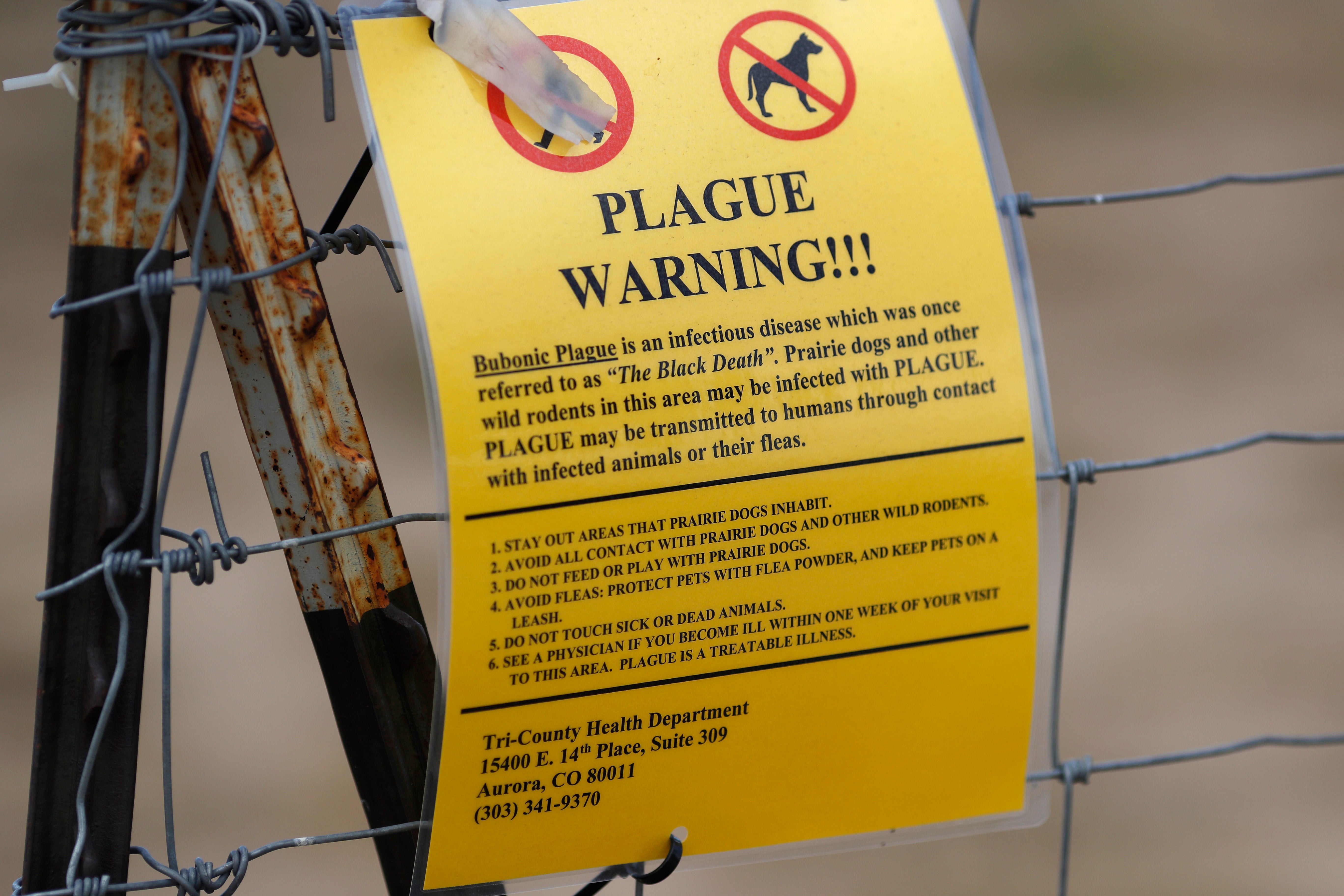
Yes, but the risk is very low. In the Western U.S. (including states like Arizona, California, Colorado, and New Mexico), the plague circulates among wild rodents and their fleas. A handful of human cases are reported annually. These are typically bubonic and are successfully cured with standard hospital antibiotics. You can find updated case statistics on the Centers for Disease Control and Prevention (CDC) website.
How do I know if I need the "cure" for plague?
The most distinct symptom of the most common form is the sudden onset of a "bubo"—a swollen, extremely tender lymph node, usually in the groin, armpit, or neck. If this is accompanied by sudden fever, headache, and a history of being in an area where plague is found in wildlife, you must seek emergency medical care immediately.
Moving Forward: Managing a Historical Foe
The existence of a cure has transformed the plague from an apocalyptic event into a manageable clinical reality. However, the "cure" is only as effective as the systems that deliver it. Continued investment in public health infrastructure, rapid diagnostic technology, and antibiotic stewardship is essential to ensure that Yersinia pestis remains a controlled pathogen rather than a resurgent threat.
If you are traveling to or living in an endemic area, the best "cure" is prevention: use insect repellent containing DEET, avoid contact with sick or dead rodents, and seek medical attention at the first sign of unexplained fever or swollen glands. In 2026, no one should die from the plague simply because they lacked information or access to a century-old class of medicine.
Image Gallery