The Best Data Center Practice for Energy Savvy Operators
For energy-savvy operators in 2026, the best data center practice is the implementation of a holistic, AI-driven circular energy economy. This integrates high-density liquid cooling, real-time predictive workload management, and waste...
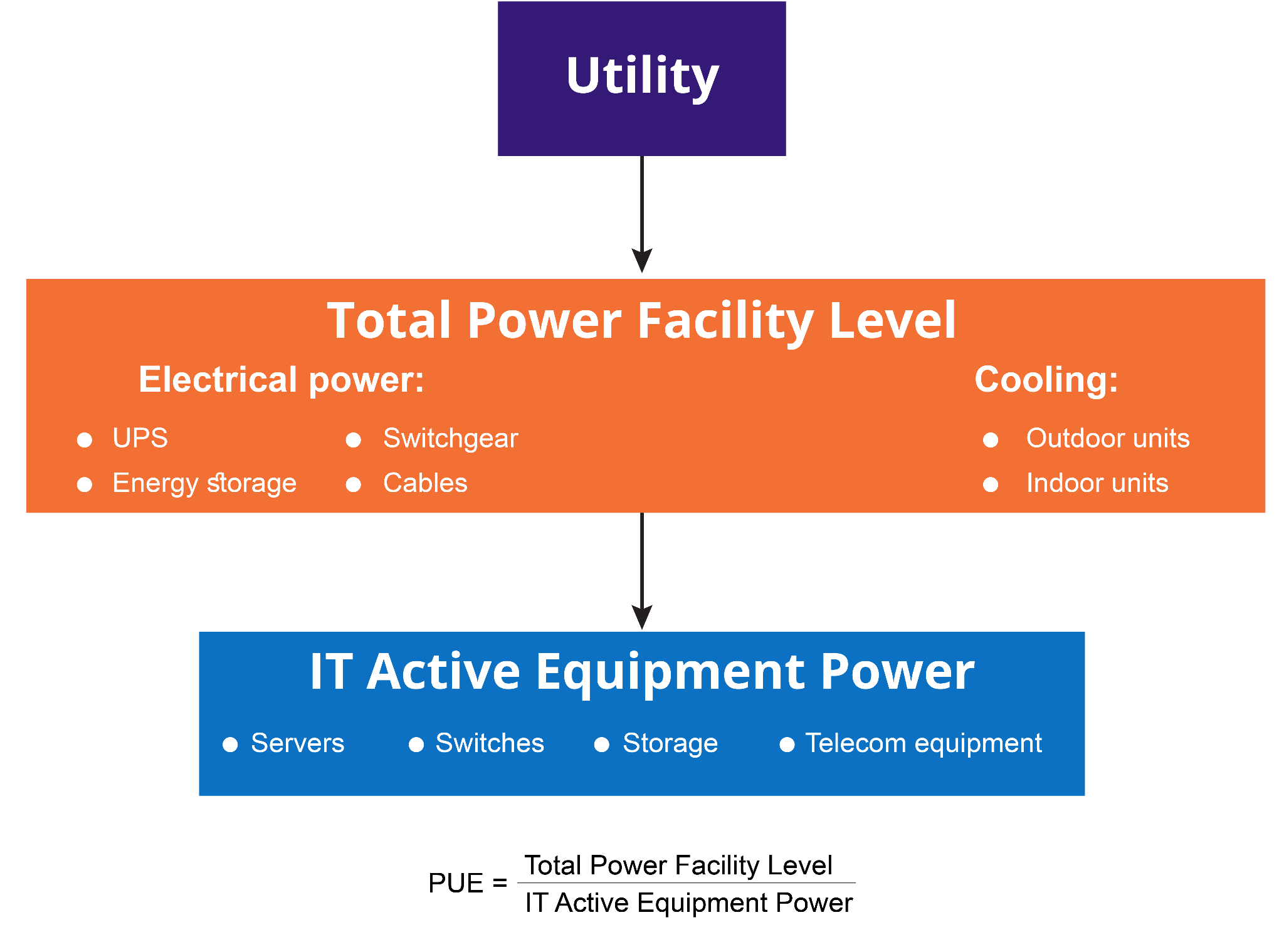
For energy-savvy operators in 2026, the best data center practice is the implementation of a holistic, AI-driven circular energy economy. This integrates high-density liquid cooling, real-time predictive workload management, and waste heat recovery systems to drive Power Usage Effectiveness (PUE) below 1.1 while maximizing resource secondary utility.
Contents
The landscape of data center management has shifted dramatically. As we navigate 2026, the dual pressures of unprecedented computational demand—driven by ubiquitous generative AI—and stringent global carbon mandates have rendered traditional cooling and power strategies obsolete. Energy-savvy operators no longer view power as a static overhead cost but as a dynamic variable that must be optimized through every layer of the infrastructure stack. Achieving peak efficiency requires moving beyond simple "hot aisle/cold aisle" configurations toward integrated systems that treat the data center as a thermal energy plant.
Transitioning to Advanced Liquid Cooling Architectures
The most significant shift for operators in 2026 is the migration from air-cooled environments to liquid cooling. With high-end GPU clusters now exceeding 700W per chip and rack densities frequently surpassing 100kW, air simply lacks the thermal conductivity required to maintain efficiency.
Direct-to-Chip (Cold Plate) Cooling
Direct-to-chip cooling remains the primary choice for brownfield retrofits. By circulating a dielectric fluid or water-glycol mixture through cold plates mounted directly on processors, operators can remove 70% to 80% of IT heat without the need for energy-intensive fans. For the energy-savvy operator, the "best practice" here involves utilizing high-temperature water loops. By running secondary loops at 30°C to 45°C (86°F to 113°F), facilities can achieve "free cooling" year-round in almost any climate, entirely bypassing the need for mechanical chillers.
Single-Phase and Two-Phase Immersion
For greenfield sites, immersion cooling has become the gold standard. Submerging servers in a thermally conductive, non-conductive liquid eliminates the need for server-level fans and drastically reduces the energy required for heat rejection. This practice not only lowers the facility PUE but also extends the lifespan of the hardware by protecting components from oxidation and thermal cycling. Operators must ensure that their infrastructure is designed to handle the weight of fluid-filled tanks, which is significantly higher than traditional raised-floor environments.
AI-Driven Thermal and Workload Orchestration
In 2026, manual threshold setting for cooling systems is a relic of the past. Energy-savvy operators now utilize Artificial Intelligence (AI) and Machine Learning (ML) to orchestrate the "Digital Twin" of their facility.
Predictive Cooling Adjustments
Modern AI systems analyze data from thousands of IoT sensors measuring pressure, humidity, and temperature. These systems don’t just react to heat; they predict it. By integrating with the workload scheduler, the cooling system can ramp up fluid flow seconds before a massive compute job begins. This prevents "thermal lag," where cooling systems overcompensate after a temperature spike, wasting significant energy in the process.
Intelligent Workload Shifting
A key practice is "follow the moon" or "follow the wind" workload shifting. Operators with geographically distributed sites move non-latency-sensitive batch processing jobs to facilities where renewable energy production is currently peaking or where ambient temperatures are lowest. This reduces the Carbon Usage Effectiveness (CUE) of the organization by aligning energy consumption with the availability of green power on the grid.
Infrastructure Modernization: Power Path Efficiency
Energy loss during power conversion remains a hidden drain on many facilities. Savvy operators focus on the "Power Path," from the utility substation down to the server’s voltage regulator module (VRM).
- Uninterruptible Power Supply (UPS) Optimization: Modern UPS systems in 2026 utilize "eco-mode" or "e-conversion" technologies that offer up to 99% efficiency. By reducing the number of AC/DC conversion steps, operators can shave 3-5% off their total energy bill.
- Lithium-Ion and Zinc-Battery Storage: Replacing lead-acid batteries with high-density lithium-ion or nickel-zinc alternatives allows for better energy density and longer life cycles. More importantly, these systems can participate in "Peak Shaving" or "Demand Response" programs, where the data center feeds power back to the grid during peak demand, generating revenue while stabilizing the local energy ecosystem.
- High-Voltage DC Distribution: Some advanced operators are bypassing AC distribution entirely within the white space, using 380V DC to power racks directly. This eliminates the need for individual server power supply unit (PSU) conversions, significantly reducing heat generation at the rack level.
Comprehensive Comparison of Cooling Technologies (2026 Standards)
The following table compares the three most prevalent cooling strategies currently employed by energy-efficient operators to help determine the best fit for specific density requirements.
| Technology | Typical Rack Density | PUE Impact | Primary Benefit | Implementation Complexity |
|---|---|---|---|---|
| Advanced Air (Containment) | 10–25 kW | 1.3 - 1.5 | Low capital expenditure; uses existing racks. | Moderate (Requires precise airflow tuning). |
| Direct-to-Chip (D2C) | 30–100 kW | 1.1 - 1.2 | High efficiency; supports retrofits; heat reuse ready. | High (Requires fluid plumbing to every rack). |
| Immersion Cooling | 100+ kW | < 1.05 | Maximum thermal density; no server fans; silent. | Very High (Requires specialized tanks and fluid). |
Circular Energy: From Waste to Resource
One of the most transformative practices for 2026 is the transition from "heat rejection" to "heat recovery." Data centers produce low-grade heat as a byproduct, which has traditionally been vented into the atmosphere.
Energy-savvy operators now partner with local municipalities or industrial neighbors to utilize this waste heat. Through the use of heat pumps, the 35°C–45°C water coming off a liquid-cooled rack can be boosted to 70°C, providing carbon-free heating for:
- District Heating Systems: Warming residential apartments in urban centers.
- Industrial Processes: Providing pre-heated water for food processing or textile manufacturing.
- Greenhouses: Maintaining stable temperatures for year-round local agriculture.
By selling or donating this heat, operators can significantly offset their operational costs and meet the "Net Zero" requirements mandated by the European Union’s Energy Efficiency Directive and similar global standards.
Regulatory Compliance and Metrics
Operators must move beyond PUE (Power Usage Effectiveness) as their sole metric. In 2026, the industry has adopted a more nuanced set of KPIs:
- WUE (Water Usage Effectiveness): Vital in arid regions where evaporative cooling is being phased out in favor of closed-loop liquid systems.
- CUE (Carbon Usage Effectiveness): Measures the CO2 emissions per kilowatt-hour of IT energy.
- ERF (Energy Reuse Factor): Tracks the portion of energy that is successfully diverted to secondary uses like district heating.
Adhering to ISO/IEC 30134 standards ensures that these metrics are measured consistently, providing transparent data for ESG (Environmental, Social, and Governance) reporting.
Common Mistakes to Avoid
Even experienced operators can fall into traps that undermine their energy-saving efforts.
- Over-Provisioning: Maintaining excessive redundancy (e.g., 2N+1) often leads to equipment running at low-load points where efficiency is poorest. Operators should aim for modular, scalable "pay-as-you-grow" power architectures.
- Ignoring "Zombie" Servers: Research indicates that up to 15% of servers in many data centers draw power without performing useful work. Regular auditing and automated decommissioning are essential.
- Inconsistent Floor Sealing: In air-cooled environments, even small gaps in floor tiles or missing blanking panels can cause "bypass airflow," where cold air misses the servers entirely and returns to the CRAC unit, wasting energy.
FAQs
What is the ideal PUE for a data center in 2026?
The industry standard for "high efficiency" has shifted. While 1.5 was once acceptable, the best-performing facilities in 2026 target a PUE of 1.1 or lower. Achieving this usually requires a combination of liquid cooling and the total elimination of mechanical refrigeration (chillers).
How does AI improve data center energy efficiency?
AI optimizes efficiency by managing complex variables that humans cannot process in real-time. It balances fan speeds, pump flow rates, and server clock speeds against fluctuating electricity prices and ambient weather conditions to find the "sweet spot" of minimum energy consumption for a given compute load.
Is liquid cooling safe for standard server hardware?
Most major OEMs now produce "liquid-ready" versions of their servers. For immersion cooling, standard servers can be used with minor modifications, such as removing fans and replacing thermal paste with specialized indium foils or compatible compounds.
Can old data centers be retrofitted for these practices?
Yes, but it is often done in stages. The most common path is implementing hot-aisle containment first, followed by direct-to-chip cooling for high-density AI racks, and finally integrating heat-recovery heat pumps as the local utility infrastructure allows.
What is the "Energy Reuse Factor" (ERF)?
ERF is a metric that calculates the ratio of energy diverted to a secondary productive use (like heating a nearby building) compared to the total energy consumed by the data center. An ERF of 0.3 means 30% of the energy used is being "recycled."
Final Recommendation for Operators
To truly master energy-savvy operations in 2026, start by auditing your thermal telemetry. You cannot optimize what you do not measure with granularity. Transition your highest-density workloads to direct-to-chip liquid cooling immediately to capture the most significant efficiency gains. Finally, look beyond your facility's walls—form partnerships for heat reuse, as circular energy is the only sustainable path forward in a power-constrained world.
Image Gallery