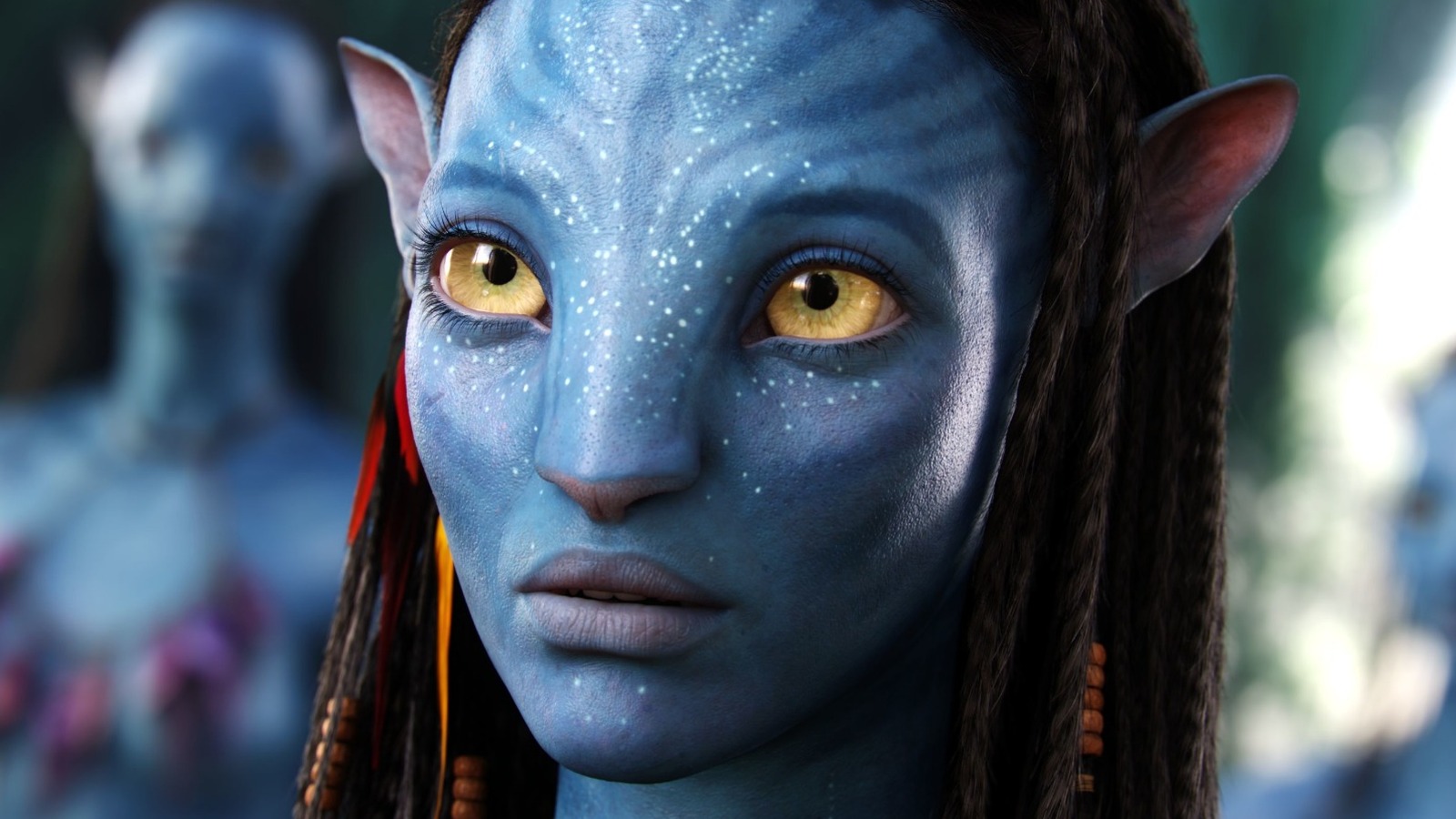
Choosing the Perfect Na’vi Name: A Comprehensive Guide to Avatar Identity Construction
Selecting an authentic Na’vi name requires a deep understanding of the linguistic rules and cultural traditions of Pandora. By following the established grammatical structures created by Dr. Paul Frommer and observing the matrilineal a...
Selecting an authentic Na’vi name requires a deep understanding of the linguistic rules and cultural traditions of Pandora. By following the established grammatical structures created by Dr. Paul Frommer and observing the matrilineal and patrilineal naming conventions of the Omaticaya and Metkayina clans, you can craft a meaningful and phonetically accurate Avatar identity.
Contents
Understanding the Foundations of the Na’vi Language
Before choosing a name, one must appreciate that the Na’vi language is a fully realized constructed language (conlang). As of 2026, the lexicon has expanded significantly, providing a robust framework for fans and roleplayers to develop identities that feel organic to the universe of James Cameron’s Avatar.
The language is characterized by specific sounds that do not exist in English, such as ejectives (px, tx, kx) and the glottal stop (indicated by an apostrophe '). A name that ignores these phonetic constraints often feels "off" to those familiar with Pandoran lore. When constructing an identity, your first step is to familiarize yourself with the allowable consonant clusters and vowel combinations. For example, Na’vi does not use the letters "b," "d," or "g" in their standard forms, as the language favors unvoiced stops.
The Significance of the 'Dream-Walker' Identity
In the context of the Avatar program, an identity is often a bridge between two worlds. For a "Dream-walker" (Uniltìrantokx), a name is not merely a label but a reflection of their journey from a human vessel to a biological Na’vi body. Choosing a name often involves a transition period where the individual is given a "working name" by their clan before earning a formal name through rites of passage like the Iknimaya.
The Structural Components of a Na’vi Name
A formal Na’vi name is typically composed of three distinct parts: the given name, the family marker (patronymic or matronymic), and the clan name. Understanding how these interact is crucial for anyone looking to establish a high-fidelity persona.
1. The Given Name
The given name is the primary identifier. These are often short, rhythmic, and utilize the unique phonology of the language.
- Masculine names often lean toward sharper, more aggressive consonants (e.g., Akwey, Tsu'tey).
- Feminine names frequently utilize softer flow or specific suffixes (e.g., Neytiri, Sylwanin).
It is important to ensure the name is "pronounceable" within the rules of the language. A name like "John" is impossible in Na’vi because it contains the "j" sound, which does not exist in their phonology. An adaptation might become "Tyon."
2. The Te-Connector and Lineage
The most recognizable feature of Na’vi names is the "te" connector. This word functions as a bridge between the individual's given name and their parentage.
- itan: This means "son." If a male is the son of a man named Jake, his middle designation would be te Tsyeyk-itan.
- ite: This means "daughter." If a female is the daughter of Neytiri, her designation would be te Neytiri-ite.
This system reflects the deep importance of ancestry and the "All-Mother," Eywa. It signifies that no individual stands alone; they are always defined by those who came before them.
3. The Clan Name
The final piece of the identity is the clan name. Whether you belong to the forest-dwelling Omaticaya, the sea-bound Metkayina, or the nomadic Sarentu, your clan name identifies your ecological and social niche. For example, in the name Neytiri te Tskaha Mo'at'ite, "Tskaha" is the clan name.
Cultural Nuance: Omaticaya vs. Metkayina Naming Traditions
By 2026, our understanding of Pandoran cultures has broadened to include various biomes. Each environment influences how names are perceived and chosen.
Forest Clans (Omaticaya)
The Omaticaya names often reflect the verticality of their environment—the trees, the banshees (ikran), and the hunt. Names here are often earned through feats of bravery or connection to the Hometree. When choosing an Omaticaya identity, consider roots that imply strength, stability, or flight.
Sea Clans (Metkayina)
The Metkayina and other reef-dwelling clans have a culture deeply intertwined with the Tulkun (sentient whale-like creatures). Their names may reflect the fluidity of water or their "spirit brother/sister" relationships. A Metkayina identity might be more fluid in its phonetic structure, mimicking the ebb and flow of the tides.
The Ash People and Beyond
Recent developments have introduced the "Ash People," a more volatile clan. Identities associated with this group might utilize harsher phonetics and roots associated with fire, survival, and volcanic landscapes. Choosing a name from this culture requires a departure from the more harmonious tones of the Omaticaya.
Step-by-Step Guide to Creating Your Identity
To create a name that stands up to linguistic scrutiny, follow this systematic approach:
- Define Your Origin: Are you a "recombinant" (reco), an original Avatar driver, or a natural-born Na’vi? This determines if you need a "human" name adaptation or a purely Pandoran root.
- Select a Root Meaning: Use a Na’vi dictionary to find a verb or noun that fits your character's personality. If your character is a healer, look for roots related to "kindness" (sìltsan) or "spirit" (fahew).
- Apply Phonetic Constraints: Ensure there are no "illegal" letters. Replace 'B' with 'P', 'D' with 'T', and 'G' with 'K'.
- Establish Lineage: Identify the names of your character's parents. Use the -itan or -ite suffixes correctly.
- Finalize with a Clan: Choose a clan that matches your character's skills and environment.
Comparison of Na’vi Naming Elements
The following table provides a quick reference for common prefixes, suffixes, and structural elements used in identity construction.
| Element | Type | Meaning/Usage | Example |
|---|---|---|---|
| -itan | Suffix | Son of | Jake-itan |
| -ite | Suffix | Daughter of | Mo'at-ite |
| te | Connector | Links name to family | Neytiri te Tskaha |
| ' | Punctuation | Glottal stop (pause) | Tsu**'**tey |
| Px, Tx, Kx | Consonants | Ejective sounds | Pxay (many) |
| ì | Vowel | Short 'i' (as in "hit") | Sìltsan (good) |
| ä | Vowel | Short 'a' (as in "hat") | Kä (go) |
Common Mistakes to Avoid
In the process of choosing the right Avatar identity, many enthusiasts fall into common traps that break immersion:
- Using English Vowels: Na’vi vowels are consistent. They do not change based on surrounding letters like they do in English. An "e" is always an "eh" sound, never a "silent e" or a "long e" (which is represented by 'i').
- Incorrect Ejective Placement: Ejectives (px, tx, kx) cannot be placed anywhere. They are usually found at the start of a syllable. Placing them at the end of a word is rare and often phonetically difficult.
- Ignoring the Gender of Suffixes: A common error is using -itan for a female character. While Na’vi culture is progressive in many ways, their language remains strictly gendered regarding lineage markers.
- Over-complicating the Clan Name: Clan names are usually 2-3 syllables. If your clan name is a long string of random consonants, it will not feel like a natural part of the Pandoran ecosystem.
Frequently Asked Questions
Can an Avatar keep their human name?
Yes, but it is usually adapted to Na’vi phonology. For example, "Grace" became "Eywa Ngahu" (may Eywa be with you) in some informal contexts, though her name was generally simplified to "Kreys." Most Avatars choose a new name to signify their rebirth into the clan.
How do I know if my chosen name is already taken in canon?
You should consult the official Avatar Wiki or the Pandoran Research Foundation databases. Names like Jake, Neytiri, Kiri, Lo'ak, and Spider are central canon names and should generally be avoided for original characters to prevent confusion within the community.
What is the role of a "Shadow Name"?
In some expanded lore, individuals might have a "shadow name" or a nickname used only by close family or spirit brothers/sisters. These are often based on a specific event, such as a successful hunt or a personality quirk noticed during childhood.
Are there official Na'vi name generators?
While several fan-made generators exist, they often produce linguistically incorrect results. The most reliable method is to use a Na'vi-English dictionary and manually construct the name using Dr. Frommer's grammar rules to ensure the identity is "authentic."
Is the "te" connector mandatory for all Na’vi?
In formal introductions and ceremonies, yes. It is a sign of respect to one's ancestors. However, in casual conversation among friends or during high-intensity situations (like combat), Na’vi often refer to each other by their given names only.
Practical Recommendation for Next Actions
To finalize your Avatar identity, start by drafting three variations of a name based on different linguistic roots. Test the pronunciation aloud, paying special attention to the glottal stops and ejective consonants. Once you have a name that feels natural, cross-reference it with a Na’vi grammar guide to ensure the te-connector and lineage suffixes are applied correctly. Finally, immerse yourself in the community to see how others react to the phonetic "feel" of your name—an authentic identity is one that sounds like it belongs to the winds and waters of Pandora.
Image Gallery