Brick Patch NJ: A Professional Guide to Masonry Repair and Restoration for 2026
Repairing damaged brickwork in Brick, New Jersey, requires a nuanced understanding of local coastal climate stressors, historical masonry standards, and the specific material compatibility necessary to prevent further structural degrad...
Repairing damaged brickwork in Brick, New Jersey, requires a nuanced understanding of local coastal climate stressors, historical masonry standards, and the specific material compatibility necessary to prevent further structural degradation. Whether you are addressing minor mortar erosion or significant structural spalling, professional intervention in 2026 emphasizes the use of compatible lime-based mortars and historically accurate brick matching to ensure long-term integrity against the humid, salt-heavy atmosphere of Ocean County.
Contents
Understanding Brick Deterioration in Ocean County
The coastal environment of Brick, NJ, presents unique challenges to masonry structures. The combination of salt air, high relative humidity, and frequent freeze-thaw cycles contributes to the acceleration of brick spalling and mortar joint failure. In 2026, homeowners and property managers must recognize that modern synthetic repair materials often cause more harm than good by trapping moisture behind the masonry face.
Masonry decay is primarily driven by three factors:
- Capillary Action: Salt-laden moisture enters the brickwork and crystallizes upon drying, exerting internal pressure that causes the face of the brick to pop off.
- Incompatible Mortar: The application of high-strength Portland cement over soft, historic brick causes stress concentrations, leading to cracking when the building shifts or undergoes thermal expansion.
- Biological Growth: The persistent humidity in coastal New Jersey encourages algae and lichen growth, which retains water and accelerates the chemical breakdown of masonry units.
Material Selection and Technical Standards
When selecting materials for a brick patch in New Jersey, adherence to ASTM International standards is vital. For most residential and commercial brick in this region, the hardness of the mortar must be lower than the hardness of the brick unit. If the mortar is harder than the brick, the brick will become the sacrificial element and suffer the primary damage.
Comparison of Masonry Repair Materials
| Material Type | Primary Use Case | Moisture Permeability | Compatibility with Historic Brick |
|---|---|---|---|
| Type N Mortar | General Purpose | Moderate | High |
| Type O Mortar | Historic/Soft Brick | High | Superior |
| Epoxy/Polymer Injection | Structural Cracks | Low | Poor (Use with caution) |
| Lime-Based Mortar | Restoration Projects | Very High | Excellent |
Executing a Professional Masonry Repair
A successful brick patch is not merely about aesthetic matching; it is a structural procedure that restores the building envelope's integrity. Professionals follow a rigorous multi-step workflow to ensure the longevity of the patch.
- Site Assessment and Moisture Audit: Evaluate the source of the moisture that caused the initial damage. If a leak exists in the gutter system or roof flashing, patching the brick will only result in the new mortar failing within two years.
- Removal of Deteriorated Material: Carefully grind or chisel out the mortar joints or remove failed brick units to a depth of at least 2.5 times the joint width.
- Substrate Preparation: Remove loose debris and dust using compressed air or a soft brush. The substrate must be dampened (but not saturated) before applying new material to ensure proper bond development.
- Mortar Placement and Tooling: Apply the mortar in layers, or "lifts," to prevent shrinkage. The final joint profile should match the original architectural design, typically a concave or raked joint.
- Curing Process: Protect the new mortar from direct sunlight and freezing temperatures for at least 72 hours using damp burlap or plastic sheeting to promote proper hydration.
Addressing Structural Spalling and Efflorescence
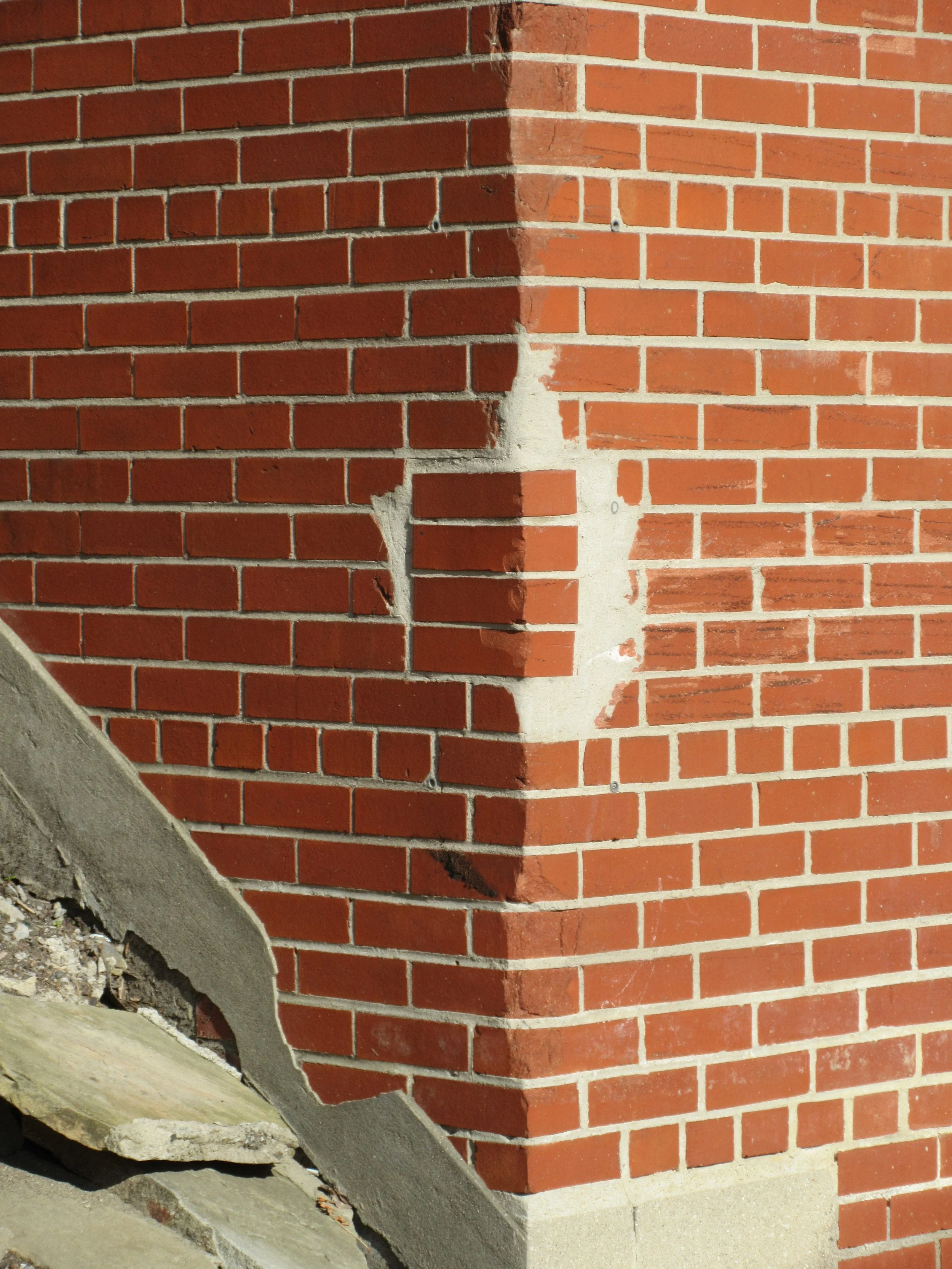
Efflorescence—the white, chalky deposit often seen on Brick, NJ, homes—is a symptom of moisture movement. It occurs when soluble salts are transported to the surface and crystallize. If left unaddressed, this process often leads to subsurface spalling, where the brick face disintegrates.
To treat this, one must:
- Identify the moisture entry point.
- Use a dry bristle brush to remove existing salts.
- Avoid acidic cleaners unless the substrate is chemically resistant, as they can etch the brick face and increase porosity.
Preventing Future Damage: Maintenance Best Practices
Strategic Maintenance Protocols
Annual Inspections Conduct a visual inspection of all masonry surfaces every autumn. Look for hairline cracks in mortar joints, missing mortar, or bricks that sound hollow when tapped.
Gutter and Downspout Efficiency Ensure all rainwater is diverted at least six feet away from the foundation. Clogged gutters are the leading cause of premature masonry failure in residential Brick properties.
Vegetation Management Keep ivy and large shrubbery at least 12 inches away from brick walls. Root systems can penetrate joints, while foliage inhibits the evaporation of moisture from the wall surface.
Frequently Asked Questions
How do I find a matching brick for my home in Brick, NJ? Matching brick involves color, texture, and absorption rate analysis. Professionals often source salvage brick from historical yards in the Tri-State area or utilize custom-fired units that approximate the specific clay composition of older New Jersey homes.
Can I use generic hardware store mortar for a patch? It is generally discouraged. Most off-the-shelf mortars are high-strength Portland cement, which is often too rigid for existing masonry. Using improper materials frequently leads to cracks in the surrounding original bricks.
What is the best time of year to perform masonry repairs in New Jersey? The optimal windows are spring (April to June) and early fall (September to October). Temperatures between 50°F and 80°F provide the best conditions for mortar hydration and curing.
Does homeowners insurance cover brick damage? Insurance typically covers sudden, accidental damage (like impact or storm debris) but excludes "wear and tear" or maintenance issues. Always consult your specific policy for clauses regarding structural integrity.
How long does a professional masonry patch last? When installed using climate-appropriate, breathable mortar, a professional brick patch should last between 20 and 40 years before requiring significant repointing.
Conclusion and Professional Consultation
The structural health of your property depends on the quality of its masonry. In Brick, NJ, where the environment is particularly unforgiving to porous materials, choosing the right repair strategy is a financial investment in your home’s long-term value. Always prioritize companies that utilize lime-based mortars and demonstrate an understanding of regional environmental impacts. For specific structural cracks or foundation-related masonry failures, consult a licensed structural engineer before proceeding with aesthetic repairs.
Image Gallery