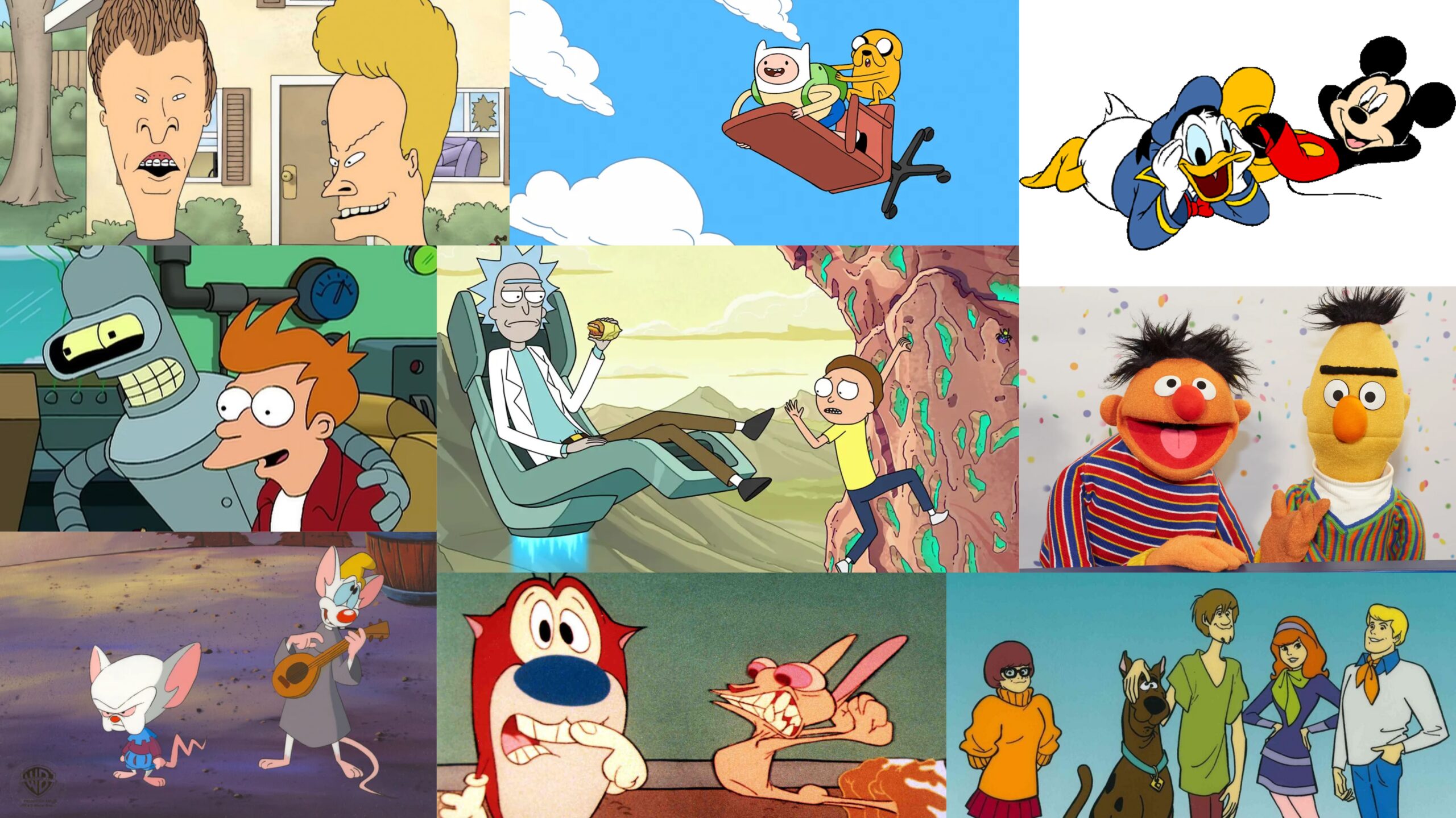
The Funniest Dynamic Duos in Comedy: A Study of On-Screen Chemistry
The funniest dynamic duos in comedy are characterized by the "straight man" and "funny man" archetype, where contrasting personalities, rhythmic timing, and mutual reliance create a synergistic effect greater than the sum of their part...
The funniest dynamic duos in comedy are characterized by the "straight man" and "funny man" archetype, where contrasting personalities, rhythmic timing, and mutual reliance create a synergistic effect greater than the sum of their parts. These partnerships succeed by balancing subversion with reliability, allowing audiences to connect with a recognizable social dynamic elevated to an art form.
Contents
Comedy is rarely a solo endeavor. While stand-up often focuses on the individual perspective, the most enduring comedic legacies—both in film and television—are built upon the foundation of two people feeding off each other’s energy. The alchemy required to create a truly iconic comedic duo involves a delicate balance of timing, empathy, and technical proficiency. Understanding these duos requires looking past the individual performer to analyze how their specific brand of humor shifts when placed in opposition to a partner.
The Mechanics of Comedic Chemistry
At the heart of the most effective comedic pairings is the concept of the "double act," a performance structure that originated in vaudeville and matured during the golden age of cinema and radio. This dynamic usually involves a clear distribution of roles. The "funny man" (or clown) acts as the catalyst for absurdity, while the "straight man" provides the audience with a grounding point—a surrogate for the viewer who reacts with logic, frustration, or confusion to the chaos unfolding on screen.
This tension is not accidental. It is a calculated narrative device. Without a straight man, the comedy lacks contrast; without a funny man, the comedy lacks drive. Successful duos, such as Abbott and Costello or the more modern iterations seen in shows like Key & Peele, thrive because they intuitively understand when to switch these roles. This fluidity keeps the audience guessing and prevents the comedic rhythm from becoming predictable or stale.
Historical Evolution of the Comedy Duo
The history of the duo in comedy can be segmented by the technology and social expectations of the era. Early pioneers like Laurel and Hardy mastered the art of physical comedy, utilizing their contrasting body types to establish an immediate visual punchline. Stan Laurel’s spindly, bewildered innocence paired perfectly with Oliver Hardy’s portly, impatient pomposity. This was the pinnacle of silent and early-talkie comedy, where the humor was universal and relied on character-driven incompetence.
As the industry shifted toward radio and eventually television, the emphasis moved toward rapid-fire dialogue. The verbal sparring of mid-20th-century acts set the pace for what we now recognize as the "sitcom dynamic." Writers began crafting scripts specifically designed to exploit the idiosyncratic voices of their lead actors. By the late 20th century, the duo format moved into sketch comedy, where the ability to play multiple characters while maintaining a core chemistry became the primary requirement for success.
Comparing Iconic Comedic Partnerships
Not all duos function in the same way. Some are built on genuine, lifelong friendships that translate to screen, while others are purely professional arrangements that rely on impeccable timing. The following table highlights the distinct stylistic approaches of some of the most influential duos in history.
| Duo | Primary Style | Core Dynamic |
|---|---|---|
| Laurel & Hardy | Slapstick / Physical | Incompetence vs. Frustration |
| Abbott & Costello | Verbal / Rapid-fire | Chaos vs. Logical Resistance |
| Martin & Lewis | Personality / Energy | The Wild Man vs. The Smooth Operator |
| Key & Peele | Satirical / Character-based | Mutual Versatility / Cultural Commentary |
| Fey & Poehler | Observational / Meta | Intellect vs. Comedic Aggression |
The Role of Writing and Improvisation
The longevity of these duos often depends on how much freedom they are granted in the writer's room. For many of the greatest pairings, the script serves only as a skeleton. The "meat" of the performance—the specific cadence, the micro-expressions, and the ad-libbed reactions—comes from years of repetition and deep understanding of a partner's creative impulses.
When a duo works together for a significant period, they develop a shorthand. They no longer need to communicate complex ideas to one another; they can predict how the other will respond to a premise. This is highly evident in modern sketch-based comedy, where the ability to "yes-and" (a foundational rule of improvisation) allows the pair to escalate a mundane situation into a high-stakes comedic scenario. The audience perceives this as spontaneity, but it is actually the result of rigorous, shared discipline.
Why Audiences Resonate with Pairs
Human beings are wired to seek out relationships, and we often process our own social lives through the lens of binary dynamics. We identify with the partner who is trying to keep things together, and we enjoy the release provided by the partner who is willing to tear everything apart. This makes comedic duos more relatable than solo comedians. A duo creates a miniature world—a society of two—where the rules of conduct, power struggles, and resolution play out in a microcosm of real life.
Furthermore, these partnerships provide a sense of security. Because the duo is a unit, the audience knows that regardless of how disastrous the situation becomes, the "unit" will remain intact. This allows viewers to engage with darker or more aggressive forms of humor without feeling alienated, because the bond between the performers softens the blow.
Challenges in Maintaining a Long-Term Duo
The pressure to remain funny while maintaining a healthy personal dynamic is significant. History is littered with professional splits where the friction that made the duo great on screen eventually became unsustainable off-screen. The "straight man/funny man" dynamic is inherently asymmetrical, and if one partner feels they are consistently relegated to the role of "supporting player" or "the person who gets the joke," resentment can build.
Modern duos have addressed this by adopting more egalitarian models. Today’s most successful pairs often trade the roles of initiator and reactor within the same scene. This prevents the creative stagnation that plagued many classic duos and ensures that both performers remain central to the narrative.
Frequently Asked Questions
1. What is the "straight man" in a comedic duo? The straight man is the character who reacts to the insanity of the "funny man." They are essential because they provide a sense of reality to the sketch, giving the audience a baseline against which to measure how absurd the situation is. Without a straight man, a comedic scene would lack a perspective for the audience to inhabit.
2. Is chemistry between duos always genuine? No. While some iconic duos were close friends, others had professional relationships characterized by high levels of conflict or personal distance. Comedy is a craft; just like in a dramatic play, actors are performing a role. Whether the chemistry is fueled by real-world affection or professional respect, the final product is what the audience consumes.
3. Why do some comedic duos break up? Creative differences, power imbalances, and the desire to pursue individual projects are common reasons. Many duos thrive on a specific creative tension that, over time, can become exhausting to maintain. Successful transitions often occur when the pair realizes their shared narrative has reached its natural conclusion.
4. How has modern technology changed the duo dynamic? Platforms like social media and short-form video allow duos to test material much faster than in the past. Where classic duos had to spend years in clubs perfecting their act, modern creators can gather data in real-time. This has led to faster turnover but has also made it more difficult for long-form, character-based duos to build the deep, multi-year legacy of their predecessors.
5. What is the most important skill for a comedic partner? Listening is paramount. A comedian who is only focused on their next line will fail. A successful duo is defined by how well each person listens to the other's verbal and non-verbal cues. If you do not hear your partner, you cannot build the necessary tension that makes the climax of the joke work.
Recommendations for Further Appreciation
To truly understand the legacy of these pairings, start by viewing their work chronologically. Watch an early film or segment by a classic duo, such as Abbott and Costello, then compare it to their work a decade later. You will notice how the timing tightens and how they become more efficient at executing their bits. Whether you are interested in the physical mastery of the mid-20th century or the razor-sharp, dialogue-heavy satire of the current era, the fundamental rule remains: the quality of the comedy is dictated by the strength of the connection between the two performers.
Image Gallery