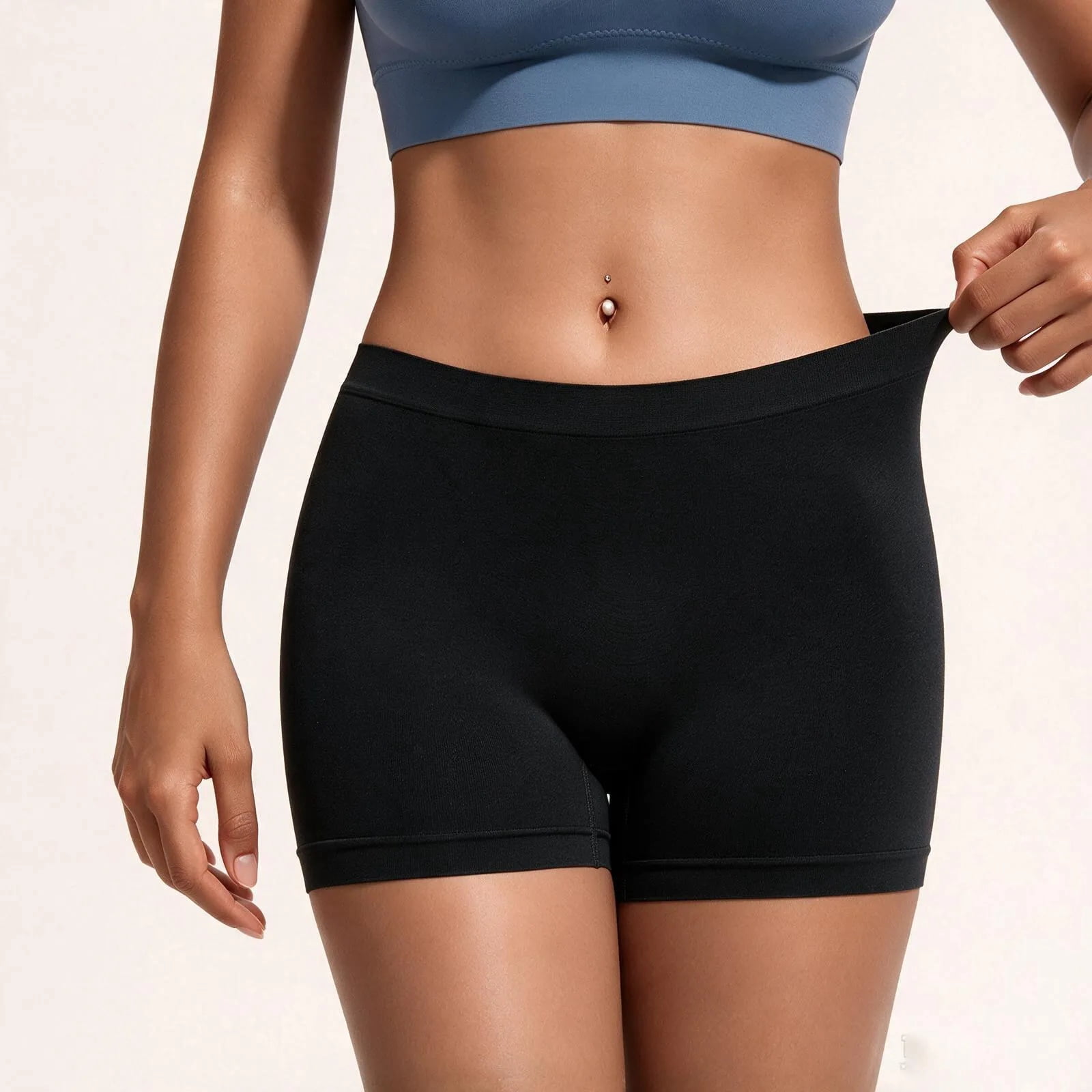
Best Shorts to Prevent Chafing: A Comprehensive Guide to Friction-Free Performance
High-performance anti-chafing shorts prevent skin irritation by using moisture-wicking synthetic fabrics, such as polyester and spandex blends, combined with extended inseams (typically 5 to 9 inches) and compression fits. These garmen...
High-performance anti-chafing shorts prevent skin irritation by using moisture-wicking synthetic fabrics, such as polyester and spandex blends, combined with extended inseams (typically 5 to 9 inches) and compression fits. These garments provide a physical barrier between skin surfaces while utilizing flatlock seams to eliminate abrasive contact points during repetitive motion.
Contents
Skin chafing, often referred to in clinical terms as intertrigo or frictional dermatitis, occurs when skin-to-skin or skin-to-fabric contact creates micro-tears in the epidermis. In 2026, the textile industry has advanced significantly in its ability to manage the two primary catalysts of this condition: moisture and friction. Selecting the right apparel is no longer just about aesthetics; it is a technical requirement for runners, hikers, and fitness enthusiasts who wish to avoid the painful, stinging sensation of "thigh rub."
The Mechanics of Chafing and Why Apparel Choice Matters
To understand why specific shorts prevent chafing, one must understand the physiology of the skin under stress. When the skin becomes wet—whether from sweat or environmental moisture—the friction coefficient increases. Moist skin is more "tacky" and prone to shearing forces. When two surfaces (like the inner thighs) rub together repeatedly, the protective outer layer of the skin, the stratum corneum, begins to break down.
Traditional cotton shorts are often the primary culprit in exercise-induced chafing. Cotton is a hydrophilic fiber, meaning it absorbs and retains moisture. Once saturated, cotton becomes heavy, loses its shape, and acts like sandpaper against the skin. In contrast, modern anti-chafing shorts utilize hydrophobic synthetic fibers. These materials pull sweat away from the skin’s surface and distribute it across the outer layer of the fabric for rapid evaporation, a process known as capillary action or "wicking."
Key Technical Features of Anti-Chafing Shorts
When evaluating the best shorts to prevent chafing in 2026, several technical specifications determine a garment's effectiveness. Consumers should prioritize these four elements:
1. Inseam Length and "Ride-Up" Prevention
The inseam length is arguably the most critical factor for preventing thigh-to-thigh contact. For most body types, a 3-inch inseam is insufficient because the fabric tends to "ride up" toward the groin, leaving the lower inner thighs exposed. A 5-inch, 7-inch, or 9-inch inseam is generally recommended. The longer the inseam, the more likely the fabric will stay in place, providing a continuous barrier. Look for shorts with silicone grippers or reinforced hems that prevent the legs from migrating during high-intensity movement.
2. Compression and Fit
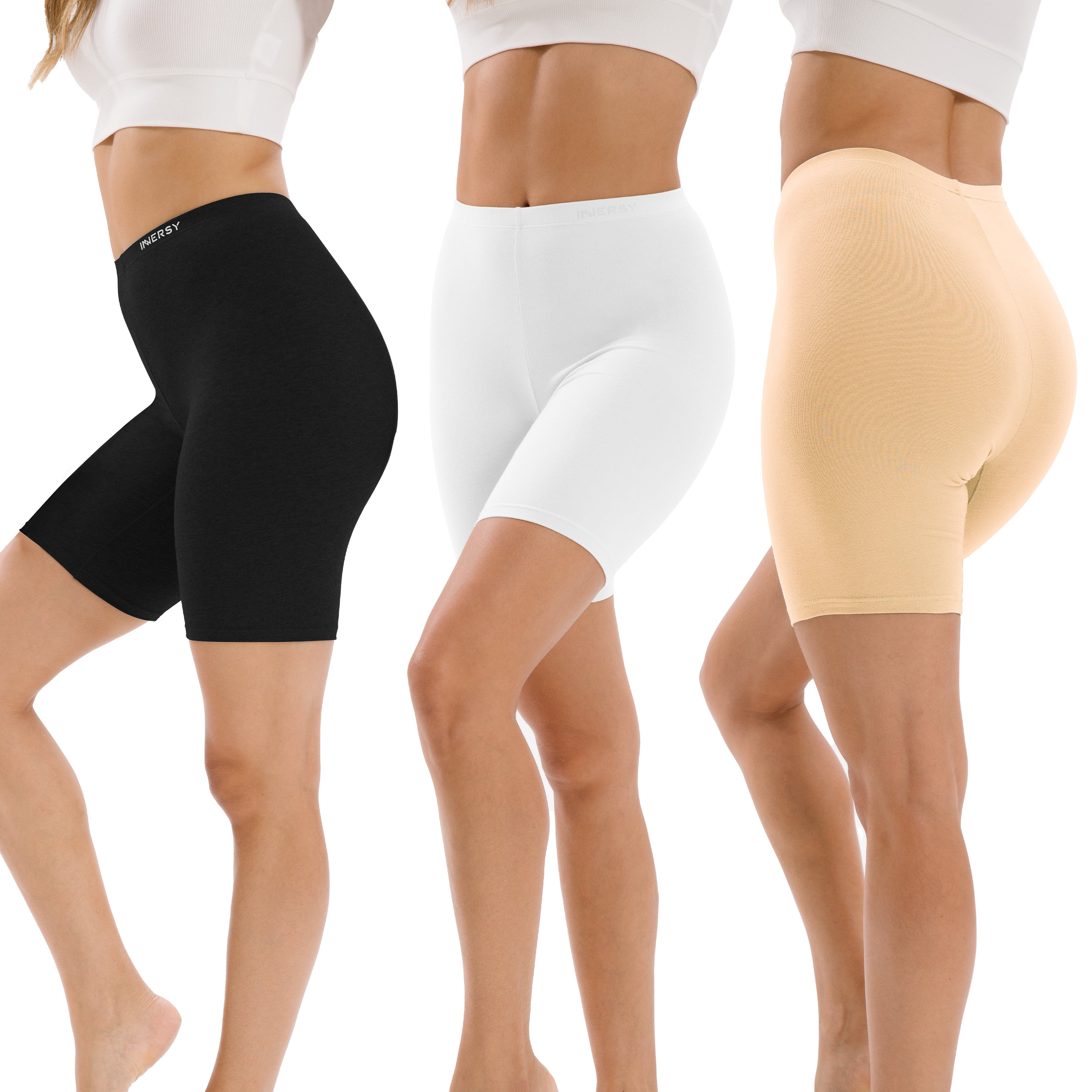
Compression shorts are the gold standard for chafing prevention. By providing a "second skin" fit, these garments ensure that the friction occurs between the layers of fabric rather than between the skin. The mechanical pressure of compression also helps keep the muscle groups stable, which can indirectly reduce the swaying motion that contributes to friction.
3. Flatlock Seaming and Gusseted Crotches
Traditional "overlock" seams create a raised ridge of fabric that can dig into the skin. Technical anti-chafing shorts utilize flatlock seams, where the fabric edges are butted together and stitched flat. Additionally, a "gusseted crotch"—a triangular or diamond-shaped piece of fabric sewn into the crotch area—eliminates the intersection of four seams in a high-friction zone, significantly increasing comfort and range of motion.
4. Fabric Composition and Breathability
In 2026, high-end performance brands frequently use blends of recycled polyester, nylon, and Lycra (elastane). Nylon provides durability and a silky smooth texture that reduces external friction, while elastane provides the necessary "give" for movement. Antimicrobial treatments, such as silver-ion technology, are also common in modern shorts to prevent the buildup of bacteria that can exacerbate skin irritation.
Comparison of Top Anti-Chafing Short Categories
Different activities require different levels of protection. The following table compares the most effective styles available in 2026.
| Short Type | Primary Benefit | Best Use Case | Recommended Inseam |
|---|---|---|---|
| Compression Base Layer | Maximum skin protection and muscle support | Marathon running, HIIT, under-uniform wear | 7 - 9 inches |
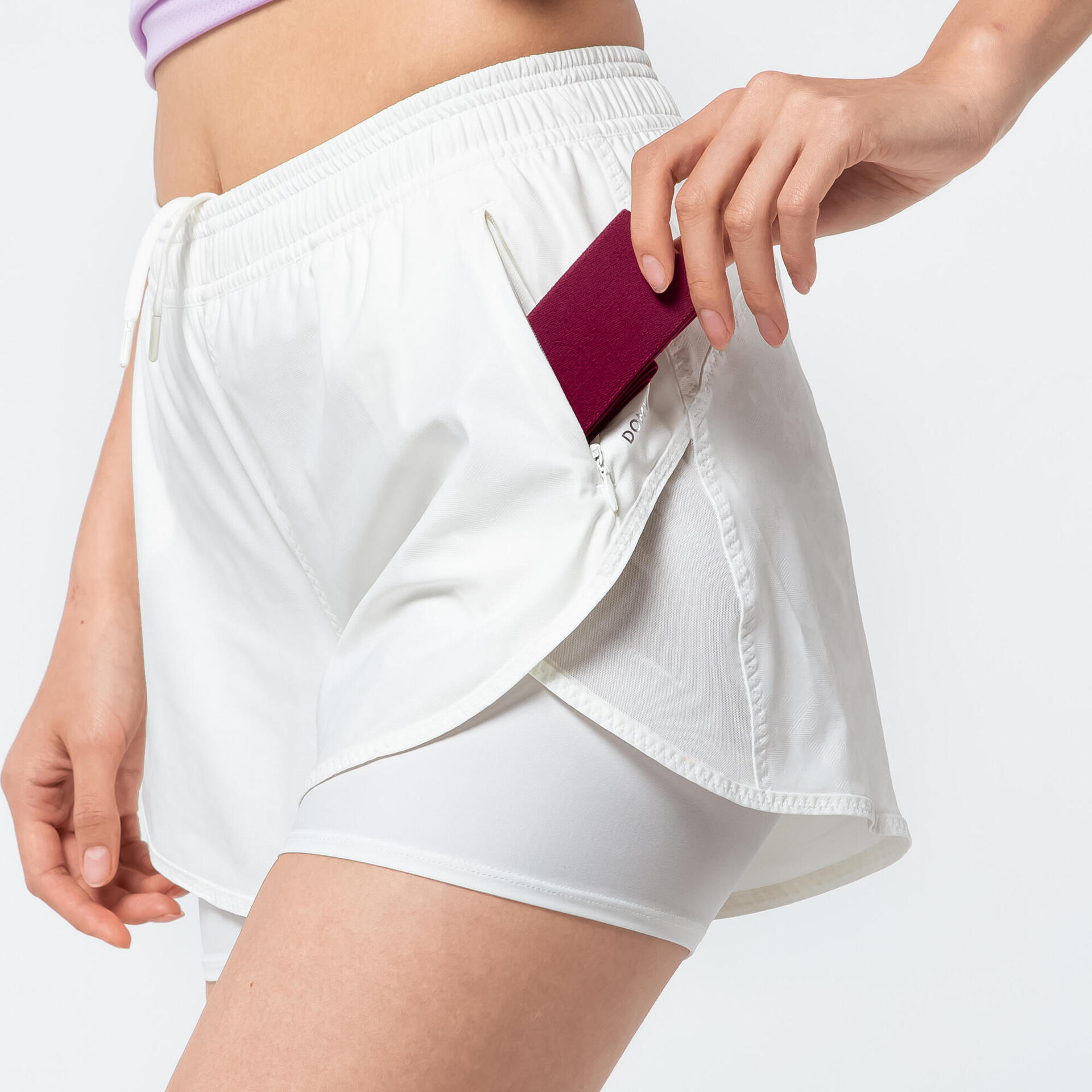
| 2-in-1 (Dual-Layer) Shorts | Combines modesty of loose shorts with a built-in liner | General gym use, trail running | 5 - 7 inches |
| Biker/Cycling Shorts | High-waisted stability and smooth exterior | Cycling, spinning, casual wear | 8 - 10 inches |
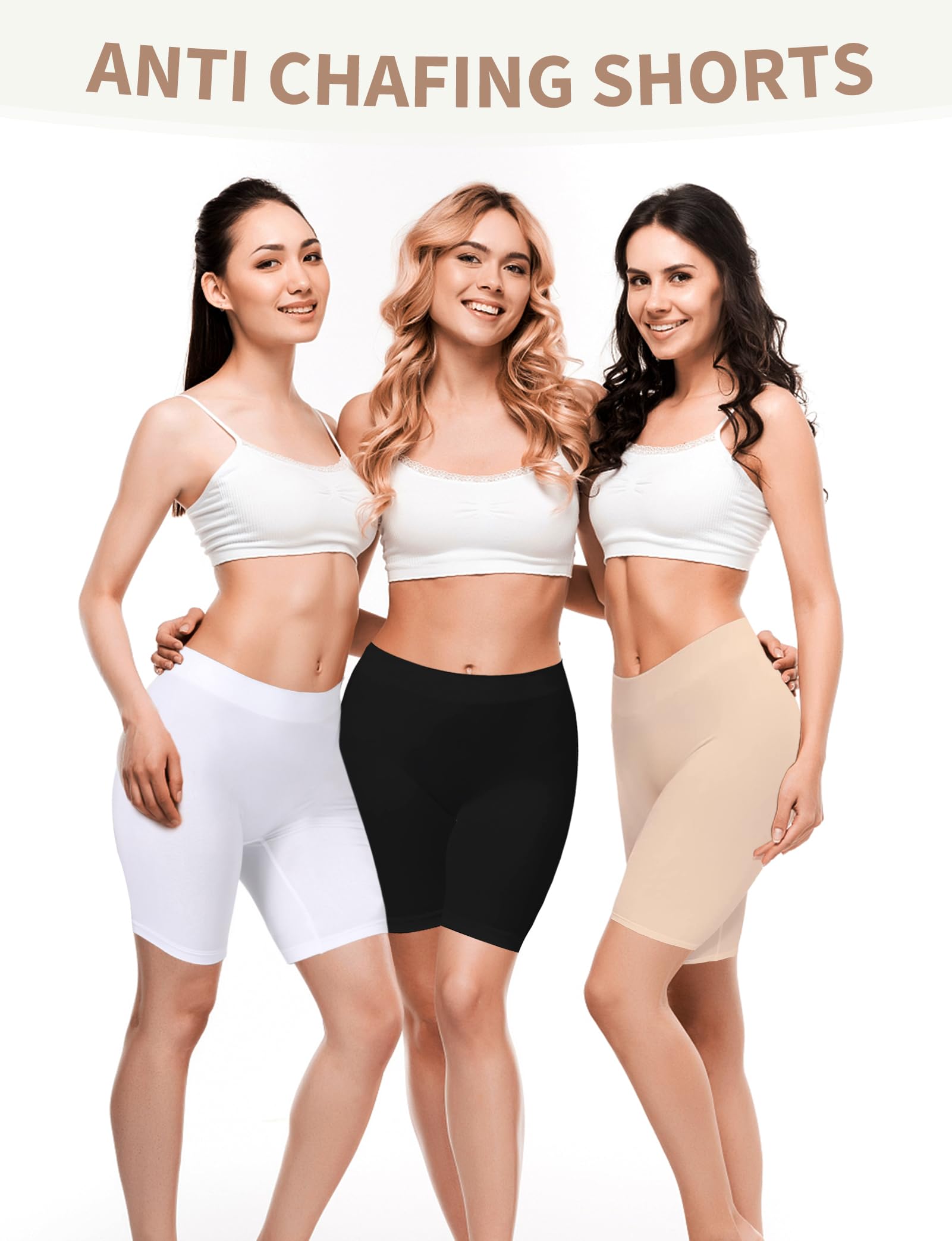
| Anti-Chafing Slips | Ultra-thin, breathable, and invisible under clothing | Everyday wear, dresses, light walking | 4 - 6 inches |
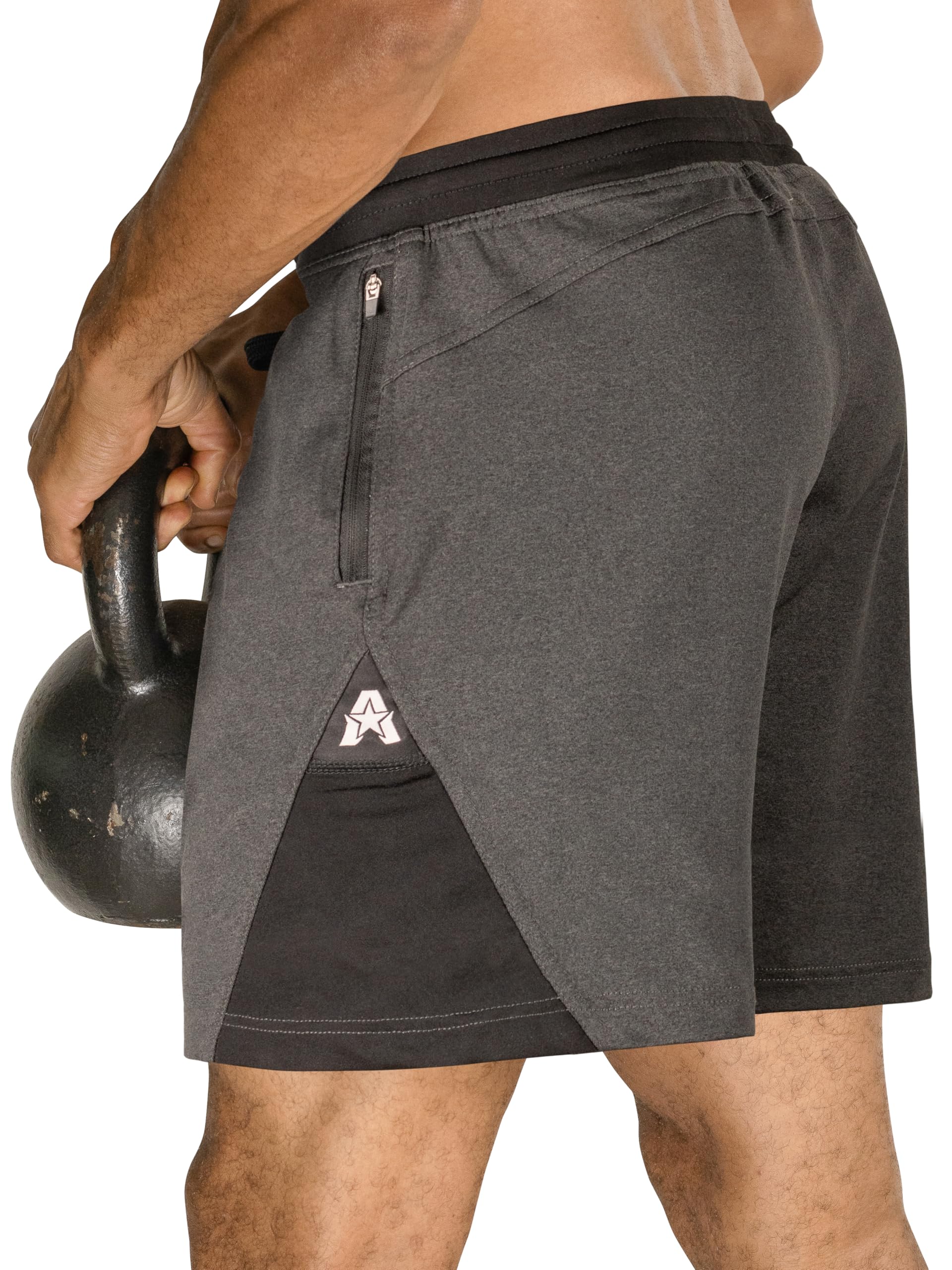
| Performance Cargo Shorts | Utility plus moisture management | Long-distance hiking, backpacking | 9+ inches |
Detailed Review of Leading Anti-Chafing Models
The Performance Powerhouse: Nike Pro Collection
The Nike Pro line remains a staple in 2026 for its consistent use of Dri-FIT technology. These shorts are designed specifically as a base layer. The tight fit ensures that there is zero movement of the fabric against the skin, while the high-stretch waistband provides a secure fit that doesn't roll down. They are particularly effective for athletes who engage in lateral movements, such as soccer or tennis players.
The Runner's Choice: Brooks Sherpa 2-in-1
For those who prefer the look of traditional running shorts but need the protection of compression, the Brooks Sherpa 2-in-1 is a perennial favorite. The internal liner is engineered to be exceptionally soft and seamless. Brooks uses a "stay-put" liner design that is specifically tensioned to prevent riding up, even during the sweat-heavy middle miles of a marathon.
The Everyday Essential: Thigh Society
Focusing more on lifestyle and light activity, Thigh Society has mastered the "non-compression" anti-chafing short. These are ideal for users who find the tightness of athletic compression uncomfortable for all-day wear. Their "The Cooling" model uses a high-tech yarn that actually lowers skin temperature, making it a premier choice for high-humidity environments.
Maintenance and Longevity of Technical Fabrics
To preserve the anti-chafing properties of high-performance shorts, proper care is essential. The elastane fibers that provide compression are sensitive to heat and chemicals.
- Avoid Fabric Softeners: Fabric softeners work by leaving a waxy coating on fibers. While this makes towels feel soft, it "clogs" the wicking channels of synthetic fabrics, preventing them from managing moisture effectively.
- Wash in Cold Water: High temperatures can break down the elastic polymers in the fabric, leading to "bagging" or loss of compression. Once a pair of shorts loses its tight fit, its ability to prevent chafing is compromised.
- Air Dry Recommended: The high heat of a dryer can melt fine synthetic filaments. Air drying is the safest method to ensure the garment maintains its structural integrity.
Complementary Solutions: When Shorts Aren't Enough
While the right shorts are the first line of defense, extreme conditions—such as ultra-marathons or hiking in tropical rain—may require a multi-layered approach. In these instances, anti-chafe balms or lubricants can be applied to the skin before putting on the shorts. These products, often containing ingredients like dimethicone or lanolin, provide an additional lubricated barrier.
However, it is important to note that many petroleum-based jellies can degrade synthetic fabrics over time. In 2026, most specialists recommend silicone-based or natural wax-based balms that are "apparel safe" and won't stain or compromise the wicking ability of the shorts.
Common Mistakes When Buying Anti-Chafing Shorts
- Buying One Size Too Large: Many people buy a larger size for "comfort," but in anti-chafing apparel, a loose fit is the enemy. If the fabric can move independently of your skin, it can fold and cause "fabric-on-skin" chafing, which is often more painful than skin-on-skin.
- Ignoring the Rise: The "rise" refers to how high the shorts sit on the waist. Low-rise shorts often slide down during movement, which pulls the crotch gusset away from its intended position and creates a gap where chafing can occur.
- Prioritizing Style Over Inseam: While short-shorts are a popular aesthetic, they rarely provide enough coverage for those prone to inner-thigh irritation. Ensure the hem of the short extends past the widest part of your thighs.
Frequently Asked Questions
Can I wear regular underwear under anti-chafing compression shorts?
Generally, no. Anti-chafing shorts are designed to be worn as a base layer. Adding a layer of cotton underwear underneath introduces moisture-retaining fabric and additional seams, which can actually cause the very chafing you are trying to prevent. Most high-quality anti-chafing shorts include a breathable, antimicrobial gusset for this reason.
How long do anti-chafing shorts typically last?
In a regular rotation (worn 1–2 times per week), a high-quality pair of technical shorts should maintain its compression and wicking properties for 12 to 18 months. Once you notice the fabric "pilling" on the inner thighs or the waistband becoming loose, it is time to replace them.
Are "anti-chafing" shorts the same as "biker" shorts?
Not necessarily. While they look similar, true anti-chafing shorts prioritize moisture management and seam placement. Some fashion-oriented biker shorts are made of heavy cotton or have thick, decorative seams that can cause irritation during actual exercise. Always check the material list for synthetic performance fibers.
What should I do if I already have a "chafing rash"?
If you are already suffering from a rash, stop the activity causing the friction immediately. Clean the area with mild, fragrance-free soap and apply a barrier cream (like those containing zinc oxide). Allow the skin to heal completely before returning to exercise, and ensure you wear your anti-chafing shorts upon your return to prevent a recurrence.
Final Recommendation for 2026
For the majority of users, a 7-inch 2-in-1 short provides the best balance of protection, modesty, and versatility. This style ensures the inner thighs are shielded by a compression liner while offering the storage and aesthetic of a standard athletic short. Regardless of the brand you choose, prioritize moisture-wicking synthetic blends and flatlock stitching to ensure a comfortable, friction-free experience.
Image Gallery