Craig Roberts Films in the 2010s: A Career-Defining Decade of Indie Cinema and Directorial Debut
The 2010s marked a transformative decade for Welsh actor and filmmaker Craig Roberts, who evolved from a breakout teenage indie star into a distinct voice in contemporary independent cinema. Rising to international prominence through h...
The 2010s marked a transformative decade for Welsh actor and filmmaker Craig Roberts, who evolved from a breakout teenage indie star into a distinct voice in contemporary independent cinema. Rising to international prominence through his deadpan comedic performance in Richard Ayoade’s Submarine (2010), Roberts spent the subsequent ten years carving out a diverse filmography that spanned quirky coming-of-age comedies, psychological thrillers, and eventually his own feature-length directorial efforts. This era established his signature aesthetic—often characterized by dry wit, melancholic adolescence, and acutely observant character studies—while laying the groundwork for a multifaceted career in front of and behind the camera.
Contents
The Breakthrough: Submarine (2010) and the Indie Landscape
The foundation of Craig Roberts' career in the 2010s was cemented by his portrayal of Oliver Tate in Submarine, adapted from the novel by Joe Dunthorne. Released on the festival circuit in late 2010 before a wider theatrical rollout in 2011, the film positioned Roberts at the vanguard of a new wave of British independent cinema.
Defining the Persona
Playing a precocious 15-year-old Welsh teenager obsessed with his own introspection, romantic trials, and saving his parents' marriage, Roberts established a specific cinematic archetype. His deadpan delivery, direct-to-camera asides, and deadpan physical comedy drew immediate comparisons to classic cinematic awkwardness, yet felt distinctly British and modern. The film's success provided Roberts with immediate industry capital, allowing him to transition from British television guest roles into international independent features.
Expanding Horizons: US Indie and Genre Shifts
Following Submarine, Roberts balanced studio comedies with darker independent projects. In 2012, he appeared in the sleeper hit comedy The Watch, starring alongside Ben Stiller, Vince Vaughn, and Jonah Hill. While the studio comedy offered mainstream exposure, Roberts quickly returned to his independent roots with projects that tested his range across different genres.
His role in Gus Van Sant’s Don't Worry, He Won't Get Far on Foot (though filmed later, his mid-decade work pointed toward this trajectory) and his starring turn in the dark psychological thriller Comet (2014) alongside Emmy Rossum demonstrated an intentional move away from typecasting. In Comet, Roberts played a supporting role, but his choice of projects consistently favored quirky, dialogue-heavy, relationship-driven narratives over conventional blockbusters.
Transition to Darker Comedies and Supporting Ensembles
As the decade progressed, Roberts cultivated a reputation as a reliable and distinct ensemble player in dark, satirical, and eccentric comedies. His casting often signaled to audiences that a project would embrace deadpan humor and existential awkwardness.
Collaborations and Cult Films
One of the most notable entries of this middle period was his role in The Double (2013), directed once again by Richard Ayoade. Working alongside Jesse Eisenberg and Mia Wasikowska, Roberts took on a supporting role in an oppressive, Kafkaesque alternate reality. This project reinforced his stylistic alignment with filmmakers exploring deadpan absurdity.
Similarly, his performance in Kill Your Friends (2015), a satirical take on the 1990s Britpop music industry adaptation of John Niven's novel, showcased a more cynical, corporate edge. Playing opposite Nicholas Hoult, Roberts navigated material that was far removed from the gentle melancholy of Submarine, proving his adaptability within aggressive satire.
Notable Craig Roberts Film Appearances in the 2010s
| Film Title | Release Year | Director | Role / Significance |
|---|---|---|---|
| Submarine | 2010 | Richard Ayoade | Oliver Tate; breakout leading role establishing his signature deadpan persona. |
| The Watch | 2012 | Akiva Schaffer | Evan; supporting turn in a high-profile Hollywood studio comedy. |
| The Double | 2013 | Richard Ayoade | Detective; reunion with Ayoade in a dystopian psychological drama. |
| Kill Your Friends | 2015 | Owen Harris | Darren; supporting role in a cynical satire of the music business. |
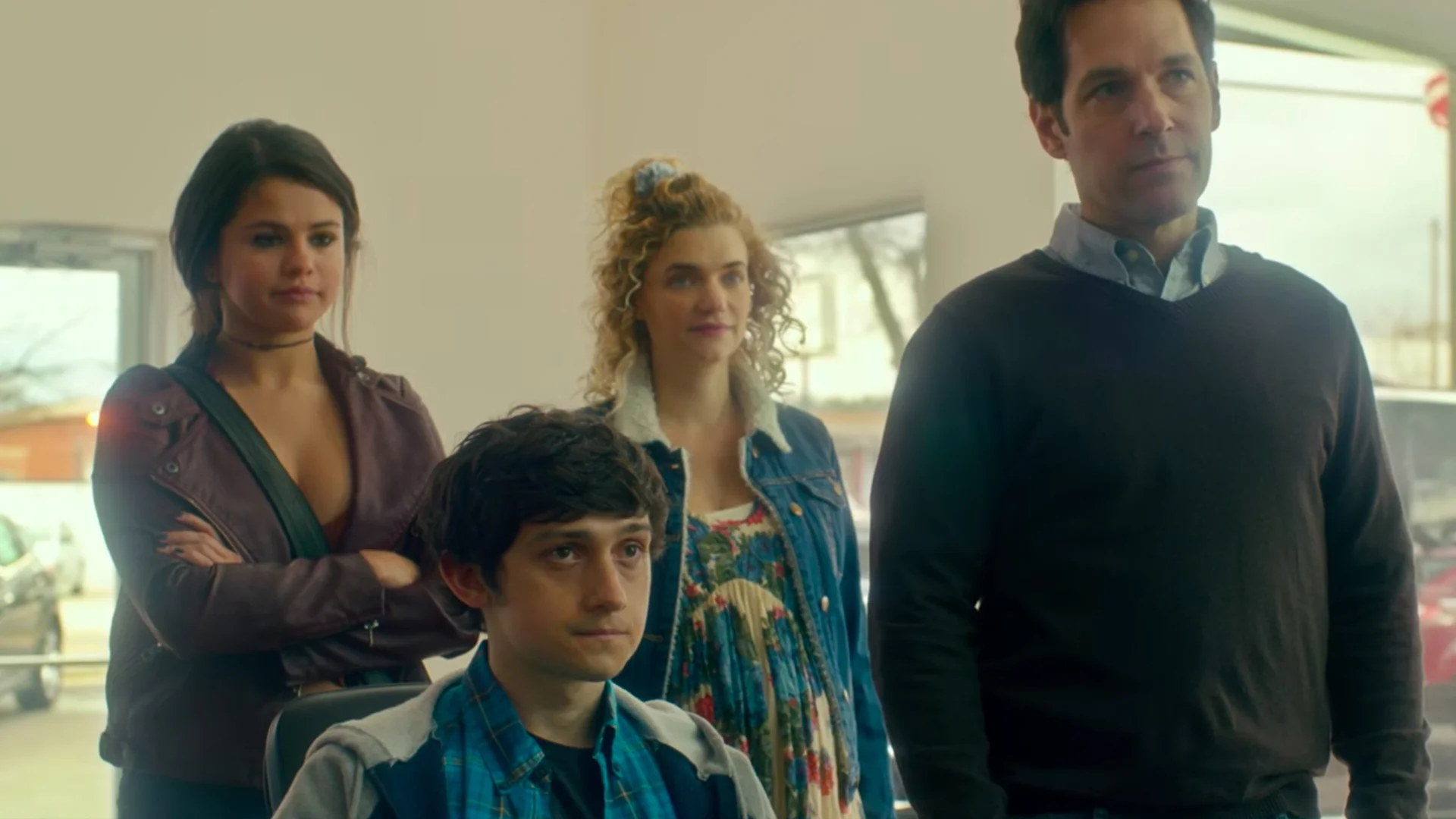
| The Fundamentals of Caring | 2016 | Rob Burnett | Trevor; starring alongside Paul Rudd in a prominent Netflix road-trip indie. |
Stepping Behind the Camera: Directorial Debut
The most significant evolution for Craig Roberts in the late 2010s was his transition into filmmaking and screenwriting. Rather than remaining solely an actor-for-hire, Roberts leveraged his decade-long industry experience to helm his own projects, showcasing a distinct visual and tonal continuity with the indie films that launched his career.
Eternal Beauty (2019)
Roberts made his feature-length directorial debut with Eternal Beauty, a dark comedy-drama starring Sally Hawkins as a paranoid schizophrenic woman navigating life after a breakdown. Premiering at the BFI London Film Festival in 2019, the film received positive notices for its empathetic, quirky, and visually stylized approach to mental health—a subject matter approached with both humor and tenderness.
By directing Sally Hawkins, who had previously played his mother in Submarine, Roberts created a thematic bridge across his decade in film. Eternal Beauty proved that Roberts was not merely a transient indie actor, but an auteur capable of eliciting complex, award-worthy performances from veteran actors while maintaining a singular aesthetic vision.
Frequently Asked Questions
What was Craig Roberts' breakout film in the 2010s?
Craig Roberts' breakout film was Submarine (2010), directed by Richard Ayoade. In the film, Roberts played the lead role of Oliver Tate, a quirky Welsh teenager whose deadpan narration and eccentric worldview catapulted the young actor into international independent film acclaim.
Did Craig Roberts direct any films during the 2010s?
Yes. Toward the end of the decade, Roberts transitioned into directing with his feature debut, Eternal Beauty (2019). Written and directed by Roberts, the dark comedy-drama starred Sally Hawkins and solidified his career shift into filmmaking.
What kind of roles did Craig Roberts typically play in the 2010s?
During the 2010s, Roberts predominantly played eccentric, socially awkward, or deadpan characters in independent comedies, coming-of-age dramas, and psychological thrillers. His performances were widely defined by dry humor and understated emotional vulnerability.
Did Craig Roberts appear in Hollywood studio films or only indie projects?
While Roberts is best known for independent cinema, he did cross over into major studio projects during the 2010s. Most notably, he starred in the 20th Century Fox science-fiction comedy The Watch (2012) alongside Ben Stiller and Vince Vaughn.
How did The Fundamentals of Caring impact his career?
Released globally on Netflix in 2016, The Fundamentals of Caring cast Roberts as a disabled teenager alongside Paul Rudd. The film introduced Roberts to a massive international streaming audience, expanding his profile beyond traditional theatrical indie circuits.
Conclusion and Next Actions
Evaluating Craig Roberts' filmography in the 2010s reveals a rare trajectory: a teenage indie discovery who successfully navigated Hollywood studio comedies, sustained a career in distinctive European art-house cinema, and ultimately transitioned into feature filmmaking by the end of the decade. For viewers exploring his work from this period, starting with Submarine provides the thematic baseline, while viewing The Fundamentals of Caring and Eternal Beauty demonstrates his maturation into a nuanced actor and a thoughtful director. To further explore his career, examine his subsequent television directorial work and later cinematic releases of the 2020s.
Image Gallery