Spring Potholders: Seasonal Design and Production Fundamentals
Spring potholders represent a specialized intersection of functional kitchen safety and seasonal aesthetic marketing. Effectively producing these items requires balancing thermal protection performance, durable textile construction, an...
Spring potholders represent a specialized intersection of functional kitchen safety and seasonal aesthetic marketing. Effectively producing these items requires balancing thermal protection performance, durable textile construction, and market-responsive visual design to meet the distinct demands of spring-themed home goods consumers.
Contents
Successfully designing and producing seasonal kitchen textiles relies on selecting high-heat-resistant batting materials—typically cotton or needle-punched polyester—paired with tightly woven exterior fabrics that can withstand frequent laundering. Designers must prioritize motifs such as botanical prints, pastel palettes, and spring-themed iconography while ensuring that the finished product remains ergonomic, flexible, and fully compliant with textile safety labeling requirements.
The Engineering of Thermal Protection
The primary function of a potholder is to provide an effective barrier between a user’s hand and extreme heat. Regardless of the seasonal design applied to the exterior, the internal construction dictates the safety and utility of the product.
Core Material Selection
For standard residential use, a potholder must feature sufficient thermal insulation. Industry standards typically suggest a minimum of two layers of cotton batting, or a high-loft thermal batting integrated with a vapor barrier.
- Cotton Batting: Preferred for its natural heat resistance and breathability. It does not melt if accidentally grazed by a hot surface, though it can scorch if exposed to direct flames.
- Polyester/Blend Batting: Often used for cost-efficiency. While durable, manufacturers must ensure these materials are rated for high-temperature contact to avoid melting or chemical leaching.
- Vapor Barriers: Essential for safety; these prevent moisture from conducting heat to the hand. A wet potholder loses all thermal insulation effectiveness, turning boiling water into steam that can cause severe burns.
Construction Techniques
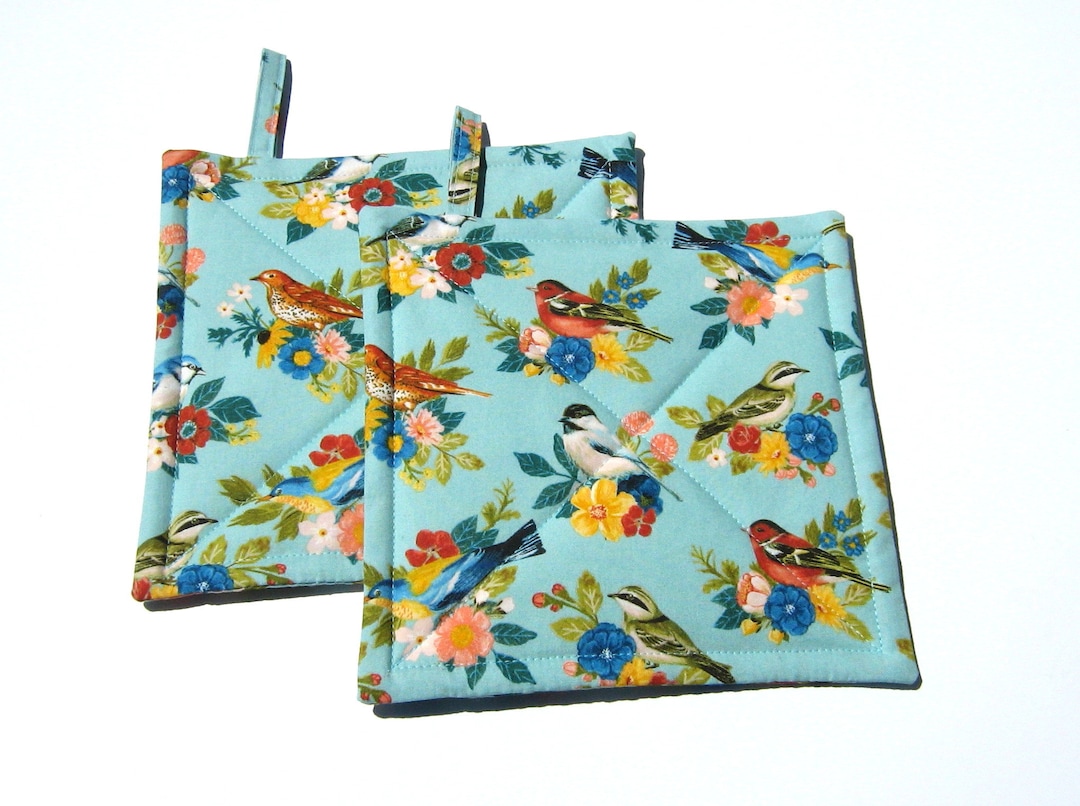
The "quilted" look is the standard for seasonal production because the stitching serves both a structural and a safety purpose. Quilting lines keep the internal batting from shifting during repeated washing, which prevents "hot spots" where the insulation becomes thin. A high-density stitch pattern, often in cross-hatch or organic floral shapes to match a spring theme, increases the structural longevity of the item.
Designing for the Spring Market
Spring-themed kitchen textiles operate on a high-turnover cycle. Unlike year-round staples, seasonal potholders are often purchased as impulse items or as part of a home-styling refresh.
Visual Palette and Motif
The spring aesthetic is defined by brightness and renewal. When planning a production run for the spring season, designers typically lean into specific visual markers:
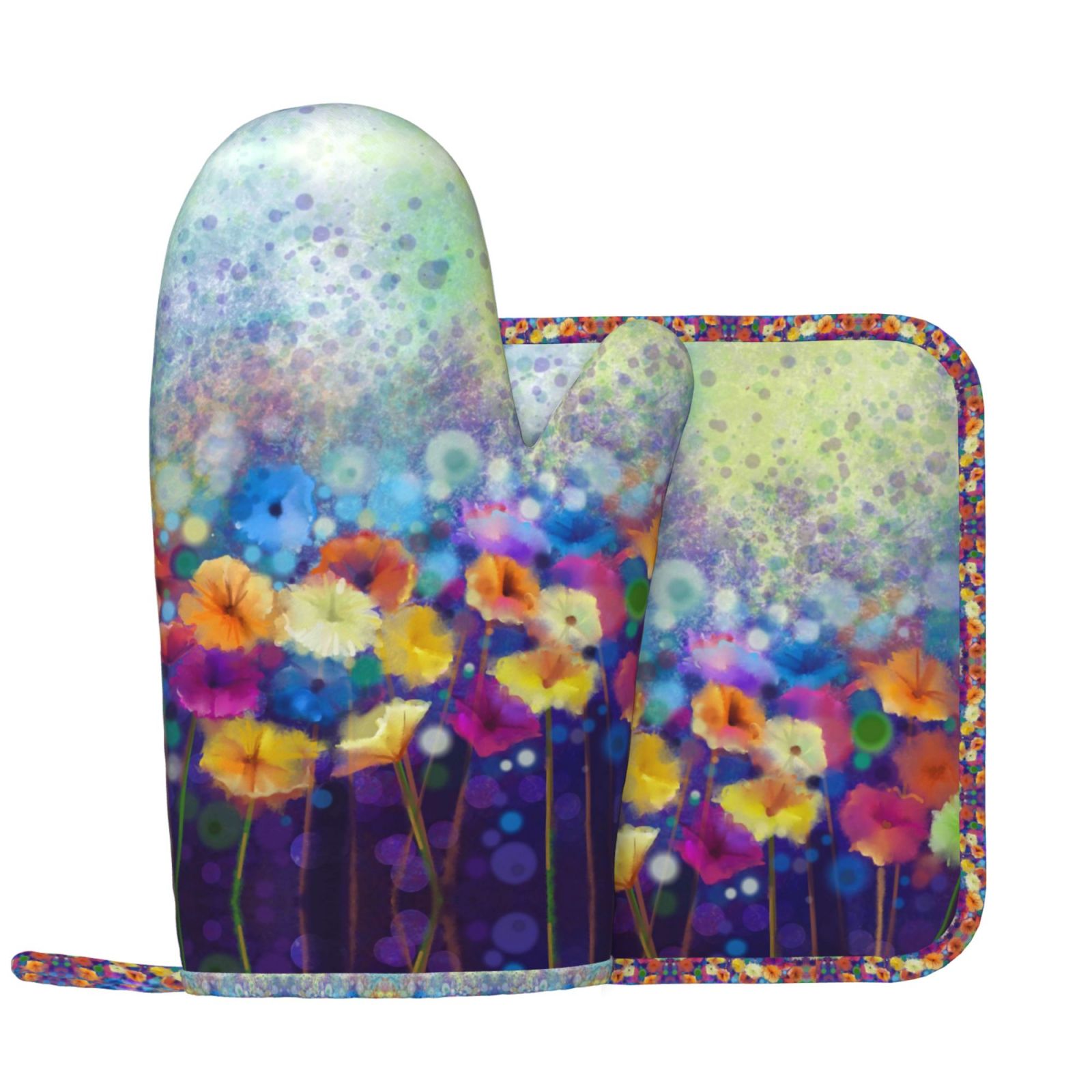
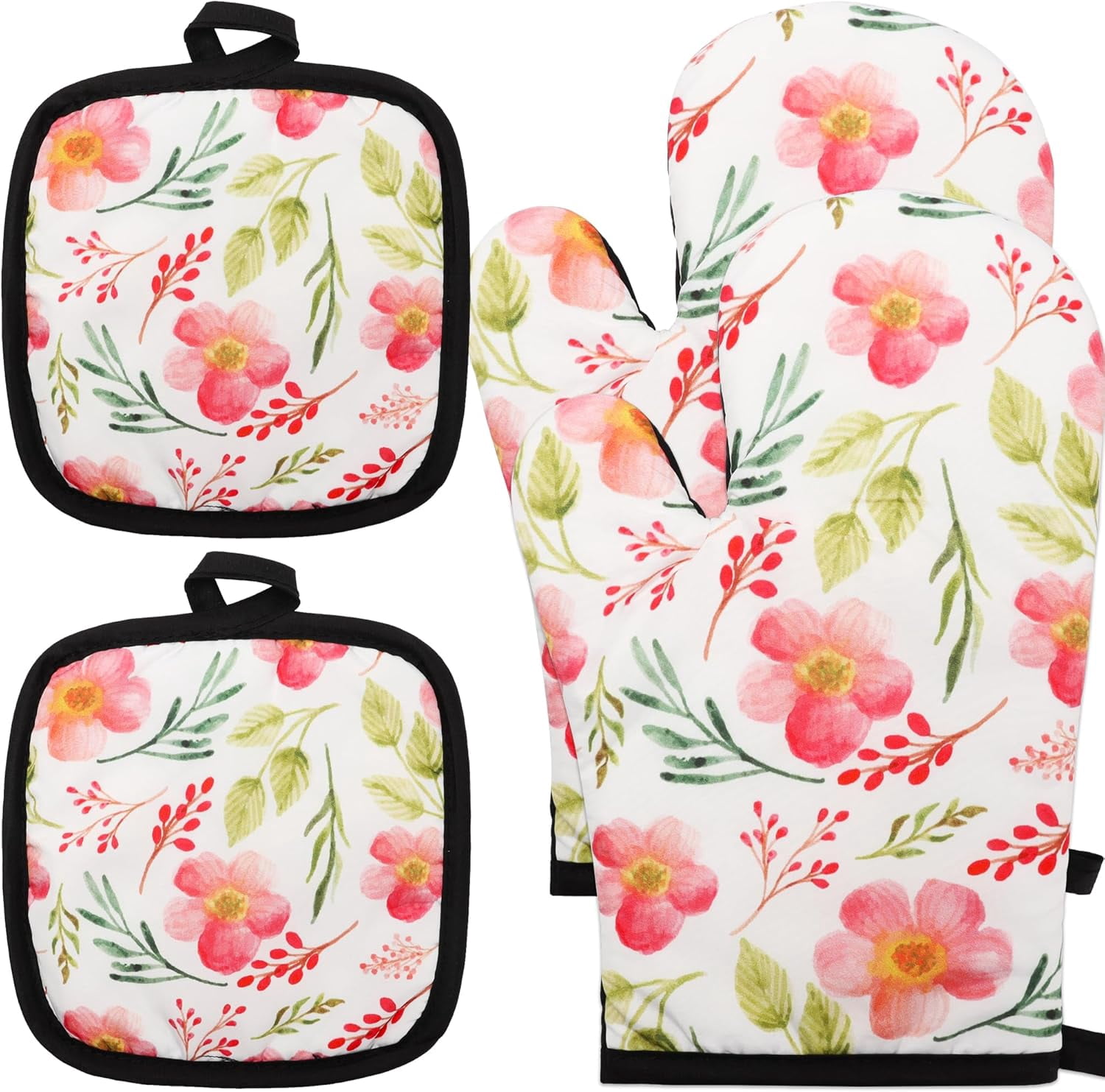
- Color Theory: Pastel palettes—soft yellows, sage greens, periwinkle blues, and blush pinks—are staples. These colors signal freshness and coordinate well with spring decor trends.
- Botanical Elements: Floral motifs, ranging from minimalist line drawings to dense, vintage-inspired chintz patterns, are consistent top sellers.
- Seasonal Iconography: Spring transitions (gardening tools, butterflies, sprouting herbs, or Easter motifs) provide limited-time relevance that encourages collectors to swap out their kitchen accessories annually.
Production Scalability
To move from design to mass production, manufacturers often employ digital textile printing. This process allows for vibrant, detailed, and multicolor designs that would be prohibitively expensive to achieve through traditional screen printing. Digital printing ensures that small production runs of seasonal patterns remain cost-effective, allowing a brand to test multiple designs before committing to large inventory volumes.
Regulatory Compliance and Material Safety
In the United States and similar markets, textile producers must adhere to specific labeling and safety standards to protect the consumer and limit legal liability.
| Component | Standard/Requirement | Purpose |
|---|---|---|
| Fiber Content | FTC Textile Labeling Rules | Informs consumers of heat sensitivity/material. |
| Country of Origin | 19 U.S.C. § 1304 | Mandatory transparency for imported goods. |
| Wash Instructions | ASTM D5489 | Prevents improper care leading to insulation failure. |
| Flammability | 16 CFR Part 1610 | Sets basic safety limits for textile ignition. |
Labeling Requirements
Every potholder produced must have a permanent label containing the fiber content, country of origin, and care instructions. For heat-resistant kitchen goods, care instructions are particularly critical; if a product is not "machine washable," the failure to disclose this can lead to premature degradation of the thermal batting. It is a best practice to state "Do not use when wet" on the tag, as this is a fundamental safety precaution for all kitchen textiles.
Managing Seasonal Supply Chains
Successful production for the spring season requires a front-loaded timeline. Retailers and distributors typically demand seasonal inventory 90 to 120 days before the consumer season peaks.
Inventory Planning
- Sourcing (Autumn): Raw materials (fabrics, batting, bias tape) are sourced to ensure costs are locked in before the spring demand spike.
- Prototyping (Late Autumn/Early Winter): Design files are finalized, and test prints are evaluated for colorfastness and wash durability.
- Manufacturing (Winter): Mass production occurs. The focus is on quality control (QC), specifically checking for consistent stitching density and secure binding around the edges.
- Logistics (Early Spring): Finished goods move into the distribution phase, aiming for store shelves or warehouse fulfillment centers by the start of the planting or Easter season.
Common Production Pitfalls
- Binding Weakness: The bias tape (the fabric strip wrapping the edges) is the point of greatest mechanical stress. If the sewing machine tension is too loose, the binding will fray after three or four cycles in the dishwasher or washing machine.
- Poor Heat Conductivity: Using synthetic thread for the quilting can be a significant oversight. If the thread melts under low heat, the potholder will lose its integrity, even if the fabric and batting remain intact. Always use 100% cotton or fire-resistant polyester thread.
- Print Bleeding: Low-quality inks used in seasonal prints may run if they come into contact with steam. Always verify that the digital printing process includes a heat-set fixation stage that guarantees colorfastness under wet, heated conditions.
Frequently Asked Questions
What is the best material for a heat-resistant potholder? Natural cotton is generally the best choice because it does not melt when exposed to high heat. However, it should be paired with a high-quality, high-loft cotton or specialized heat-resistant polyester batting to ensure the heat from a pan does not transfer through the fabric to the user's hand.
How do I ensure my spring designs stay trendy? Monitor home decor trends via trade publications and digital interior design platforms. Focus on the "Modern Cottage" or "Minimalist Botanical" aesthetics, which remain popular in 2026. Prioritizing color consistency—ensuring your spring fabrics match common kitchen accessories like tea towels and aprons—is vital for cross-selling.
Why is it important to warn users about wet potholders? A wet potholder acts as a conduit for heat. When the water inside the batting turns to steam, it transfers heat almost instantly to the hand, bypassing the insulation. This is a common cause of kitchen injuries, and clear labeling on the product is a standard safety measure.
Can I use decorative trims on my spring potholders? While ruffles, pom-poms, or synthetic lace look attractive, they are generally discouraged for kitchen utility items. These trims are often made of materials that melt or burn easily. If you must use them for decorative, non-functional potholders, they should be clearly marked as "Decorative Use Only" to avoid liability.
What is the standard size for a functional potholder? The standard industry size for a square potholder is 8 by 8 inches or 9 by 9 inches. This size provides enough surface area to grip large handles or hot pot lids while remaining maneuverable. Anything smaller may fail to provide adequate coverage, while anything significantly larger can become unwieldy for the user.
Final Recommendation
To maximize success in the spring potholder market, focus on the "system" of production. Do not treat the textile as a static piece of art; treat it as an engineered safety device that happens to feature a seasonal design. By ensuring your thermal batting is high-density, your thread is heat-resistant, and your labeling is strictly compliant with federal standards, you build consumer trust. Start your design phase early, verify your ink durability under wet heat, and ensure that your final product serves the dual purpose of beautifying a home and reliably protecting the user from kitchen-related thermal risks.
Image Gallery