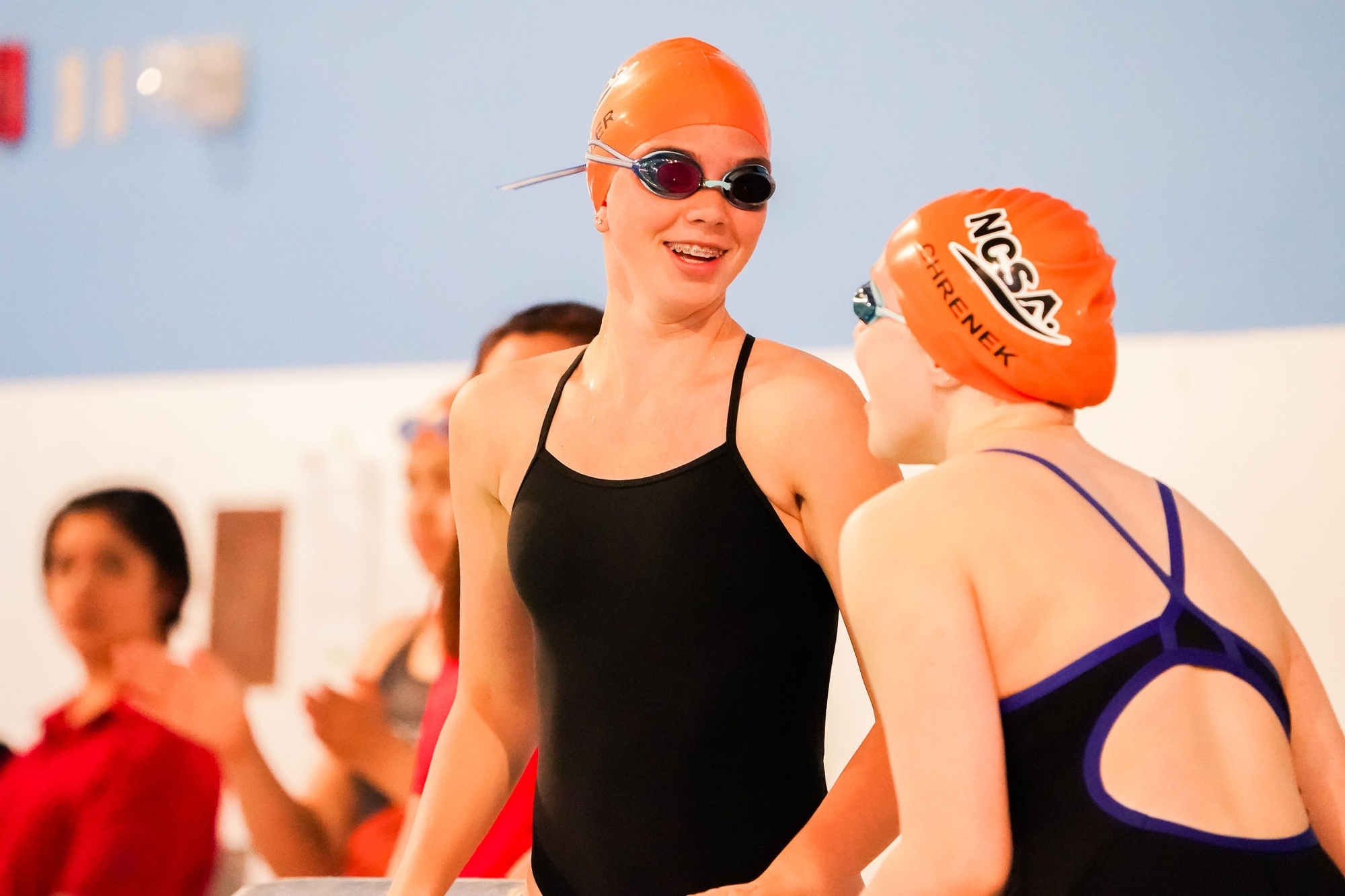
NCSA Swim: A Comprehensive Guide to Navigating College Recruiting in 2026
The NCSA (Next College Student Athlete) swim platform functions as a digital bridge between prospective collegiate swimmers and university coaching staffs. It provides athletes with tools to build verified recruiting profiles, access i...
The NCSA (Next College Student Athlete) swim platform functions as a digital bridge between prospective collegiate swimmers and university coaching staffs. It provides athletes with tools to build verified recruiting profiles, access institutional data, and navigate the complex compliance landscape of NCAA Division I, II, and III, as well as NAIA and NJCAA, for the 2026-2027 academic cycle.
Contents
Understanding the NCSA Swim Recruiting Framework
The recruiting process for swimming is distinct from team sports because it relies heavily on objective, verifiable data: time standards. NCSA serves as a repository for these metrics, allowing coaches to filter athletes based on their specific needs for event depth, relay potential, and academic eligibility.
When you create an NCSA profile, you are essentially creating a standardized digital resume that speaks the language of collegiate coaches. In 2026, the focus for recruits remains on the "Big Three" pillars of the process: verified times, academic transcripts, and proactive communication. NCSA provides the structural tools to manage these, though the initiative to initiate contact and maintain interest remains the athlete's responsibility.
Integrating NCSA Tools into Your 2026 Recruiting Strategy
Successful navigation of the recruiting lifecycle involves transitioning from passive profile building to active engagement. The following steps outline the standard operational workflow for student-athletes using the NCSA ecosystem:
- Baseline Assessment: Input your most recent USA Swimming long-course (LCM) and short-course (SCY) times. Ensure these are verified by official meet results.
- Academic Verification: Upload your current transcript. In 2026, collegiate coaches prioritize athletes who meet core course requirements early, as this simplifies the admissions vetting process.
- Institutional Search: Use the NCSA database to filter universities by division, conference, academic rigor, and swimming performance metrics.
- Targeted Outreach: Utilize the platform’s messaging system to send personalized introductions to coaches at schools that align with your current time standards and academic profile.
- Managing Offers: Maintain a log of official visits, scholarship offers, and communication timelines to ensure compliance with NCAA signing periods.
Comparative Overview of Collegiate Swimming Pathways
Selecting the right level of competition is critical for a sustainable student-athlete experience. The table below outlines the general requirements and organizational standards for the 2026 recruiting season.
| Division | Primary Focus | Scholarship Availability | Academic Standard |
|---|---|---|---|
| NCAA Division I | High-level competition | Full and partial athletic aid | Very High (NCAA Clearinghouse) |
| NCAA Division II | Balanced competition | Partial athletic aid | High (NCAA Clearinghouse) |
| NCAA Division III | Academics-first | Academic/Need-based only | Competitive Admissions |
| NAIA | Character and skill | Athletic and academic aid | Institution-specific |
| NJCAA | Two-year development | Athletic aid available | Open enrollment/Specific |
Essential Requirements for Prospective Swimmers
To maximize the effectiveness of your NCSA profile, you must adhere to several technical and procedural requirements. Coaches in 2026 are increasingly analytical; they evaluate recruits based on data-driven projections rather than vague interest.
- Verified Times: Always use your USA Swimming ID to ensure your times are pulled from the SWIMS database. Manual entry is often viewed with skepticism; verified data carries higher authority.
- Video Content: While swimming is a data-driven sport, coaches look for technique videos. Upload high-quality, side-view underwater footage showing starts, turns, and stroke mechanics.
- PCP and Counselor Engagement: Ensure your high school guidance counselor is aware of your athletic goals, as they will need to verify your core course credits for the NCAA Eligibility Center in your junior and senior years.
Managing the Financial and Administrative Realities
Using a platform like NCSA is an investment in the administrative side of recruiting. It does not guarantee a roster spot or a scholarship. The reality of 2026 recruiting is that the financial aid landscape is highly competitive. Families should note the following:
Financial Aid Reality Athletic scholarships in swimming are often "equivalency" scholarships. This means coaches divide a pool of scholarship money among multiple athletes. Very few swimmers receive "full rides." Most families will need to rely on a combination of athletic merit, academic merit, and need-based financial aid. Using NCSA to identify schools that value your specific academic profile is a strategy to increase the total financial package through academic institutional aid.
Troubleshooting Common Recruiting Mistakes
Many student-athletes fall into predictable patterns that hinder their visibility to college coaches. Addressing these early is vital.
- Overestimating Interest: Receiving a generic camp invite is not the same as being recruited. Use NCSA’s tracking tools to see if a coach has viewed your profile or interacted with your message. If there is no follow-up, your times may not yet meet their program's baseline.
- Neglecting Academic Hurdles: A top-tier swimmer with an insufficient GPA cannot be recruited by high-academic institutions. Use your sophomore year to stabilize your GPA.
- Passive Communication: Do not wait for coaches to find you. In the 2026 environment, active, polite, and consistent communication from the student-athlete is expected.
Frequently Asked Questions
What is the best time to start using NCSA for swimming? The ideal window is the beginning of your freshman or sophomore year of high school. Starting early allows you to build a long-term relationship with coaches and ensure your academic transcript is on track for NCAA eligibility.
Does NCSA guarantee a scholarship? No, NCSA is a service that provides visibility, data management, and educational resources. A scholarship offer is entirely dependent on your athletic performance, academic standing, and the specific needs of a university’s swim program at the time of your graduation.
Are my USA Swimming times automatically updated? Generally, NCSA syncs with official databases; however, you should always verify that your most recent meet results have populated your profile. If they have not, update your profile manually with the meet name and official results link.
Can I use my NCSA profile for Division III schools? Yes. While Division III schools do not offer athletic scholarships, they use the platform to identify potential recruits who fit their academic and athletic needs, facilitating the admissions process.
Do coaches actually look at NCSA profiles? Yes, college coaches use NCSA and similar platforms as a database to find qualified athletes who meet their recruiting criteria. It functions as a filter to help them manage the high volume of interest they receive throughout the year.
Strategic Next Steps for Athletes
If you are currently in the recruiting window for 2026, prioritize updating your profile with your most recent short-course times from the current season. Focus your outreach on a realistic list of programs that match your current performance metrics, and ensure your academic information is accessible. By maintaining a data-first approach and keeping your communication consistent, you position yourself as a serious candidate in the competitive collegiate swimming landscape.
Image Gallery