The Evolution of Portland’s Belmont District: From Streetcar Suburb to Urban Hub
The Belmont District has evolved from a 19th-century streetcar corridor into one of Portland’s most culturally significant neighborhoods. By 2026, it represents a mature urban landscape balancing its historical "quirky" roots with high...
The Belmont District has evolved from a 19th-century streetcar corridor into one of Portland’s most culturally significant neighborhoods. By 2026, it represents a mature urban landscape balancing its historical "quirky" roots with high-density residential development, sustainable transit initiatives, and a resilient, independent small-business ecosystem that defines the unique character of Southeast Portland.
Contents
The Historical Foundations of Southeast Belmont
To understand the evolution of the Belmont District, one must look back to the late 1800s. Originally part of the Sunnyside land claim, the area began its transformation in 1888 with the introduction of the steam-powered streetcar. This technological leap allowed Portlanders to live further from the city center, effectively creating one of the city's first "streetcar suburbs."
By the early 20th century, the steam lines were electrified, and the SE Belmont corridor became a bustling commercial artery. The architecture of this era—characterized by Victorian homes and Craftsman bungalows nestled behind single-story storefronts—set the aesthetic stage for the next hundred years. The district was not merely a residential retreat but a self-sustaining community where residents could access groceries, hardware, and entertainment within a few blocks of their front doors.
As the mid-20th century progressed, the removal of the streetcar lines in favor of rubber-tired buses and private automobiles changed the district's pace but not its purpose. Unlike other parts of Portland that succumbed to aggressive urban renewal projects in the 1960s, Belmont largely maintained its original building stock. This preservation allowed it to remain affordable for several decades, setting the stage for the cultural explosion that would follow in the 1990s.
The Cultural Renaissance of the 1990s and 2000s
The 1990s marked a pivotal turning point in the Belmont District’s community evolution. During this decade, the neighborhood became synonymous with the "Keep Portland Weird" movement. Cheap rent and a central location attracted artists, musicians, and entrepreneurs who were less interested in traditional corporate retail and more focused on curated, niche experiences.
Key establishments that defined this era included Movie Madness, which began building one of the most significant physical media archives in the country, and Belmont Station, which evolved into a premiere destination for the burgeoning craft beer movement. This period also saw the rise of Portland’s world-renowned coffee culture. The district became a testing ground for artisanal roasting and third-wave coffee shops that emphasized direct-trade sourcing and precision brewing.
By the early 2000s, the "Belmont vibe" was well-established: a mixture of vintage clothing stores, independent bookstores, and eclectic dining. The Sunnyside Neighborhood Association became a vocal advocate for maintaining this identity, often clashing with early proposals for larger-scale developments. This tension between preservation and progress became a defining feature of the district's social discourse, a dialogue that continues in 2026.
Urban Density and the Transformation of the Skyline
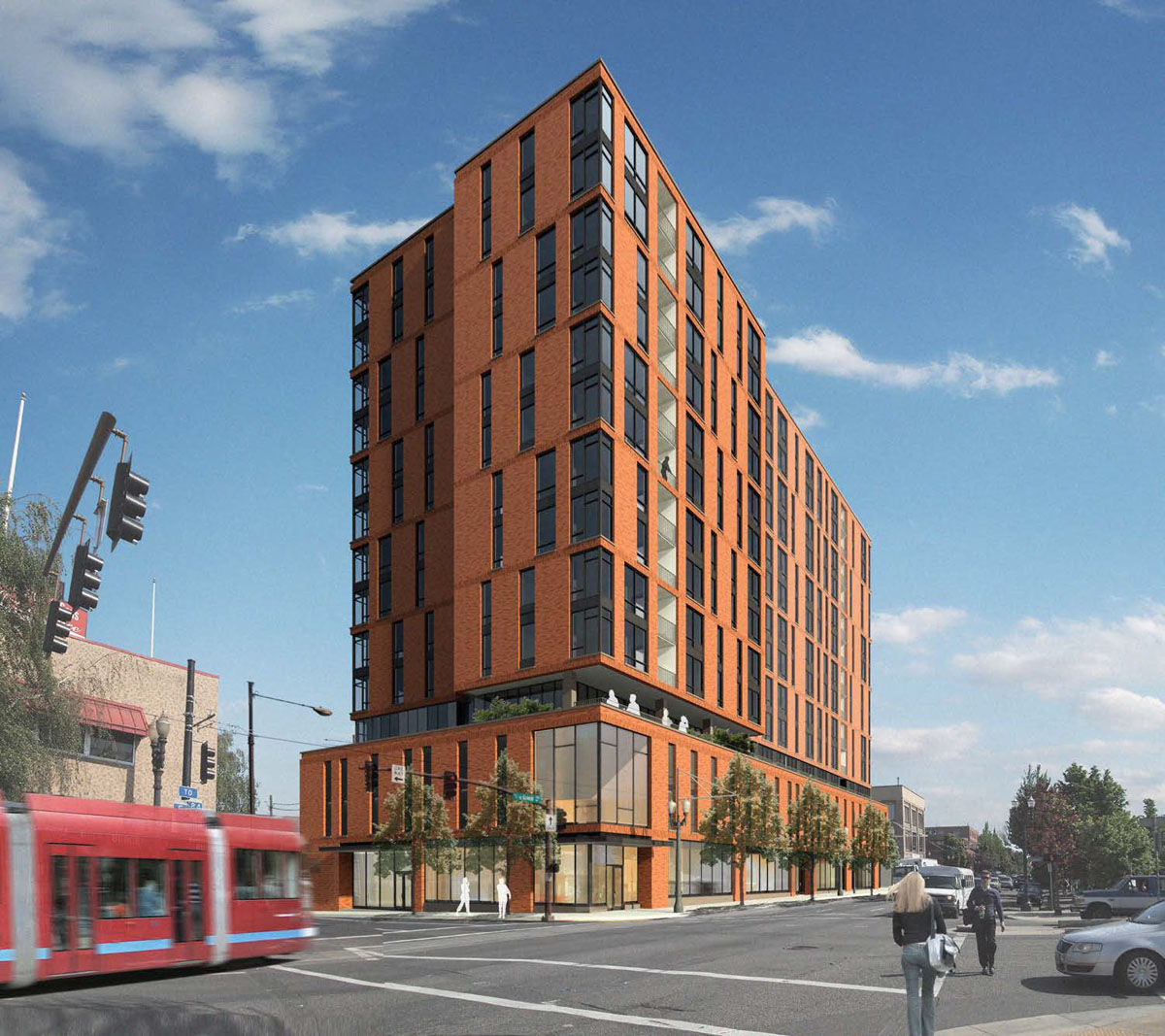
The most visible phase of evolution occurred between 2010 and 2026. Driven by Portland’s 2035 Comprehensive Plan, which prioritized "complete neighborhoods" and increased density along transit corridors, the Belmont District underwent a significant construction boom.
Multi-story, mixed-use developments began to replace vacant lots and underutilized single-story buildings. These projects, such as the major developments near the intersection of SE 35th and Belmont, introduced hundreds of new residential units to the area. While these buildings were criticized by some for altering the "neighborhood feel," they provided the critical mass of residents needed to support local businesses through changing economic cycles.
In 2026, the district demonstrates a successful integration of these newer structures. Modern architecture now sits alongside century-old storefronts, creating a visual timeline of Portland’s growth. The increased density has also led to improvements in local infrastructure, including wider sidewalks, enhanced "greenway" bike routes on neighboring streets like Salmon and Taylor, and more frequent service on the TriMet Line 15.
Economic Resilience in the Mid-2020s
The economic landscape of Belmont in 2026 is characterized by "adaptive independence." After the volatility of the early 2020s, the district’s business owners pivoted toward hybrid models. Many retail spaces now function as both showrooms and fulfillment hubs for online sales, while restaurants have optimized for both intimate indoor dining and robust outdoor "streetery" experiences.
The district has largely resisted the influx of national big-box chains that have sanitized other urban centers. Instead, the commercial mix is dominated by "micro-retailers"—businesses that occupy smaller footprints to keep overhead low. This has allowed for a diverse array of offerings, from specialized plant shops and vegan bakeries to high-end vintage furniture galleries.
Sustainability is a core economic driver in 2026. A significant portion of Belmont’s businesses are certified B-Corps or participate in local circular economy initiatives. This alignment with neighborhood values has fostered intense brand loyalty among residents, who prioritize "buying Belmont" as a form of community support.
Comparative Evolution of the Belmont District
The following table outlines the shifts in the district’s characteristics across three distinct eras of its development.
| Feature | The Streetcar Era (1900–1940) | The Indie Era (1990–2010) | The Modern Urban Hub (2026) |
|---|---|---|---|
| Primary Industry | Essential services, hardware, groceries | Arts, vintage retail, craft beer | Tech-enabled retail, wellness, mixed-use |
| Housing Type | Single-family homes, small plexes | Renovated historical homes, rentals | High-density apartments, ADUs |
| Transportation | Electric Streetcar, walking | Bicycle, private car, bus | e-Bikes, high-frequency transit, walking |
| Demographics | Working-class families | Artists, students, young professionals | Remote workers, urban professionals, retirees |
| Key Landmark | Sunnyside School (Original) | Movie Madness, Avalon Theatre | Mixed-use plazas, community gardens |
Infrastructure and Environmental Stewardship
In 2026, the Belmont District is a model for Portland’s environmental goals. The evolution of the community has been tied closely to the "15-minute city" concept, where all daily necessities are accessible within a short walk or bike ride. This has significantly reduced the carbon footprint of the average Belmont resident compared to those in more car-dependent suburbs.
The Portland Bureau of Transportation (PBOT) has implemented several "Healthy Business" plazas within the district, which have permanently repurposed certain parking areas into public seating and green space. These interventions have cooled the "urban heat island" effect and provided essential community gathering spots. Furthermore, the district has seen a surge in Accessory Dwelling Units (ADUs), allowing for "gentle density" that preserves the architectural character of the side streets while accommodating more residents.
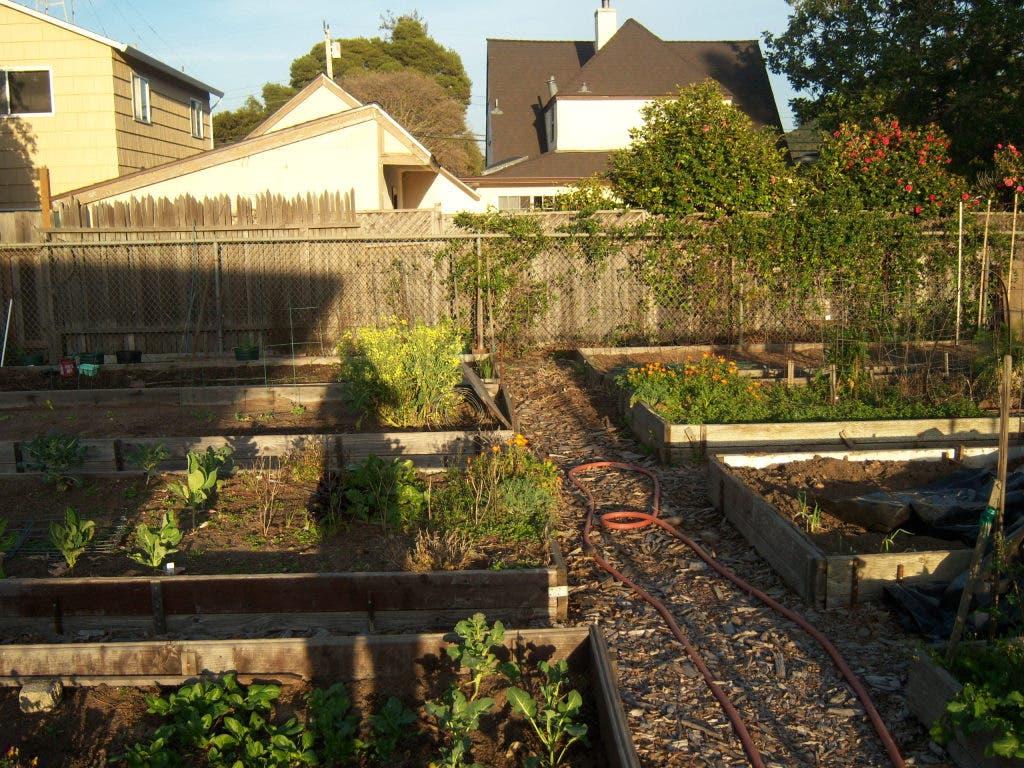
The Sunnyside Environmental School continues to serve as a cornerstone of the community, educating the next generation on urban ecology and civic engagement. The school's gardens and community programs are a physical manifestation of the neighborhood’s commitment to integrating nature into the urban fabric.
Preserving the "Soul" of the Neighborhood
Despite the rapid physical changes, the community has worked tirelessly to preserve the intangible "soul" of Belmont. This is most evident in the continued success of the Belmont Street Fair, one of Portland’s oldest and most attended neighborhood festivals. In 2026, the fair serves as an annual homecoming, celebrating the district’s history while showcasing new local talent.
Preservation efforts have also shifted toward "cultural landmarking." Rather than just protecting buildings, the community seeks to protect the institutions that provide social value. For example, the non-profit transition of Movie Madness ensured that its world-class film collection remained accessible to the public, preventing it from being liquidated or moved out of the city.
FAQ
What are the boundaries of the Belmont District?
The Belmont District is primarily centered on SE Belmont Street, stretching from approximately SE 30th Avenue to SE 60th Avenue. It is the heart of the Sunnyside neighborhood and sits between the similarly popular Hawthorne and Division corridors.
Is the Belmont District still considered affordable in 2026?
Like much of Portland, the Belmont District has seen significant appreciation in property values. While it is no longer the "budget" destination it was in the early 1990s, the increase in high-density apartment stock has provided a wider range of entry points for renters compared to neighborhoods dominated solely by single-family homes.
How has parking changed in the Belmont District?
In line with Portland’s 2026 transit-first policies, street parking has become more regulated to prioritize residents and short-term shoppers. Visitors are encouraged to use the high-frequency Line 15 bus or utilize the extensive bike-share networks. Many newer residential buildings are "car-free" or have limited underground parking to encourage sustainable transit.
What is the best way to experience the "Old Belmont" vibe today?
To see the historical roots of the district, visit the Avalon Theatre (home to an iconic nickel arcade) or browse the stacks at Movie Madness. Walking the residential blocks between SE 31st and SE 39th also offers a look at the beautifully preserved Victorian and Edwardian architecture that defined the streetcar suburb era.
Are there any major community projects currently underway?
By 2026, focus has shifted from large-scale new construction to "interstitial" improvements. This includes the expansion of community-managed "pocket parks" and the retrofitting of older commercial buildings for seismic resilience and energy efficiency.
Next Steps for Residents and Visitors
To fully engage with the evolution of the Belmont District, visitors should prioritize a multi-modal approach. Start at the lower end (30th Ave) and walk eastward to witness the chronological shift in architecture. Support the legacy businesses that have survived the transitions of the last three decades, but also explore the newer "micro-retail" spaces that represent the future of Portland’s independent economy. For those looking to move to the area, engage with the Sunnyside Neighborhood Association to understand the ongoing initiatives regarding climate resilience and housing equity.
Image Gallery