Why the Laguna Coffee Table Matters for Modern Living
The Laguna coffee table is a cornerstone of modern interior design because it integrates organic minimalism with extreme material durability, addressing the 2026 demand for versatile, low-maintenance furniture. By utilizing materials l...
The Laguna coffee table is a cornerstone of modern interior design because it integrates organic minimalism with extreme material durability, addressing the 2026 demand for versatile, low-maintenance furniture. By utilizing materials like glass-fiber reinforced concrete (GFRC) or sustainably harvested hardwoods, it serves as a functional anchor that bridges the transition between indoor and outdoor living spaces.
Contents
The Evolution of the Laguna Silhouette in 2026
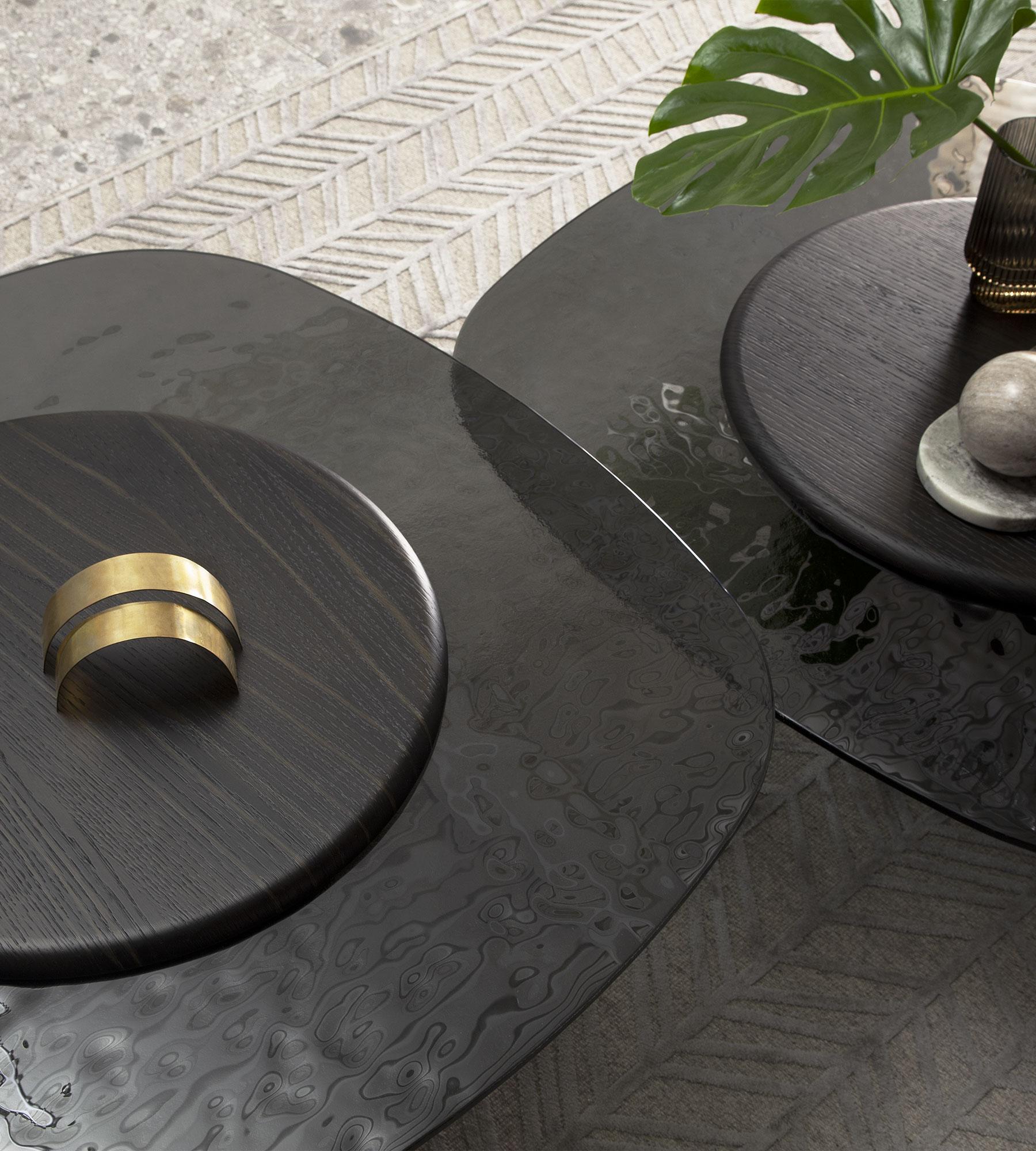
Modern living in 2026 has moved past the rigid, sharp-edged industrialism of the previous decade. The "Laguna" style, characterized by its low-slung profile and softened, often pebble-like or elliptical geometries, represents a shift toward Biophilic Design. This design philosophy emphasizes the human-nature connection, using shapes that mimic natural rock formations or weathered coastal driftwood.
The importance of this silhouette lies in its spatial ergonomics. In the open-concept floor plans common in contemporary architecture, a Laguna coffee table provides a "visual center of gravity." Unlike rectangular tables that dictate a linear path, the Laguna’s rounded or asymmetrical edges encourage a natural flow of movement, making smaller living rooms feel less cluttered and safer for multi-generational households.
The Psychological Impact of Organic Shapes
Research in neuro-aesthetics suggests that curved furniture silhouettes reduce cortisol levels and promote a sense of calm compared to sharp, angular pieces. The Laguna coffee table acts as a tactile reminder of the natural world, a necessity in urban environments where access to green space may be limited. Its "grounded" appearance—often sitting just 12 to 15 inches off the floor—fosters an atmosphere of relaxation and informal socialization, which is central to the "Quiet Luxury" movement currently dominating the market.
Materiality and Sustainability: Why Concrete and Solid Wood Dominate
As of 2026, the Laguna coffee table is most frequently realized in two distinct material paths: Glass Fiber Reinforced Concrete (GFRC) and FSC-Certified Solid Wood. Both choices reflect a move away from the "fast furniture" culture of the early 2020s toward pieces that offer a multi-decade lifecycle.
Glass Fiber Reinforced Concrete (GFRC)
Many flagship Laguna models utilize GFRC, a specialized composite of cement, glass fibers, and polymers. This material is significant for modern living for several technical reasons:
- Strength-to-Weight Ratio: GFRC is significantly lighter than traditional cast concrete, allowing for easier relocation within a home without sacrificing the "stone" aesthetic.
- Weather Resistance: The non-porous nature of high-quality GFRC makes the Laguna table suitable for seamless indoor-outdoor transitions. It can withstand UV exposure and temperature fluctuations that would warp or crack standard materials.
- Tactile Finish: Modern finishing techniques provide a "silk-stone" feel—smooth to the touch but visually textured—satisfying the 2026 trend for haptic richness in furniture.
Sustainable Wood and Carbon Sequestration
For wood-based Laguna tables, the focus has shifted toward regenerative forestry. Manufacturers now prioritize species like white oak or walnut sourced through Forest Stewardship Council (FSC) certified channels. These tables matter because they serve as carbon sinks, sequestering carbon for the duration of the furniture's life. The use of natural oils and low-VOC (Volatile Organic Compound) finishes ensures that the furniture does not contribute to indoor air pollution, a critical health consideration for modern homeowners.
Functional Versatility in Multipurpose Spaces
The modern living room is no longer just for relaxation; it is an office, a gym, and a digital entertainment hub. The Laguna coffee table adapts to this multifunctional reality through its specific dimensions and surface stability.
The Anchor for "Low-Profile" Living
The Laguna table is a key component of the low-profile living trend. By lowering the height of the primary seating and tables, rooms feel taller and more expansive. This architectural "trick" is particularly useful in modern condominiums or apartments with standard ceiling heights. A Laguna table, with its substantial visual weight and low height, makes a room feel anchored rather than cramped.
Maintenance and Resilience
In 2026, the value of furniture is increasingly measured by its "maintenance-free" status. The Laguna table, particularly the concrete or stone variants, offers high resistance to common household mishaps:
- Stain Resistance: Advanced acrylic sealers prevent coffee, wine, or oil from penetrating the surface.
- Structural Stability: Its low center of gravity makes it nearly impossible to tip over, a vital safety feature for homes with pets or active children.
- Durability: Unlike veneered MDF (Medium Density Fiberboard) tables that peel over time, a solid Laguna table can be refinished or polished, extending its utility for generations.
Comparative Analysis: Laguna vs. Traditional Coffee Tables
When selecting a centerpiece for a contemporary home, understanding how the Laguna compares to traditional alternatives is essential for making an informed investment.
| Feature | Laguna Coffee Table (Modern) | Traditional Rectangular Table | Industrial Metal/Glass Table |
|---|---|---|---|
| Primary Shape | Organic, Elliptical, or Pebble | Rectangular or Square | Geometric/Angular |
| Materiality | GFRC, Solid Wood, Natural Stone | Veneered Wood, MDF | Steel, Tempered Glass |
| Visual Weight | High (Grounding effect) | Medium | Low (Airy/Minimalist) |
| Durability | High (Chip and stain-resistant) | Medium (Prone to scratches) | High (But shows fingerprints) |
| Safety | High (No sharp corners) | Low (Sharp edges) | Medium (Hard edges/Glass risks) |
| Versatility | Indoor & Outdoor compatible | Indoor only | Primarily Indoor |
Integrating the Laguna into Modern Design Aesthetics
The Laguna coffee table is not tied to a single "look." Its minimalist foundation allows it to thrive within several 2026 design movements.
The Japandi Influence
Japandi—a fusion of Japanese minimalism and Scandinavian functionality—relies on the Laguna's clean lines and natural materials. In this context, a light-oak Laguna table paired with neutral textiles and ceramic accents creates a serene, functional environment. The focus is on Ma, the Japanese concept of negative space, where the table's organic shape allows the room to breathe.
Contemporary Coastal and Brutalism
In coastal homes, a white or sand-colored concrete Laguna table mimics the texture of the shoreline, resisting the corrosive effects of salt air. Conversely, in a Soft Brutalist interior, a dark gray or charcoal GFRC table provides a raw, architectural edge that complements exposed concrete walls and metal fixtures, softened by the table's rounded profile.
Maintenance and Long-Term Care
To ensure a Laguna coffee table retains its value and aesthetic appeal, owners must adhere to material-specific care protocols.
- For Concrete/Stone Surfaces: Even with high-performance sealers, it is recommended to use coasters for acidic liquids. Cleaning should be done with a pH-neutral cleaner to avoid stripping the protective sealant.
- For Solid Wood Surfaces: Maintaining humidity levels between 35% and 55% is crucial to prevent the wood from expanding or contracting excessively. Annual application of a high-quality furniture wax or oil can preserve the depth of the grain.
- Scuff Management: GFRC can occasionally develop minor surface scuffs. These can typically be buffed out using a fine-grit sandpaper (400-grit or higher) followed by a re-application of a surface protector.
Common Mistakes to Avoid When Purchasing
Despite its versatility, there are common pitfalls when integrating a Laguna table into a home:
- Improper Scaling: Because of its high visual weight, a Laguna table that is too large can overwhelm a small rug. The table should generally occupy about two-thirds the length of the sofa.
- Mismatched Heights: If the sofa cushions are significantly higher than the table (more than 4-5 inches), the ergonomic "reach" becomes uncomfortable.
- Ignoring the Base: Some Laguna models feature a "plinth" base, while others have recessed feet. A plinth base is more stable but can make vacuuming more difficult compared to models with a slight lift.
Frequently Asked Questions
Is the Laguna coffee table too heavy for standard apartment floors? While the Laguna table has a substantial "look," models made from Glass Fiber Reinforced Concrete (GFRC) are hollow-core and significantly lighter than solid stone or cast concrete. Most weigh between 80 and 150 pounds, which is well within the load-bearing capacity of standard residential flooring.
Can a Laguna coffee table be used permanently outdoors? Yes, provided it is specifically rated for outdoor use and features a UV-stable sealer. Concrete and teak Laguna versions are particularly resilient against rain and sun. However, in climates with extreme freeze-thaw cycles, it is advisable to cover the table or move it to a sheltered area during peak winter months to prevent micro-cracking.
How do I choose between a wood or concrete Laguna table? The choice depends on the "mood" of the room. Wood offers warmth and a softer acoustic profile (it doesn't "clink" when you set down a glass). Concrete offers a cooler, more architectural feel and is generally more resistant to scratches and pet damage.
Does the Laguna table work with a rug? Actually, the Laguna table is often at its best when paired with a textured rug. Because the table often has a matte or stone-like finish, placing it on a high-pile or woven jute rug creates a sophisticated contrast in textures that defines the modern 2026 aesthetic.
What is the best way to style the surface of a Laguna table? Due to its organic shape, "less is more." A single large-scale coffee table book, a sculptural vessel, or a low-profile tray is sufficient. Avoid cluttering the surface, as the beauty of the piece lies in the visibility of its unique geometry and material texture.
Recommendation for Next Actions
If you are looking to elevate a modern living space, start by measuring the height of your primary seating. A Laguna coffee table is most effective when its surface sits 1 to 2 inches below the seat cushion. For those prioritizing longevity and a seamless indoor-outdoor lifestyle, a GFRC model in a neutral "Bone" or "Slate" finish offers the highest ROI in terms of durability and timeless style. Before purchasing, verify the manufacturer's sealing process—specifically looking for high-performance acrylic or topical sealers that are LEED-compliant to ensure your investment is both safe and sustainable for the 2026 home.
Image Gallery