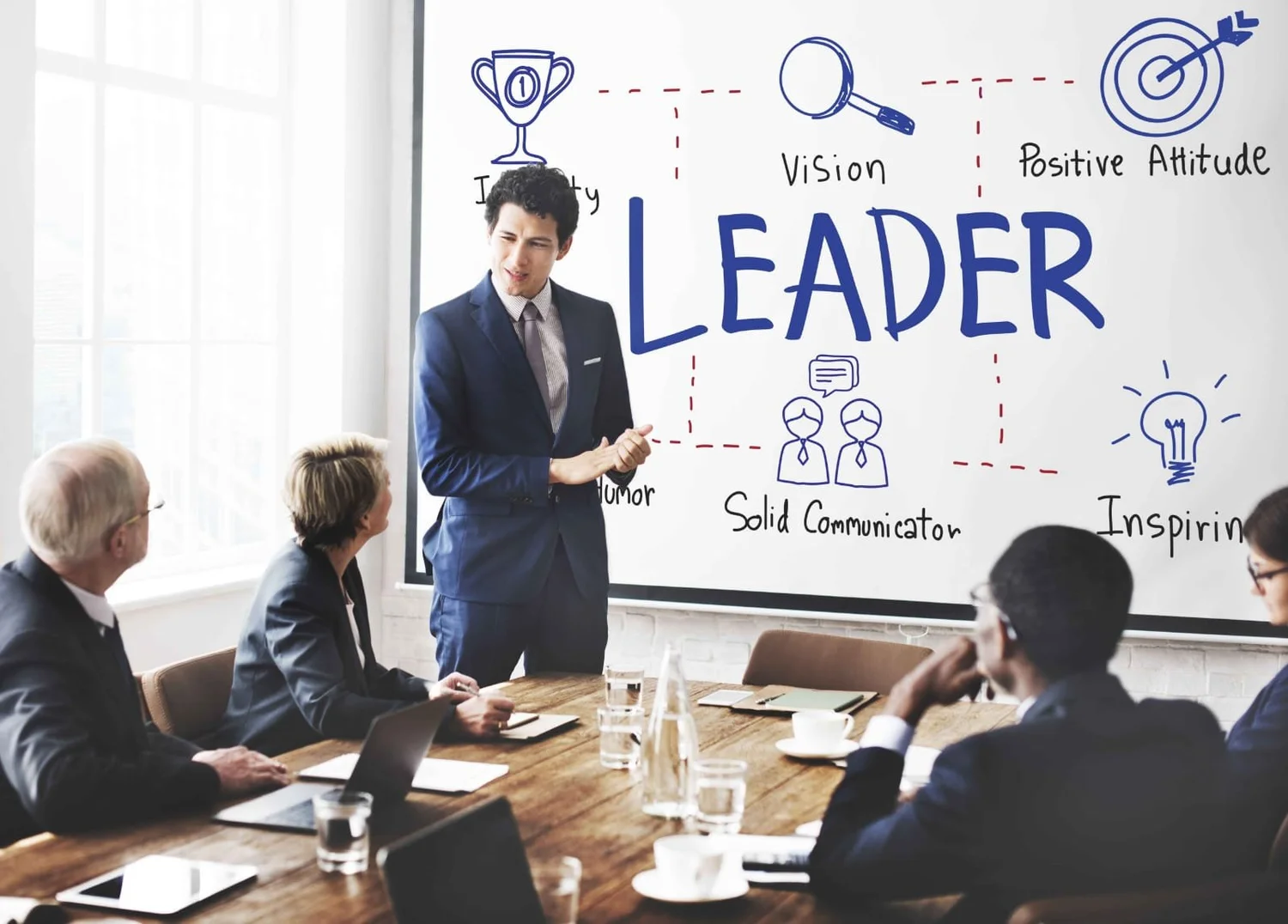
Strategic Corporate Leadership Training: Developing High-Performance Teams in 2026
Corporate leadership training is a structured educational process designed to improve the skills, abilities, and confidence of current and future leaders. By focusing on core competencies such as strategic decision-making, emotional in...
Corporate leadership training is a structured educational process designed to improve the skills, abilities, and confidence of current and future leaders. By focusing on core competencies such as strategic decision-making, emotional intelligence, and change management, these programs empower managers to drive organizational productivity, foster employee engagement, and navigate complex market shifts effectively.
Contents
Effective leadership is no longer a static trait but a dynamic set of behaviors that must be cultivated through rigorous, ongoing development. As we move through 2026, the landscape of work—characterized by hybrid environments, AI-augmented workflows, and a heightened focus on psychological safety—demands a sophisticated approach to leadership training. Organizations that view leadership development as a luxury rather than a strategic necessity often find themselves struggling with high turnover, stagnant innovation, and poor operational execution.
The Essential Pillars of Modern Leadership Development
To remain competitive, corporate leadership training must move beyond generic management tips and address the specific psychological and operational demands placed on modern executives. There are four primary pillars that define a high-impact curriculum in 2026.
Emotional Intelligence and Resilience
Emotional Intelligence (EQ) has transitioned from a "soft skill" to a core technical requirement for senior management. In 2026, leaders must manage increasingly diverse and often remote teams. This requires a high degree of self-awareness, empathy, and social regulation. Training programs now incorporate intensive modules on resilience, teaching leaders how to remain objective under pressure and how to support the mental well-being of their subordinates. According to research from the Society for Human Resource Management (SHRM), managers with high EQ scores are 40% more likely to retain high-performing talent.
Strategic Foresight and Data-Driven Decision Making
The integration of Artificial Intelligence into daily operations has shifted the leader’s role from a primary decision-maker to an orchestrator of data. Leadership training in 2026 emphasizes the ability to interpret predictive analytics and translate complex data sets into actionable strategy. This pillar focuses on cognitive agility—the ability to pivot strategies quickly based on real-time market data while maintaining long-term organizational goals.
Inclusive Leadership and Cultural Competency
Diversity, Equity, and Inclusion (DEI) are no longer standalone HR initiatives; they are integrated into the fabric of leadership training. Cultural competency training helps leaders understand unconscious biases and develop inclusive communication styles that bridge the gap between global teams. This involves learning how to facilitate "courageous conversations" and ensuring that every team member, regardless of their location or background, feels a sense of belonging and contribution.
Adaptive Change Management
In a 2026 business environment, change is the only constant. Leadership training must equip individuals with the frameworks necessary to lead teams through structural reorganizations, technology adoptions, and market volatility. This includes mastering the ADKAR Model (Awareness, Desire, Knowledge, Ability, and Reinforcement) or other change management methodologies to minimize resistance and accelerate the adoption of new initiatives.
Dominant Delivery Models for Leadership Training
The method of delivery is just as critical as the content itself. Organizations in 2026 utilize a blend of modalities to cater to different learning styles and the constraints of the modern workday.
Executive Coaching and 1:1 Mentorship
This remains the most personalized form of development. By pairing a high-potential leader with a certified executive coach, the organization allows for deep-dive sessions into specific behavioral blind spots. In 2026, many executive coaching engagements are supported by AI-driven feedback tools that analyze communication patterns in meetings to provide real-time coaching prompts.
Immersive Simulations and Gamified Learning
Static slide presentations have been replaced by high-fidelity simulations. Leaders are placed in "war room" scenarios where they must make split-second decisions regarding a simulated PR crisis, a financial downturn, or a major product failure. These immersive experiences allow leaders to fail in a safe environment, learning from the consequences of their actions without risking actual company capital.
Peer Learning Groups (Masterminds)
Social learning is a powerful tool for leadership growth. Peer learning groups involve cohorts of leaders from different departments meeting regularly to discuss challenges and share best practices. This cross-functional approach breaks down silos and encourages a more holistic understanding of the business.
Micro-Learning and On-Demand Digital Content
For middle management, where time is often the biggest barrier to development, micro-learning offers a solution. This involves short, five-to-ten-minute modules focused on specific tasks—such as giving constructive feedback or conducting a performance review—that can be accessed exactly when the leader needs them.
| Delivery Model | Best For | Pros | Cons |
|---|---|---|---|
| Executive Coaching | C-Suite & VPs | Highly personalized; deep behavioral change. | High cost per participant; time-intensive. |
| Simulations | Emerging Leaders | Safe "failure" environment; high engagement. | Requires significant technical setup. |
| Peer Cohorts | Middle Management | Cross-functional networking; social accountability. | Can be difficult to schedule across time zones. |
| Micro-Learning | All Levels | Flexible; high retention of specific tasks. | Lacks depth for complex leadership theories. |
The 70-20-10 Rule in Leadership Training
A cornerstone of corporate training philosophy is the 70-20-10 model, which suggests how leaders truly acquire their skills.
- 70% from Job-Related Experiences: The vast majority of leadership development happens through "stretch assignments"—projects that push a leader outside their comfort zone. Training programs should facilitate these opportunities by identifying real-world business problems for participants to solve.
- 20% from Interactions with Others: This includes feedback, mentoring, and social learning. Leaders need a feedback loop from superiors, peers, and direct reports (often facilitated through 360-degree assessments).
- 10% from Formal Educational Events: This includes the workshops, seminars, and digital courses that provide the theoretical foundation. While this is the smallest percentage, it acts as the catalyst for the other 90%.
The Center for Creative Leadership (CCL) continues to advocate for this balanced approach, emphasizing that without the "70" and the "20," formal training often fails to result in permanent behavioral change.
Measuring the ROI of Leadership Programs
One of the greatest challenges for HR departments in 2026 is proving the Return on Investment (ROI) of leadership training. To do this, organizations must look beyond "smile sheets" (post-training satisfaction surveys) and focus on hard metrics.
Key Performance Indicators (KPIs) for Training
- Retention Rates: High-quality leadership is the number one driver of employee retention. A successful program should correlate with a decrease in voluntary turnover within the trained leader's department.
- Promotion Readiness: The "bench strength" of an organization is measured by how many internal candidates are ready to step into senior roles.
- Employee Engagement Scores: Standardized surveys, such as those from Gallup, can track whether a leader's team feels more supported and motivated following the manager's participation in training.
- The Leadership Impact Score: A 2026-specific metric that combines 360-degree feedback with departmental output to quantify a leader’s influence on organizational velocity.
According to a 2026 report by McKinsey & Company, companies in the top quartile for leadership quality see nearly double the EBITDA growth compared to those in the bottom quartile.
Common Pitfalls in Leadership Training Programs
Even with significant investment, many programs fail to produce lasting results. Recognizing these pitfalls is essential for any L&D professional.
- The "One-and-Done" Approach: Sending managers to a two-day retreat without follow-up support is ineffective. Leadership is a muscle that requires continuous exercise.
- Ignoring the Context: Training a leader in a vacuum—without considering the specific culture and challenges of their industry—leads to theoretical knowledge that cannot be applied.
- Lack of Executive Buy-in: If the C-suite does not model the behaviors being taught in training, the rest of the organization will view the program as a "check-the-box" exercise.
- Overwhelming Content: Trying to teach twenty different skills in a single week leads to cognitive overload. Focus on two or three high-impact behaviors per quarter.
Implementing a Leadership Training Strategy: Step-by-Step
For organizations looking to launch or revamp their leadership training in 2026, the following steps provide a roadmap.
1. Conduct a Needs Analysis
Before selecting a vendor or designing a curriculum, identify the specific gaps in your leadership pipeline. Use performance data and 360-degree reviews to determine if the issue is a lack of technical management skills, poor communication, or a failure in strategic thinking.
2. Define Clear Learning Objectives
What should a leader be able to do at the end of the program that they cannot do now? Objectives should be SMART: Specific, Measurable, Achievable, Relevant, and Time-bound. For example: "By the end of Q3, 90% of managers will be certified in the company’s new conflict resolution framework."
3. Select the Right Partners
Decide whether to build the training in-house or partner with external experts such as the Association for Talent Development (ATD). External partners often bring a fresh perspective and benchmarks from other industries that internal teams may lack.
4. Foster a Learning Culture
Training should not feel like a punishment or a chore. Reward leaders who complete modules and provide them with the time during the workday to focus on their development.
5. Monitor and Iterate
Collect data at the 3-month, 6-month, and 12-month marks. Leadership training is an iterative process. If a specific module isn't translating into improved performance, adjust the content or the delivery method.
Frequently Asked Questions
What is the average cost of corporate leadership training in 2026?
Costs vary significantly based on the depth of the program. On average, companies spend between $2,500 and $5,500 per participant annually for comprehensive programs. Executive coaching for senior leaders can range from $15,000 to $50,000 for a six-month engagement.
How has AI changed leadership training?
In 2026, AI is used to personalize learning paths. Instead of everyone taking the same course, AI analyzes a leader's performance data and suggests specific modules to address their unique weaknesses. AI also powers realistic chatbots that help leaders practice difficult conversations.
Can leadership training be effective for remote teams?
Yes, but it requires a different approach. Training for remote leaders focuses heavily on asynchronous communication, digital empathy, and managing by outcomes rather than by hours worked. Virtual reality (VR) is frequently used to simulate "face-to-face" interaction in these programs.
How long does it take to see results from a leadership program?
While some immediate changes in "knowledge" happen instantly, behavioral change usually takes 6 to 12 months to manifest in departmental KPIs. Consistency and reinforcement are more important than the intensity of the initial training session.
Is leadership training only for senior executives?
No. High-performing organizations implement "frontline leadership" training for individual contributors who are moving into their first management roles. Training at this level is crucial for preventing the "accidental manager" syndrome, where a great technician becomes a poor supervisor.
Final Recommendation
For organizations seeking to improve their leadership quality, the most effective next action is to perform a comprehensive leadership gap analysis. This audit should compare your current leadership capabilities against your five-year strategic goals. By identifying exactly where your "bench strength" is lacking, you can invest in targeted training programs that provide a measurable return on investment rather than relying on generic, high-level workshops.
Image Gallery