Big Lips Monster Inc: Analyzing Character Design and Cultural Impact
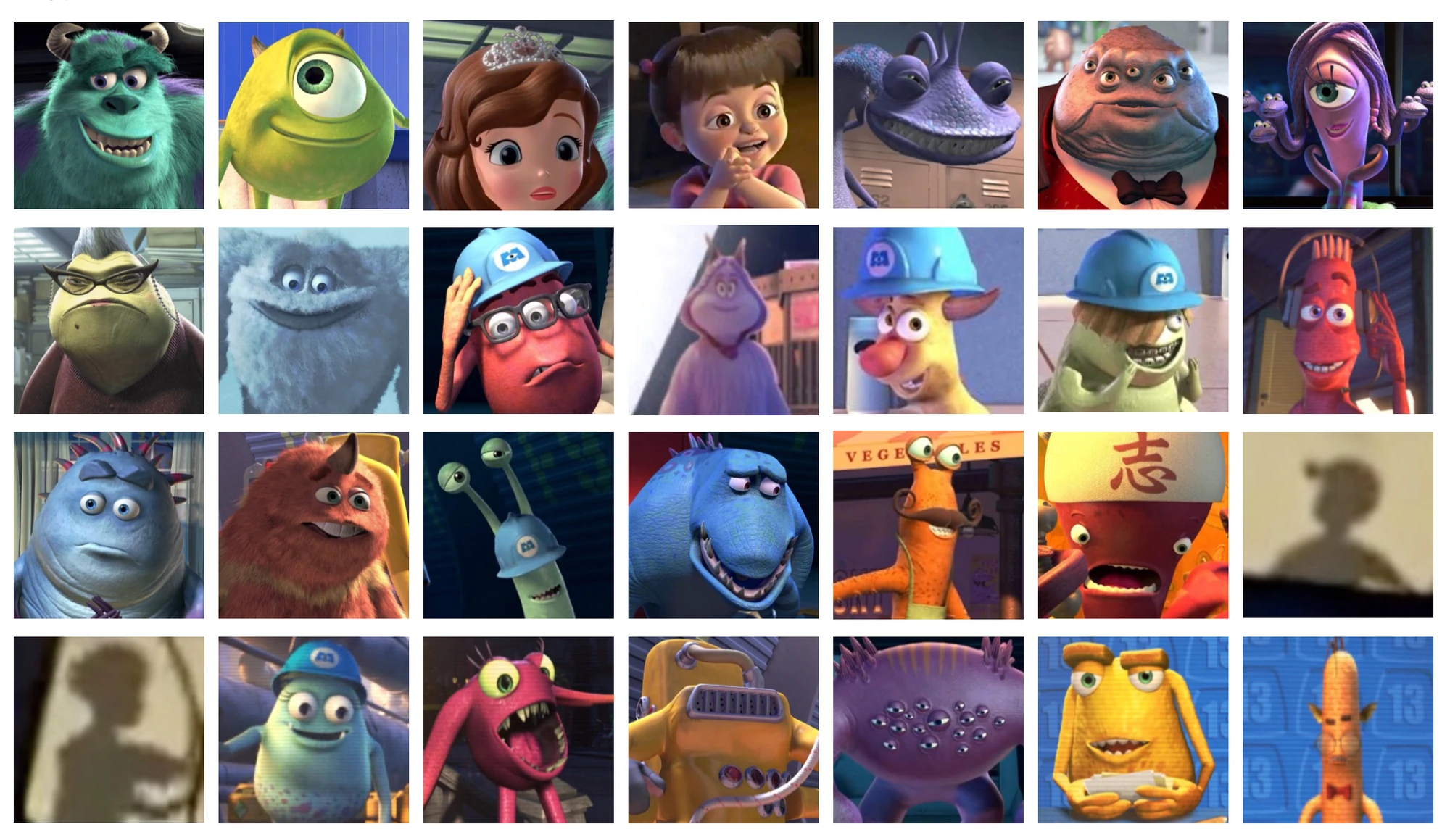
The phrase "big lips monster inc" refers to the specific character design aesthetic observed in various monsters featured in the Pixar Animation Studios film Monsters, Inc. (2001) and its 2013 prequel. This aesthetic centers on exagger...
The phrase "big lips monster inc" refers to the specific character design aesthetic observed in various monsters featured in the Pixar Animation Studios film Monsters, Inc. (2001) and its 2013 prequel. This aesthetic centers on exaggerated facial features, specifically oversized, expressive lips used to convey unique personality traits and emotional range within the film's proprietary character-modeling software.
Contents
Understanding the Aesthetic Evolution in Animation
The character designs in Monsters, Inc. were revolutionary for their time, utilizing early iterations of subsurface scattering and complex skin-shading algorithms. The "big lips" trait is not a singular character identifier but rather a common stylistic choice in the film's character library to differentiate the monstrous biology of the residents of Monstropolis.
By using exaggerated features like enlarged lips, the character designers were able to:
- Enhance lip-syncing accuracy for complex dialogue animation.
- Establish a visual shorthand for non-human expressions.
- Maintain a balance between "scary" monster archetypes and the lovable, comedic protagonists needed for a family-oriented narrative.
This design philosophy carried forward into 2026, where modern animation studios continue to reference the structural rig of the original Monsters, Inc. models as a benchmark for character rigging and facial topology.
Technical Specifications of Character Modeling
In the context of computer-generated imagery (CGI), the "big lips" design requires specific rigging considerations. Animators must ensure that the geometry around the mouth can deform without losing volume.
- Geometry Topology: High-density meshes are required around the orbicularis oris muscle area to support the compression and stretching needed for exaggerated expressions.
- Weight Painting: The influence of the lip bones must be carefully calibrated to ensure the mesh follows the movement without "collapsing" during wide-mouthed scenes.
- Subsurface Scattering: To make these large, fleshy lips appear realistic under the studio lighting, artists apply specific scattering profiles that mimic the translucency of organic skin.
Comparison of Design Philosophies
The following table illustrates how character design evolved from the early 2000s to modern 2026 standards for similar creature-based character models.
| Design Element | 2001 Standards (Original) | 2026 Standards (Modern) |
|---|---|---|
| Mesh Density | Moderate, optimized for hardware | High-fidelity, real-time ready |
| Lip Rigging | Basic linear skeletal weights | Dual-quaternion skinning with corrective shapes |
| Rendering | CPU-based scanline rendering | GPU-accelerated Path Tracing (e.g., Ray Tracing) |
| Emotional Range | Macro-expressions | Micro-expression and muscle-fiber simulation |
Influence on Character Design Trends
The design choices made by the team at Pixar influenced a decade of character design in both film and gaming. By treating these exaggerated features as functional assets rather than just caricatures, the studio proved that "monstrous" designs could facilitate deeper audience empathy.
When analyzing the "big lips" aesthetic, industry experts often look at the silhouette principle. In character design, a clear silhouette is paramount. The addition of large, distinct features like lips breaks up the standard circular or square shapes of a monster, allowing the eye to track the character's movement across the screen more effectively.
Troubleshooting Common Animation Rigging Failures
If you are currently working in animation or 3D modeling and attempting to replicate these design styles, you may encounter specific technical hurdles. The most common issues revolve around mesh pinching and volume loss.
- Pinching at Commissures: When a character with large lips smiles or opens their mouth wide, the corners of the mouth (commissures) often pinch. To resolve this in a 2026 workflow, implement corrective blend shapes (also known as pose-space deformers) that trigger automatically when the mouth reaches a specific rotation threshold.
- Texture Stretching: Large features are prone to texture distortion. Ensure your UV mapping for the mouth area is significantly denser than the rest of the facial model to avoid pixelation during high-resolution close-ups.
- Volume Maintenance: If the lips appear to flatten during animation, verify your joint orientation. For large lips, using a secondary set of helper joints—or "nudge" bones—can help maintain the rounded, fleshy volume through the full range of motion.
Frequently Asked Questions
Are the "big lips" on characters like Mike Wazowski or secondary monsters intentional? Yes, the design is intentional. Pixar designers utilized exaggerated facial features to communicate personality, as the characters often lack traditional human anatomy. The specific lip shapes are calibrated to ensure the audience can read the character’s emotional state from a distance.
How does 2026 technology affect how we view these classic designs? Modern 2026 hardware allows for real-time rendering of these classic designs with much higher fidelity. What was once a pre-rendered process can now be viewed in real-time engines, allowing for faster iteration when testing new "big-lipped" character concepts.
Is there a specific software used for creating these monster designs? Historically, Pixar used proprietary software like Marionette. In 2026, most industry professionals utilize tools like Maya, Houdini, or Blender, combined with advanced sculpting suites like ZBrush to achieve the high-frequency detail required for realistic creature skin.
Can "big lips" designs be considered a trope in animation? In character design, it is considered a stylistic choice rather than a trope. It serves the functional purpose of enabling clearer facial animation for non-humanoid characters, which is a standard requirement for films involving dialogue-heavy monster archetypes.
What is the best way to rig large lips for mobile-friendly games? For mobile, prioritize a lower mesh count and bake the high-frequency details into normal maps. Use a simplified skeletal structure that relies on shape keys rather than complex joint chains to maintain performance while preserving the iconic "big lips" aesthetic.
Implementing Character Design Standards
When developing original characters that require stylized, exaggerated features, focus on the "Readability Test." Place your character in a low-light environment and silhouette it. If the distinctiveness of the facial structure—including the lips—is lost, the design needs more volumetric contrast. In 2026, the intersection of performance and aesthetic remains the primary goal for character leads. Whether for independent short films or large-scale productions, the legacy of these early 2000s designs continues to provide a foundational blueprint for effective, expressive, and memorable creature design.
Image Gallery