Understanding the Positive RPR in Student Health
A positive RPR (Rapid Plasma Reagin) result in a student health context indicates that the blood sample is "reactive" to antibodies typically produced during a syphilis infection. However, a positive RPR is not a definitive diagnosis o...
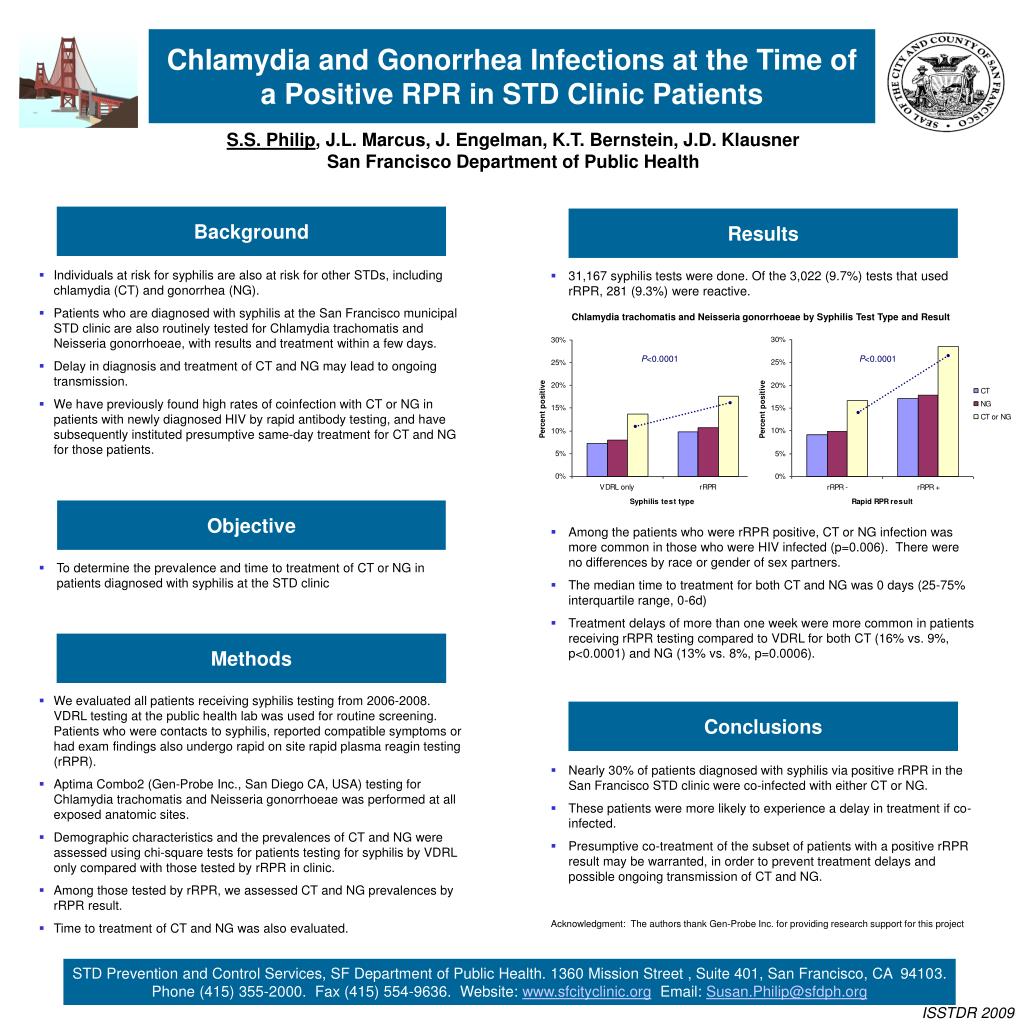
A positive RPR (Rapid Plasma Reagin) result in a student health context indicates that the blood sample is "reactive" to antibodies typically produced during a syphilis infection. However, a positive RPR is not a definitive diagnosis of syphilis; it is a screening tool that requires a secondary, confirmatory treponemal-specific test to distinguish between an active infection and a biological false positive.
Contents
Receiving a reactive lab report from a university health center or a clinical placement screening can be a source of significant anxiety for students. In the landscape of 2026 campus wellness, diagnostic protocols have become highly streamlined, yet the biological complexities of the RPR test remain the same. Understanding the nuances of this test—from why it is ordered to what a "titer" signifies—is essential for any student navigating the follow-up process.
The Role of RPR in Student Health Screenings
The Rapid Plasma Reagin (RPR) test is a non-treponemal screening test. Unlike tests that look directly for the bacteria Treponema pallidum, the RPR detects nonspecific antibodies (reagins) that the body produces when it is fighting the infection.
In a university setting, RPR tests are most commonly administered under three circumstances:
- Routine Health Requirements: Many international students or students entering specific academic tracks (such as medicine, nursing, or dentistry) are required to undergo infectious disease screening.
- Clinical Symptoms: If a student presents at campus health with a suspicious rash, sores (chancres), or unexplained flu-like symptoms, an RPR is often the first line of diagnostic inquiry.
- Proactive STI Testing: As part of routine sexual health wellness checks offered by student unions or health departments, RPR remains a standard component of a comprehensive "full panel" screen.
The RPR is favored for initial screening because it is cost-effective, provides rapid results, and allows clinicians to measure the "titer" or the amount of antibody in the blood. This measurement is crucial for determining the stage of an infection or the effectiveness of treatment.
Interpreting the "Reactive" Result and Titer Levels
When a lab returns an RPR result, it is usually labeled as "Reactive" or "Non-reactive" rather than "Positive" or "Negative." If the result is reactive, the laboratory performs a "titer" to determine the concentration of the antibodies.
A titer is expressed as a ratio, such as 1:4, 1:16, or 1:128. These numbers represent how many times the blood sample could be diluted and still show a reaction.
- Low Titers (e.g., 1:1, 1:2, 1:4): These may indicate a very early stage of infection, a very late (latent) stage, or a biological false positive.
- High Titers (e.g., 1:32, 1:64 or higher): These typically suggest an active, current infection.
For students, the titer is the most important number for their healthcare provider. If a student was treated for syphilis in the past, their RPR might remain "reactive" at a low, stable level for years—a phenomenon often called a "serofast" reaction. This is why providing an accurate medical history to student health providers is vital; a previous infection can change how a "positive" result is interpreted in 2026.
The Problem of Biological False Positives (BFP)
One of the most common reasons for a positive RPR in a healthy student population is a Biological False Positive (BFP). Because the RPR looks for nonspecific antibodies, various other conditions can trigger a "reactive" result even when no syphilis infection is present.
Common triggers for BFPs in a student demographic include:
- Recent Vaccinations: With university mandates for various boosters, a recent immunization (such as for influenza or meningitis) can occasionally cause a temporary spike in nonspecific antibodies.
- Viral Infections: Common campus illnesses, including infectious mononucleosis (EBV), hepatitis, or even a severe case of the common cold, can interfere with RPR results.
- Autoimmune Conditions: Students with undiagnosed or known conditions like Lupus (SLE) or rheumatoid arthritis frequently test reactive on RPR screens.
- Pregnancy: While less common in the general undergraduate population, pregnancy is a well-documented cause of non-treponemal false positives.
Because of these variables, the medical community adheres to a "two-step" testing algorithm. A reactive RPR must always be followed by a treponemal-specific test, such as the TPPA (Treponema pallidum particle agglutination) or the FTA-ABS (Fluorescent Treponemal Antibody Absorption). These tests look for antibodies that only react to the actual syphilis bacteria. If the RPR is reactive but the confirmatory test is non-reactive, the student is cleared of the infection.
Clinical and Academic Implications for Students
A reactive RPR result carries implications beyond personal health, particularly regarding privacy and academic requirements.
Privacy and Confidentiality
Under the health privacy standards of 2026, student health records are protected by a combination of HIPAA (Health Insurance Portability and Accountability Act) and, in some cases, FERPA (Family Educational Rights and Privacy Act). Generally, a university health center cannot disclose a student's STI status to professors, parents, or university administration without explicit consent. However, syphilis is a reportable condition in almost all jurisdictions. This means the lab is legally required to report a confirmed positive case to the local department of public health for contact tracing purposes.
Program Requirements
For students in healthcare rotations or teaching placements, a confirmed positive RPR that indicates an active infection may briefly pause their clinical participation until they can prove they have completed the initial course of treatment (usually a penicillin injection). It is important to note that once treatment has begun and a clinician clears the student, they are typically allowed to resume all academic and clinical activities.
Contact Tracing
If the infection is confirmed, the student will be asked to participate in "partner notification." This process is handled with extreme discretion by public health officials. In 2026, many health departments utilize secure, anonymous digital tools to notify partners that they may have been exposed, without ever revealing the identity of the person who tested positive.
Comparison of Syphilis Testing Methods
The following table outlines the differences between the screening test (RPR) and the confirmatory tests used to verify a result.
| Feature | RPR (Screening) | Treponemal Tests (Confirmatory) |
|---|---|---|
| Target | Nonspecific antibodies (reagins) | Antibodies specific to T. pallidum |
| Speed | Fast (often same-day) | Slower (specialized lab work) |
| Cost | Low | Higher |
| Purpose | Initial screen and monitoring treatment | Confirming the diagnosis |
| Titer Provided? | Yes (e.g., 1:16) | No (usually just Positive/Negative) |
| Post-Treatment | Titer should decline over time | Usually stays positive for life |
Next Actions Following a Positive Result
If you receive a notification of a reactive RPR from your student health portal, the following steps are the standard medical protocol:
- Do Not Panic: As noted, false positives are common. A reactive RPR is the beginning of a diagnostic conversation, not the end.
- Confirm the Follow-up: Ensure the lab has already ordered a confirmatory treponemal test (TPPA or FTA-ABS). Most modern labs do this automatically through a "reflex" protocol.
- Review Medical History: Prepare to tell your provider about any recent illnesses, vaccinations, or previous history of STIs.
- Abstain from Sexual Activity: Until the confirmatory test results are back and a clinical diagnosis is made, it is responsible to pause sexual contact to prevent potential transmission.
- Attend the Follow-up Appointment: If the confirmatory test is also positive, your provider will likely prescribe a single intramuscular injection of Bicillin (Penicillin G benzathine). This remains the gold standard treatment in 2026 for primary and secondary syphilis.
Frequently Asked Questions
Does a positive RPR mean I definitely have an STD?
No. While it is a strong indicator, it is not a diagnosis. Many factors, including recent viruses or autoimmune responses, can cause a "false positive" RPR. You must wait for the treponemal-specific confirmatory test result to know for certain.
Can I stay in my dorm and go to classes?
Yes. Syphilis is not spread through casual contact, such as sharing a bathroom, sitting in a lecture hall, or eating in a dining hall. Your academic life and housing status are not at risk due to a positive RPR result.
How long does it take for the RPR to become negative after treatment?
The RPR titer usually drops significantly within six months of successful treatment. However, it may take 12 to 24 months to become completely non-reactive. In some individuals, the test remains reactive at a very low level (like 1:1 or 1:2) indefinitely; this is known as being "serofast."
Will my parents find out about my test results?
If you are over 18, healthcare providers cannot share your medical information with your parents without your written permission, even if you are on their insurance. If you use your parents' insurance to pay for the test, an "Explanation of Benefits" (EOB) might be sent to the policyholder, which could list the name of the test performed. Many students choose to pay out-of-pocket for STI testing at campus clinics to avoid this.
What if I am allergic to Penicillin?
In 2026, alternative treatments such as doxycycline or ceftriaxone are available for students with confirmed penicillin allergies. Your student health provider will determine the best dosage and duration based on the stage of the infection.
Summary of Clinical Best Practices
The primary goal of student health services is to ensure that students remain healthy and capable of completing their education. A positive RPR is a manageable clinical finding. By following the "Screen-Confirm-Treat" pathway, most students can resolve the issue within a matter of days. Always ensure that you receive a copy of your lab results for your personal records, as you may need to show proof of a declining titer for future clinical placements or international travel visas.
For more information on syphilis screening guidelines and the interpretation of non-treponemal tests, you can visit the Centers for Disease Control and Prevention (CDC) or consult your university's specific student health services handbook.
Image Gallery