The Story of the DoubleTree Cookie: A Legacy of Hospitality
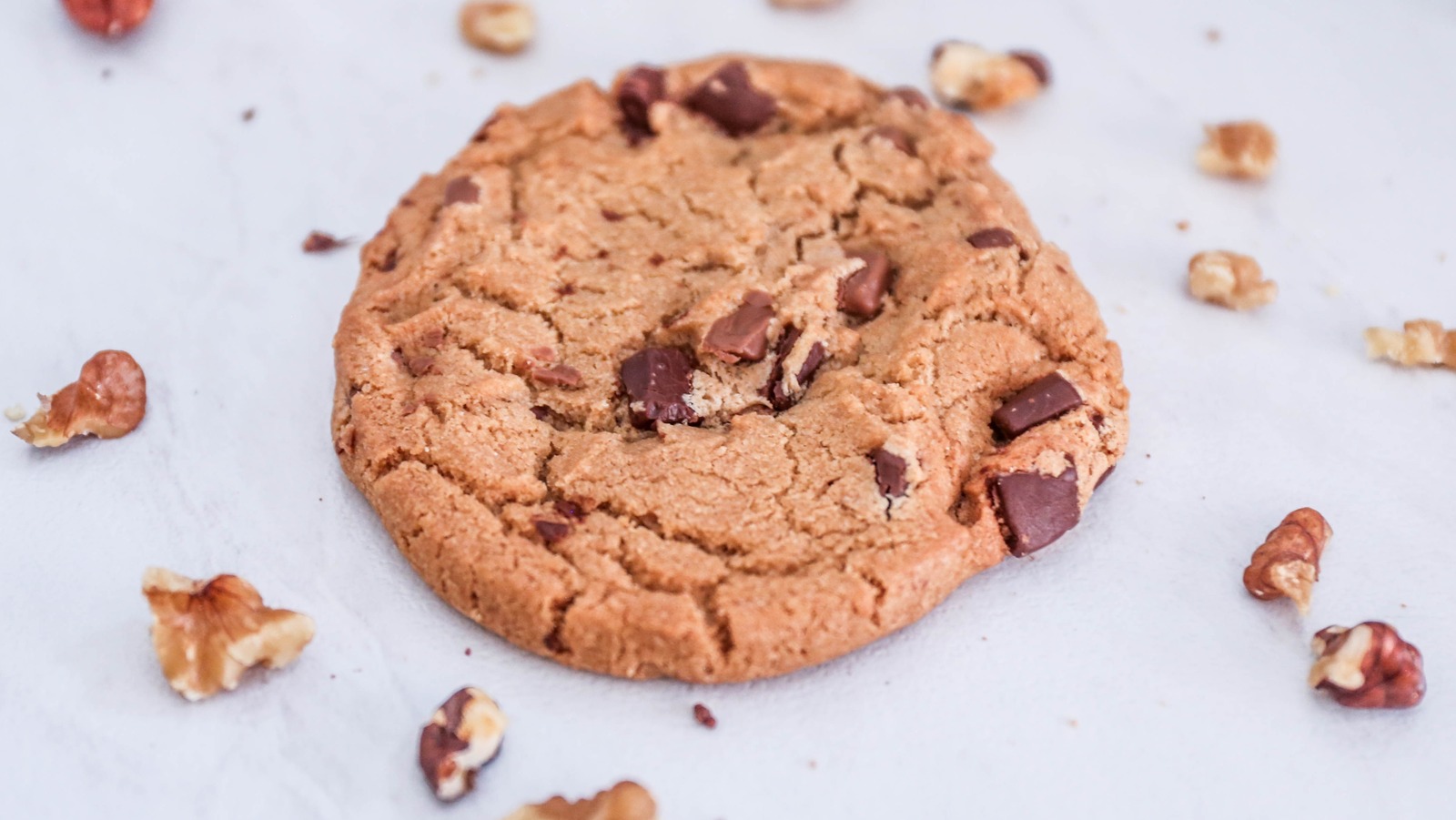
The DoubleTree cookie is a signature warm chocolate chip treat offered to guests upon check-in at DoubleTree by Hilton properties worldwide. What began as a modest hospitality gesture in the mid-1980s has evolved into a global brand sy...
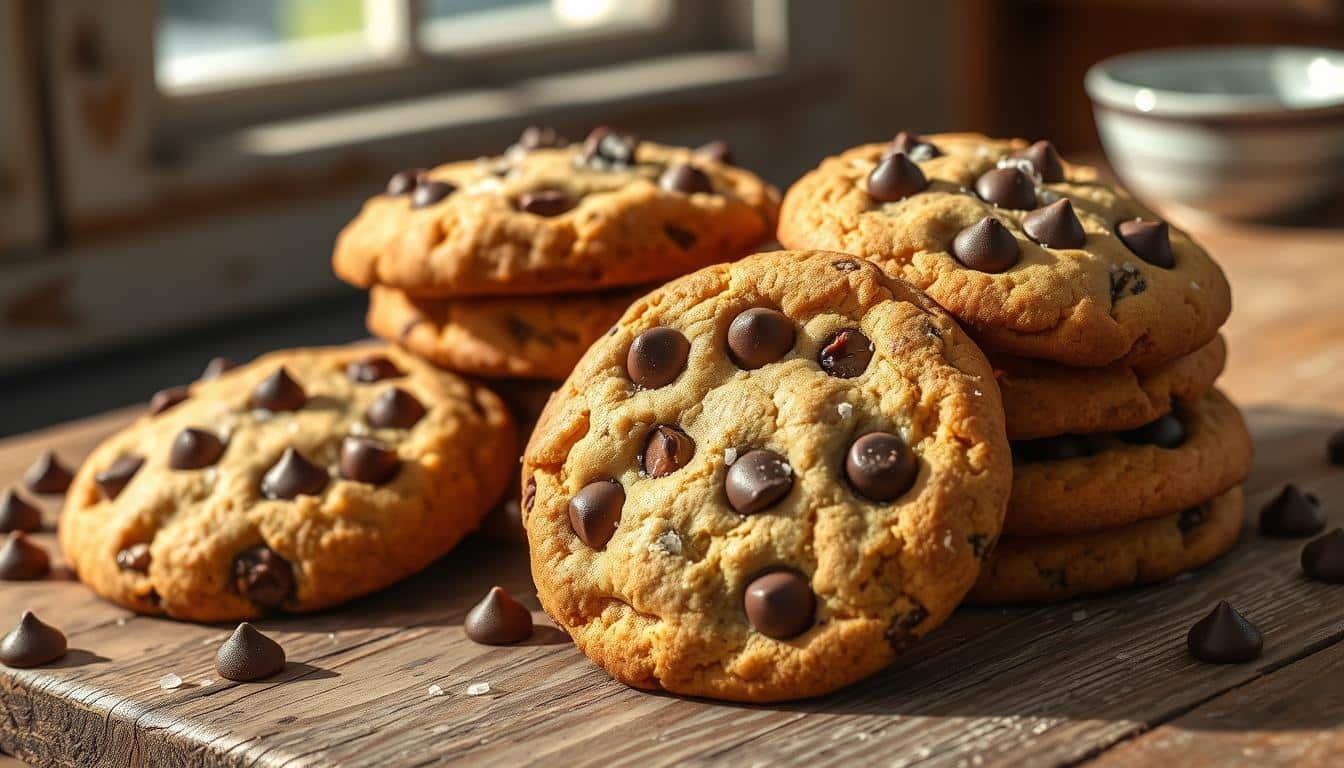
The DoubleTree cookie is a signature warm chocolate chip treat offered to guests upon check-in at DoubleTree by Hilton properties worldwide. What began as a modest hospitality gesture in the mid-1980s has evolved into a global brand symbol, recognized for its specific weight, ingredients, and the proprietary baking process that ensures a consistent, comforting experience for millions of travelers.
Contents
The Origins of a Hospitality Icon
The tradition of the DoubleTree cookie did not emerge from a corporate board meeting, but rather from a fundamental desire to differentiate the guest experience. In the mid-1980s, as the DoubleTree hotel brand began to scale its operations across the United States, leadership sought a simple, low-cost method to humanize the often sterile process of hotel check-ins.
While the exact date of the first cookie distribution remains a point of internal history, the practice was formalized by the mid-1980s. By providing a warm, tangible token of welcome, the brand aimed to forge an immediate emotional connection with guests. The choice of a chocolate chip cookie was deliberate; it tapped into universal nostalgia and comfort, effectively serving as a "home away from home" identifier. Over the ensuing decades, this simple amenity became so deeply ingrained in the brand’s identity that the cookie eventually replaced the traditional welcome mat as the primary symbol of the DoubleTree experience.
Anatomy of the Standardized Recipe
Consistency is the cornerstone of the DoubleTree cookie experience. For a brand operating hundreds of locations across diverse climates and supply chains, ensuring that a cookie in London tastes identical to one in Tokyo or New York required rigorous standardization.
In 2019, Hilton officially released the "official" recipe for the DoubleTree cookie, a move that surprised many industry observers who assumed the formula was a strictly guarded trade secret. The decision to publish the recipe was framed as a gesture of hospitality to guests unable to travel during periods of social transition. The recipe relies on specific ratios of ingredients to achieve the characteristic "chewy yet crisp" texture:
- Flour: All-purpose flour provides the structural base.
- Rolled Oats: A subtle addition that provides texture and body.
- Chocolate Chips: Semi-sweet chips are the industry standard for this recipe, ensuring a balance between sweetness and the bitterness of the cocoa.
- Walnuts: Chopped walnuts offer a necessary crunch and depth of flavor that offsets the sugar content.
- Leavening Agents: A precise combination of baking soda and baking powder ensures the cookie spreads correctly during the bake.
- Acidulation: Lemon juice is a signature ingredient, acting as a reactant with the baking soda to create a lift and tenderness that defines the cookie’s crumb.
Logistics and Quality Control
The operational logistics behind the cookies are as critical as the ingredients. Properties are instructed to use a specific dough, often sourced through national food service distributors, to ensure that the moisture content remains consistent. The cookies are typically baked on-site at each hotel, which serves two purposes: it ensures the cookies are served warm, and it releases the distinct aroma of baking chocolate in the lobby—a sensory marketing strategy designed to increase guest satisfaction scores.
Maintaining the "warm" delivery requirement involves the use of specialized, small-batch warming cabinets. These units are programmed to maintain the integrity of the cookie’s texture without over-baking them throughout the day. Staff training protocols include strict guidelines on how long a batch can remain in the warmer and the proper rotation of stock.
Comparative Metrics of the DoubleTree Cookie
To understand the position of the DoubleTree cookie in the broader hospitality sector, it is useful to compare its attributes against industry standards for "signature" amenities.
| Feature | DoubleTree Cookie | Industry Standard Amenity |
|---|---|---|
| Distribution | Upon check-in (universal) | Usually loyalty tier-dependent |
| Temperature | Served warm | Often room temperature/pre-packaged |
| Recipe | Centralized, standardized | Locally sourced or generic |
| Branding | High (Integrated into logo/marketing) | Low (Generic branded items) |
| Scale | Global (Millions per year) | Usually regional or single-property |
Common Challenges in Maintaining Consistency
Despite strict protocols, properties face several operational challenges. The primary issue is "baking variance." Because hotel kitchens range from full-service culinary facilities to small limited-service pantries, the ovens used to prepare the cookies can vary significantly in heat distribution. To mitigate this, DoubleTree provides regional operations teams with calibration guidelines for common oven models.
Another challenge is ingredient sourcing in international markets. In some regions, the specific grind of oats or the percentage of cocoa in the chocolate chips may differ due to local availability. To address this, Hilton requires that all international franchises work with authorized distributors who can replicate the "gold standard" profile of the original American-based recipe.
The Evolution into Global Branding
By 2026, the cookie has become a sophisticated piece of brand intellectual property. It is no longer just an amenity; it is a marketing vehicle. The branding associated with the cookie extends to retail merchandise, including pre-made dough kits and even the specific warming cabinets used in lobbies.
This transformation from a "nice-to-have" lobby snack to a core pillar of brand equity demonstrates the power of sensory marketing in the hospitality industry. When guests associate a specific physical sensation—the warmth of the cookie—with the brand, it creates a neurological anchor. This anchor is statistically correlated with higher Net Promoter Scores (NPS) and increased brand loyalty among business travelers, who often view the cookie as a reliable, predictable highlight of their routine.
Frequently Asked Questions
Why does the DoubleTree cookie recipe call for lemon juice? The inclusion of lemon juice is a chemical necessity rather than a flavor profile choice. When combined with baking soda, the citric acid reacts to create carbon dioxide, which helps the cookies rise and remain tender despite the inclusion of hearty ingredients like oats and walnuts.
Can I bake these cookies at home with the same results? Yes, provided you adhere to the specific weight measurements rather than volume measurements. Professional baking relies on the gram weight of ingredients to ensure the fat-to-flour ratio is exact. Using volume measurements, such as "cups," often leads to adding too much flour, which results in a dry or overly cakey cookie.
Are the cookies gluten-free or vegan? The standard, proprietary DoubleTree recipe is neither gluten-free nor vegan. It contains wheat flour, eggs, and dairy-based chocolate. While some individual properties may offer alternative snacks for guests with dietary restrictions, the signature cookie itself is standardized and does not cater to these specific dietary requirements.
How many cookies are distributed annually? While exact numbers fluctuate with occupancy rates, Hilton reports the distribution of tens of millions of cookies annually across its global network. This makes the brand one of the largest single-entity distributors of chocolate chip cookies in the world.
Does the cookie cost extra? No, the cookie is provided as a complimentary amenity at check-in for all guests regardless of their status or booking channel. It is considered an embedded cost of the brand’s customer service model.
Practical Recommendation for Guests
For the most authentic experience, accept the cookie offered at check-in rather than waiting to consume it later. The "warmth" factor is an intentional component of the recipe’s intended texture. If you are provided a cookie that has cooled, you can briefly reheat it in a low-temperature oven (approximately 300°F or 150°C) for 2 to 3 minutes to restore the softness of the interior and the melt of the chocolate chips. If you are a fan of the recipe, consider using a kitchen scale to measure your ingredients in grams, as this is the only way to replicate the professional-grade consistency experienced at a Hilton property.
Image Gallery