Why Septic Spots Matter for Homeowners: Identifying Early Warning Signs in Your Yard
Septic spots are localized variations in grass color or growth—typically appearing as unusually lush green patches or abnormally dry, brown areas—located directly above a septic tank or drain field. These spots matter because they serv...
Septic spots are localized variations in grass color or growth—typically appearing as unusually lush green patches or abnormally dry, brown areas—located directly above a septic tank or drain field. These spots matter because they serve as critical visual indicators of a system's health, often signaling nutrient imbalances, soil saturation, or component failures before expensive backups or environmental contamination occur.
Contents
For homeowners in 2026, maintaining a private onsite wastewater treatment system (OWTS) is both a financial and environmental responsibility. Unlike municipal sewer connections, a septic system requires active monitoring. While modern sensors and smart-tank monitors have become more common, the most reliable and immediate diagnostic tool remains the homeowner’s own eyes. Understanding the "language" of your lawn can mean the difference between a minor maintenance adjustment and a total system replacement costing upwards of $15,000 to $30,000.
The Science of Septic Spots: Why the Grass Changes
To understand why "septic spots" appear, one must understand the basic mechanics of how effluent—the treated liquid waste—interacts with your soil. After solids settle in the primary septic tank, the remaining liquid is discharged into the drain field (or leach field). This liquid is rich in nitrogen, phosphorus, and moisture.
Under ideal conditions, this effluent is distributed evenly through a series of perforated pipes buried in gravel-filled trenches. The soil then acts as a natural filter, removing pathogens before the water re-enters the groundwater table. However, when the system is imbalanced, the vegetation above the pipes reacts to the change in the subterranean environment.
The Nitrogen Effect
Nitrogen is a primary component of lawn fertilizer. When a septic system is functioning, it naturally delivers a steady stream of diluted nitrogen to the roots of the grass above. If one area of the drain field is receiving more effluent than intended—perhaps due to a tilted distribution box or a partial blockage in another line—the grass in that specific area will become significantly greener and taller than the rest of the yard. This creates the classic "neon green" septic spot.
The Thermal and Moisture Barrier
Conversely, spots are not always green. Dead or brown patches often appear directly over the septic tank itself. This occurs because the tank—usually made of concrete, fiberglass, or polyethylene—sits closer to the surface than the surrounding soil. During the heat of summer, the tank retains heat and prevents deep root growth, essentially "scalding" the grass from beneath. Furthermore, the shallow soil layer above a tank cannot hold enough moisture to sustain grass during dry spells, leading to localized drought stress.
Interpreting Different Types of Septic Spots
Not all spots indicate an immediate catastrophe, but every deviation from uniform lawn growth warrants an investigation. Homeowners should categorize what they see based on color, texture, and moisture levels.
1. The Lush, Overgrown Stripe
If you notice distinct, vibrant green stripes that follow the path of your lateral lines, your system is likely experiencing "localized loading." This means the effluent is not being distributed equally across the entire field. While the grass looks healthy, this is an early warning that certain lines are being overworked, which can lead to premature soil clogging (biomat buildup) in those specific trenches.
2. The "Soggy" Green Patch
A green spot that feels spongy or stays wet long after a rainstorm is a major red flag. This indicates that the effluent is no longer filtering downward through the soil but is instead "surfacing." Surfacing effluent is a health hazard and a sign that the soil in the drain field has become "hydraulically overloaded." In 2026, local health departments increasingly use satellite and drone imagery to identify these failures, potentially leading to citations if the homeowner does not address the issue.
3. The Burnt or Bare Earth Spot
Usually found directly over the manhole covers or the center of the tank, these brown spots are often structural rather than functional issues. They indicate that the soil cover is too thin. While not always a sign of system failure, thin soil cover can lead to freezing pipes in colder climates or physical damage to the tank lid from lawnmowers.
Technical Indicators and System Verification
When a spot is identified, homeowners should move from visual inspection to technical verification. The following table provides a diagnostic framework for interpreting yard conditions in 2026.
| Visual Symptom | Physical Texture | Likely Cause | Priority Level |
|---|---|---|---|
| Vibrant Neon Green Stripe | Firm, fast-growing grass | High nitrogen delivery; uneven distribution | Medium - Requires D-Box inspection |
| Dark Green/Blackish Sludge | Slimy, wet, or boggy | Biomat failure or pipe breakage | Critical - Immediate professional repair |
| Yellow/Brown Rectangular Patch | Dry, brittle grass | Shallow tank depth or "tank scalding" | Low - Add topsoil or xeriscaping |
| Uniform Lush Green Field | Slightly damp but firm | Normal operation in high-usage households | Low - Monitor for changes |
| Depressed/Sunken Spots | Variable; often holds water | Soil settling or potential tank collapse | High - Safety hazard; avoid walking here |
Environmental and Regulatory Impacts in 2026
The importance of septic spots has escalated due to stricter environmental regulations regarding groundwater quality. As of 2026, many jurisdictions have implemented "Nitrate Sensitive Areas," where homeowners are legally required to ensure their systems are not leaching excessive nutrients into local aquifers.
A "septic spot" is essentially a leak of nutrients. If your lawn is absorbing those nutrients, it is preventing them from reaching the groundwater, but only to a point. Once the grass reaches its saturation limit, the excess nitrogen moves downward. Persistent green spots often precede the failure of "Perc Tests" (percolation tests) during property resale inspections. If you are planning to sell a home in 2026, addressing these spots early is vital for a smooth title transfer.
Maintenance Strategies to Resolve Septic Spots
If you identify concerning spots, the solution rarely involves working on the lawn itself; rather, it involves managing the system beneath.
Professional Pumping and Inspection
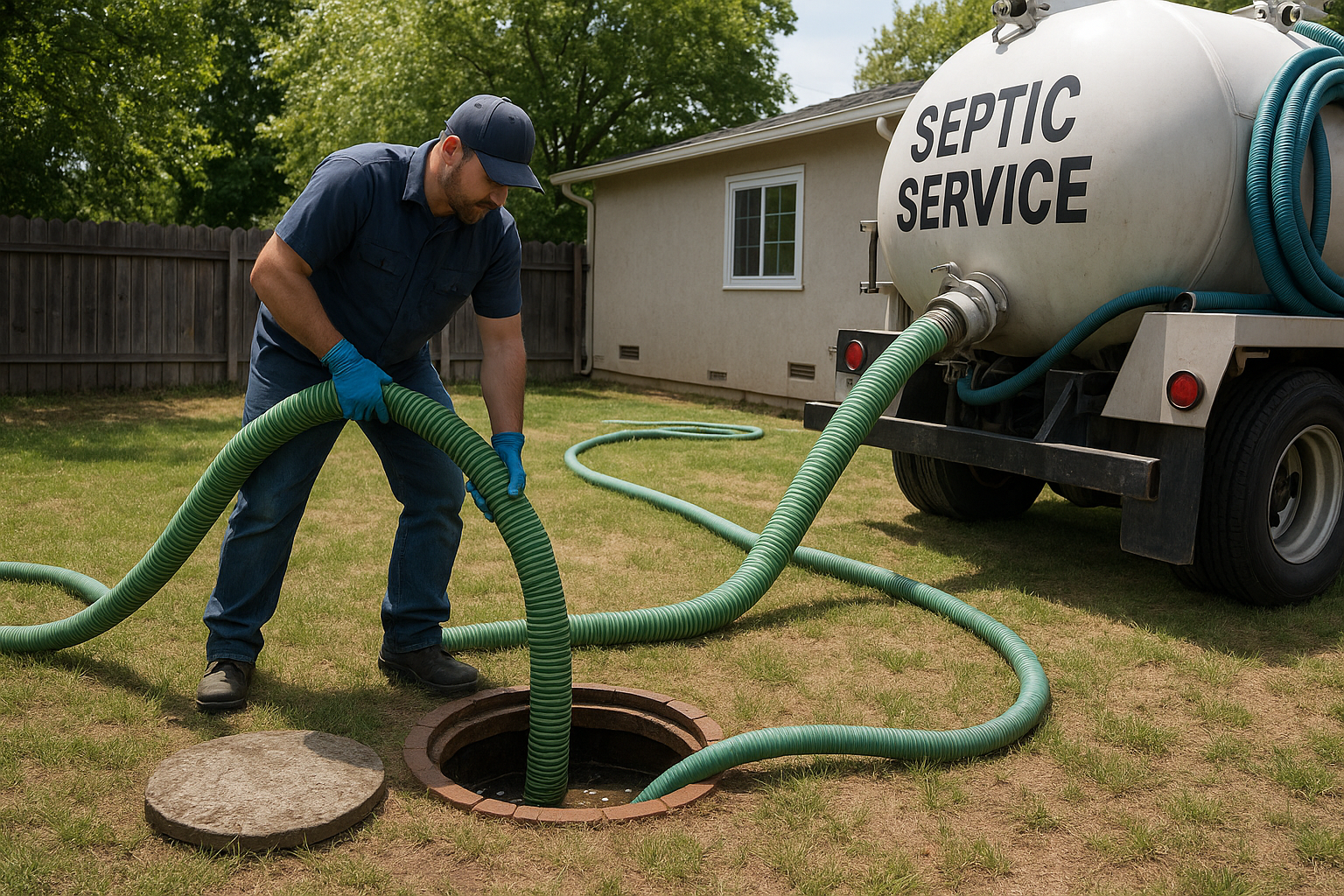
The first step in resolving any septic-related lawn anomaly is a professional pump-out. In 2026, most guidelines recommend pumping every 3 to 5 years for a standard family of four. If you notice spots and haven't pumped since 2022 or 2023, the tank may be over-accumulating solids, forcing "gray water" out into the field at a higher rate or volume than the soil can handle.
Distribution Box (D-Box) Leveling
If the spots appear as uneven stripes, the culprit is often the distribution box. This small concrete or plastic component directs effluent to the various lines of the drain field. Over time, the box can tilt due to soil shifting. A tilted D-Box sends 90% of the waste to one line, causing a green spot there while the other lines stay dry. Re-leveling a D-Box is a relatively low-cost fix that can extend the life of a drain field by a decade.
Managing Hydraulic Load
Modern lifestyles in 2026 often involve high-efficiency appliances, but "slug loading"—running five loads of laundry in a single Saturday—still overwhelms septic systems. This sudden influx of water can cause temporary surfacing (wet spots). Spreading water usage throughout the week allows the drain field time to "breathe" and prevents the formation of anaerobic conditions that lead to persistent green spots.
Landscaping Near Septic Spots
Many homeowners attempt to hide septic spots by planting trees or heavy shrubbery. This is a critical mistake. The root systems of water-seeking trees (such as willows or maples) will gravitate toward the moisture and nutrients in the septic lines. These roots can penetrate and shatter clay or plastic pipes, leading to total system collapse.
The best vegetation for a septic area is shallow-rooted turfgrass. If you have a "burnt spot" over your tank, consider adding 2-3 inches of additional topsoil to provide a buffer, or use decorative potted plants that do not root into the ground.
Frequently Asked Questions
Is it safe for children or pets to play on lush green septic spots? If the spot is merely greener grass but the soil is dry, it is generally safe. However, if the spot is damp, boggy, or has a noticeable odor, it indicates that untreated effluent is reaching the surface. This liquid contains bacteria, viruses, and parasites. Children and pets should be kept away from "wet" septic spots until a professional confirms the system is not failing.
Can I use fertilizer on my lawn if I have septic spots? You should avoid fertilizing directly over the drain field, especially if you already see lush green spots. The effluent is already providing a high dose of nitrogen. Adding more fertilizer can actually kill the grass through "nutrient burn" and contributes to groundwater pollution.
Do green spots always mean my system is failing? No. In many cases, a green spot simply shows where the system is working most efficiently. However, if the spot is significantly greener than the rest of the yard, or if it appears in a concentrated area while the rest of the drain field is brown, it indicates an imbalance in distribution that should be checked to prevent future failure.
Why do septic spots appear more prominently in the spring? In the spring, the water table is typically higher due to snowmelt and seasonal rain. This reduces the soil’s ability to absorb effluent. If your system is borderline failing, the extra environmental moisture will push effluent to the surface, making the nitrogen-rich green spots much more visible during this season.
How much does it cost to fix the causes of septic spots in 2026? Minor fixes like leveling a distribution box or clearing a minor pipe blockage typically cost between $500 and $1,500. However, if the spots indicate a "clogged" soil mass requiring a new drain field, costs in 2026 range from $10,000 to over $25,000, depending on soil type and local environmental regulations.
Practical Recommendations for Homeowners
If you notice a new or changing spot in your yard, do not ignore it. Start by mapping your system—know exactly where the tank and lines are located. If a lush spot appears, check your water usage patterns and look for leaks in your home (such as a running toilet) that could be drowning the field.
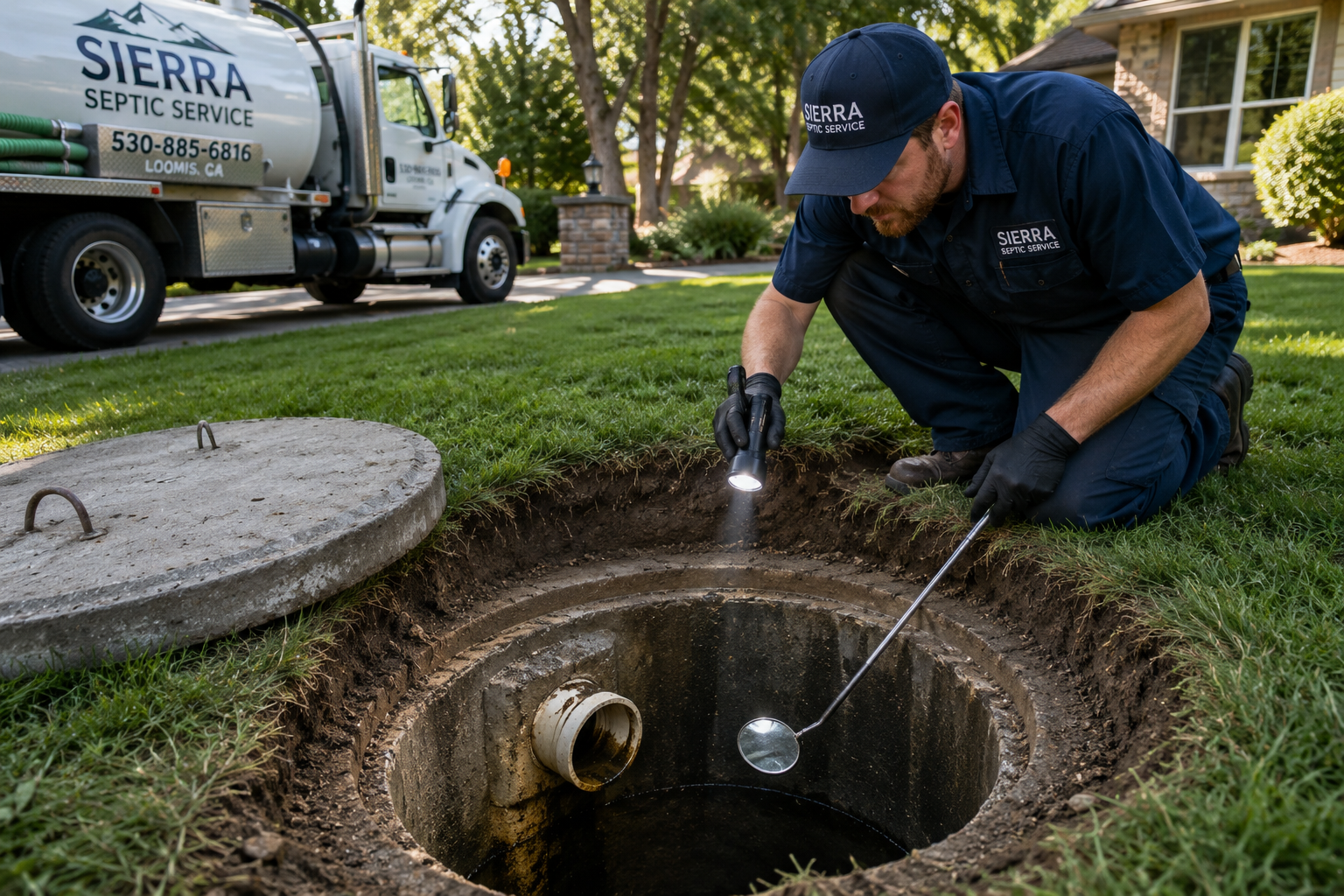
The most effective next step is to schedule a digital inspection. Many septic professionals in 2026 use small pole-cameras to inspect the interior of the lateral lines without digging up the yard. This can identify exactly where a blockage or break is occurring. By acting when the spot is just a "visual quirk," you can avoid the environmental hazards and massive financial burdens of a total system failure.
Image Gallery