Comprehensive Guide to Equine Reproduction and Horse Mating Management
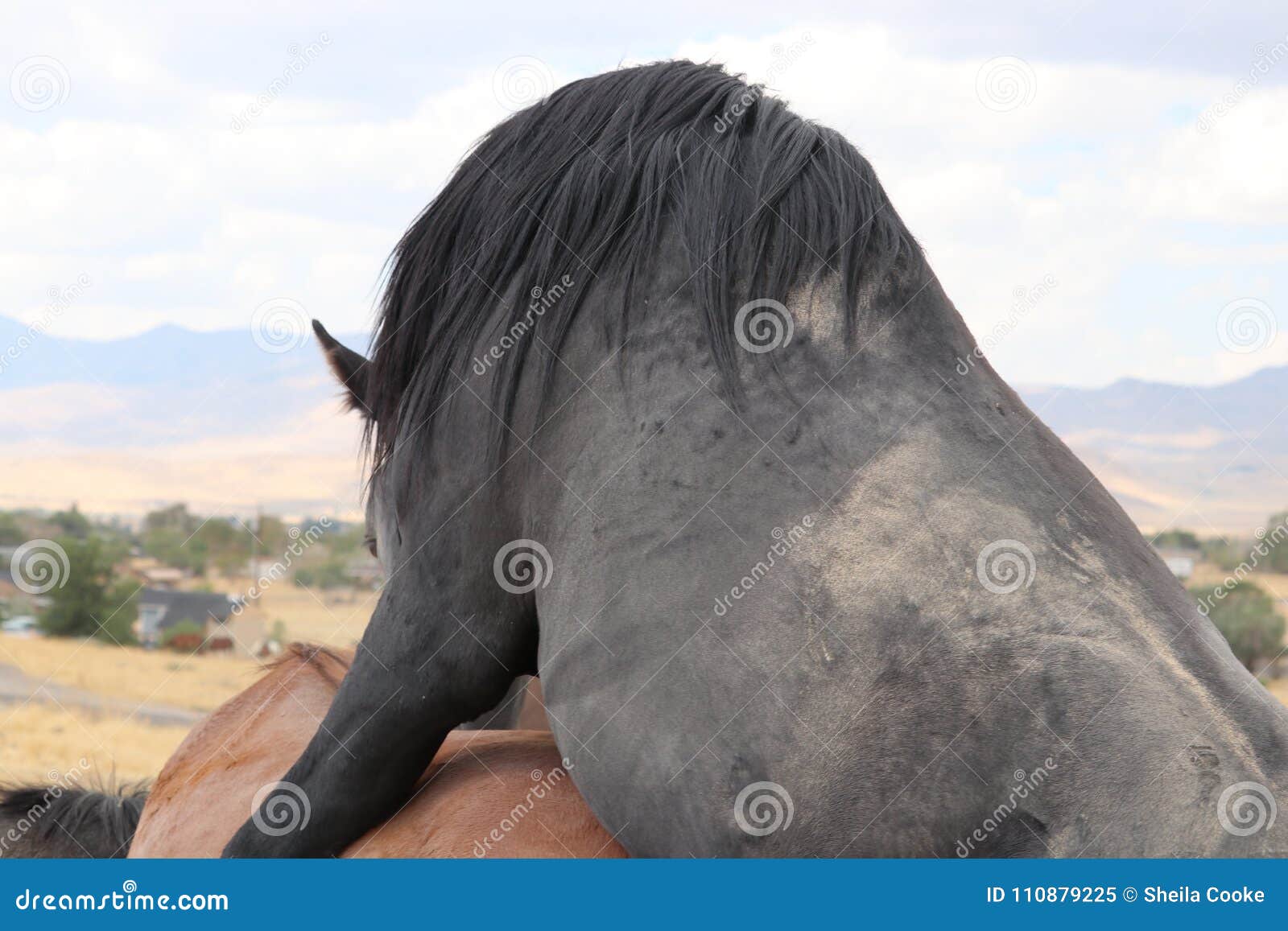
Horse mating, scientifically referred to as equine breeding, is a carefully managed biological process combining natural breeding behaviors with modern artificial techniques to produce healthy foals. Successful management requires a de...
Horse mating, scientifically referred to as equine breeding, is a carefully managed biological process combining natural breeding behaviors with modern artificial techniques to produce healthy foals. Successful management requires a deep understanding of the equine estrus cycle, precise veterinary oversight, rigorous safety protocols, and strict adherence to established equine husbandry standards for the 2026 breeding season.
Contents
Biological Foundations of Equine Reproduction
Equine reproduction is heavily governed by seasonal photoperiodism. Horses are long-day breeders, meaning the increasing daylight hours of spring trigger hormonal changes that stimulate the pituitary gland to release gonadotropins, waking up the reproductive system from seasonal anestrus.
Understanding the mare's estrus cycle is critical for successful breeding management. The average cycle lasts approximately 21 days, divided into two primary phases:
- Estrus (Heat): Lasting 5 to 7 days, this is the period when the mare is receptive to the stallion. During this phase, follicles mature on the ovaries, estrogen levels peak, and behavioral signs such as winking, frequent urination, and tail lifting become apparent.
- Diestrus: Lasting roughly 14 to 15 days, this phase follows ovulation. Progesterone dominates, the cervix tightly closes, and the mare rejects the stallion. If pregnancy does not occur, the uterus releases prostaglandin F2 alpha, dissolving the corpus luteum and restarting the cycle.
Stallion reproductive health is equally vital. A mature stallion produces billions of sperm daily, but seminal quality depends heavily on nutrition, proper conditioning, biosecurity, and regular veterinary evaluation of semen motility, concentration, and morphology.
Preparation and Prerequisites for Breeding
Before initiating any breeding program, thorough health screenings and management preparations must be completed for both dam and sire to maximize conception rates and minimize disease transmission.
- Comprehensive Health Screenings: Both mares and stallions must test negative for Equine Infectious Anemia (EIA) via a Coggins test. Mares require uterine cultures and cytology to check for subclinical endometritis, while stallions must be cultured for contagious equine metritis (CEM) and equine viral arteritis (EVA).
- Nutritional Optimization: Body condition scoring (BCS) should ideally sit between 5 and 6 on the Henneke scale. Overweight or underweight mares experience lowered endocrine signaling, which depresses follicular development and reduces embryonic survival rates.
- Vaccination and Parasite Control: Vaccinations for Equine Herpesvirus-1 (EHV-1), which causes rhinopneumonitis and abortion, must be administered at specific intervals during gestation (typically months 5, 7, and 9). Deworming schedules should be tailored using fecal egg count testing.
- Facility Preparation: Safe breeding areas require non-slip footing, padded stocks for the mare's safety, and handlers experienced in reading equine body language to prevent handlers and animals from injury.
Comparative Analysis of Equine Breeding Methods
Selecting the appropriate breeding method depends on facility resources, genetic goals, stallion availability, and the health status of the mare.
| Breeding Method | Primary Advantages | Main Disadvantages | Veterinary Intervention Level |
|---|---|---|---|
| Natural Cover | Natural behaviors; required by certain breed registries (e.g., Thoroughbred); lower equipment costs. | Higher risk of injury to horses and handlers; risk of venereal disease transmission; limits stallion use. | Low to Moderate (pre-breeding cultures, physical exams). |
| Artificial Insemination (AI) with Fresh Semen | Eliminates injury risk; allows one ejaculate to breed multiple mares; disease transmission minimized. | Requires specialized handling equipment; timing must align precisely with ovulation. | Moderate to High (ultrasonography, semen evaluation, insemination pipettes). |
| AI with Chooled/Cooled-Shipped Semen | Access to elite global stallions without transporting the mare; reduces travel stress. | Sperm longevity is limited (typically 24-48 hours); transport delays can compromise viability. | High (frequent ultrasound tracking, timed hCG/deslorelin trigger shots). |
| AI with Frozen Semen | Infinite storage life; preserves genetics of deceased stallions; high biosecurity. | Lower per-cycle pregnancy rates; requires exact timing relative to ovulation (within 6 hours post-ovulation). | Very High (serial ultrasounds every 4-6 hours near ovulation). |
Step-by-Step Execution of the Breeding Process
Executing a breeding cycle requires careful synchronization between veterinary diagnostics and management practices. Whether utilizing natural cover or artificial insemination, the following operational framework ensures optimal results.
Pre-Breeding Monitoring: Ultrasound Tracking: Veterinarians use transrectal ultrasonography to monitor follicular growth, endometrial edema patterns, and uterine tone daily or every other day once a mare enters estrus.
Ovulation Induction: Hormonal Triggers: When a dominant follicle reaches 35-40 mm in size and optimal uterine edema is visible, human chorionic gonadotropin (hCG) or deslorelin acetate is administered to induce predictable ovulation within 36 to 48 hours.
Insemination or Cover: Timing Precision: For fresh or cooled semen, insemination occurs ideally within 24 to 48 hours pre-ovulation. For frozen semen, the window narrows significantly, requiring post-ovulation checks to ensure fertilization occurs while the oocyte is viable.
Post-Breeding Management: Uterine Clearance: Mares are prone to breeding-induced endometritis. Post-breeding treatments often include oxytocin injections and uterine lavage with sterile saline 4 to 6 hours post-breeding to clear fluid and inflammation.
Pregnancy Diagnosis and Monitoring Milestones
Confirming pregnancy is a multi-stage process that requires veterinary verification to identify early embryonic loss, twin pregnancies, or reproductive failure.
- Day 11 to 15 (Initial Detection): Transrectal ultrasound allows the practitioner to identify the embryonic vesicle. Early detection is critical because identifying twins at this stage allows for manual reduction before fixation occurs around day 16.
- Day 25 to 30 (Heartbeat Check): The embryo should display a visible heartbeat, confirming viability.
- Day 40 to 45 (Endometrial Cups): The fetal placenta forms endometrial cups, which secrete equine chorionic gonadotropin (eCG). Pregnancy becomes firmly established, and the transition from luteal to placental progesterone maintenance begins.
- Day 60+ (Gender Determination): Advanced ultrasound can often determine fetal gender and check for general development before the fetus drops deep into the abdominal cavity during mid-gestation.
Common Risks, Failures, and Troubleshooting
Equine breeding is fraught with biological variables that can lead to cycles ending without a pregnancy. Understanding common failure points helps breeders adjust protocols rapidly.
- Persistent Mating-Induced Endometritis (PMIE): Some mares fail to clear fluid from the uterus following breeding, creating a hostile environment for the embryo. Remedy: Implement aggressive post-breeding uterine lavage and antibiotic infusions under veterinary supervision.
- Early Embryonic Loss (EEL): Loss of the pregnancy between day 15 and day 40 is frequently caused by hormonal imbalances (progesterone deficiency), uterine infections, or chromosomal abnormalities. Remedy: Supplement progesterone or altrenogest in subsequent cycles if luteal insufficiency is diagnosed.
- Stallion Semen Quality Declines: Seasonal factors, heat stress, or subclinical illness can degrade sperm motility. Remedy: Conduct routine collected semen evaluations and adjust the stallion's nutritional supplementation and antioxidant intake.
Frequently Asked Questions
What is the ideal age to start breeding a mare?
Most light-breed fillies reach physiological puberty between 12 and 18 months, but ethical and practical breeding typically begins between 3 and 4 years of age. At this stage, skeletal development is advanced enough to handle the physical demands of gestation and foaling safely.
How long is the gestation period in horses?
The average gestation period for a mare is approximately 330 to 345 days (roughly 11 months), though normal foaling can occasionally range from 320 to 370 days depending on the individual breed, environmental factors, and seasonal light exposure.
Can a mare conceive while nursing a foal?
Yes, many mares experience a "foal heat" approximately 5 to 12 days after giving birth, during which they can become pregnant. However, many breeders choose to skip foal heat and wait for the subsequent cycle to allow the mare's reproductive tract adequate time to involute and return to normal health.
What is the difference between cooled and frozen stallion semen?
Cooled semen is processed with an extender and maintained at refrigerator temperatures (around 4-5°C), remaining viable for up to 48 hours. Frozen semen is cryopreserved in liquid nitrogen at -196°C, which halts cellular activity indefinitely but requires extremely precise timing during insemination because thawed sperm have a much shorter lifespan.
How do veterinarians prevent twin pregnancies in mares?
Veterinarians perform early ultrasound scans between days 11 and 16 post-ovulation. If twin vesicles are detected, the practitioner manually crushes one vesicle while it is still mobile, allowing the remaining single embryo to develop normally and preventing the high mortality rate associated with equine twin pregnancies.
What biosecurity measures are required for shipping semen?
Stallion collection facilities must comply with international and interstate health regulations, testing stallions regularly for contagious equine metritis (CEM), equine viral arteritis (EVA), and infectious anemia, alongside using certified extenders containing broad-spectrum antibiotics.
Professional Consultation and Breeding Services
Optimizing equine reproductive success requires professional veterinary partnership, adherence to sanitary standards, and precise timing. Consult with a board-certified theriogenologist or an equine reproductive specialist to develop a customized breeding protocol tailored to your mare's medical history and your stallion's genetic profile.
Image Gallery