Understanding List Crawler Tools and Digital Discovery Mechanisms in Norfolk
List crawler platforms and automated data extraction systems serve as critical utilities for digital marketers, researchers, and local businesses in Norfolk looking to parse, index, and organize web-based directory data. Operating with...
List crawler platforms and automated data extraction systems serve as critical utilities for digital marketers, researchers, and local businesses in Norfolk looking to parse, index, and organize web-based directory data. Operating within the digital ecosystem requires an understanding of how automated fetching mechanisms interact with local business listings, search engine indexing rules, and server infrastructure limits.
Contents
The Mechanics of Web Crawling and Automated Directory Indexing
Web crawlers, frequently referred to as spiders or bots, systematically browse the World Wide Web to index content and extract structured information. In the context of regional data aggregation in Norfolk, specialized crawling scripts target directory websites, classified ads, and local business repositories to compile comprehensive databases.
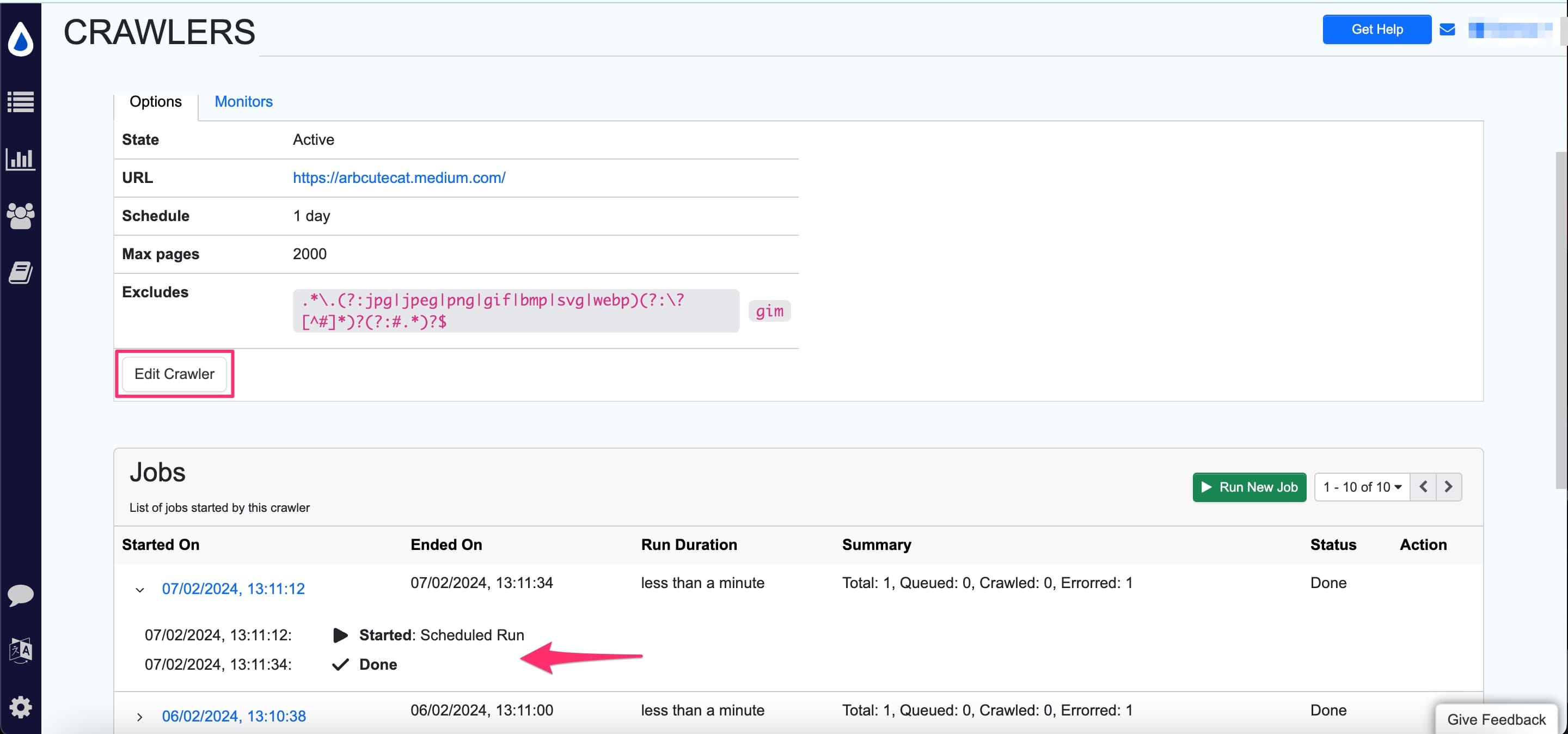
The underlying architecture of a list crawler relies on several sequential phases:
- Seed URL Initialization: The process begins with a defined list of starting URLs, such as regional directory homepages or specific municipal sub-pages.
- HTTP Request Dispatching: The crawler sends GET requests to target servers, retrieving the Hypertext Markup Language (HTML) documents associated with each address.
- Document Parsing and Link Extraction: Utilizing parsing engines like BeautifulSoup or Cheerio, the system scans the DOM (Document Object Model) to identify anchor tags, extract new URLs for the queue, and isolate target text nodes.
- Data Sanitization and Storage: Extracted text fields—such as business names, physical addresses, and contact numbers—are cleaned, formatted, and stored in relational or NoSQL databases for analysis.
Technical Requirements and Infrastructure Setup for Local Data Collection
Deploying automated data gathering tools within a specific geographic jurisdiction like Norfolk demands strict adherence to network protocols, server capacity planning, and ethical data harvesting standards. Technical operators must configure their environments to prevent service disruptions and avoid IP blacklisting.
To maintain operational efficiency and network hygiene, crawler deployments generally require the following technical specifications:
- User-Agent Header Configuration: Explicitly identifying the bot via a custom User-Agent string containing contact information or a project description.
- Rate Limiting and Politeness Policies: Implementing delays (e.g., 2 to 5 seconds between requests) to prevent overwhelming target web servers.
- Proxy Rotation Networks: Utilizing residential or datacenter proxy pools to distribute request loads across multiple IP addresses, mitigating rate-limiting hurdles.
- Headless Browser Integration: Employing tools like Selenium or Puppeteer for JavaScript-heavy single-page applications (SPAs) that require DOM rendering before data extraction.
Navigating Local Business Data Ecosystems in Norfolk
Norfolk features a diverse commercial landscape spanning maritime services, defense contractors, retail storefronts, and tourism hospitality. When aggregating business intelligence or directory data across this region, crawlers encounter distinct municipal structures, ranging from the historic Freemason district and Ghent neighborhood to the bustling commercial corridors along Military Highway.
Local businesses rely heavily on accurate directory synchronization across platforms like Google Business Profile, Yelp, and regional chambers of commerce. Automated tools assist analysts in auditing local citation consistency, ensuring that Name, Address, and Phone Number (NAP) data matches across multiple citation sources. Discrepancies in local citations can negatively impact local search engine optimization (Local SEO) performance and diminish local map pack visibility.
Compliance, Legal Frameworks, and Ethical Web Scraping
Operating data extraction tools requires careful consideration of legal precedents, privacy regulations, and website terms of service (ToS). Automated systems must respect technical directives established by site administrators to maintain ethical boundaries.
| Protocol / Standard | Purpose and Function | Implementation Rule |
|---|---|---|
| Robots.txt | Instructs compliant crawlers which paths and directories are restricted from access. | Must be parsed and checked prior to sending requests to any subdomain. |
| Crawl-Delay | Specifies the mandatory waiting period between consecutive requests from the same bot. | Configured directly in scraping scripts to respect server bandwidth. |
| Terms of Service (ToS) | Defines the contractual agreement between website owners and visitors regarding automated access. | Review legal restrictions regarding commercial data resale and automated harvesting. |
| GDPR / CCPA / VCDPA | Protects consumer privacy and personal identifiable information (PII). | Avoid scraping or storing unmasked personal data of private citizens. |
Comparative Analysis of Data Extraction Methodologies
Different approaches to gathering directory and list information offer varying degrees of scalability, maintenance overhead, and technical complexity. Selecting the appropriate methodology depends on the specific project scope and data volume requirements.
| Methodology | Primary Advantage | Main Limitation | Technical Complexity |
|---|---|---|---|
| Custom Python Scripts (BeautifulSoup / Scrapy) | Highly flexible, cost-effective, and adaptable to specific site structures. | Requires ongoing maintenance when target site HTML layouts change. | Moderate to High |
| No-Code Web Scraping Extensions | User-friendly graphical interfaces; rapid deployment for simple tasks. | Limited capability for handling pagination, infinite scroll, and complex anti-bot walls. | Low |
| Commercial Enterprise APIs | Guaranteed data accuracy, managed infrastructure, and legal compliance. | Recurring subscription costs and reliance on third-party data providers. | Low to Moderate |
| Headless Browser Automation (Puppeteer / Playwright) | Executes JavaScript natively; handles complex interactive elements easily. | High memory consumption and slower execution speeds compared to raw HTTP parsing. | High |
Step-by-Step Guide to Auditing Local Directory Listings
For organizations seeking to analyze or verify business directory data in Norfolk, executing a structured audit ensures data integrity and operational reliability.
- Define Data Extraction Parameters: Determine the specific data fields required (e.g., business category, geographic coordinates, operating hours) and establish the target directory scope.
- Review Access Guidelines: Inspect the target website's robots.txt file and legal terms to verify permitted crawling paths and restrictions.
- Configure the Extraction Script: Set up the parsing environment, ensuring proper rate-limiting parameters, user-agent strings, and error-handling routines are in place.
- Execute Test Runs: Run the crawler on a restricted subset of URLs (e.g., a single neighborhood or category page) to validate output accuracy and check for parser failures.
- Clean and Normalize Data: Process the extracted raw datasets to remove duplicate entries, standardize phone number formats, and align address strings with postal standards.
- Deploy Monitoring Alerts: Establish automated logging to detect HTTP 403, 429, or 500 status codes, ensuring rapid response to site structure changes or IP blocks.
Frequently Asked Questions Regarding List Crawlers and Directory Data
What is a list crawler and how is it used in Norfolk?
A list crawler is an automated software tool designed to systematically extract structured data from web directories and listing pages. In Norfolk, businesses and analysts use these tools to aggregate local market data, monitor competitor citations, and audit regional directory listings.
Are web crawlers and scraping tools legal to use?
Yes, public web data extraction is generally legal, provided operators respect robots.txt directives, avoid bypassing authentication walls, and refrain from collecting personally identifiable information (PII) protected by privacy laws such as the Virginia Consumer Data Protection Act (VCDPA).
How can webmasters block unwanted list crawlers from their sites?
Site administrators can block crawlers by updating their robots.txt file to disallow specific user-agents, implementing rate-limiting firewalls, or deploying bot-detection services such as Cloudflare or PerimeterX.
What is the difference between static HTML parsing and headless browsers?
Static HTML parsing downloads and reads raw markup files instantly, making it fast and efficient for simple websites. Headless browsers execute embedded JavaScript code to render dynamic page content fully before extraction, which is necessary for modern single-page applications.
Why do local business directories frequently change their site structures?
Directories frequently update their layouts, class names, and DOM hierarchies to improve user experience, optimize mobile responsiveness, and intentionally disrupt unauthorized automated data harvesting operations.
Strategic Recommendation for Data Management
Organizations engaging in web data collection or directory analysis in Norfolk should prioritize ethical parsing practices, maintain robust rate-limiting controls, and verify compliance with regional privacy statutes. Establishing a sustainable, compliant data pipeline ensures long-term operational success without risking infrastructure penalties or legal challenges.
Image Gallery