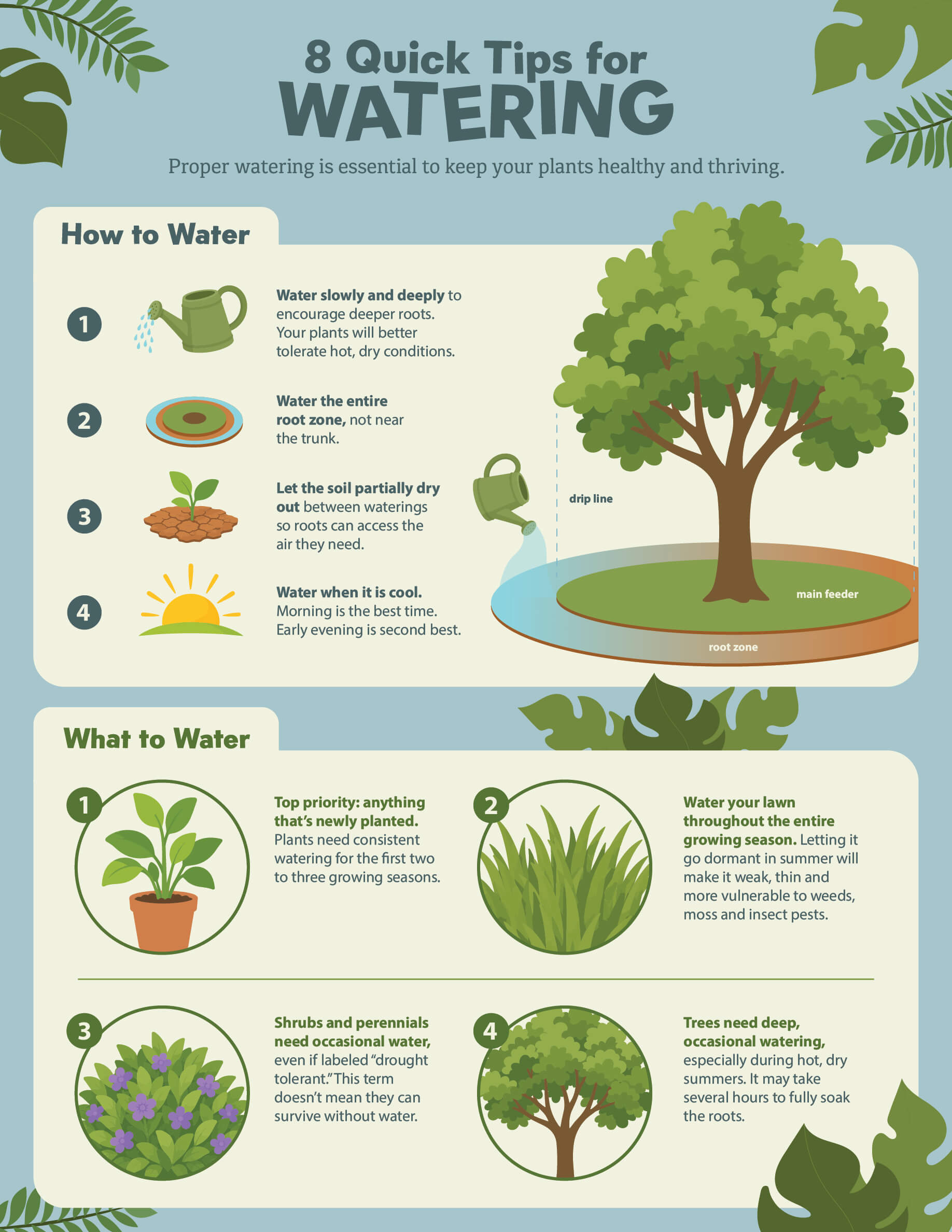
The Role of Engineered Watering in Sustainable Landscapes
Engineered watering transforms landscape management from a schedule-based task into a data-driven process. By integrating real-time climate data, soil moisture sensors, and precision delivery mechanisms, these systems reduce water wast...
Engineered watering transforms landscape management from a schedule-based task into a data-driven process. By integrating real-time climate data, soil moisture sensors, and precision delivery mechanisms, these systems reduce water waste by 30-50% while improving plant health. In 2026, this technology is essential for meeting urban biodiversity goals and complying with strict water-use regulations.
Contents
The Evolution of Irrigation: From Manual to Engineered
Historically, landscape irrigation was treated as a secondary utility, often managed by simple mechanical timers that operated regardless of weather conditions. This led to significant water runoff, evaporation, and plant disease caused by over-watering. As we move through 2026, the paradigm has shifted toward engineered watering, a holistic discipline that combines hydraulic engineering, botany, and data science to create self-regulating ecosystems.
Engineered watering is not merely about "turning on the sprinklers." It represents a comprehensive infrastructure designed to mimic natural hydration patterns while accounting for the limitations of urban environments. In a sustainable landscape, the goal is to keep vegetation healthy with the minimum amount of supplemental water necessary. This requires a transition from "set-it-and-forget-it" systems to intelligent networks that respond to the specific microclimates of a property.
The urgency for these systems is driven by two factors: increasing global water scarcity and the rising cost of municipal water. In many regions, the 2026 regulatory environment mandates that large-scale commercial and residential developments implement "WaterSense" certified technology or equivalent smart systems. These regulations are no longer just suggestions; they are often prerequisites for building permits and occupancy certificates.
Core Components of Smart Irrigation Infrastructure
A truly engineered watering system is composed of several layers of technology working in concert. Understanding these components is vital for property owners and landscape architects aiming for long-term sustainability.
Weather-Based Smart Controllers (ET Controllers)
The "brain" of the system is the Evapotranspiration (ET) controller. Evapotranspiration is the sum of water lost through soil evaporation and plant transpiration. In 2026, advanced ET controllers use local weather data—including temperature, wind speed, solar radiation, and humidity—to calculate exactly how much water a landscape has lost. The system then replenishes only that amount. This prevents the common mistake of watering during rainstorms or on days with high humidity when plants need less supplemental moisture.
Soil Moisture Sensor (SMS) Networks
While ET controllers look at the atmosphere, Soil Moisture Sensors look at the ground. These probes are buried in the root zones of various planting areas (hydro-zones). They measure the volumetric water content of the soil and can "override" a scheduled watering cycle if the soil is already sufficiently moist. This dual-layered approach—checking both the air and the soil—creates a fail-safe against water waste.
Pressure-Compensated Precision Delivery
Engineered systems prioritize the how of water delivery as much as the when. Traditional spray heads often produce a fine mist that drifts away in the wind. Engineered landscapes utilize pressure-compensating (PC) nozzles and subsurface drip irrigation. PC nozzles ensure that every head in a zone emits the same amount of water, regardless of its distance from the pump, while subsurface drip delivers water directly to the roots, eliminating evaporation and surface runoff.
Integration with Alternative Water Sources
Sustainable landscapes in 2026 are increasingly "water-neutral" by utilizing alternative sources rather than relying solely on potable municipal supplies. The engineering challenge lies in the filtration and distribution of these varied water qualities.
- Rainwater Harvesting: Capturing runoff from rooftops and hardscapes into cisterns. Engineered systems include specialized pumps and filtration units to ensure that debris does not clog high-efficiency nozzles.
- Graywater Recycling: Using water from sinks, showers, and laundry for subsurface irrigation. In 2026, the engineering behind graywater has matured, featuring automated "diverter valves" that switch back to municipal water only when the graywater supply is exhausted.
- AC Condensate Recovery: In large commercial buildings, air conditioning units produce thousands of gallons of pure water. This water is often piped directly into irrigation holding tanks, providing a steady supply during the hottest, driest months when plants need it most.
By diversifying water sources, an engineered landscape acts as a buffer for the city’s water grid. This is particularly relevant in high-density urban areas where the "heat island effect" increases plant stress and water demand simultaneously.
The Strategy of Hydro-Zoning and Soil Management
Engineering a sustainable landscape requires a deep understanding of the site's biology. You cannot have an efficient watering system if the plants are not grouped logically. This practice is known as hydro-zoning.
In a hydro-zoned landscape, plants with similar water needs are grouped together and managed by dedicated valves (zones). For example, a succulent garden would never be on the same line as a high-traffic turf area. Engineered watering plans take this a step further by matching the delivery method to the plant type—drip for shrubs, rotators for turf, and bubblers for trees.
Furthermore, the "engineered" aspect extends to the soil itself. Soil structure determines the Infiltration Rate—how fast water can soak in. If water is applied faster than the soil can absorb it, runoff occurs. Modern systems use "cycle and soak" programming, where the controller applies water in short bursts with rest periods in between, allowing even the heaviest clay soils to absorb moisture deeply.
Comparative Performance: Traditional vs. Engineered Systems
The following table outlines the technical differences and performance metrics between legacy irrigation methods and modern engineered systems as of 2026.
| Feature | Traditional Timer-Based System | Smart Weather-Based System | Fully Engineered Sustainable System |
|---|---|---|---|
| Control Logic | Fixed schedule (days/times) | Local weather (ET data) | ET data + Soil Moisture + AI Analytics |
| Water Source | 100% Potable/Municipal | 100% Potable/Municipal | Hybrid (Rain, Graywater, Potable) |
| Delivery Method | High-pressure spray heads | Efficient rotary nozzles | Subsurface drip & PC-rotators |
| Leak Detection | Visual inspection only | Basic flow monitoring | AI-driven ultrasonic flow sensing |
| Efficiency (Avg) | 40% - 60% | 70% - 85% | 90% - 98% |
| Maintenance | High (frequent repairs) | Moderate | Low (predictive alerts) |
| ROI (Years) | N/A (Standard cost) | 3 - 5 Years | 5 - 8 Years (higher upfront cost) |
Economic and Environmental ROI in 2026
The decision to invest in engineered watering is often driven by the return on investment (ROI). In 2026, the financial argument is stronger than ever. Municipalities have moved toward tiered water pricing, where excessive use results in exponential cost increases. An engineered system helps properties stay within the "baseline" tier, potentially saving thousands of dollars annually for commercial sites.
Environmentally, the impact is profound. Beyond simple water conservation, engineered watering supports carbon sequestration. Healthy, appropriately hydrated plants and soil microbes are more efficient at pulling carbon from the atmosphere. Conversely, over-watered soil becomes anaerobic, releasing methane and stunting root growth, which reduces the landscape's ability to act as a carbon sink.
Additionally, reducing water runoff protects local watersheds. Irrigation runoff often carries fertilizers and pesticides into storm drains and eventually into natural water bodies, causing algae blooms. By containing water within the root zone, engineered systems act as a primary defense for local water quality. According to the EPA WaterSense program, landscapes using certified smart technology are instrumental in preserving national water security.
Common Pitfalls and Maintenance Requirements
Even the most advanced engineered system will fail if it is not maintained. One of the most common mistakes is "setting and forgetting" a smart controller. While these systems are autonomous, they require periodic calibration.
- Sensor Calibration: Soil moisture sensors can drift over time or become disconnected. Annual testing is required to ensure the data remains accurate.
- Filter Maintenance: Systems utilizing rainwater or graywater have fine-mesh filters to protect drip emitters. These must be cleaned regularly to prevent pressure drops.
- Zone Audits: As plants grow, they may block spray patterns or require more water. A "living" engineered system must be adjusted every few years to accommodate the changing landscape canopy.
Professional landscape managers now use remote monitoring platforms that send alerts to their smartphones if a pipe bursts or a valve fails. This proactive approach prevents the catastrophic water loss that can occur when a main line breaks in the middle of the night.
FAQ
1. What is the difference between "smart" irrigation and "engineered" watering?
"Smart" irrigation usually refers to the controller and its ability to connect to the internet for weather data. "Engineered" watering is a broader term that encompasses the entire infrastructure, including hydraulic design, soil moisture sensing, pressure regulation, and the use of alternative water sources like graywater. It is a holistic approach rather than just a single product.
2. Is engineered watering too expensive for residential properties?
While the upfront cost is higher than a standard system, the long-term savings in water bills and plant replacement often make it viable for residential use. In 2026, many small-scale, modular "smart" kits have entered the market, making precision watering accessible to homeowners without the need for a full-scale civil engineering firm.
3. How does engineered watering help with biodiversity?
By providing the precise amount of water needed for specific plant species, engineered systems allow for the cultivation of diverse native plants that might struggle in a "one-size-fits-all" irrigation environment. This supports local pollinators and creates a more resilient urban ecosystem.
4. Can an existing irrigation system be retrofitted to be "engineered"?
Yes. Many existing systems can be upgraded with a smart controller, pressure-regulating nozzles, and soil moisture sensors. However, the biggest limitation for retrofits is often the pipe layout. If the original system was not hydro-zoned correctly, significant trenching may be required to separate high-water plants from low-water ones.
5. Does the use of graywater in these systems cause odors or health issues?
When engineered correctly, graywater is delivered through subsurface drip lines. Because the water is released below the surface of the soil, there is no aerosolization (mist) and no standing water, which eliminates odors and minimizes human contact. In 2026, advanced bio-filters are standard components of these systems to further treat the water before delivery.
Practical Recommendation: Implementing Your System
To achieve a truly sustainable landscape, begin with a site-specific water audit. Before purchasing hardware, measure your soil's infiltration rate and map out your hydro-zones based on existing or planned vegetation.
For new developments in 2026, prioritize a "subsurface-first" design. This minimizes the most significant source of waste: evaporation. Finally, ensure your system includes a flow meter integrated with your controller. The ability to detect a leak the moment it occurs is the single most effective way to prevent massive water waste and protect your property from water damage. For technical standards and design guidelines, consult the American Society of Landscape Architects (ASLA) or the Irrigation Association.
Image Gallery