Professor Sanjay Sharma: A Leading Authority in Sports Cardiology and Inherited Cardiac Conditions
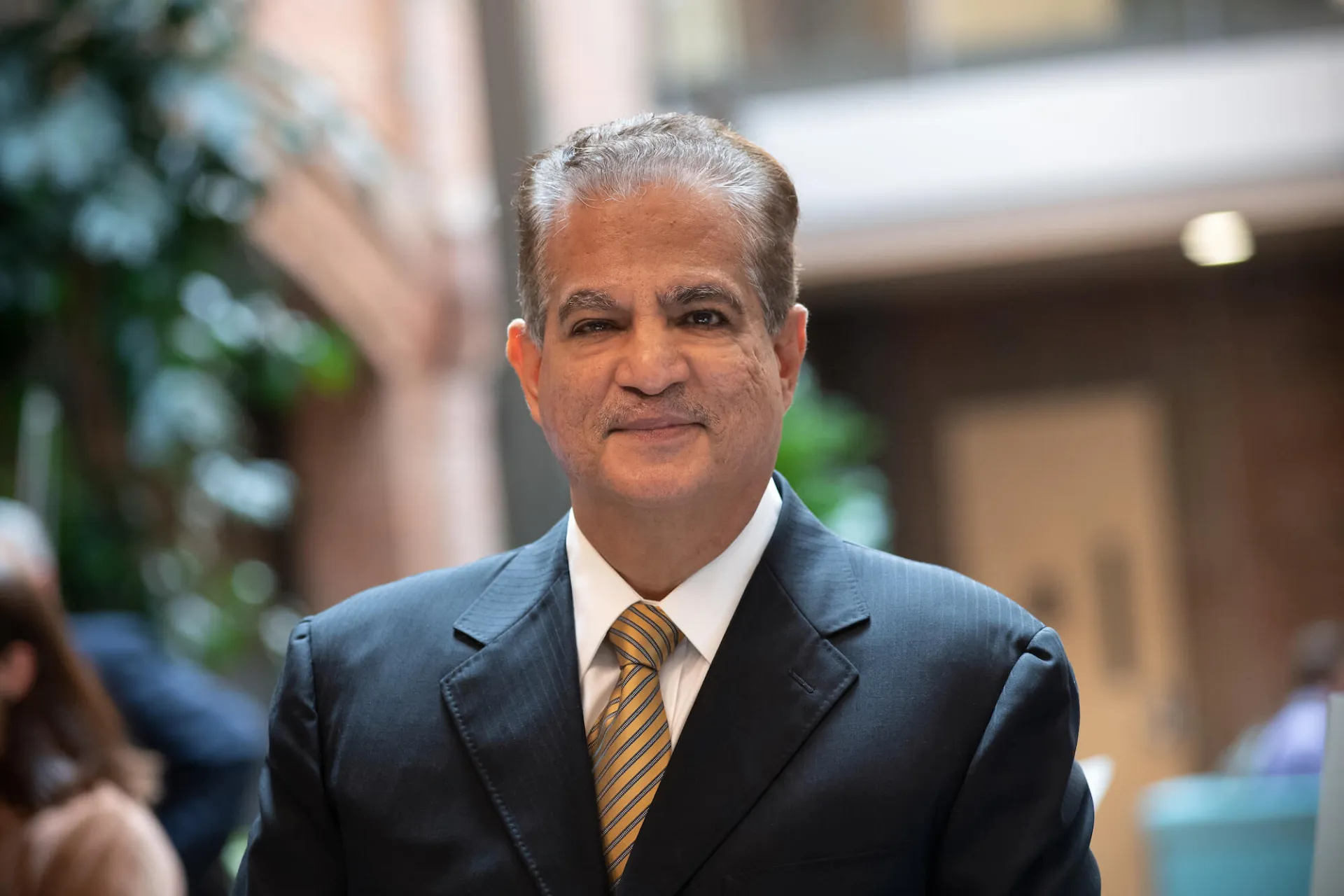
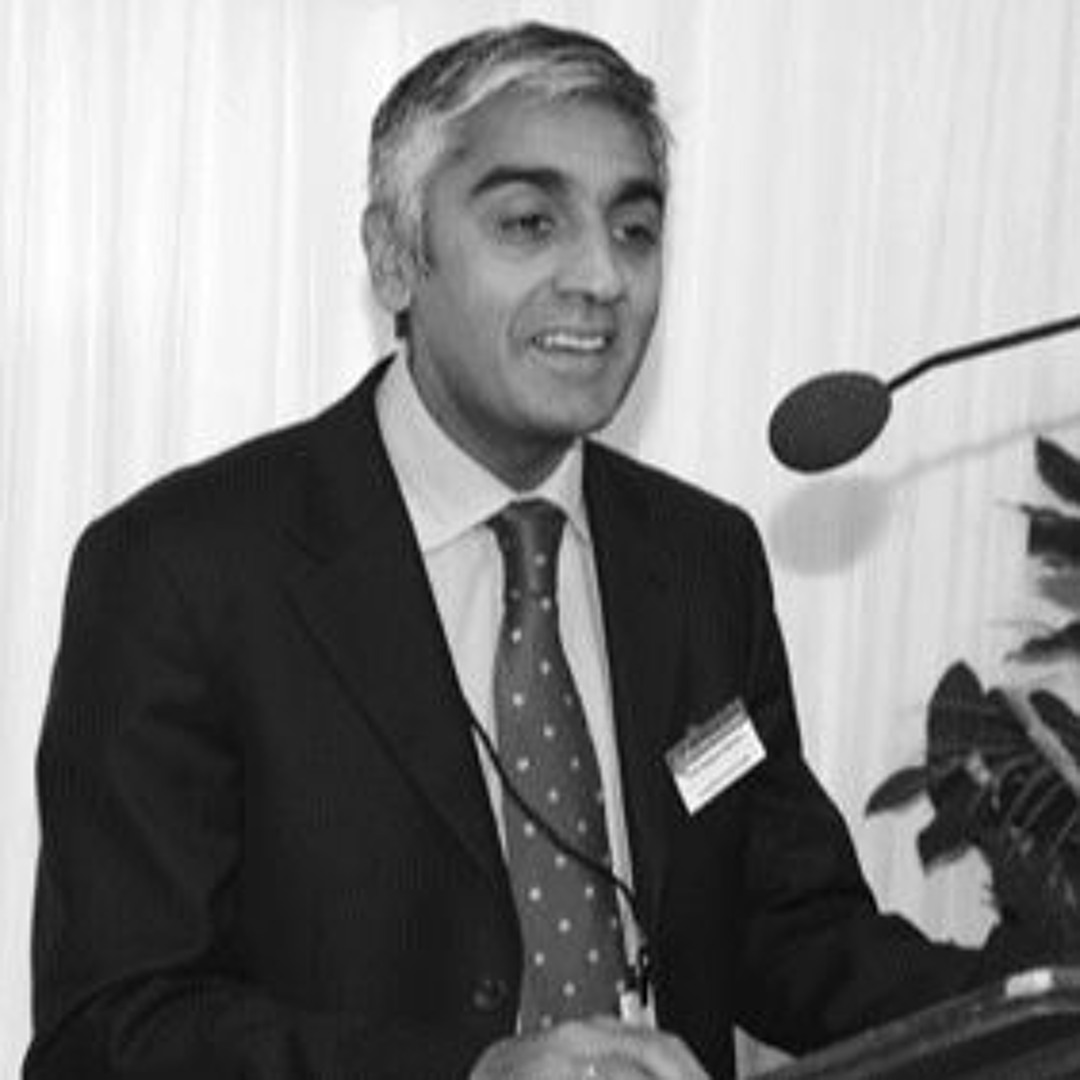
Professor Sanjay Sharma is a world-renowned consultant cardiologist specializing in sports cardiology and inherited cardiac diseases. Based in London, he serves as a Professor of Clinical Cardiology at St George's, University of London...
Professor Sanjay Sharma is a world-renowned consultant cardiologist specializing in sports cardiology and inherited cardiac diseases. Based in London, he serves as a Professor of Clinical Cardiology at St George's, University of London, and is the Medical Director for the London Marathon, focusing on preventing sudden cardiac death in athletes.
Contents
As we look at the landscape of cardiovascular medicine in 2026, few names command as much respect in the intersection of high-performance athletics and clinical safety as Professor Sanjay Sharma. His career has been defined by a commitment to understanding the "athlete’s heart"—the physiological adaptations the heart makes to intense exercise—and distinguishing those changes from life-threatening pathologies. His work has not only saved lives on the field of play but has also shaped international guidelines for cardiac screening and the management of inherited heart conditions.
Professional Background and Academic Standing
Professor Sanjay Sharma’s journey to the pinnacle of British cardiology is marked by rigorous academic training and a focus on specialized patient populations. He graduated from St Bartholomew’s Hospital Medical College in 1889 and subsequently specialized in cardiology at St George’s Hospital and the University Hospital Lewisham.
Currently, his primary academic role is as a Professor of Clinical Cardiology at St George’s, University of London. This institution is a global hub for research into sudden cardiac death and inherited conditions. His leadership within the university has fostered a new generation of sports cardiologists, bridging the gap between traditional clinical practice and the unique needs of elite and amateur athletes.
Beyond academia, Professor Sharma holds several high-profile appointments:
- Medical Director of the London Marathon: Since 2007, he has overseen the medical safety of one of the world's largest mass-participation sporting events.
- Chair of the Expert Cardiac Panel for the English Football Association (FA): He plays a pivotal role in the screening and cardiac health of professional footballers in the UK.
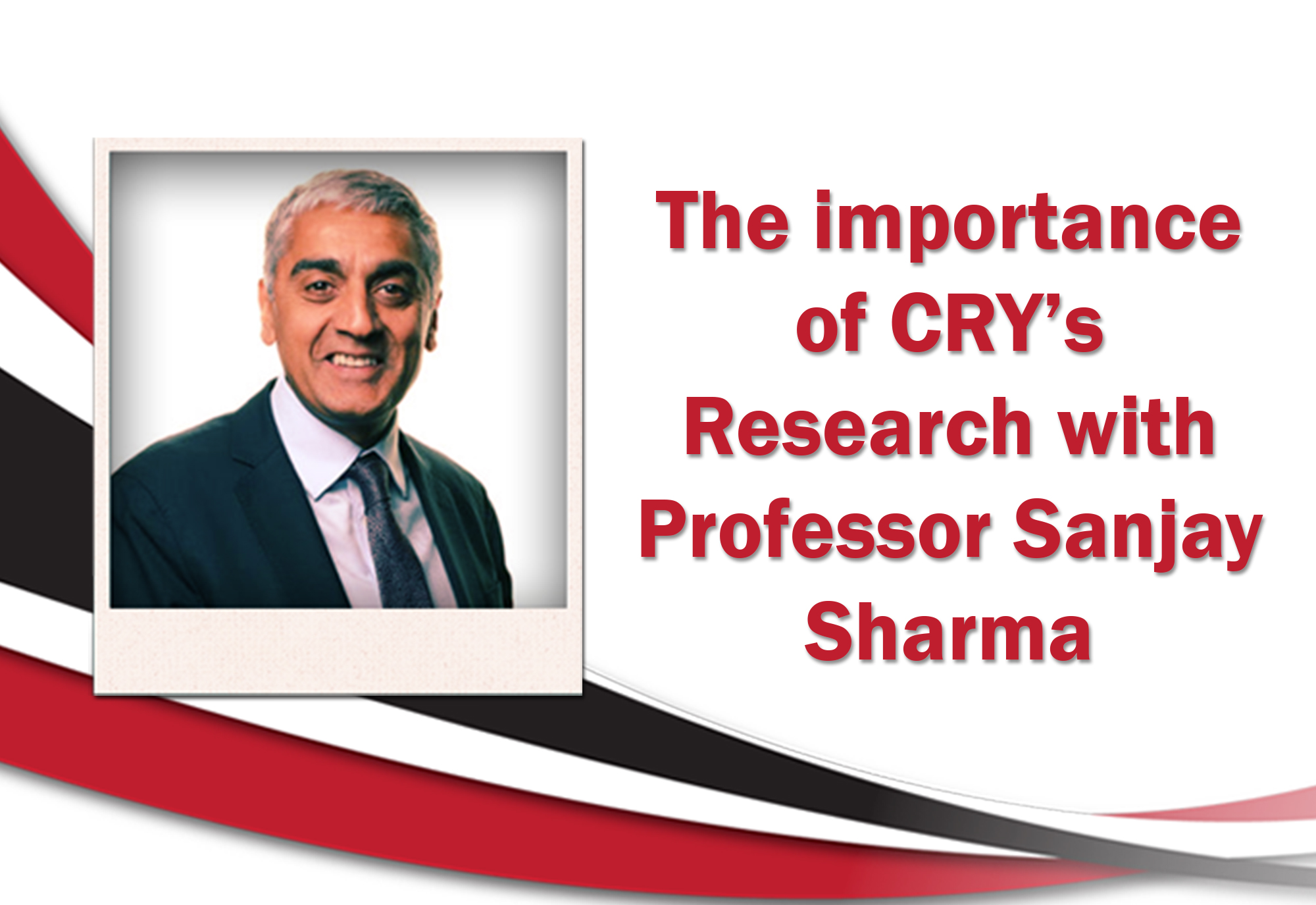
- Consultant Cardiologist for the British Health Foundation (BHF) and Cardiac Risk in the Young (CRY): He serves as the lead cardiologist for CRY, a charity dedicated to preventing young sudden cardiac death through awareness and screening.
Specialization in Sports Cardiology
The field of sports cardiology is complex because the hearts of highly trained athletes often exhibit features that would be considered abnormal in a sedentary person. This includes an enlarged heart (cardiomegaly), thickened heart walls, and unusual electrical patterns on an electrocardiogram (ECG).
Professor Sharma’s expertise lies in differentiating Physiological Adaptation from Pathological Condition. If a clinician misinterprets an athlete's natural heart adaptation as a disease, the athlete may be unnecessarily disqualified from competition, leading to significant psychological and financial distress. Conversely, missing a genuine underlying condition like Hypertrophic Cardiomyopathy (HCM) can be fatal.
The Challenge of the "Athlete’s Heart"
Under Professor Sharma’s guidance, research has clarified how various factors influence heart structure:
- Type of Sport: Endurance athletes (cyclists, rowers) tend to have larger heart chambers, while power athletes (weightlifters) often show increased wall thickness.
- Ethnicity: Professor Sharma has conducted extensive research into how ethnicity affects cardiac adaptation. For instance, his work has shown that athletes of African or Afro-Caribbean descent are more likely to exhibit T-wave inversions on an ECG, which can be benign but often require sophisticated imaging to rule out pathology.
- Gender: The differences in how male and female hearts remodel in response to exercise is a continuing area of his clinical focus.
Leadership in Preventing Sudden Cardiac Death
The most tragic event in sports is the sudden collapse and death of a young, seemingly healthy athlete. Professor Sharma has dedicated much of his career to reducing these occurrences. He has been a vocal advocate for systematic cardiac screening, particularly for those between the ages of 14 and 35.
Through his work with Cardiac Risk in the Young (CRY), Professor Sharma has overseen the screening of tens of thousands of young people. The data generated from these programs have been instrumental in establishing the "International Criteria" for ECG interpretation in athletes. These criteria help doctors around the world identify which ECG abnormalities are normal for an athlete and which require further investigation, such as an echocardiogram or a cardiac MRI.
Inherited Cardiac Conditions (ICC)
Professor Sharma is a leading expert in Inherited Cardiac Conditions, which are often the underlying cause of sudden death in the young. These include:
- Hypertrophic Cardiomyopathy (HCM): A condition where the heart muscle becomes abnormally thick.
- Arrhythmogenic Right Ventricular Cardiomyopathy (ARVC): A disease where heart muscle is replaced by fat and scar tissue, leading to dangerous heart rhythms.
- Ion Channelopathies: Electrical disorders of the heart such as Long QT Syndrome and Brugada Syndrome.
His clinic at St George’s serves as a national referral center for families affected by these conditions, providing genetic testing, clinical evaluation, and personalized management plans.
Roles in Major Sporting Events and Organizations
Managing the medical aspects of a marathon requires a deep understanding of how extreme physical stress affects the cardiovascular system. As the Medical Director of the London Marathon, Professor Sharma manages a massive multidisciplinary team of doctors, nurses, and paramedics.
His research into marathon-related cardiac arrests has shown that while these events are rare, they are most common in older men with undiagnosed coronary artery disease or in younger individuals with undiagnosed ICCs. His protocols for rapid defibrillation and on-site medical care have set the standard for endurance events globally.
| Organization / Role | Focus Area | Impact |
|---|---|---|
| St George's University | Academic Research | Developed international ECG screening standards. |
| London Marathon | Event Medicine | Standardized emergency cardiac care for mass events. |
| The Football Association | Elite Sports | Mandatory screening for all professional youth players. |
| Cardiac Risk in the Young | Public Health | Screened over 200,000 young people in the UK. |
| Harley Street Clinic | Private Practice | Provides expert second opinions for international athletes. |
Research Contributions and Publications
With over 500 peer-reviewed publications, Professor Sharma is one of the most cited researchers in his field. His work frequently appears in the European Heart Journal, Journal of the American College of Cardiology, and the British Journal of Sports Medicine.
In 2026, his research continues to push boundaries in areas such as:
- The long-term effects of ultra-endurance exercise: Investigating whether decades of extreme exercise can lead to atrial fibrillation or myocardial fibrosis.
- Artificial Intelligence in ECG interpretation: Developing AI algorithms to increase the accuracy of cardiac screening and reduce false-positive rates.
- COVID-19 and the Heart: Extensive work on the cardiovascular implications of viral infections for athletes returning to play.
Accessing Care and Clinical Consultations
For patients seeking a consultation with Professor Sanjay Sharma, he maintains both NHS and private practices. Given his specialization, he typically sees:
- Competitive athletes requiring cardiac clearance.
- Individuals with a family history of sudden cardiac death or inherited heart disease.
- Patients experiencing symptoms such as unexplained fainting (syncope), palpitations, or chest pain during exercise.
Clinical Locations
- St George's Hospital (NHS): Located in Tooting, London, this is the primary site for his academic and complex ICC work.
- Private Practice (Harley Street and London Bridge): Professor Sharma consults privately at prestigious locations including the Harley Street Clinic and London Bridge Hospital. These settings provide faster access to advanced diagnostics such as Cardiac MRI and Cardiopulmonary Exercise Testing (CPET).
Frequently Asked Questions
What is Professor Sanjay Sharma’s primary area of expertise?
Professor Sharma is primarily recognized for his expertise in sports cardiology and the prevention of sudden cardiac death in young people. He specializes in interpreting the cardiac manifestations of intense physical training and diagnosing inherited heart conditions that may pose a risk during exercise.
Why is he involved with the London Marathon?
As the Medical Director, he is responsible for the safety of approximately 50,000 runners annually. His role involves designing the medical infrastructure for the event, managing emergency responses to cardiac arrests or heat-related illnesses, and conducting research on the physiological impact of marathon running.
Does he only treat professional athletes?
No. While he works with elite organizations like the FA and the Olympic team, he also treats "weekend warriors," amateur athletes, and non-athletes who have inherited cardiac conditions. His goal is to provide safe exercise prescriptions for everyone, regardless of their level of competition.
What are the "International Criteria" for ECGs?
The International Criteria are a set of guidelines that Professor Sharma helped develop to assist clinicians in reading ECGs of athletes. They define which electrical patterns are normal results of training and which are "red flags" that require further investigation, significantly reducing unnecessary anxiety and medical costs for athletes.
How can a young person get screened by his team?
Screening for young people (aged 14–35) is often facilitated through the charity Cardiac Risk in the Young (CRY). They hold mobile screening clinics across the UK, which are overseen by Professor Sharma’s team at St George’s. Private screenings are also available through his clinical practice for those requiring more immediate or specialized assessment.
Final Recommendation
If you are an athlete experiencing symptoms during exertion, or if you have a family history of heart disease at a young age, consulting a specialist with Professor Sanjay Sharma’s level of expertise is highly recommended. His balanced approach ensures that patients are not unnecessarily restricted from the sports they love, while simultaneously identifying and managing real risks with the highest level of clinical precision.
For more information or to book a consultation, patients should verify their referral requirements through their GP or contact the sports cardiology department at St George's University Hospitals NHS Foundation Trust.
Image Gallery