Decoding the Conclusion: What the Bear Ending Reveals About the Show
The ending of The Bear serves as a thematic distillation of the series, revealing that the show is not fundamentally about professional culinary success, but about the grueling, often destructive pursuit of personal healing. By juxtapo...
The ending of The Bear serves as a thematic distillation of the series, revealing that the show is not fundamentally about professional culinary success, but about the grueling, often destructive pursuit of personal healing. By juxtaposing the chaos of the kitchen with the internal psychological landscape of Carmy Berzatto, the finale exposes the fragility of professional ambition when it is used as a surrogate for emotional stability.
Contents
The Cyclical Nature of Trauma and Perfectionism
Throughout the series, Carmy’s obsession with achieving a Michelin star is framed as a tribute to his brother, Mikey, and a way to justify the trauma he endured under his abusive mentor. However, as the narrative progresses, it becomes clear that this goal is a mechanism for avoidance. The finale reveals that for Carmy, the restaurant is a pressurized environment that mimics the dysfunction of his family life.
The ending underscores a critical realization: achieving the "perfect" dish or the "perfect" restaurant service does not provide the catharsis Carmy believes it will. Instead, the pursuit of professional perfection acts as a barrier, preventing him from processing the grief associated with his brother’s suicide and the years of emotional neglect he suffered in elite kitchens. The show posits that high-stakes environments—like the professional kitchen—often attract individuals looking to outrun their past, only to find that they have built a reality where that past is constantly reenacted.
The Kitchen as a Mirror of Mental Health
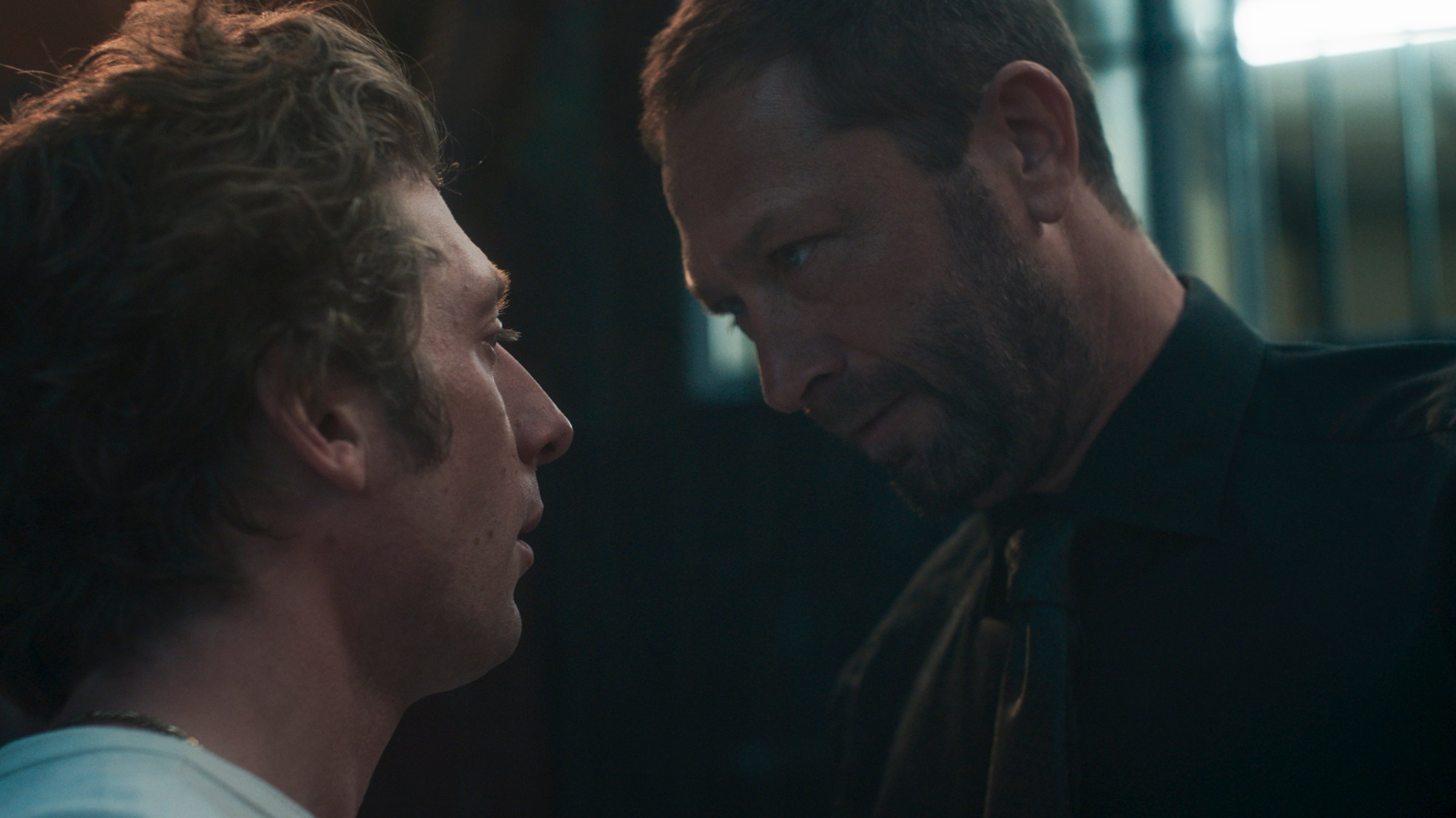
The technical precision displayed in the show’s cinematography and editing—the tight close-ups, the rapid-fire dialogue, and the pervasive sense of claustrophobia—comes to a head in the finale. By the end, the viewer understands that the kitchen is a direct manifestation of Carmy’s internal state. When he is trapped in the walk-in refrigerator, it is not merely a plot device; it is a visual metaphor for his inability to exit his own patterns of self-sabotage.
The show reveals that the "system" Carmy creates—a rigid, military-style hierarchy—is intended to impose order on a world he perceives as fundamentally chaotic. When this system breaks down, the audience sees that Carmy’s identity is entirely wrapped in his ability to control his environment. The ending serves as an indictment of this survival strategy, showing that even if one succeeds in building a world-class restaurant, the individual remains tethered to their original wounds.
Character Evolution and Relational Costs
While Carmy is the central figure, the ending of the series highlights how his singular focus affects the ensemble cast. The trajectory of Sydney, Richie, and the rest of the kitchen staff reveals the collateral damage of working under a leader who is emotionally unavailable.
The following table categorizes the primary character arcs as they culminate in the final sequences of the series:
| Character | Role in the Finale | Thematic Reveal |
|---|---|---|
| Carmy | The Isolated Leader | Success is empty without psychological resolution. |
| Sydney | The Disillusioned Protagonist | The cost of excellence may outweigh the reward. |
| Richie | The Reformed Contrarian | Growth requires letting go of past ego-driven anger. |
| The Staff | The Co-dependent Unit | A system built on trauma requires trauma to sustain it. |
The "System" vs. The Individual
A key revelation in the final episodes is the tension between the "system" (The Bear, the restaurant, the process) and the human beings operating within it. The show meticulously documents the logistics of running a high-end kitchen, but the ending shifts the focus from the labor to the labor’s impact on the soul.
By 2026, many industry observers have noted that The Bear accurately reflects the "burnout culture" inherent in hospitality. However, the narrative goes deeper by suggesting that this culture is not just a byproduct of the industry, but a choice made by those who are terrified of stillness. In the quiet moments following the chaos of service, the silence is what truly haunts the characters. The ending reveals that the noise of the kitchen—the shouting, the ticket machines, the searing heat—is, for them, a necessary distraction from the void left by their personal failures.
The Role of Legacy and Inheritance
Mikey Berzatto’s shadow looms over every frame of the show, but the ending clarifies that his legacy is not the restaurant itself, but the unfinished business he left behind. The transition from The Beef to The Bear represents an attempt to professionalize the trauma of their upbringing.
The revelation here is that the characters are trying to transform a site of tragedy into a site of triumph. The finale asks a difficult question: can you build something healthy on a foundation of grief? The narrative suggests that the answer is "no," at least not while the architects of that foundation remain unwilling to address their own history. The restaurant is a physical manifestation of a psychological struggle to prove one's worth to someone who is no longer there to witness it.
Practical Implications for the Audience
For viewers analyzing the show through a lens of workplace dynamics or personal development, the ending provides a cautionary note regarding the intersection of passion and pathology.
- The Trap of Identification: Recognizing that when a career becomes one's entire identity, a professional setback is experienced as an existential crisis.
- The Myth of "Getting There": Challenging the idea that there is a final destination—a Michelin star, a promotion, a project completion—that will finally result in inner peace.
- Accountability in Leadership: Observing how Carmy’s internal turbulence creates an unsustainable environment for his subordinates, highlighting the necessity of emotional intelligence in any team-based professional setting.
Frequently Asked Questions
Does the ending suggest Carmy will eventually find peace? The ending does not offer a definitive resolution. Instead, it suggests that the possibility of peace is contingent upon his willingness to step outside the "system" he has built. It frames peace as an active choice rather than a destination.
Why is the kitchen environment so hostile in the finale? The hostility is a narrative reflection of the characters' internal inability to regulate their emotions. The kitchen serves as a crucible, accelerating the manifestation of their unresolved issues, making the need for change impossible to ignore.
Is the show a critique of fine dining culture? While the show serves as an authentic depiction of the industry, its primary focus is character-driven. It uses the intensity of fine dining to heighten the stakes of the characters' personal, emotional, and psychological journeys.
What does the recurring motif of the walk-in refrigerator signify? The walk-in acts as a literal and metaphorical "cold storage." It is where the characters are forced to stop, freeze, and face themselves, reflecting the forced reflection that occurs when one's professional life hits a wall.
Does the ending imply the restaurant will fail? The show remains ambiguous regarding the financial success of the restaurant. The focus remains on the personal failure or growth of the staff, suggesting that the "success" of the business is irrelevant if the individuals behind it remain broken.
Next Steps for Interpretation
If you are re-evaluating the show’s trajectory, focus your attention on the shift in dialogue from the early episodes to the finale. The decrease in frantic kitchen jargon and the increase in personal, reflective conversations indicate that the characters are slowly being forced to confront their internal realities. To truly understand the show, look past the culinary theatrics and observe the silences between the lines of command. The story ends not when the food is served, but when the characters finally stop moving long enough to see the cost of their journey.
Image Gallery