How Many Times Does a Newborn Eat a Day? A Complete Feeding Guide
Newborns typically eat 8 to 12 times every 24 hours. During the first few weeks of life, infants generally require feeding every 1.5 to 3 hours. Breastfed babies often feed more frequently than formula-fed babies because breast milk is...
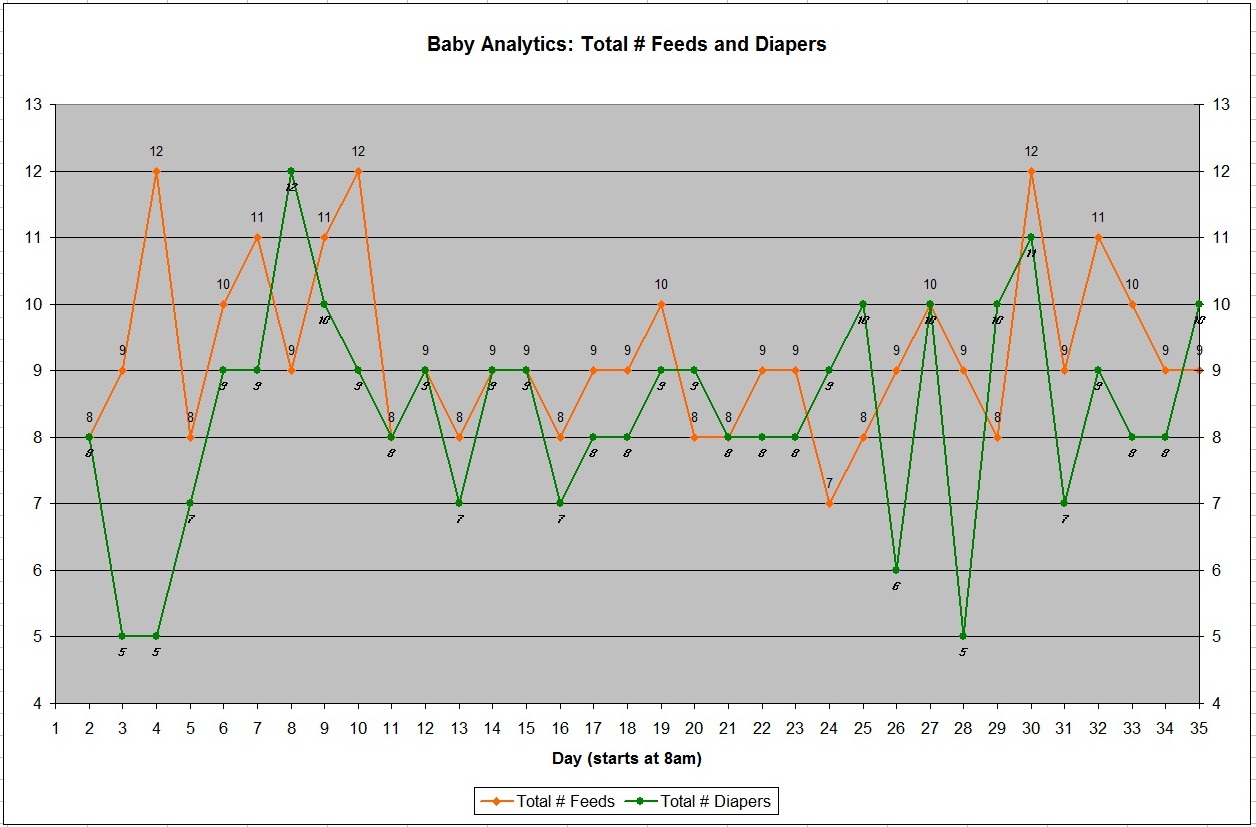
Newborns typically eat 8 to 12 times every 24 hours. During the first few weeks of life, infants generally require feeding every 1.5 to 3 hours. Breastfed babies often feed more frequently than formula-fed babies because breast milk is processed more quickly by the infant’s digestive system than commercial formula.
Contents
Medical Disclaimer: The information provided in this article is for educational purposes only and does not constitute medical advice. Always consult with a pediatrician or a certified lactation consultant regarding your infant's specific nutritional needs and health status.
The Physiology of Newborn Feeding: Why Frequency is High
To understand why a newborn requires such frequent feedings, one must look at the physiological constraints of an infant’s digestive system in 2026. At birth, a newborn’s stomach capacity is remarkably small. On day one, an infant's stomach is approximately the size of a cherry, holding only 5 to 7 milliliters (about one to one and a half teaspoons) of fluid. Because this volume is so low, the baby must eat small amounts very frequently to meet their high metabolic demands.
By the end of the first week, the stomach expands to roughly the size of an apricot, holding about 45 to 60 milliliters (1.5 to 2 ounces). Even with this growth, the rapid rate of infant metabolism and the high water content of milk mean that the stomach empties quickly. Furthermore, newborns are in a state of rapid neurological and physical development, requiring a steady stream of glucose and nutrients to fuel brain growth and tissue repair.
The frequency of feeding also serves a hormonal purpose for breastfeeding parents. In the early days, frequent "nipple stimulation" signals the body to increase prolactin levels, which is the primary hormone responsible for milk production. This feedback loop, often referred to as "supply and demand," ensures that the parent's milk supply matches the growing needs of the infant.
Breastfeeding vs. Formula Feeding: Variations in Frequency
While the general rule is 8 to 12 feedings a day, the source of nutrition significantly impacts the interval between those sessions.
Breastfeeding Frequency
Breast milk is specifically designed for human infants, containing enzymes that make it highly bioavailable and easy to digest. Consequently, the infant’s stomach empties in about 60 to 90 minutes. It is common for breastfed newborns to "cluster feed," which involves eating several times over a few hours (often in the evening) followed by a slightly longer sleep period. According to the American Academy of Pediatrics (AAP), breastfeeding should ideally occur on demand whenever the baby shows signs of hunger, rather than on a rigid clock-based schedule.
Formula Feeding Frequency
Infant formula is more calorie-dense and takes longer for the neonatal gut to break down compared to breast milk. Because formula remains in the stomach longer, formula-fed infants may go 2 to 4 hours between feedings. In the first few days, a formula-fed baby may take 1 to 2 ounces at each feeding, gradually increasing to 2 to 3 ounces by the end of the first two weeks. Parents should still follow a responsive feeding approach, watching for hunger cues rather than forcing a specific volume.
Identifying Hunger Cues: Beyond Crying
One of the most important skills for a new parent in 2026 is recognizing hunger cues before the baby begins to cry. Crying is considered a "late" hunger cue; once a baby is crying, they are often too stressed to latch or feed effectively. Learning to spot early and mid-stage cues can make the feeding process significantly smoother.
- Early Cues (I’m hungry):
- Licking lips or smacking sounds.
- Opening and closing the mouth.
- Sucking on hands, fingers, or even clothing.
- Mid Cues (I’m really hungry):
- Rooting (turning the head and searching with the mouth when the cheek is touched).
- Stretching or increased physical activity.
- Fidgeting or "cycling" the arms and legs.
- Late Cues (Calm me, then feed me):
- Crying or screaming.
- Frantic movements.
- Skin turning red or "flushed."
If a baby reaches the late stage, it is often necessary to calm them through skin-to-skin contact or swaddling before attempting to feed. A distressed baby may swallow excess air during a frantic feeding, leading to gas and discomfort.
Understanding Cluster Feeding and Growth Spurts
New parents are often alarmed when a baby who previously ate every three hours suddenly wants to eat every 45 minutes for an entire afternoon. This phenomenon is known as cluster feeding. It is a normal physiological behavior, typically occurring during growth spurts at 2-3 weeks, 6 weeks, and 3 months of age.
Cluster feeding serves two main purposes:
- Caloric Loading: The baby is "stocking up" on calories, often before a longer stretch of sleep.
- Supply Regulation: The frequent nursing sessions signal the breastfeeding parent's body to increase milk production to meet the demands of an upcoming growth spurt.
While exhausting, cluster feeding does not usually indicate a lack of milk supply. As long as the baby continues to produce an adequate number of wet and soiled diapers, cluster feeding should be viewed as a temporary developmental phase rather than a medical concern.
Monitoring Success: Is the Baby Getting Enough?
Since parents cannot see how many milliliters a breastfed baby is consuming, they must rely on objective indicators of hydration and nutrition. In 2026, pediatricians continue to emphasize the "diaper count" as the gold standard for home monitoring.
| Day of Life | Wet Diapers (24 Hours) | Soiled Diapers (24 Hours) | Expected Stool Color |
|---|---|---|---|
| Day 1 | At least 1 | At least 1 | Black/Tar-like (Meconium) |
| Day 2 | At least 2 | At least 2 | Greenish-brown |
| Day 3 | At least 3 | At least 3 | Yellow-greenish |
| Day 4 | At least 4 | At least 3 | Mustard yellow/Seedy |
| Day 5+ | 6 or more | 3 or more | Bright yellow |
Beyond diapers, parents should look for a "satisfied" baby after a feeding. A baby who has had enough will typically have relaxed hands (not clenched in fists), may fall asleep, or will simply pull away from the breast or bottle. Steady weight gain, monitored by a healthcare provider, is the ultimate confirmation of feeding success. Most newborns lose about 7% to 10% of their birth weight in the first few days but should return to their birth weight by the end of the second week.
Common Feeding Challenges and Troubleshooting
Even with the best preparation, feeding issues can arise. Understanding how to navigate these challenges is essential for maintaining infant health.
The Sleepy Newborn
Some newborns are exceptionally sleepy, particularly if they had a difficult birth or have mild jaundice. If a baby does not wake up on their own to eat at least 8 times a day, parents must wake them. Techniques for waking a sleepy baby include undressing them to their diaper, performing skin-to-skin contact, or gently wiping their face with a cool washcloth.
Overfeeding in Formula-Fed Infants
While it is difficult to overfeed a breastfed infant—as they must actively suck to receive milk—it is possible to overfeed with a bottle. If the nipple flow is too fast, the baby may swallow milk before their brain registers fullness. This can lead to excessive spitting up and discomfort. Using a "paced bottle feeding" technique, where the bottle is held horizontally and the baby is allowed to take breaks, can help prevent this issue.
When to Call the Pediatrician
Parental intuition is a powerful tool, but certain clinical signs require immediate professional evaluation:
- The baby is lethargic or difficult to wake for feedings.
- The baby has fewer than six wet diapers in 24 hours after the fifth day.
- The baby's skin or eyes appear increasingly yellow (jaundice).
- The baby consistently projectile vomits after every feeding.
- The baby is not gaining weight according to CDC growth charts.
The Role of Support Systems
Feeding a newborn 10 to 12 times a day is a full-time job that requires significant energy. For breastfeeding parents, hydration and caloric intake are vital. In 2026, the World Health Organization (WHO) emphasizes that the success of infant feeding often depends on the support of partners and family members. While only one person can breastfeed, a partner can assist by burping the baby, changing diapers, and ensuring the breastfeeding parent remains nourished and hydrated.
If feeding is painful or if there are concerns about the baby's latch, seeking help from a Board Certified Lactation Consultant (IBCLC) early on can prevent long-term complications such as nipple damage or low milk supply.
Frequently Asked Questions
How long should each feeding session last? A typical feeding session can last anywhere from 20 to 45 minutes. Newborns are still learning how to coordinate sucking, swallowing, and breathing, which makes the process slow. As they get older and more efficient, feeding times usually decrease. It is important to let the baby finish the first breast or bottle before offering more, as the "hindmilk" at the end of a breastfeeding session is higher in fat and satiety.
Should I wake my baby at night to eat? Yes, until your baby has returned to their birth weight and your pediatrician gives the "all clear," you should wake a newborn every 3 to 4 hours to eat. After the initial weight gain is established, many doctors allow parents to let the baby sleep for longer stretches at night, provided they are feeding well and gaining weight during the day.
Is it okay to give my newborn water between feedings? No. Newborns should not be given water. Their kidneys are not mature enough to handle it, and water can cause a dangerous electrolyte imbalance called hyponatremia. Furthermore, water fills up their small stomachs without providing the calories and nutrients they need for growth. All necessary hydration is provided through breast milk or formula.
Why does my baby spit up so much after eating? Spitting up is common because the lower esophageal sphincter (the muscle that keeps stomach contents down) is still developing. As long as the baby is gaining weight and is not in pain, spitting up is usually a cosmetic issue rather than a medical one. Keeping the baby upright for 20-30 minutes after feeding can help reduce the frequency.
How do I know the difference between a growth spurt and a lack of milk? Growth spurts usually last only 2 to 3 days. If the baby is cluster feeding but still producing the appropriate number of wet diapers and appears satisfied for at least some periods of the day, it is likely a growth spurt. If the baby is constantly crying, has dry diapers, or seems lethargic, you should contact a lactation consultant or pediatrician to check milk transfer and supply.
Can I use a pacifier in the first few weeks? Current 2026 guidelines suggest that for breastfed infants, it is often best to wait until breastfeeding is well-established (usually 3 to 4 weeks) before introducing a pacifier. This ensures that the baby’s desire to suck is directed toward the breast to build the milk supply. However, for formula-fed babies or those in the NICU, pacifiers can be used earlier for soothing and pain management.
Final Recommendation: The first month of a newborn's life is a period of "on-demand" nutrition. Focus on the baby’s cues rather than the clock. Keep a simple log of feeding times and diaper changes for the first two weeks to share with your pediatrician; this data is the most reliable way to ensure your newborn is thriving during this critical window of development.
Image Gallery