Understanding Zillow Home Values in 2026: Accuracy, Algorithms, and Market Strategy
Zillow home values, represented by the proprietary Zestimate tool, serve as an automated valuation model (AVM) providing estimated market values for over 100 million homes across the United States. In 2026, these valuations leverage ad...
Zillow home values, represented by the proprietary Zestimate tool, serve as an automated valuation model (AVM) providing estimated market values for over 100 million homes across the United States. In 2026, these valuations leverage advanced neural networks and real-time data integration to offer a sophisticated starting point for homeowners, buyers, and sellers. While highly accurate for on-market listings, these values are preliminary estimates and should be used alongside professional appraisals and local comparative market analyses.
Contents
The Evolution of the Zestimate: How Zillow Values Homes in 2026
The landscape of real estate valuation has shifted dramatically over the last decade. As of 2026, Zillow’s valuation engine has transitioned from traditional statistical regressions to a deep-learning architecture known as the Neural Zestimate. This system does not merely look at nearby sales; it analyzes the relationship between thousands of variables simultaneously to identify patterns that human analysts might miss.
To provide a precise value, Zillow aggregates data from several critical streams:
- Public Records and Tax Assessor Data: This includes property tax assessments, prior sales prices, and recorded liens or deeds.
- Multiple Listing Service (MLS) Feeds: Real-time data regarding active listings, pending sales, and recently closed transactions provide the most current "heartbeat" of the market.
- User-Submitted Information: Homeowners can update their home facts—such as the addition of a finished basement, a solar array, or a high-end kitchen remodel—which the algorithm then weighs against regional value premiums.
- Computer Vision Analysis: In 2026, Zillow’s AI extensively scans listing photos to assess the "quality" of finishes. A home with quartz countertops and white oak flooring is programmatically distinguished from a home with laminate and dated cabinetry, even if the square footage is identical.
- Macroeconomic Indicators: Current mortgage rates, local unemployment figures, and regional migration patterns are factored into the neighborhood-level demand models.
Measuring Accuracy: Regional Benchmarks and Market Status
Accuracy in 2026 is measured by the Median Absolute Error (MAE). This metric represents the percentage by which the Zestimate typically deviates from the final sale price. It is important to distinguish between homes that are currently listed for sale (on-market) and those that are not (off-market), as the availability of recent listing data significantly improves precision.
| Property Status | National Median Error (2026) | Within 5% of Sale Price | Within 10% of Sale Price |
|---|---|---|---|
| Active Listings | 1.8% | 85.2% | 96.1% |
| Off-Market Homes | 6.4% | 39.8% | 68.5% |
| New Construction | 3.1% | 72.4% | 89.9% |
| Rural/High-Acreage | 8.9% | 28.5% | 52.3% |
As the table illustrates, the Zestimate is exceptionally accurate when a home is actively listed because the algorithm incorporates the listing price itself as a high-intent data point. For off-market homes, the error margin widens because the system relies on older public records and neighborhood trends rather than the current condition of the interior.
Factors That Influence Your Zillow Home Value
Understanding what drives a Zestimate allows homeowners to better manage their digital real estate footprint. In 2026, the following factors carry the most significant weight:
1. The Power of "Home Facts"
The basic physical characteristics of a property remain the foundation of any valuation. This includes:
- Square Footage: Above-grade finished space is valued significantly higher than below-grade space.
- Bed/Bath Count: Adding a full bathroom in a high-demand urban area often yields a higher Zestimate increase than adding a bedroom.
- Lot Size and Utility: In 2026, the utility of a lot (e.g., ADU potential, usable flat yard) is weighed more heavily than raw acreage in suburban markets.
2. Location and Neighborhood Comps
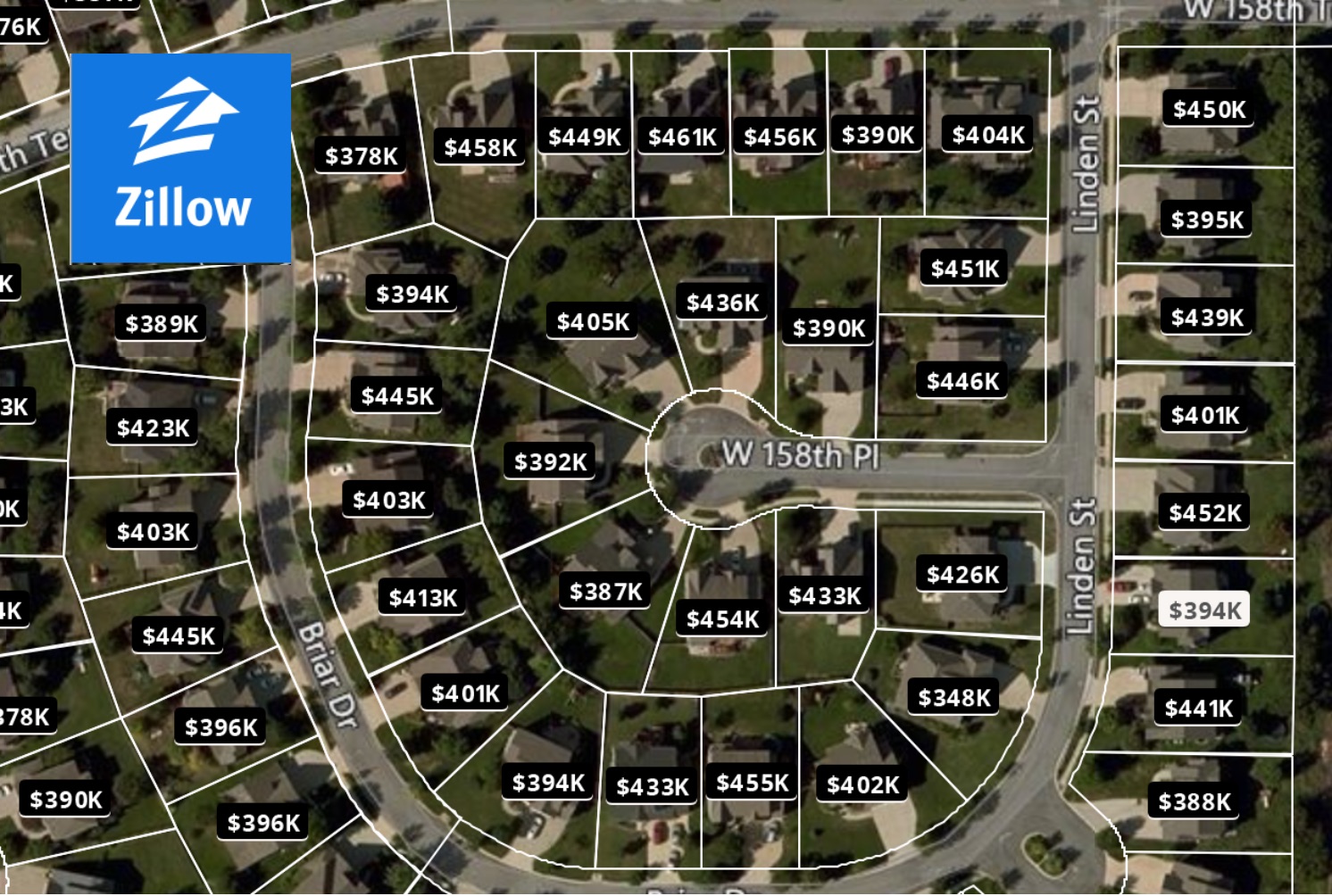
The "Comps" or comparable sales are homes with similar features that have sold nearby within the last 6 to 12 months. Zillow’s 2026 algorithm prioritizes "micro-neighborhoods," often defining boundaries by school districts or even specific blocks that share architectural styles.
3. Market Seasonality and Velocity
Real estate markets are cyclical. Zillow home values reflect the increased demand typically seen in the spring and summer months. Furthermore, the "days on market" for nearby homes influences the value; if every home in your zip code is selling in under 7 days, the algorithm will aggressively adjust values upward to reflect a seller's market.
The Difference Between Zestimates and Professional Appraisals
One of the most common misconceptions in 2026 is that a Zestimate can replace a professional appraisal. While Zillow provides a data-driven estimate, it lacks the human nuance required for legal and lending purposes.
Technical Distinction: AVM vs. Appraisal
Automated Valuation Models (AVMs): These are purely algorithmic. They are excellent for broad market research, tracking portfolio growth, and setting a "ballpark" listing price. However, they cannot "see" a cracked foundation, smell pet odors, or appreciate the unique historical significance of a property.
Professional Appraisals: Conducted by licensed individuals, appraisals are required by lenders. An appraiser physically inspects the property to verify its condition and makes manual adjustments for specific amenities or defects. In 2026, many lenders use "Hybrid Appraisals" which combine Zillow-style data with a brief human inspection.
Strategic Guide for Sellers: How to Improve Your Zestimate
If you are planning to sell your home in 2026, you should actively manage your property’s digital profile. Since Zillow is often the first place a buyer looks, an inaccurate Zestimate can negatively impact your perceived equity.
- Claim Your Home: Create a Zillow profile and claim ownership of your property. This allows you to edit the home facts.
- Update Amenities: Ensure all recent renovations are checked off. If you added a deck or upgraded your HVAC system to a high-efficiency heat pump in 2025, these should be reflected in the "Home Facts" section.
- Correct Public Record Errors: Occasionally, tax records misrepresent square footage or the year built. Correcting these on Zillow can prompt a re-calculation of the Zestimate within 24 to 48 hours.
- Upload High-Resolution Media: While photos don't directly change the "math" in the same way a bedroom count does, Zillow’s AI interprets "completeness" and "quality" through media richness. In 2026, homes with 3D tours and floor plans often see higher engagement, which indirectly signals market interest to the algorithm.
Strategic Guide for Buyers: Navigating Zillow Home Values
For buyers in 2026, the Zestimate should be treated as a tool for "filtering" rather than a definitive price tag. Here is how to use it strategically:
- Look for the Range: Always look at the "Zestimate Range" located beneath the primary number. A narrow range (e.g., $500k–$510k) indicates high data confidence. A wide range (e.g., $450k–$550k) suggests the algorithm is struggling with a lack of comparable data.
- Evaluate Price History vs. Zestimate: If a home is listed significantly higher than its Zestimate, investigate why. It may have luxury upgrades not captured by the data, or the seller may be overreaching.
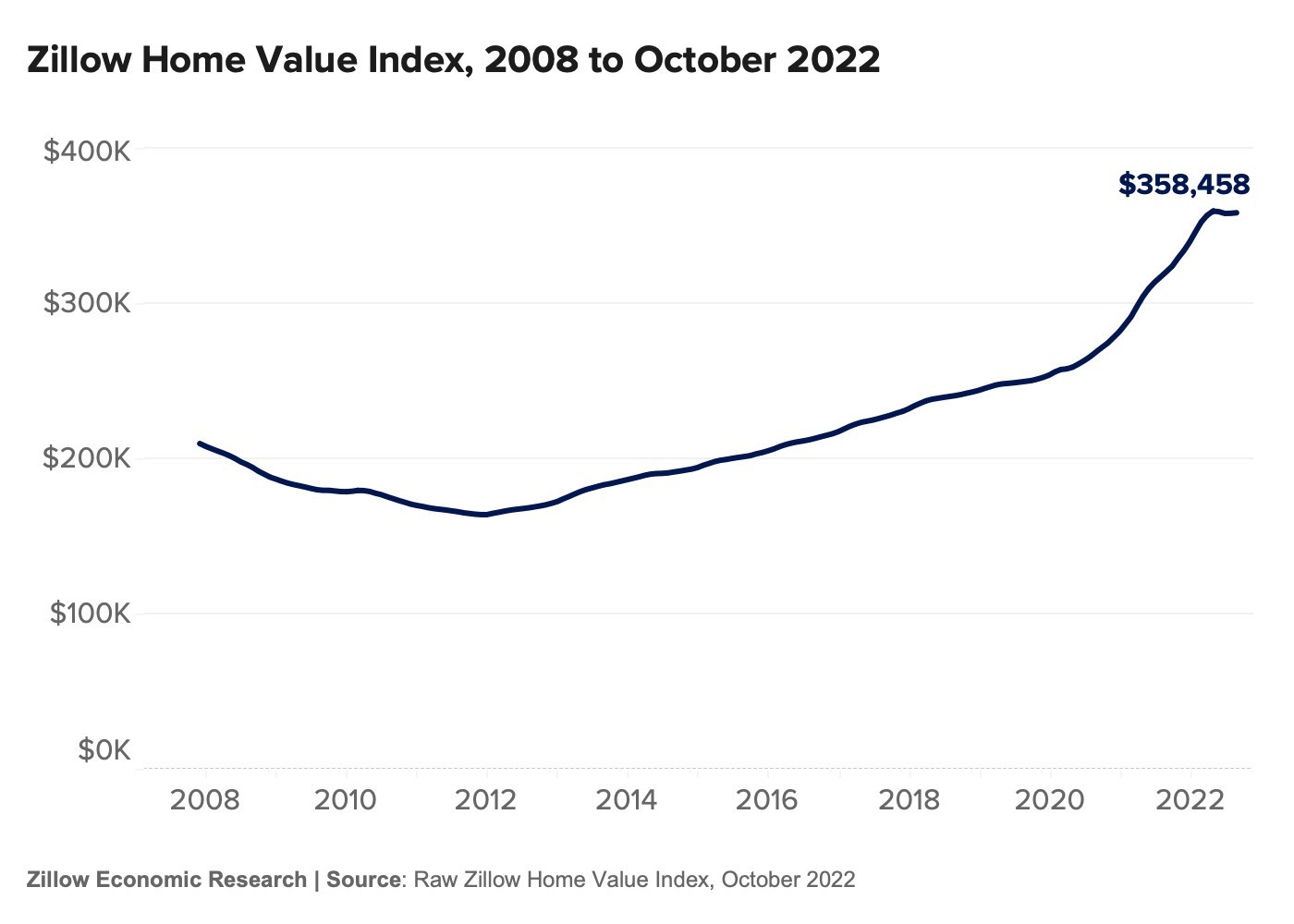
- Track the ZHVI: The Zillow Home Value Index (ZHVI) provides a smoothed measure of the typical home value in a specific region. This is more useful for understanding long-term appreciation trends than the individual Zestimate of a single house.
Common Pitfalls and Troubleshooting Discrepancies
Despite the technological leaps of 2026, Zillow home values can sometimes miss the mark. Understanding these failure points prevents frustration.
- The "Luxury Ceiling": High-end, custom-built estates often have "Low Confidence" Zestimates because there are no true comparables. The algorithm may default to a lower value based on square footage alone, failing to account for a $200,000 Italian marble kitchen.
- Lagging Public Data: In certain counties, the lag between a sale and the recording of that sale can be months. If your neighborhood is appreciating rapidly, the Zestimate might feel "behind" the actual market reality.
- Distressed Properties: Zillow generally assumes a home is in "average" condition for its area. If a home is a complete "fixer-upper" with structural issues, the Zestimate will likely be significantly higher than the actual market value until it is listed and the price is adjusted downward by the agent.
Comparison of Major Valuation Platforms (2026 Data)
While Zillow is the market leader, other platforms provide competing AVMs. In 2026, it is common practice to "triangulate" value by looking at multiple sources.
| Platform | Core Strength | Data Freshness | User Customization |
|---|---|---|---|
| Zillow (Zestimate) | Neural Network accuracy; vast user-contributed data. | Real-time (daily updates) | High (edit home facts) |
| Redfin Estimate | Deep MLS integration; highly accurate for active listings. | Real-time (multiple daily) | Moderate |
| Realtor.com | Aggregates multiple AVMs (CoreLogic, etc.) for a broader view. | Monthly/Weekly | Low |
| Chase/Bank AVMs | Conservative; focused on lending risk. | Monthly | None |
Frequently Asked Questions about Zillow Home Values
Why did my Zestimate drop suddenly without any market changes?
A sudden drop is often caused by a "comp" (comparable sale) nearby that sold for a lower-than-expected price, such as a foreclosure or a family-to-family transfer. In 2026, Zillow's algorithm is better at filtering these "non-arm's length" transactions, but some still slip through, temporarily dragging down local values. Additionally, if a neighborhood listing expires without selling, the algorithm may interpret this as a cooling of demand.
Is the Zestimate used by banks to approve mortgages?
No, banks generally do not use the Zestimate for primary mortgage underwriting. They require a formal appraisal or a more rigorous AVM like the Freddie Mac Home Value Explorer (HVE). However, for pre-approvals or home equity line of credit (HELOC) initial inquiries in 2026, some fintech lenders use Zillow-style data to determine eligibility before ordering a full appraisal.
How often are Zillow home values updated?
Zillow updates its Zestimates for the majority of homes in its database every single day. These daily updates reflect new listings, sales, and shifts in local market velocity. Larger algorithmic updates—where Zillow tweaks the underlying neural network—typically occur quarterly to incorporate new data science methodologies.
Can I hide my Zestimate if I think it is too low?
While you can claim your home and update facts to influence the value, Zillow generally does not allow homeowners to hide the Zestimate entirely. As public-interest data, the Zestimate is considered a proprietary calculation based on public records. The best path for a dissatisfied homeowner is to ensure the "Home Facts" are 100% accurate and to work with a local agent to provide a professional CMA to potential buyers.
Does Zillow factor in "Green" home features like heat pumps and solar?
Yes, as of 2026, Zillow’s algorithm explicitly recognizes "Green" features if they are documented in the MLS or added by the homeowner. Features such as EV charging stations, solar arrays, and high-performance insulation contribute to the "Value Added" component of the Zestimate, reflecting the growing buyer demand for energy efficiency and lower utility costs.
Strategic Recommendations for 2026
Navigating home values in 2026 requires a blend of data literacy and local expertise. For those looking to maximize their real estate outcomes:
- Monitor the Zillow Home Value Index (ZHVI): Use this to understand the "macro" trend of your zip code. If the ZHVI is rising but your Zestimate is stagnant, there may be an error in your property's specific data points.
- Verify via Human Expertise: Before making a financial commitment—such as listing your home or making an offer—consult with a Realtor who can provide a Comparative Market Analysis (CMA). This human-led report accounts for "curb appeal" and "interior vibe," which AI still struggles to quantify perfectly.
- Prepare for Appraisal Gaps: In competitive 2026 markets, homes often sell above their Zestimate. Be prepared for an "appraisal gap" where the bank's valuation comes in lower than the purchase price, and have a strategy in place to cover the difference.
Zillow home values have become the "de facto" currency of real estate conversation. By understanding the mechanics of the Neural Zestimate and actively managing your property’s data, you can navigate the 2026 housing market with confidence and precision.
Image Gallery