Comprehensive Guide to Workers' Compensation in New Philadelphia, Ohio
Workers’ compensation in New Philadelphia, Ohio, is a state-mandated insurance system designed to provide medical benefits and wage replacement to employees injured on the job. Managed through the Ohio Bureau of Workers' Compensation (...
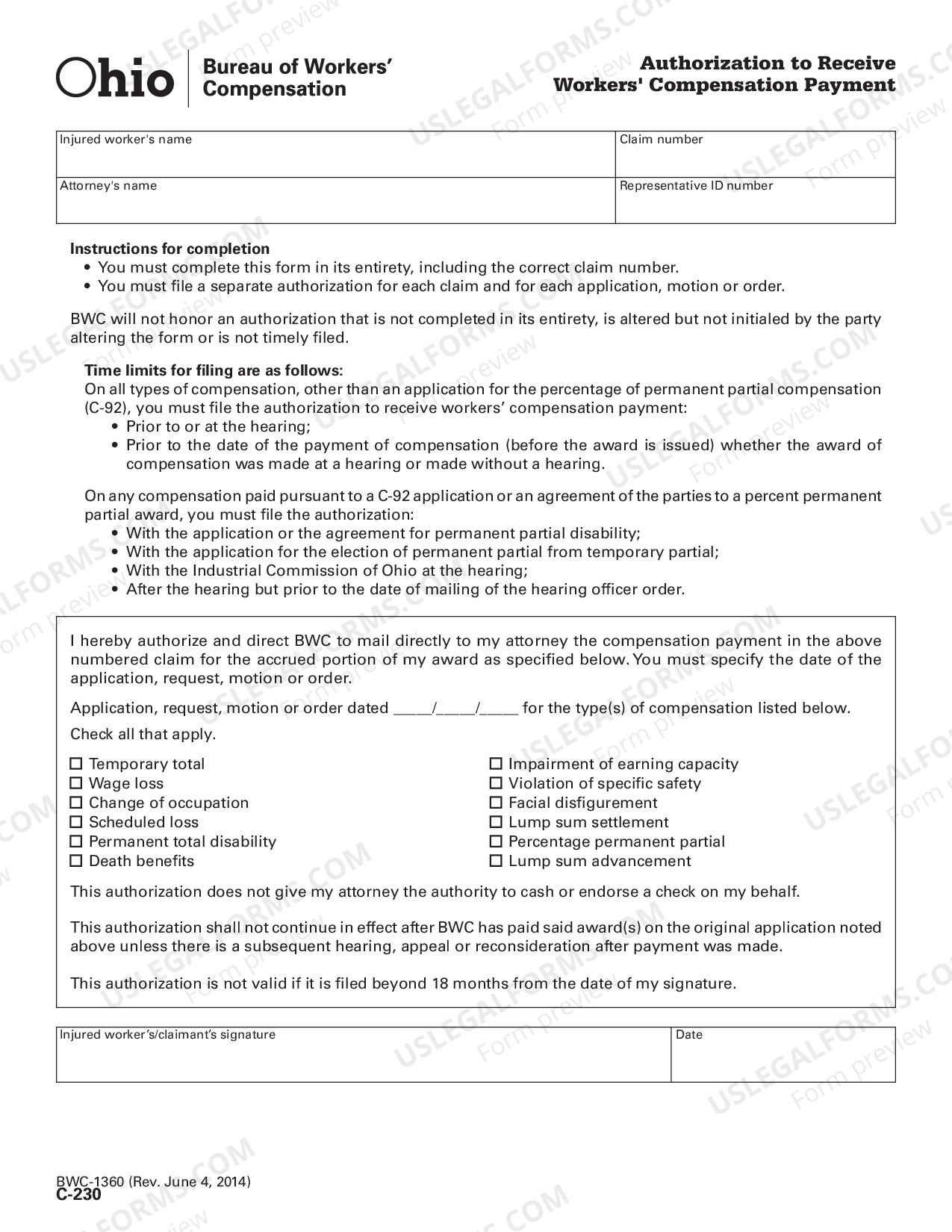
Workers’ compensation in New Philadelphia, Ohio, is a state-mandated insurance system designed to provide medical benefits and wage replacement to employees injured on the job. Managed through the Ohio Bureau of Workers' Compensation (BWC), the system operates as a monopolistic fund, requiring most local employers to obtain coverage directly through the state to ensure worker protection.
Contents
Navigating the complexities of workplace injuries requires a clear understanding of the Ohio BWC framework, specifically how it applies to residents and businesses in Tuscarawas County. Whether you are an employee at a manufacturing facility along the Tuscarawas River or a retail worker in downtown New Philadelphia, the 2026 guidelines for workers' compensation prioritize swift medical intervention and structured recovery timelines. This guide explores the essential components of the system, from initial filing to the appeals process at the Industrial Commission of Ohio.
The Ohio Monopolistic System: How It Affects New Philadelphia
Ohio remains one of the few "monopolistic" states in the U.S. regarding workers' compensation. This means that unlike most states where employers can shop for private insurance policies, businesses in New Philadelphia must generally purchase coverage from the Ohio Bureau of Workers' Compensation (BWC), a state-operated fund.
For the worker, this creates a standardized experience regardless of the company’s size. The BWC acts as both the insurer and the administrator of claims. However, larger employers in the region may be "self-insured," meaning they pay for claims out of their own pockets rather than through the state fund. In New Philadelphia, many industrial and healthcare employers opt for self-insurance, which can change the administrative process but does not alter the fundamental legal rights of the injured worker.
The Role of Managed Care Organizations (MCOs)
In the Ohio system, every claim is assigned to a Managed Care Organization (MCO). These are private entities contracted by the BWC to manage the medical aspects of a claim. For a worker in New Philadelphia, your MCO is responsible for authorizing medical treatments, processing bills from local providers like Cleveland Clinic Union Hospital, and coordinating your return-to-work plan. Understanding which MCO your employer uses is a critical first step in ensuring your medical bills are paid without delay.
Immediate Steps After a Workplace Injury in New Philadelphia
The actions taken in the first 24 to 48 hours after a workplace accident significantly impact the success of a workers' compensation claim. In New Philadelphia, the proximity to specialized medical facilities and the regional BWC service offices allows for a relatively streamlined process if followed correctly.
1. Seek Medical Attention
Your health is the priority. In New Philadelphia, you may visit an urgent care center or the emergency room at Union Hospital. It is vital to inform the attending physician that the injury is work-related. This triggers the completion of a First Report of Injury (FROI) form. Under Ohio law, you have the right to choose your initial treating physician, provided they are BWC-certified.
2. Formal Notification to the Employer
You must notify your supervisor or human resources department as soon as possible. While oral notification is common, a written report provides a paper trail that is harder to dispute later. In your report, include the date, time, location within the facility, and a brief description of the incident.
3. Filing the Claim (FROI)
The claim can be filed by the injured worker, the employer, or the treating physician. Most claims in the 2026 period are filed electronically through the Ohio BWC Website. Once filed, the BWC will assign a claim number, which you must use for all future medical appointments and correspondence.
Types of Benefits Available in 2026
Workers' compensation is not a "one-size-fits-all" payout. Instead, it consists of various types of compensation tailored to the severity and duration of the disability.
| Benefit Type | Purpose | Eligibility Criteria |
|---|---|---|
| Medical Benefits | Covers all necessary medical costs. | Must be related to the allowed conditions in the claim. |
| Temporary Total (TTD) | Wage replacement while unable to work. | Requires medical evidence of total disability for a temporary period. |
| Permanent Partial (PPD) | Compensation for residual impairment. | Filed after reaching Maximum Medical Improvement (MMI). |
| Permanent Total (PTD) | Life-long benefits for catastrophic injuries. | Worker is permanently unable to perform any sustained remunerative work. |
| VSSR Awards | Penalty against employer for safety violations. | Proof that the employer violated a specific state safety requirement. |
Temporary Total Disability (TTD)
TTD is the most common form of wage loss compensation. If your injury prevents you from working for more than seven days, you may be eligible. In 2026, the rate is generally calculated at 72% of your full weekly wage for the first 12 weeks, then transitioning to 66.6% of your average weekly wage, subject to state maximums.
Permanent Partial Disability (PPD)
Even if you return to work at your previous company in New Philadelphia, you may still be entitled to a PPD award. This is often referred to as "C-92" compensation. It serves as an "indemnity" for the permanent damage your body sustained, such as a loss of range of motion in a joint or a permanent back impairment.
Navigating the Industrial Commission (IC) of Ohio
If the BWC or your employer disagrees with your claim—perhaps they argue the injury didn't happen at work or that a specific medical condition is not related to the accident—the case moves to the Industrial Commission of Ohio (IC). The IC is the adjudicatory body that holds hearings to resolve disputes.
For New Philadelphia residents, hearings typically take place at the Canton Regional Office of the Industrial Commission. There are three levels of administrative hearings:
- District Hearing Officer (DHO): The first level of formal dispute resolution.
- Staff Hearing Officer (SHO): An appeal of the DHO's decision.
- Commission Level: A discretionary third level, rarely granted unless there is a significant legal error or new evidence.
During these hearings, evidence such as medical records from local New Philadelphia specialists, witness testimony, and expert reports are presented. Having a clear understanding of the "burden of proof" is essential; the injured worker must prove that the injury occurred in the "course of and arising out of" their employment.
Employer Rights and Responsibilities in Tuscarawas County
Employers in New Philadelphia have significant responsibilities under the Ohio Workers' Compensation Act. Beyond simply paying premiums, they must maintain a safe working environment and report injuries promptly.
Compliance and Premiums
Businesses must post their BWC certificate of coverage in a conspicuous place. Failure to maintain active coverage can lead to severe penalties, including "non-complying employer" status. If an employee is injured while an employer is non-complying, the employer may be held personally liable for all medical costs and compensation paid by the BWC, plus additional fines.
The "Drug-Free Safety Program"
Many employers in the New Philadelphia area participate in the BWC’s Drug-Free Safety Program to receive premium discounts. Under these rules, an employer may require a post-accident drug or alcohol test. In Ohio, if a worker tests positive and it is determined that the intoxication was the proximate cause of the injury, the claim may be denied.
Common Challenges in New Philadelphia Claims
Even straightforward claims can face hurdles. Understanding these common pitfalls can help residents of New Philadelphia protect their rights.
- Pre-existing Conditions: The BWC often denies claims by arguing the pain is due to "natural aging" or a prior injury. However, Ohio law allows for the "substantial aggravation" of a pre-existing condition, provided there is objective medical evidence (like an MRI or X-ray) showing the condition worsened because of the workplace accident.
- Statute of Limitations: As of 2026, the statute of limitations for most formal injury claims in Ohio remains one year from the date of the injury. For occupational diseases (like carpal tunnel or respiratory issues from factory exposure), the timeline may differ based on when the condition was diagnosed.
- Independent Medical Exams (IMEs): The BWC or the employer may require you to see a doctor of their choosing. These are not for treatment, but for an "independent" opinion on your disability level. It is crucial to be honest but concise during these exams.
Legal Support for New Philadelphia Workers
While some workers handle their own claims, the complexity of the Ohio BWC system often necessitates legal counsel, especially if a claim is denied or if the injury is severe. New Philadelphia is home to several legal practices specializing in Tuscarawas County workers' compensation law.
A local attorney can assist by:
- Filing appeals and attending hearings at the Canton IC office.
- Negotiating lump-sum settlements (C-225).
- Filing for "Additional Allowances" if new medical issues arise from the original injury.
- Investigating VSSR claims if a safety guard was missing or a regulation was ignored.
Most workers' compensation attorneys operate on a contingency fee basis, meaning they only receive a percentage of the back-pay or settlement they secure for you. This allows injured workers to access legal help without upfront costs.
Summary of Next Actions
If you have been injured at work in New Philadelphia, your immediate path forward involves three specific actions:
- Verify your claim status: Check the BWC portal to ensure your claim is "Allowed" for the correct medical conditions.
- Coordinate with your MCO: Ensure your local doctors are submitting the proper "Request for Medical Service" (C-9) forms to get your treatments authorized.
- Monitor deadlines: Be aware of any "Orders" sent by the BWC. You typically only have 14 days to appeal a decision you disagree with.
Frequently Asked Questions
Can I see my own family doctor for a work injury in New Philadelphia? Yes, you can see your own doctor as long as they are BWC-certified. If your doctor is not certified, the BWC will only pay for the very first visit. For ongoing treatment, you must use a provider within the BWC network.
What happens if my employer in New Philadelphia goes out of business? Because Ohio uses a State Fund, your claim is protected. Even if your employer closes, the BWC remains responsible for paying your benefits and medical bills, provided your claim was valid at the time of the injury.
Is "pain and suffering" included in Ohio workers' compensation? No. Unlike a personal injury lawsuit, workers' compensation is a "no-fault" system that does not provide money for pain and suffering. It is strictly limited to medical costs, wage loss, and permanent impairment awards.
How long does a workers' compensation claim stay open in Ohio? Under current 2026 guidelines, a claim generally remains active for five years from the date of the last medical bill paid or the last compensation payment. If five years pass without any activity, the claim may become "statistically closed" by law.
Can I be fired for filing a workers' compensation claim? Ohio law (ORC 4123.90) prohibits employers from retaliating against an employee for filing a claim. If you believe you were terminated specifically because you filed for BWC benefits, you may have grounds for a separate retaliation lawsuit, but you must act quickly as the filing deadlines for retaliation are very short.
Professional-Advice Limitation: The information provided in this article is for educational purposes only and does not constitute legal or medical advice. Laws and BWC regulations are subject to change. Consult with a qualified Ohio attorney or the Bureau of Workers' Compensation for specific guidance on your case.
Image Gallery