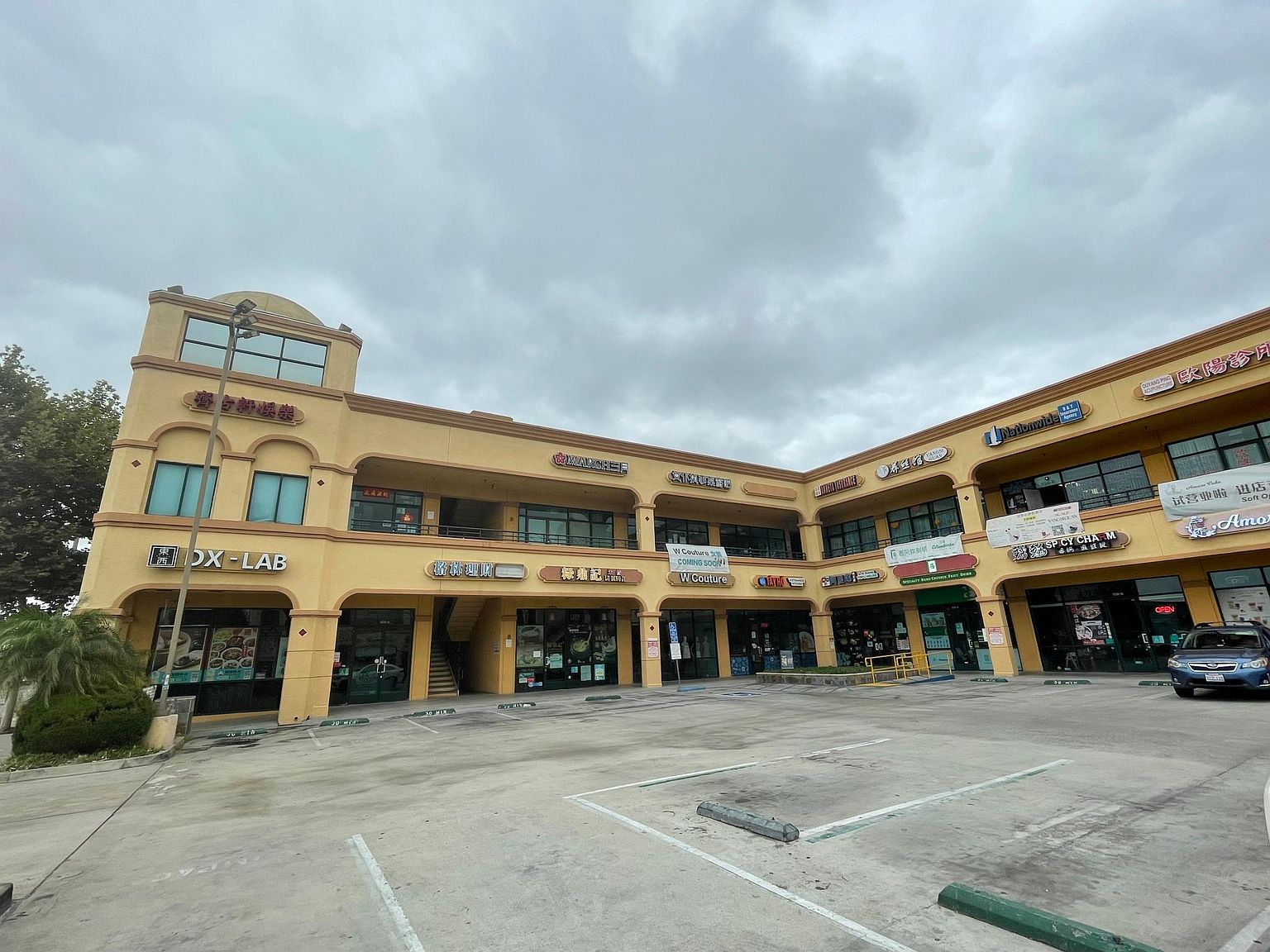
Hawaii Supermarket on East Valley Boulevard in San Gabriel: Complete Shopper Guide
Hawaii Supermarket, located at 120 E. Valley Blvd, San Gabriel, CA 91776, is an iconic Asian grocery destination in the San Gabriel Valley. Renowned for its expansive live seafood tanks, whole-carcass and specialty butcher cuts, and So...
Hawaii Supermarket, located at 120 E. Valley Blvd, San Gabriel, CA 91776, is an iconic Asian grocery destination in the San Gabriel Valley. Renowned for its expansive live seafood tanks, whole-carcass and specialty butcher cuts, and Southeast Asian and Chinese specialty imports, it serves both home cooks and culinary professionals across Los Angeles County.
Contents
Operational Profile & Quick Facts
Address: 120 E. Valley Blvd, San Gabriel, CA 91776Cross Streets: East Valley Boulevard and South Del Mar AvenuePrimary Specialty: Live seafood, rare Southeast Asian and Chinese produce, specialty meats, and bulk pantry goodsParking: Dedicated surface parking lot (high congestion during peak weekend hours)
The Cultural and Retail Legacy of Hawaii Supermarket
Hawaii Supermarket stands as a historic anchor in the development of the San Gabriel Valley’s Asian culinary landscape. Established during the commercial expansion of East Valley Boulevard, the market helped transform San Gabriel into an international dining and grocery destination.
Unlike conventional supermarket chains that streamline inventory toward Western domestic tastes, Hawaii Supermarket established its reputation on depth and variety. It bridges Chinese, Vietnamese, Thai, Indonesian, and Filipino foodways under one roof. While newer, modernized supermarket chains have emerged along the Valley Boulevard corridor, Hawaii Supermarket maintains a loyal consumer base by offering specialty ingredients, whole-animal proteins, and uncommon tropical produce that regional megastores often decline to stock due to low turnover margins or complex procurement channels.
Department Breakdown: What to Buy and How to Source
Navigating Hawaii Supermarket requires an understanding of its departmental layout. The store operates with traditional retail mechanics common to legacy international grocers, prioritizing freshness, volume, and wholesale sourcing.
1. The Live and Fresh Seafood Market
The seafood section occupies a major footprint toward the rear of the facility. It is one of the densest live-tank operations in the San Gabriel Valley.
- Live Tank Offerings: Seasonal selections include Dungeness crab, Maine lobster, California spot prawns, live tilapia, rock cod, eels, and geoduck. Water conditions and turnover are maintained to keep stock active throughout daily market runs.
- Whole Fish on Ice: Beyond the tanks, beds of crushed ice display whole pompano, beltfish, belt fish fillets, mackerel, wild salmon, and red snapper.
- Counter Services: The seafood counter offers complimentary preparation. Customers can request that whole fish be scaled, gutted, gilled, or chopped into steaks. When buying live fish or shellfish, indicate whether you want the items packaged alive or prepped at the station.
2. Specialty Butcher and Whole-Animal Meats
The butcher department caters directly to high-heat Asian culinary applications, traditional broths, and regional specialty braises.
- Specialty Cuts: Standard retail grocers rarely carry pork blood, pig trotters, beef honeycomb tripe, duck necks, chicken feet, or marrow-dense beef knucklebones. Hawaii Supermarket carries these cuts continuously for stocks, dim sum, and soups.
- Hot Pot and BBQ Preparations: Refrigerated and freezer display chests offer machine-shaved, paper-thin beef ribeye, lamb shoulder, and pork belly rolls designed specifically for hot pot (shabu-shabu) and barbecue.
- Poultry Variety: Shoppers can select from free-range yellow-feather chickens (prized for firmer texture and traditional Hainan chicken rice), silky black-bone chickens (wu gu ji) used in traditional wellness broths, and fresh duck.
3. Tropical Produce and Regional Greens
The produce section moves high volumes daily, catering to regional restaurant operators and home cooks who demand fresh turnover.
- Greens and Stems: Displays feature multiple varieties of bok choy, gai lan (Chinese broccoli), choy sum, water spinach (rau muong / ong choy), pea shoots (dou miao), and malabar spinach.
- Roots and Aromatics: Large bulk bins hold fresh galangal root, lemongrass stalks, mature and young ginger, fresh turmeric, lotus root, taro, and winter melon sold by the wedge or whole.
- Tropical Fruits: Depending on the agricultural season, produce displays hold whole durian (Monthong and Musang King), jackfruit, rambutan, longan, lychee, dragon fruit, and green papayas favored for Southeast Asian salads.
4. Imported Pantry Staples, Sauces, and Bulk Dry Goods
The center aisles house dry and preserved goods categorized by cuisine and country of origin:
- Rice and Grains: Heavy woven sacks of Thai jasmine rice, California-grown short-grain Calrose, sticky sweet rice, and forbidden black rice line the perimeter pallets.
- Fermented Pastes and Sauces: Comprehensive inventories of soy sauces (light, dark, mushroom-infused, and double-fermented), fish sauce brands from Vietnam and Thailand (including high-nitrogen variations), chili crisps, fermented bean curds, and shrimp pastes.
- Dried Mushrooms and Herbs: A dedicated section carries dried wood ear mushrooms, dried shiitake caps graded by thickness, dried lily flowers, goji berries, and pre-packaged botanical combinations for Cantonese slow-cooked soups.
Departmental Comparison: Hawaii Supermarket vs. Regional Alternatives
Understanding how Hawaii Supermarket stacks up against competing grocers along Valley Boulevard assists shoppers in picking the right retailer for their specific culinary needs.
| Feature / Department | Hawaii Supermarket (San Gabriel) | 99 Ranch Market (Regional Standard) | H Mart (Arcadia / Regional) |
|---|---|---|---|
| Primary Culinary Focus | Chinese, Vietnamese, Thai, and Southeast Asian | Taiwanese and Pan-Asian mainstream | Korean, Japanese, and Western-Fusion |
| Live Seafood Tanks | Extensive; large volume of live finfish, crabs, and shellfish | Moderate to high; focus on standard live finfish and crab | Selective; focus on premium finfish and shellfish |
| Specialty Offal & Bones | High availability across beef, pork, and poultry | Moderate; basic offal selections | Moderate; focused primarily on Korean barbecue cuts |
| Southeast Asian Herbs | Exceptional (fresh culantro, laksa leaf, holy basil) | Moderate (standard Thai basil, lemongrass) | Limited; focused primarily on perilla and scallions |
| Store Modernization | Traditional legacy Asian market aesthetic | Modernized retail layouts | High-end modern grocery design |
| Pricing Index | Economical / Value-focused on raw ingredients | Mid-tier competitive market rates | Premium pricing across departments |
Logistics: Parking, Peak Hours, and Payment Standards
To ensure an efficient trip to 120 E. Valley Blvd, keep these operational details in mind:
Parking Navigation
The on-site surface parking lot directly in front of Hawaii Supermarket can become congested, particularly between 10:00 AM and 3:00 PM on Saturdays and Sundays. The lot layout features narrow driving lanes and high turnover. Drivers should proceed with caution and watch for pedestrian traffic. If the main lot is full, allow extra time to find legal street parking along adjoining residential avenues, ensuring compliance with posted City of San Gabriel parking restrictions.
Peak Foot Traffic Hours
- High Density: Friday afternoons, Saturdays, and Sundays all day. During these windows, the seafood and butcher counters experience long wait queues.
- Optimal Shopping Window: Tuesday through Thursday mornings between 9:00 AM and 11:30 AM. Fresh daily produce deliveries are fully stocked, and service counters operate with minimal wait times.
Payment and Checkout Guidelines
- Tender Accepted: Major credit cards (Visa, Mastercard), debit cards, and cash are standardly accepted.
- EBT/SNAP: Accepted for qualifying grocery items.
- Bags: In compliance with California state retail environmental packaging mandates, customers must bring reusable bags or pay the nominal state-mandated fee per store-provided recyclable paper bag at checkout.
Step-by-Step Guide: Buying Live Seafood at the Service Counter
Purchasing live fish or crustaceans at Hawaii Supermarket follows a specific procedure that differs from Western seafood displays.
Step 1: Selection & Tongs -> Step 2: Weighing & Ticketing -> Step 3: Preparation Request -> Step 4: Final Retrieval
- Get the Attention of the Tank Associate: Walk up to the live-tank staging area. For crustaceans (crabs, lobsters), indicate the quantity or pick an individual specimen from the tank using the store's designated tongs and plastic baskets.
- Weighing and Ticketing: The associate pulls the specimen, places it in a heavy-duty plastic bag, weighs it, and attaches a printed price barcode sticker.
- Specifying Your Preparation: If you purchase live finfish (such as rock cod or tilapia), communicate your preparation preferences clearly before they head to the processing sinks:
- Whole/Cleaned: "Scale and gut only" (keeps the head, fins, and tail on; ideal for Cantonese-style steaming).
- Gilled and Fin-Trimmed: Removes the bitter gill structures and sharp dorsal fins.
- Steaked: Cut crosswise into thick cutlets (ideal for braising or soups).
- Deep-Fried: Inquire if the hot prep station is running; select markets fry whole cleaned fish on-site for immediate consumption.
- Counter Ticket Tracking: You will receive a numbered slip or ticket. Step aside from the main line to allow other customers access while the butcher completes the work.
- Final Pickup: Listen for your number, collect your wrapped, sealed package, and take it to the main front registers for final scanning and payment.
Pro-Tips for Optimizing Your Visit
- Inspect Packed Produce Flats: When buying boxed tropical fruits (such as mangoes, lychee, or persimmons), open the outer cardboard flat to check the lower fruit layers for uniform ripeness and structural integrity.
- Bring an Insulated Thermal Bag: Due to the scale of the live seafood and frozen food departments, trips to East Valley Boulevard often involve multiple stops along the San Gabriel dining corridor. Keep an insulated cooler or thermal bag in your trunk to maintain the cold chain for raw proteins.
- Pair Your Visit with Valley Boulevard Dining: Hawaii Supermarket is situated within walking distance of many regional bakeries, dim sum parlors, and herbal tea shops. Grouping grocery errands with lunch along the corridor maximizes the value of finding parking in this lively commercial district.
Frequently Asked Questions
What is the exact address of Hawaii Supermarket in San Gabriel?
Hawaii Supermarket is located at 120 E. Valley Blvd, San Gabriel, CA 91776, near the intersection of East Valley Boulevard and South Del Mar Avenue.
The market sits within the historic commercial center of San Gabriel’s commercial strip, making it accessible from both the Interstate 10 (San Bernardino) and Interstate 710 freeways.
Does Hawaii Supermarket clean and prepare fresh fish on-site?
Yes, the seafood department cleans, scales, guts, and chops fresh or live fish to customer specifications at no additional charge.
Shoppers select their fish directly from the live tanks or the crushed ice display, receive an itemized weight ticket, and present their preferred prep method (such as whole-cleaned for steaming or cut into steaks) to the counter staff.
How does Hawaii Supermarket differ from 99 Ranch Market?
Hawaii Supermarket features a wider, deeper selection of Southeast Asian herbs, tropical produce, and specialty offal cuts, whereas 99 Ranch Market provides a standardized, modern Taiwanese-focused grocery experience.
While 99 Ranch offers modernized retail spaces and chain consistency, Hawaii Supermarket appeals to home cooks and restaurant chefs looking for specific ethnic pantry imports, live specialty seafood, and whole-butchery staples at competitive prices.
What are the best days and times to avoid crowds at Hawaii Supermarket?
The best times to shop with minimal crowds are Tuesday through Thursday between 9:00 AM and 11:30 AM.
During weekday mornings, inventory from morning shipments is freshly organized, wait times at the meat and seafood counters are brief, and stalls in the front parking lot remain open and accessible.
Does Hawaii Supermarket accept EBT and major credit cards?
Yes, Hawaii Supermarket accepts standard EBT payments for eligible food items, as well as major credit and debit cards alongside cash.
Customers using electronic benefit transfers or cards must present their payment directly at the central register checkout lanes; personal checks are not accepted.
Conclusion
Hawaii Supermarket remains a vital culinary institution on East Valley Boulevard, supplying home cooks, local restaurants, and regional food enthusiasts with hard-to-find ingredients, live seafood, and specialty Asian provisions. Plan your shopping excursion during weekday morning hours to navigate the aisles and parking easily, and bring along an insulated cooler bag to transport fresh proteins safely back to your kitchen.
Image Gallery