Exploring the Harambe Grave: Facts, Memorials, and How to Pay Respects
There is no public "grave" or traditional headstone for Harambe at the Cincinnati Zoo or elsewhere. Following his death on May 28, 2016, his remains were handled privately by the zoo, often involving cremation or scientific study. Toda...
There is no public "grave" or traditional headstone for Harambe at the Cincinnati Zoo or elsewhere. Following his death on May 28, 2016, his remains were handled privately by the zoo, often involving cremation or scientific study. Today, the primary site for public tribute is a bronze gorilla statue located near the zoo's entrance.
Contents
The Reality of Harambe’s Final Resting Place
When people search for "the Harambe grave," they are often looking for a specific physical location where they can pay their respects to the Western lowland gorilla whose death became a global cultural phenomenon. However, it is a standard practice for zoological institutions not to maintain public burial grounds for their animals. For a facility like the Cincinnati Zoo & Botanical Garden, land is at a premium, and the biological management of remains follows strict health and safety protocols.
In the immediate aftermath of the 2016 incident, Harambe’s body was not buried in a public-facing plot. Standard zoo procedures for a large primate typically involve a necropsy (an animal autopsy) to understand the animal's health and provide data for veterinary science. Following this, remains are generally cremated. In Harambe's specific case, it was also reported that his genetic material—specifically his sperm—was harvested shortly after his death to ensure that his lineage could potentially contribute to the future of the endangered Western lowland gorilla population through the Species Survival Plan (SSP).
While there is no cemetery plot, the "virtual grave" of Harambe exists across thousands of digital tributes and social media pages. This digital permanence often leads visitors to the Cincinnati Zoo expecting to find a marked grave, but the reality is that his physical remains are not accessible to the public. Instead, the zoo has shifted focus toward conservation education and memorialization through art and habitat improvements.
The Cincinnati Zoo Memorial Statue
For those visiting in 2026 to honor Harambe’s memory, the most significant physical site is the bronze gorilla statue located near the zoo’s entrance. Unveiled years after the incident, this statue serves as a de facto memorial for Harambe and a symbol for the conservation of his species.
The statue was designed to capture the majesty and power of the silverback, providing a tangible place for the public to reflect. Unlike a grave, which signifies an end, the statue is intended to inspire a beginning—specifically, an interest in protecting the fewer than 100,000 Western lowland gorillas remaining in the wild.
Why the Statue Replaces the Grave
- Educational Focus: The zoo uses the statue to pivot the conversation from the tragedy of the 2016 event toward the broader crisis of habitat loss and poaching in the Congo Basin.
- Safety and Logistics: Placing a grave in a high-traffic area would create bottlenecks and potential security issues. A statue allows for a commemorative space that integrates naturally into the visitor experience.
- Durability: Bronze is a permanent medium that withstands the elements and the touch of millions of visitors, serving as a long-lasting tribute that a traditional earthen grave could not provide.
Visitors often leave small tokens or flowers near the base of the statue, though zoo staff regularly clear these items to maintain the grounds. If you are planning a visit, it is located within the main plaza area, accessible with a standard admission ticket.
The 2016 Incident: Context and Aftermath
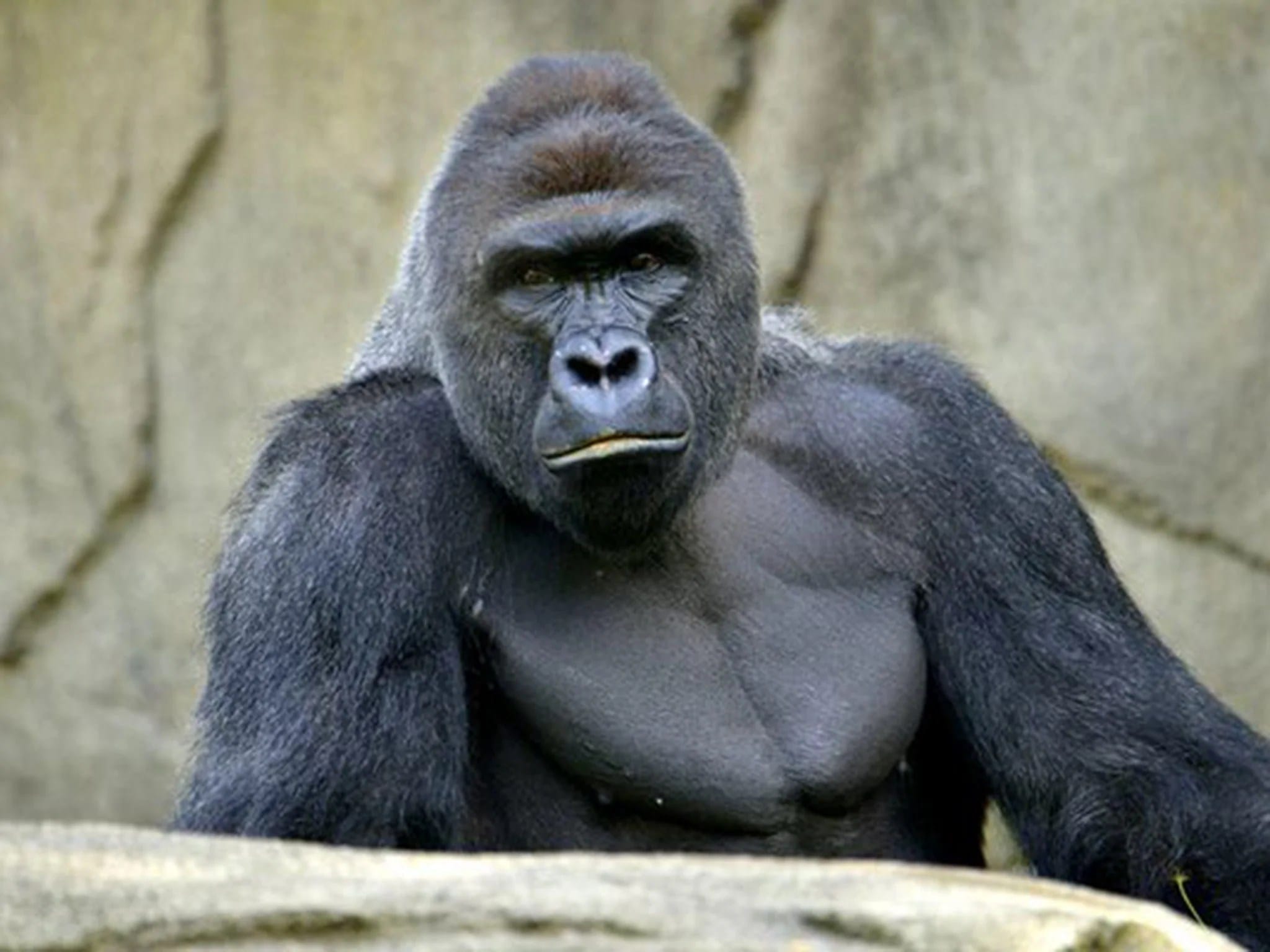
Understanding why people still seek out a Harambe grave requires a look back at the events of May 28, 2016. A three-year-old boy climbed over a 3-foot-tall fence, crawled through bushes, and fell 15 feet into the shallow water of the Gorilla World habitat. Harambe, a 17-year-old, 440-pound silverback, intercepted the child.
While video footage showed moments where Harambe appeared protective, he also dragged the boy through the water at high speeds. The zoo’s Dangerous Animal Response Team (DART) determined that the situation was life-threatening. Because a tranquilizer would have taken several minutes to take effect and might have agitated the gorilla further, the decision was made to use lethal force. Harambe was shot and killed to ensure the child’s safety.
The incident sparked a massive ethical debate regarding zoo safety, parental responsibility, and the rights of captive animals. The intense public reaction is what elevated Harambe from a local zoo resident to a global icon, leading to the ongoing interest in a physical memorial or grave site.
Scientific and Genetic Legacy
While Harambe’s physical body is not in a grave, his biological legacy continues. As a member of a critically endangered species, Harambe’s genetic profile was highly valuable. The Cincinnati Zoo is a leader in animal reproductive health through its Center for Conservation and Research of Endangered Wildlife (CREW).
The Species Survival Plan (SSP)
Harambe was part of the Association of Zoos and Aquariums (AZA) Species Survival Plan. This program manages the population of specific species across different zoos to maintain genetic diversity. Even after his death, Harambe’s harvested genetic material remains frozen in a "frozen zoo" or cryopreservation tank. This means that, theoretically, he could still father offspring in the future through artificial insemination, ensuring his genes are not lost to the species.
| Aspect | Detail |
|---|---|
| Species | Western Lowland Gorilla (Gorilla gorilla gorilla) |
| Date of Birth | May 27, 1999 (Gladys Porter Zoo, Brownsville, TX) |
| Date of Death | May 28, 2016 (Cincinnati Zoo, OH) |
| Memorial Type | Bronze Statue (Public), Genetic Preservation (Private) |
| Current Status | Remains cremated; Genetic material stored at CREW |
| Public Access | Statue available during zoo hours; no grave access |
Visiting the Cincinnati Zoo in 2026
If you are planning a trip to pay respects, it is important to know the current operational details of the Cincinnati Zoo & Botanical Garden. The facility has undergone several renovations since 2016, specifically enhancing the "Gorilla World" exhibit to include better viewing angles and significantly upgraded safety barriers to prevent any future incidents.
Admission and Hours
As of 2026, the zoo typically operates from 10:00 AM to 5:00 PM, with seasonal variations such as the "Festival of Lights" during the winter months. Tickets generally range from $20 to $30 depending on the day of the week and how far in advance they are purchased.
How to Find the Memorial
- Enter the Main Gate: The statue is located in the entry plaza area, making it accessible even before you reach the specific animal habitats.
- Gorilla World: After visiting the statue, head to the Gorilla World exhibit. While Harambe is no longer there, you can see his relatives and other members of his troop.
- Educational Signs: Look for the plaques surrounding the gorilla habitat. These provide deep dives into the conservation efforts the zoo has undertaken in Harambe's name.
The Cultural Phenomenon of the Harambe Grave
The search for a grave is driven largely by the internet's refusal to let Harambe’s memory fade. In the years following 2016, Harambe became a staple of internet "meme" culture. While some of this was satirical, it resulted in a genuine, lasting awareness of the gorilla.
The "virtual grave" consists of millions of tributes on platforms like Reddit, X (formerly Twitter), and YouTube. This digital footprint has turned Harambe into perhaps the most famous gorilla in history, surpassing even Koko or Digit in terms of raw name recognition. For many, searching for a grave is a way to find closure for a story that felt abruptly and tragically cut short.
Frequently Asked Questions
Is Harambe buried at the Cincinnati Zoo?
No, Harambe is not buried at the Cincinnati Zoo. Standard zoo protocol for large animals involves cremation rather than burial. There is no marked grave or headstone on the property for visitors to visit.
Can I leave flowers at a Harambe memorial?
While there is no grave, visitors often leave small tributes at the bronze gorilla statue near the zoo entrance. However, zoo staff periodically remove these items to keep the entrance clean and prevent litter from entering animal habitats.
Did Harambe have any children?
Harambe did not have any offspring during his lifetime. However, his genetic material was collected and preserved by the Center for Conservation and Research of Endangered Wildlife (CREW). There is a possibility he could father children posthumously through the Species Survival Plan.
Where exactly is the Harambe statue located?
The statue is situated in the main entry plaza of the Cincinnati Zoo & Botanical Garden. It is one of the first major landmarks visitors see after passing through the ticket gates.
Why wasn't Harambe just tranquilized?
The zoo's Dangerous Animal Response Team determined that a tranquilizer would take several minutes to knock out a 440-pound gorilla. During those minutes, the animal could have become erratic or aggressive, posing an even greater risk to the child he was holding. Lethal force was deemed the only way to guarantee the child's survival.
Practical Recommendations for Visitors
If you wish to honor Harambe’s legacy in 2026, the most impactful action you can take is to support gorilla conservation. The Cincinnati Zoo partners with several organizations, such as the Mbeli Bai Study, which works directly in the field to protect wild gorilla populations.
Instead of searching for a non-existent grave, consider donating to a conservation fund or participating in the zoo’s cell phone recycling program. Cell phones contain coltan, a mineral mined in gorilla habitats; recycling your old devices directly reduces the demand for destructive mining. By visiting the bronze statue and then taking action to protect Harambe’s wild cousins, you ensure that his memory contributes to the survival of his species.
Image Gallery