Understanding 2013-Series $1 Bills and Their Numismatic Status in 2026
The term 2013 1 bills refers to United States Federal Reserve Notes with a Series Year of 2013, commonly found in circulation as one-dollar denominations. While these notes remain legal tender in 2026, their value for collectors depend...
The term 2013 1 bills refers to United States Federal Reserve Notes with a Series Year of 2013, commonly found in circulation as one-dollar denominations. While these notes remain legal tender in 2026, their value for collectors depends heavily on printing variations, serial number anomalies, and their current state of preservation.
Contents
Technical Specifications of the 2013 Federal Reserve Note
The Series 2013 $1 note is part of the standard production of the Bureau of Engraving and Printing (BEP). Unlike the multi-colored redesigned notes for higher denominations, the $1 bill has maintained its classic green-and-black aesthetic for decades. For a note to be identified as a 2013 series, it must feature the signature of the Treasurer of the United States and the Secretary of the Treasury who served during that specific production window.
When examining these bills, numismatists look for the following technical identifiers:
- Series Year: Printed to the right of the portrait of George Washington.
- Federal Reserve Seal: Indicates the specific district bank that issued the currency.
- Serial Number Prefix and Suffix: The alpha-numeric sequence that determines the specific print run and plate position.
- Printing Plate Numbers: Small digits located on the front and back of the note, indicating which plate was used in the intaglio printing process.
Why 2013 Series Bills Remain Common in 2026
In the current fiscal year of 2026, the 2013 series is still frequently encountered in daily cash transactions. The longevity of the 2013 series in circulation is attributed to the large-scale volume of production authorized by the Federal Reserve during that period.
Because billions of these notes were placed into circulation, they are rarely valuable above their face value unless they possess specific error characteristics. For the average holder, these bills serve their intended purpose as legal tender. For the collector, the "2013" designation is a standard entry in the modern currency cycle, usually relegated to "filler" status unless the note is in Uncirculated (UNC) or Gem Uncirculated (GEM UNC) condition.
Identifying Rare Varieties and Errors
While the vast majority of 2013 $1 bills are worth exactly one dollar, certain physical anomalies can significantly increase their market value. When inspecting a note, look for these specific factors that often differentiate a standard note from a collectible specimen:
| Error Type | Description | Market Impact |
|---|---|---|
| Mules | The bill was printed using mismatched plates from different series. | Moderate to High |
| Offset Printing | Ink from one side bleeds or transfers to the other side. | High |
| Cutting Errors | The bill was misaligned during the mechanical guillotine process. | Variable |
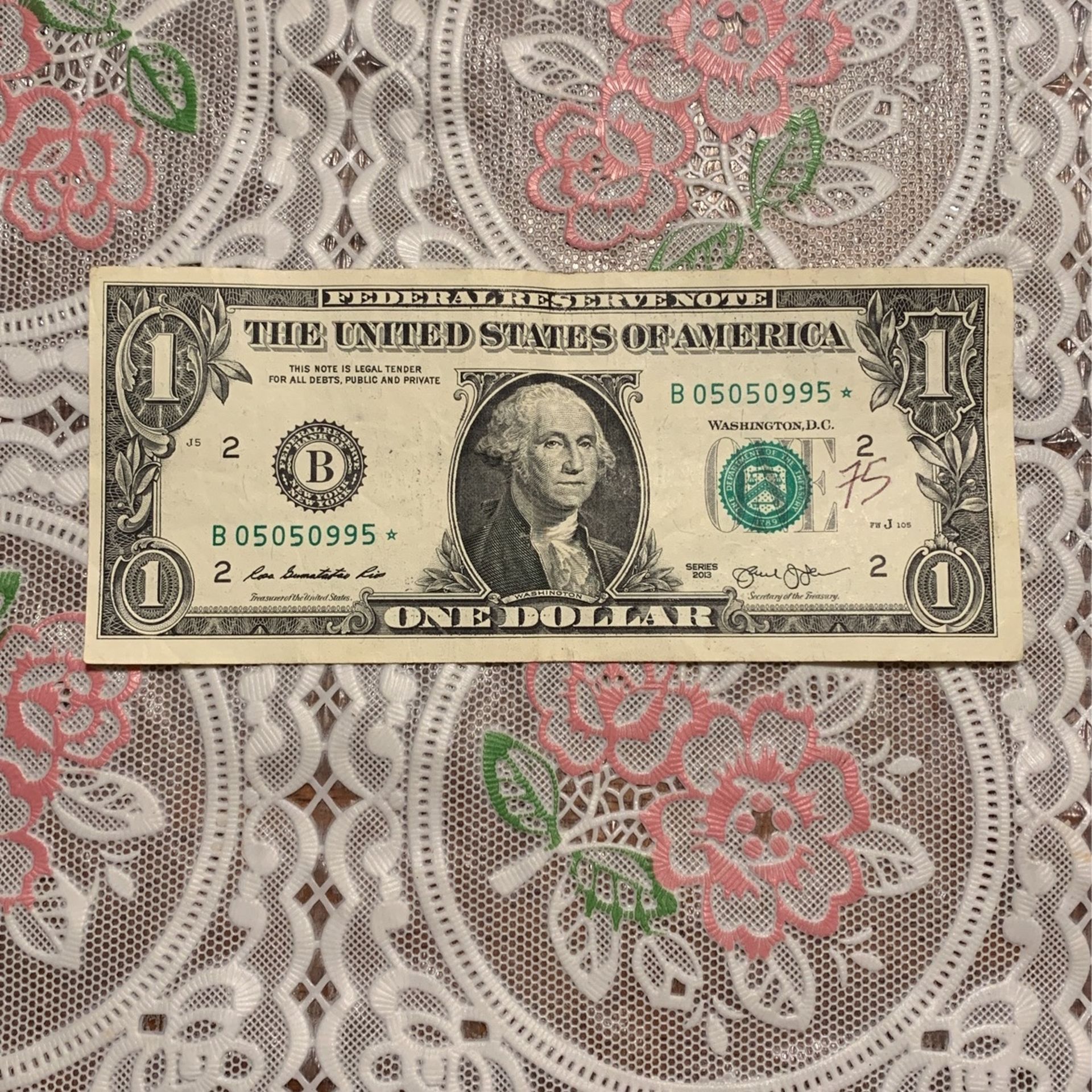
| Star Notes | A star (*) replaces the suffix letter, indicating a replacement for a defective print run. | Low to Moderate |
| Fancy Serial Numbers | Sequences like radars, ladders, or solid numbers. | High |
Understanding Star Notes
If you find a 2013 $1 bill with a star symbol following the serial number, you have discovered a replacement note. During production, if a sheet of paper is damaged, it is replaced with a pre-printed sheet marked with a star to keep the total count consistent. In 2026, these are highly sought after by collectors, particularly if the print run for that specific district was limited.
Proper Storage and Preservation Standards
If you possess a 2013 $1 bill that you believe has numismatic value, protecting it from environmental degradation is essential. Humidity, oils from human skin, and UV light are the primary enemies of paper currency.
- Avoid Handling: Use cotton or nitrile gloves to prevent skin oils from transferring to the paper surface.
- Acid-Free Holders: Use Mylar or archival-quality plastic sleeves that are free of PVC. PVC can leach chemicals that damage the ink and paper over time.
- Controlled Environment: Store notes in a cool, dry place. Avoid basements or attics where temperature fluctuations are common.
- Professional Grading: If you believe a note is in perfect condition or contains a rare error, consider sending it to a third-party grading service like PMG (Paper Money Guaranty).
Frequently Asked Questions
Are 2013 $1 bills worth more than face value?
Generally, no. Most 2013 $1 bills are worth exactly one dollar in the current 2026 market. Exceptions apply only to bills with major printing errors, rare serial number patterns, or those preserved in pristine, uncirculated condition.
Can I still spend 2013 series bills at stores?
Yes. These bills are fully functional legal tender and are accepted by all businesses, banks, and government agencies in the United States. There is no expiration date for any United States Federal Reserve Note.
How do I identify a fancy serial number?
A fancy serial number includes patterns like "ladders" (e.g., 12345678), "solids" (e.g., 77777777), or "radars" (the number reads the same forwards and backwards). These are significantly rarer than standard serial numbers.
Should I keep my 2013 $1 bills for investment?
If you are looking for long-term investments, modern currency is typically not the most efficient vehicle compared to precious metals or older historical currency. However, if you enjoy the hobby of numismatics, collecting these notes for their unique serial numbers or error variations can be an engaging pursuit.
What should I do if I find a suspected printing error?
Do not attempt to clean or iron the bill, as this will destroy any potential value. Place the note in a protective sleeve and consult a reputable currency dealer or check online databases dedicated to modern U.S. paper money errors to verify if the anomaly is documented.
Professional Evaluation
For those interested in the specific production numbers of 2013 currency, the Bureau of Engraving and Printing publishes monthly production reports that serve as the authoritative standard for researchers. If you are attempting to build a collection, focusing on "Star Notes" from low-mintage Federal Reserve Districts remains the most effective strategy for increasing the long-term potential of your holdings. Should your collection grow, documenting your finds in a standard numismatic software or ledger is highly recommended to maintain accurate records of your assets in 2026.
Image Gallery