A Comprehensive Overview of A24’s Zola: From Viral Twitter Thread to Cinematic Landmark
A24’s Zola is a 2021 dark comedy-drama directed by Janicza Bravo that serves as the first major motion picture adapted from a viral Twitter thread. The film chronicles the chaotic journey of a Detroit waitress lured into a dangerous Fl...
A24’s Zola is a 2021 dark comedy-drama directed by Janicza Bravo that serves as the first major motion picture adapted from a viral Twitter thread. The film chronicles the chaotic journey of a Detroit waitress lured into a dangerous Florida road trip, blending surrealist aesthetics with sharp social commentary on digital identity and survival.
Contents
As of 2026, Zola remains a significant touchstone in the A24 catalog, representing a successful bridge between ephemeral internet culture and high-concept independent filmmaking. The movie is not merely a retelling of a social media story; it is a meticulously crafted exploration of the "female gaze," the performative nature of social media, and the precariousness of the gig economy.
The Cultural Genesis: From 148 Tweets to the Big Screen
The journey of Zola began on October 27, 2015, when Azaiah "Zola" Wells posted a 148-tweet thread that began with the now-iconic line: "Y’all wanna hear a story about why me & this bitch here fell out? It’s kind of long but full of suspense." The thread became an immediate cultural phenomenon, garnering attention from celebrities and filmmakers alike for its gripping narrative, unique voice, and "stranger than fiction" plot involving stripping, prostitution, and a suicide attempt.
Following the viral success of the thread, Rolling Stone published an investigative piece by David Kushner titled "Zola Tells All: The Real Story Behind the Greatest Stripper Saga Ever Told." This article provided a more journalistic look at the events, interviewing the real-life players involved, including Stefani (real name Jessica Swiatkowski). A24 quickly secured the rights, recognizing the cinematic potential of a story that had already captivated millions in text form.
The production was initially linked to James Franco, but the project found its definitive voice when Janicza Bravo took the helm. Bravo, alongside co-writer and playwright Jeremy O. Harris, transformed the digital source material into a screenplay that prioritized Zola’s internal perspective while maintaining the frenetic energy of the original tweets.
Narrative Structure and Plot Summary
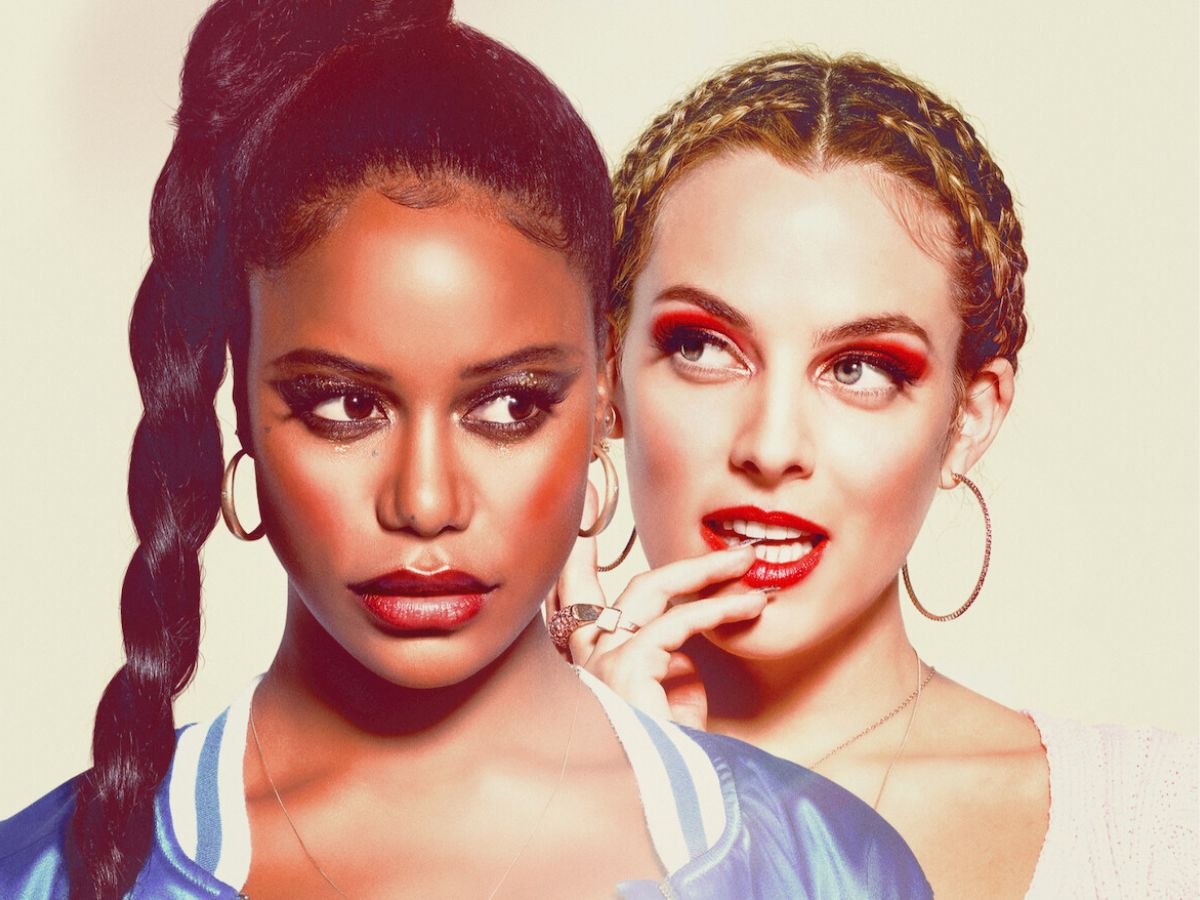
The film follows Zola (played by Taylour Paige), a part-time stripper and waitress in Detroit. While serving a customer named Stefani (Riley Keough), the two strike up an immediate, albeit superficial, friendship based on their shared profession. Less than 24 hours later, Stefani invites Zola on a road trip to Florida, promising lucrative earnings at high-end strip clubs.
What begins as a professional "business trip" quickly devolves into a harrowing ordeal. Zola soon discovers that she is trapped in a situation managed by Stefani’s "roommate," a man known only as X (Colman Domingo), who is revealed to be a dangerous pimp. Accompanied by Stefani’s erratic and dim-witted boyfriend Derrek (Nicholas Braun), the group descends into the Florida underworld.
The narrative tension arises from Zola’s attempts to maintain her agency and safety while navigating X's threats and Stefani’s manipulative behavior. Unlike traditional crime thrillers, the film utilizes a dark, comedic tone to highlight the absurdity of the situation. The climax of the film involves a violent confrontation and a narrow escape, mirroring the real-life resolution of Wells’ 2015 story.
Visual Language and Technical Direction
Janicza Bravo’s direction is characterized by a distinct "digital surrealism." To capture the essence of a story born on a smartphone, the film incorporates the auditory and visual language of social media without relying on the cliché of showing phone screens on camera.
Cinematography and Format
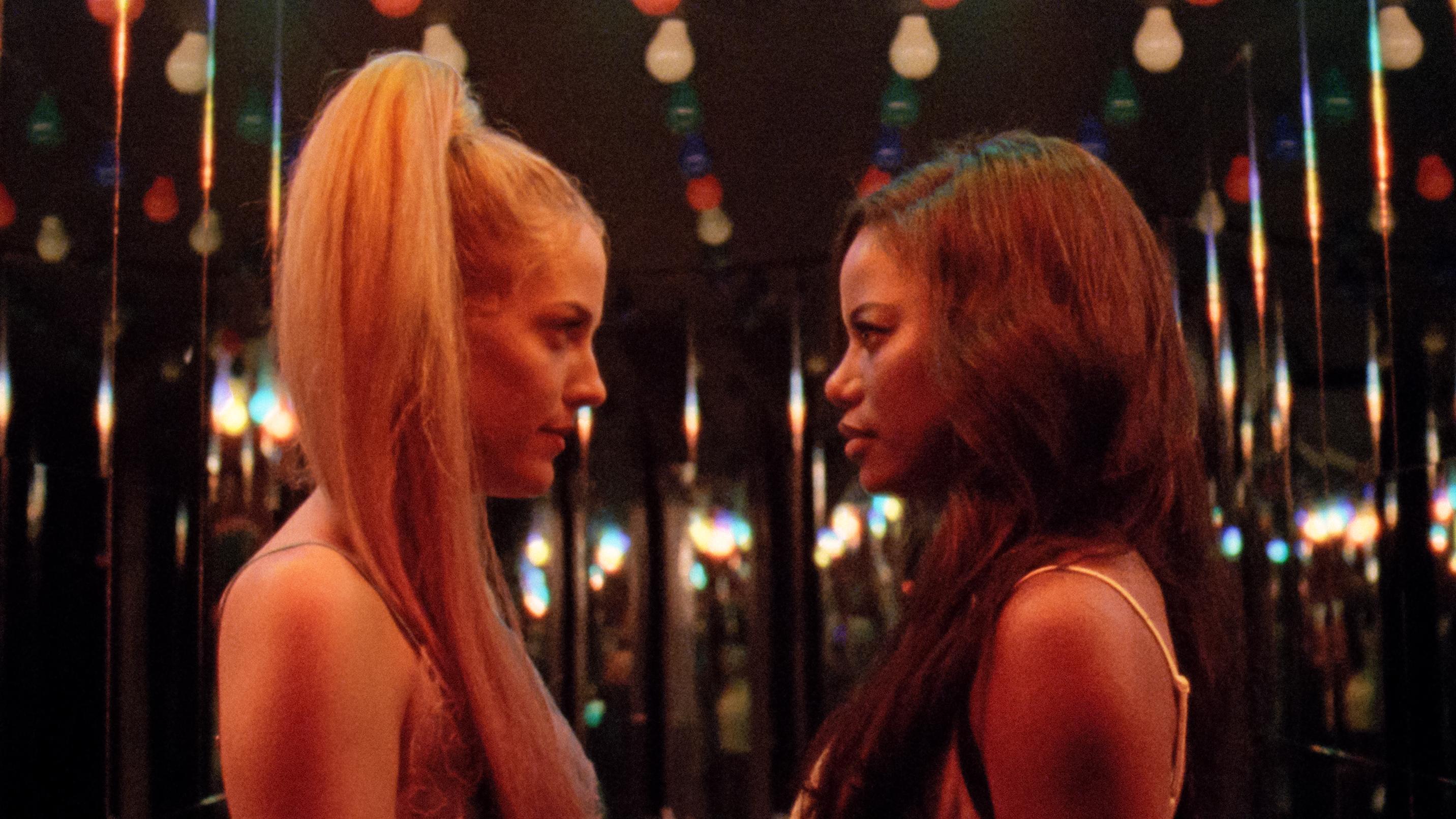
The film was shot on 16mm film by cinematographer Ari Wegner, giving it a grainy, tactile quality that contrasts with its digital origins. This choice elevates the "trashy" Florida aesthetic into something beautiful and hyper-real. The color palette is saturated with neons and humid pastels, capturing the sweltering atmosphere of the American South.
Sound Design and Score
One of the film's most innovative features is its use of sound. Mica Levi, known for their haunting work on Under the Skin, composed a score that sounds like a fractured fairytale. The music is punctuated by the sound of Twitter notification pings and "whoosh" sounds, subtly reminding the audience that they are witnessing a curated narrative. These sound cues often trigger when characters are lying or when a significant shift in the power dynamic occurs.
Editing Style
The editing, handled by Joi McMillon, mimics the scrolling nature of social media. The film uses fourth-wall breaks and "rewind" sequences where the audience sees the same event from two different perspectives—specifically when the film acknowledges Stefani's unreliable "version" of the story before returning to Zola's reality.
Character Analysis and Casting
The success of Zola relies heavily on the chemistry and contrasting performances of its lead actors.
- Taylour Paige (Zola): Paige provides the emotional anchor of the film. Her performance is characterized by silence and observation. As the "straight man" in a room full of chaotic personalities, her facial expressions convey the horror and disbelief that the audience feels.
- Riley Keough (Stefani): Keough delivers a transformative performance as Stefani, adopting a "blaccent" and a highly performative persona. Her character represents the predatory nature of cultural appropriation, moving in and out of her "urban" persona depending on who she is trying to manipulate.
- Colman Domingo (X): Domingo shifts effortlessly between a charming travel companion and a terrifying predator. His performance highlights the genuine danger lurking beneath the film’s comedic surface.
- Nicholas Braun (Derrek): Braun provides much of the film’s tragicomedy. As the weak-willed boyfriend who realizes he is in over his head, he represents the collateral damage of X and Stefani’s lifestyle.
Key Themes and Social Commentary
Zola explores several complex themes that remain relevant in the mid-2020s.
The Digital Gaze and Curation
The film is a meta-commentary on how we tell stories in the digital age. By basing the movie on a Twitter thread, Bravo asks the audience to consider who owns a story and how much of it is "performance." Zola is constantly aware that she is in a narrative, at one point literally telling the audience, "Watch this."
Agency vs. Exploitation
While the film is set within the world of sex work, it draws a hard line between the agency of stripping (which Zola chooses) and the exploitation of sex trafficking (which X enforces). The film does not judge the profession but focuses its critique on the violence and coercion used by those who seek to profit from others' bodies.
Performative Identity
The character of Stefani is a critique of a specific type of white womanhood that adopts Black cultural signifiers for social or financial gain. Her "performance" is contrasted with Zola’s authentic, yet guarded, self. This tension is central to the film's exploration of race and class dynamics in America.
Comparison of Narratives
The following table compares how different versions of the story handle key elements of the saga.
| Feature | The Twitter Thread (2015) | The Rolling Stone Article (2015) | The A24 Film (2021) |
|---|---|---|---|
| Primary Voice | Azaiah "Zola" Wells | David Kushner (Journalistic) | Janicza Bravo/Zola (Cinematic) |
| Tone | Frenetic, Hilarious, Raw | Objective, Investigative | Surreal, Darkly Comedic, Tense |
| Perspective | First-person (Zola) | Multi-perspective interviews | First-person with meta-breaks |
| Focus | The "Saga" and the "Fall out" | Fact-checking and aftermath | Character dynamics and aesthetics |
| Ending | Abrupt, victorious escape | Legal outcomes and statements | Poetic, focusing on Zola's resolve |
Critical Reception and Legacy
Upon its release, Zola was met with significant critical acclaim, particularly for its direction and the performance of Taylour Paige. It holds an 88% approval rating on Rotten Tomatoes and was nominated for several Independent Spirit Awards, including Best Feature and Best Director.
Critics praised the film for being "unapologetically online," succeeding where many other films failed by translating the rhythm of the internet into a cohesive cinematic experience. In the years since its release, it has become a staple of "Internet-Native Cinema," influencing how directors approach stories involving digital life.
By 2026, Zola is viewed as a pioneer in the "A24 House Style"—films that are visually striking, genre-defying, and culturally disruptive. It proved that social media threads are as viable a source for prestige cinema as novels or stage plays, provided they are handled with the specific artistic vision that Janicza Bravo brought to the project.
Frequently Asked Questions
Is Zola based on a true story?
Yes, the film is based on the real-life experiences of Azaiah "Zola" Wells during a trip to Florida in 2015. While the film dramatizes certain elements for cinematic effect, the core events—the meeting at Hooters, the trip to Florida, the presence of a pimp, and the violent incidents—are based on Wells' accounts and subsequent journalistic verification by Rolling Stone.
Where can I watch Zola in 2026?
Zola is available for streaming on platforms that host the A24 library. Depending on your region, this typically includes Max (formerly HBO Max) or Showtime. It is also available for purchase or rental on major digital storefronts such as Amazon Prime Video, Apple TV, and Vudu.
Why is the movie rated R?
The film received an R rating for strong sexual content, pervasive language, violence, and graphic nudity. Given the subject matter involving the sex industry and human trafficking, the film contains mature themes and depictions that are not suitable for younger audiences.
Who directed Zola?
The film was directed by Janicza Bravo. Bravo is known for her unique stylistic approach and has directed episodes of acclaimed series like Atlanta and Poker Face. Her work on Zola is considered her breakout feature film achievement.
Did the real Zola make money from the movie?
Azaiah Wells served as an executive producer on the film. While the specific financial details of her contract with A24 are private, her role as an executive producer ensures she received compensation for her intellectual property and story rights, as well as a share of the film's success.
Recommended Action for Viewers
To fully appreciate the nuance of the film, viewers are encouraged to read the original Rolling Stone article by David Kushner before or after watching. This provides a fascinating look at the "truth" behind the tweets and highlights the creative liberties Janicza Bravo took to create her surrealist vision. For those interested in the evolution of digital storytelling, Zola is a mandatory watch that defines an era of 21st-century filmmaking.
Image Gallery