The Conclave Cast Names Explained: A Breakdown of the Cardinals
The film Conclave (2024), directed by Edward Berger and based on the novel by Robert Harris, centers on the high-stakes political machinations within the Vatican following the sudden death of a Pope. The narrative focuses on the assemb...
The film Conclave (2024), directed by Edward Berger and based on the novel by Robert Harris, centers on the high-stakes political machinations within the Vatican following the sudden death of a Pope. The narrative focuses on the assembly of the College of Cardinals—the conclave—where the identities and personal agendas of the characters drive the tension. Understanding the cast and their respective roles requires looking at both the fictionalized names used in the adaptation and the ecclesiastical archetypes they represent.
Contents
The Narrative Context of the Conclave
In the Roman Catholic Church, a conclave is the formal assembly of cardinals convened to elect a new Pope. The film adaptation maintains the gravity of this tradition, moving the audience through the locked doors of the Sistine Chapel. The central conflict arises as the different factions—the progressives, the traditionalists, and the pragmatists—clash over the future direction of the Church.
The character names in the film are specifically chosen to evoke the weight of their positions. Because the source material is a work of fiction, these names do not refer to real-life living cardinals, but rather to archetypal figures that mirror the internal diversity of the College.
Primary Cast and Character Identities
The film’s effectiveness relies on the performances of a distinguished ensemble. Below are the key characters whose names and roles dictate the plot.
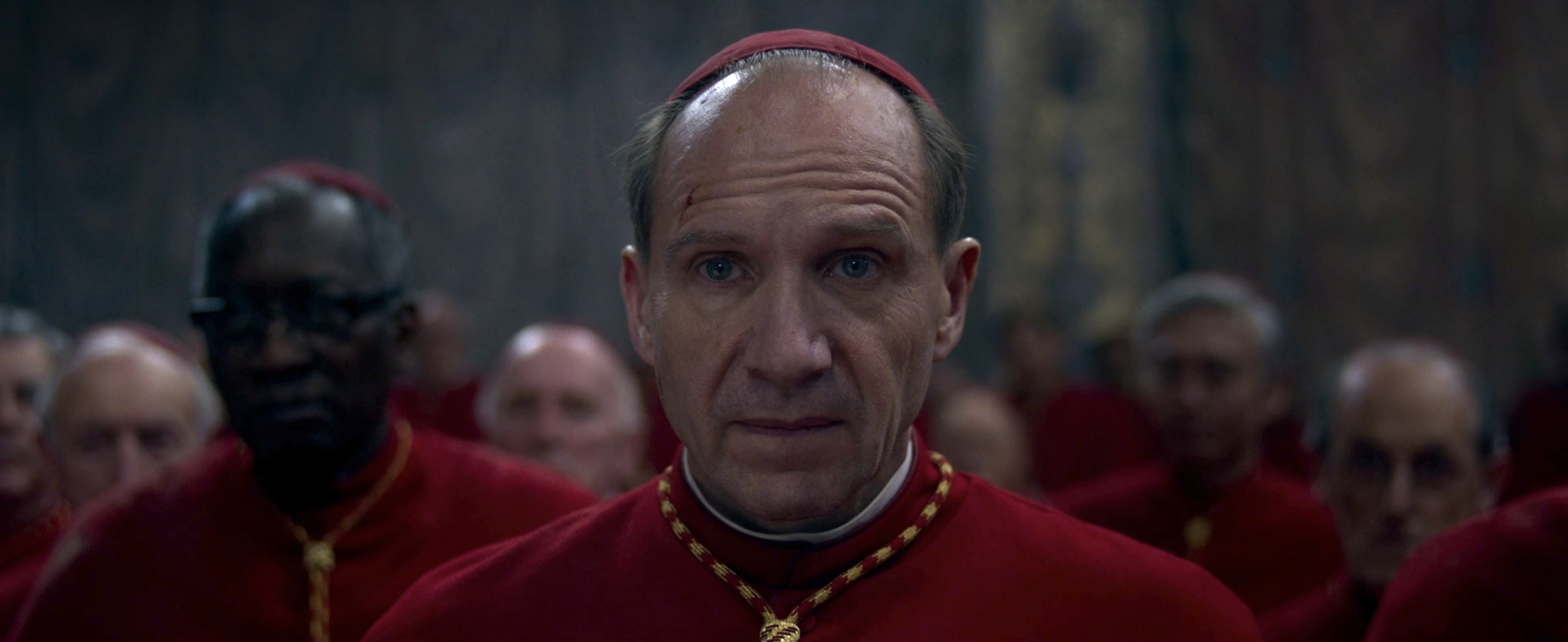
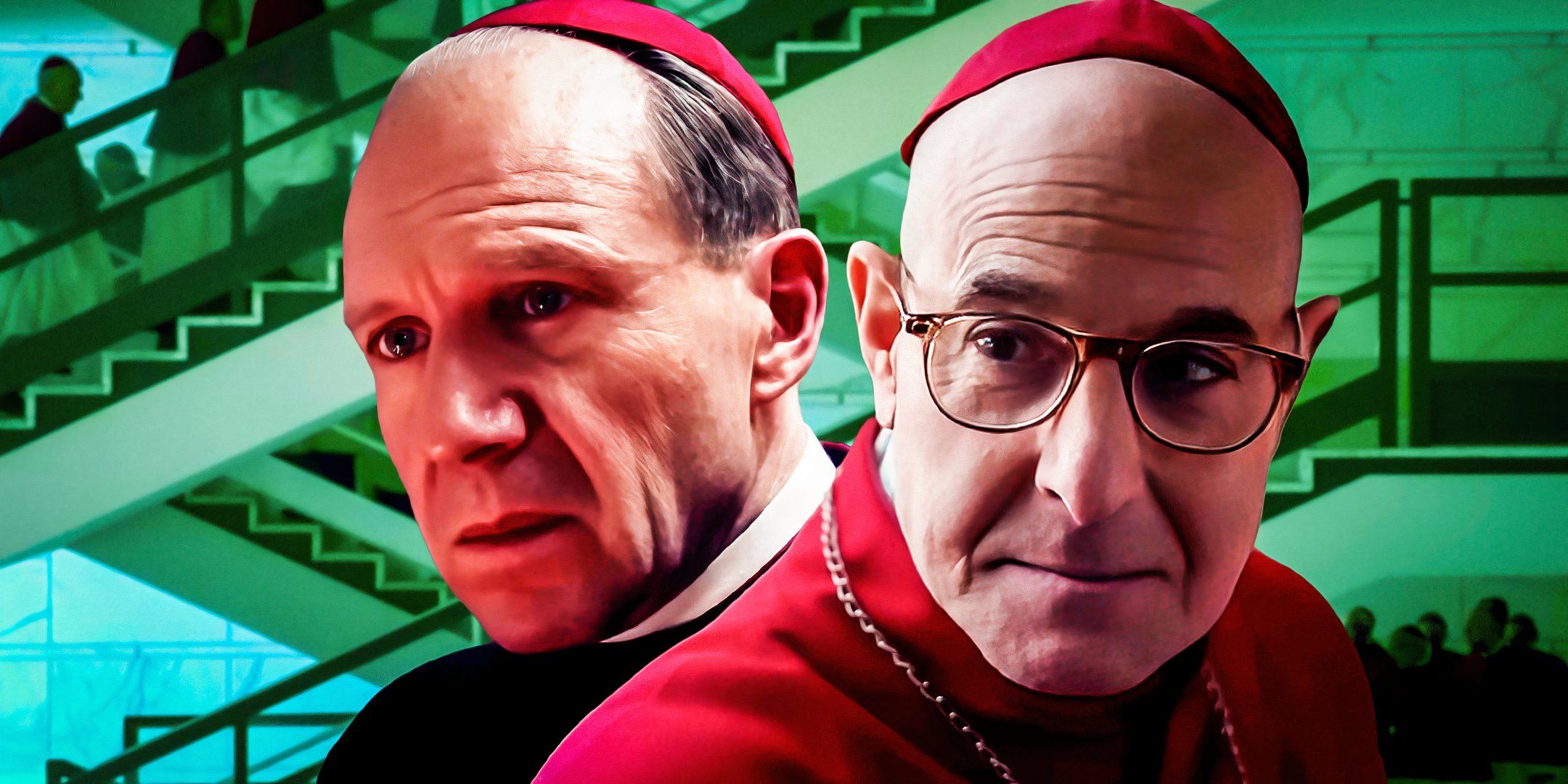
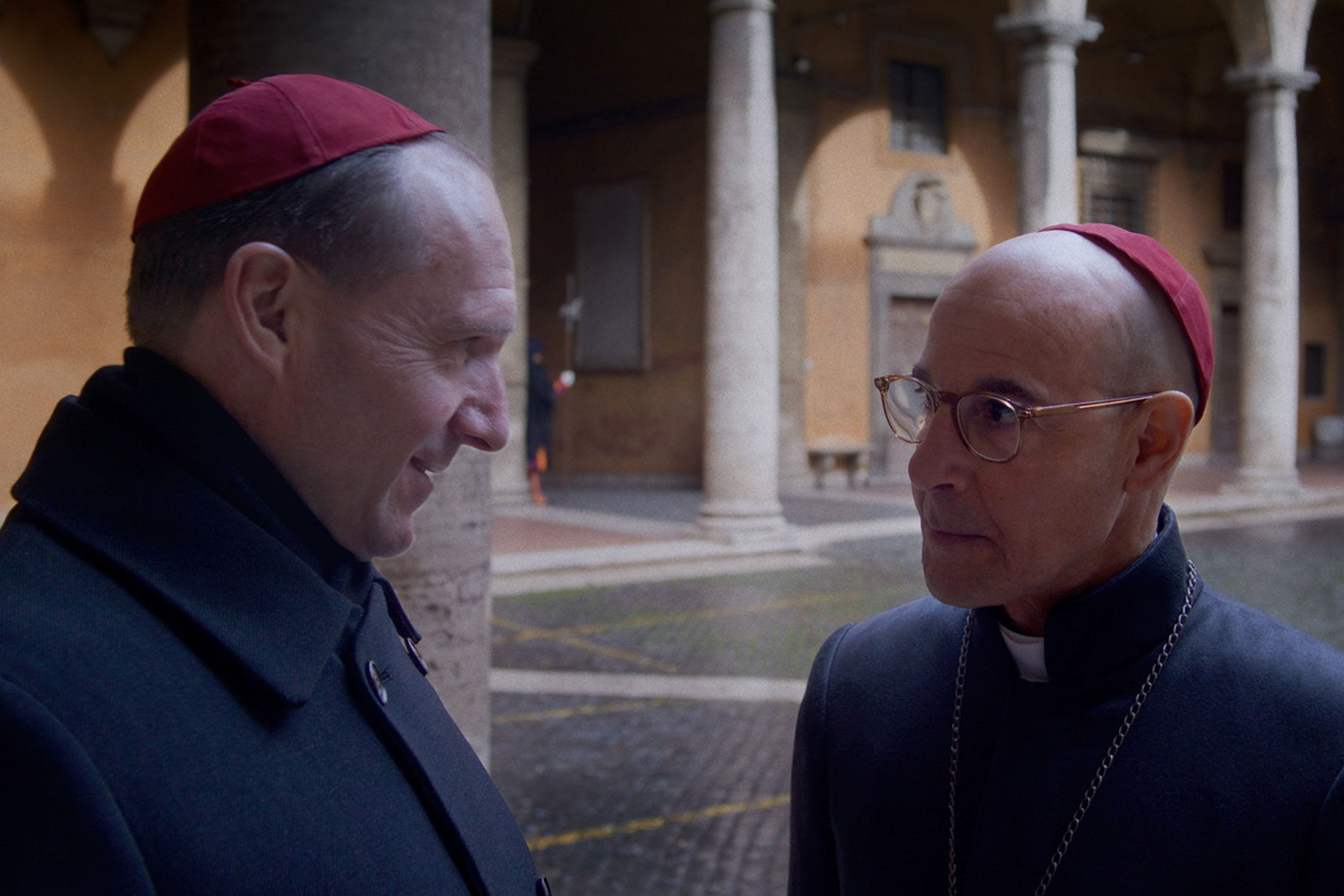
Cardinal Thomas Lawrence (Ralph Fiennes)
Cardinal Lawrence is the Dean of the College of Cardinals and the primary protagonist. He is tasked with overseeing the election process. His name, Thomas, often evokes associations with skepticism and deep contemplation—fitting for a character struggling with his own crisis of faith while attempting to maintain order among his peers.
Cardinal Bellini (Stanley Tucci)
Representing the progressive wing of the Church, Cardinal Bellini is a central figure in the ideological debate. His character is built on the premise of modernization. The name Bellini carries a sense of intellectual refinement, contrasting sharply with the more rigid, traditionalist characters in the film.
Cardinal Tedesco (Sergio Castellitto)
Tedesco serves as the leader of the traditionalist, conservative faction. His character is unapologetically focused on returning the Church to more dogmatic, historical roots. In the context of the film, his name serves to delineate his role as the primary adversary to the progressive movement led by Bellini.
Cardinal Tremblay (John Lithgow)
Tremblay represents the ambition and potential corruption that can plague even the highest offices of the Church. His storyline focuses on the hidden secrets that could disqualify a candidate from the papacy. His name carries a certain cold, calculated elegance that aligns with his maneuvers for power.
Cardinal Adeyemi (Lucian Msamati)
Cardinal Adeyemi is a powerful voice from the global Church, particularly representing the influence of the African continent. His entry into the candidacy highlights the international nature of the modern Catholic Church. His character represents the shift away from a strictly Eurocentric view of the papacy.
Character Dynamics and Factional Representation
The interaction between these characters is structured around the tension between their private lives and their public personas as "Princes of the Church." The film uses the names not merely as labels, but as markers for their political stance.
| Character | Factional Alignment | Primary Motivation |
|---|---|---|
| Cardinal Lawrence | Neutral / Mediator | Order and spiritual integrity |
| Cardinal Bellini | Progressive | Institutional reform |
| Cardinal Tedesco | Traditionalist | Restoration of doctrine |
| Cardinal Tremblay | Opportunist | Personal advancement |
| Cardinal Adeyemi | Globalist | Expanding the Church's reach |
These alignments are not static. As the film progresses, the secrets held by each cardinal are revealed through a series of "interrogations" and quiet conversations behind the scenes, forcing viewers to re-evaluate the names associated with the candidates.
Theological and Procedural Significance
The choice of names in the film reflects the diversity of the College of Cardinals. By assigning names that span different cultural and linguistic origins, the production emphasizes that the Church is a global institution. When the cardinals gather in the Sistine Chapel, the weight of their names carries the history of their respective regions and their personal ideological backgrounds.
The procedural aspects—such as the casting of votes, the smoke signals, and the sealing of the doors—are anchored by the actions of these specific men. The names become symbols of the human element within a process that is supposed to be guided by the Holy Spirit.
Frequently Asked Questions
Are the characters in the movie Conclave real cardinals?
No. The characters in Conclave are fictional inventions created by author Robert Harris and adapted for the screen by Peter Straughan. They are intended to represent the various political and theological spectrums within the real College of Cardinals rather than specific individuals.
Why do the characters change their names during the film?
While the characters themselves do not change their legal names, they often go by their ecclesiastical titles. The tension in the film comes from the transition from their individual, flawed humanity to the potential name they might take if elected Pope, which symbolizes a shedding of their former lives.
Does the film accurately reflect the Vatican's conclave process?
The film is widely regarded as a faithful depiction of the technical process, such as the Extra Omnes (all out) command, the ballot printing, and the burning of the ballots to produce smoke. However, the internal drama and the secrets revealed are fictionalized to create a high-stakes thriller atmosphere.
Who is the central character of the movie?
Cardinal Thomas Lawrence, played by Ralph Fiennes, is the central character. As the Dean of the College of Cardinals, he is the lens through which the audience experiences the claustrophobic and secretive atmosphere of the conclave.
What does the title Conclave refer to?
The title refers to the assembly itself, derived from the Latin cum clave, meaning "with a key." It refers to the fact that the cardinals are locked in the Sistine Chapel, disconnected from the outside world until they arrive at a decision for a new Pope.
Next Actions for Interested Viewers
For those interested in the historical and administrative reality behind the film, it is recommended to review the Universi Dominici Gregis, the apostolic constitution that governs the rules of the conclave. Comparing the fictionalized procedures in the film to these official Vatican regulations provides a deeper appreciation for how the screenwriter balanced cinematic tension with procedural accuracy. Furthermore, reading Robert Harris’s original novel offers additional nuance into the internal monologues of the characters, which are necessarily condensed for the runtime of a feature film.
Image Gallery