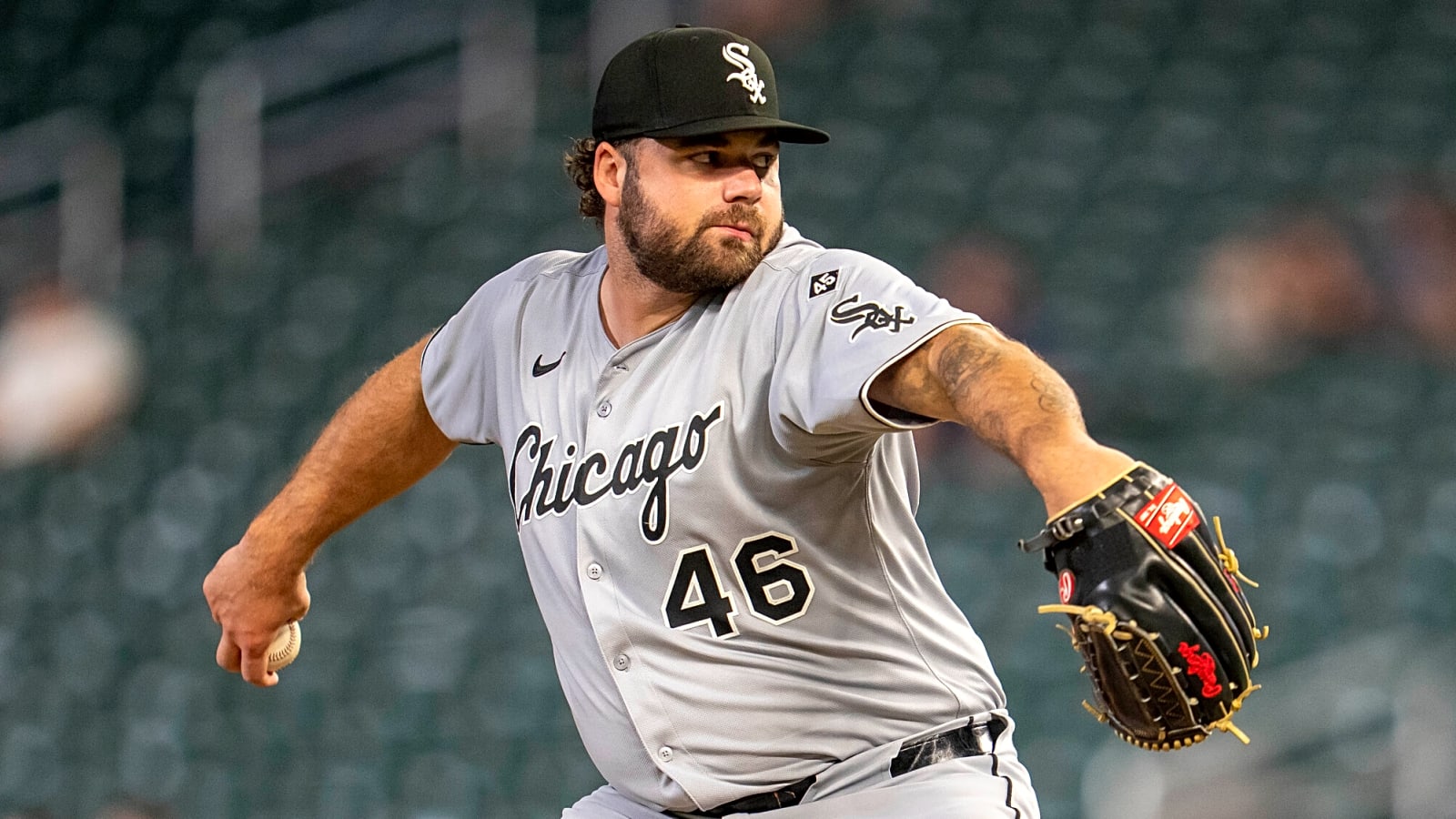
Chicago White Sox Sign Bryse Wilson to One-Year Deal: Analysis and Outlook
The Chicago White Sox have officially signed right-handed pitcher Bryse Wilson to a one-year, $2.825 million contract. This move provides the South Siders with a versatile "swingman" capable of filling a rotation spot or providing mult...
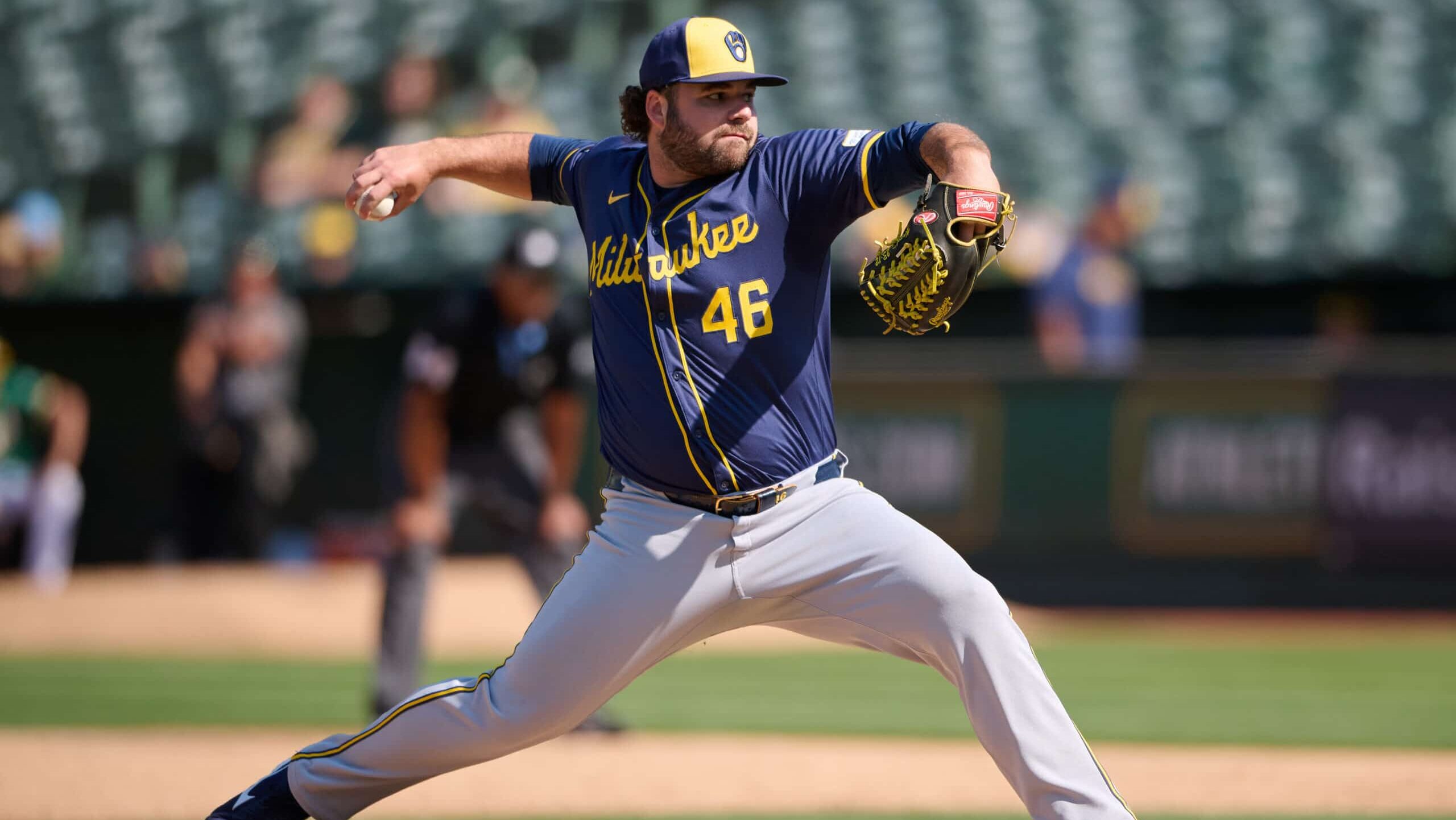
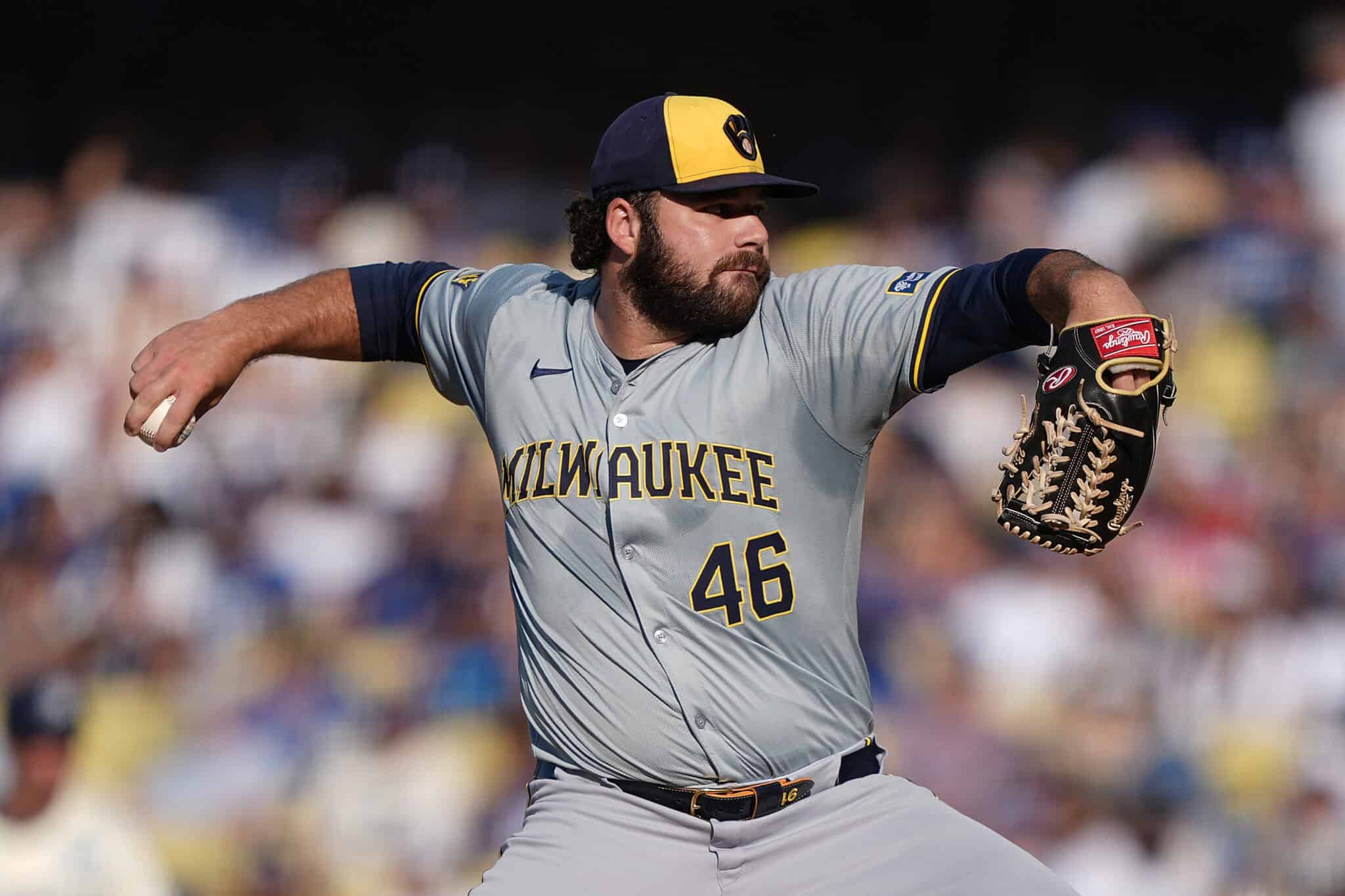
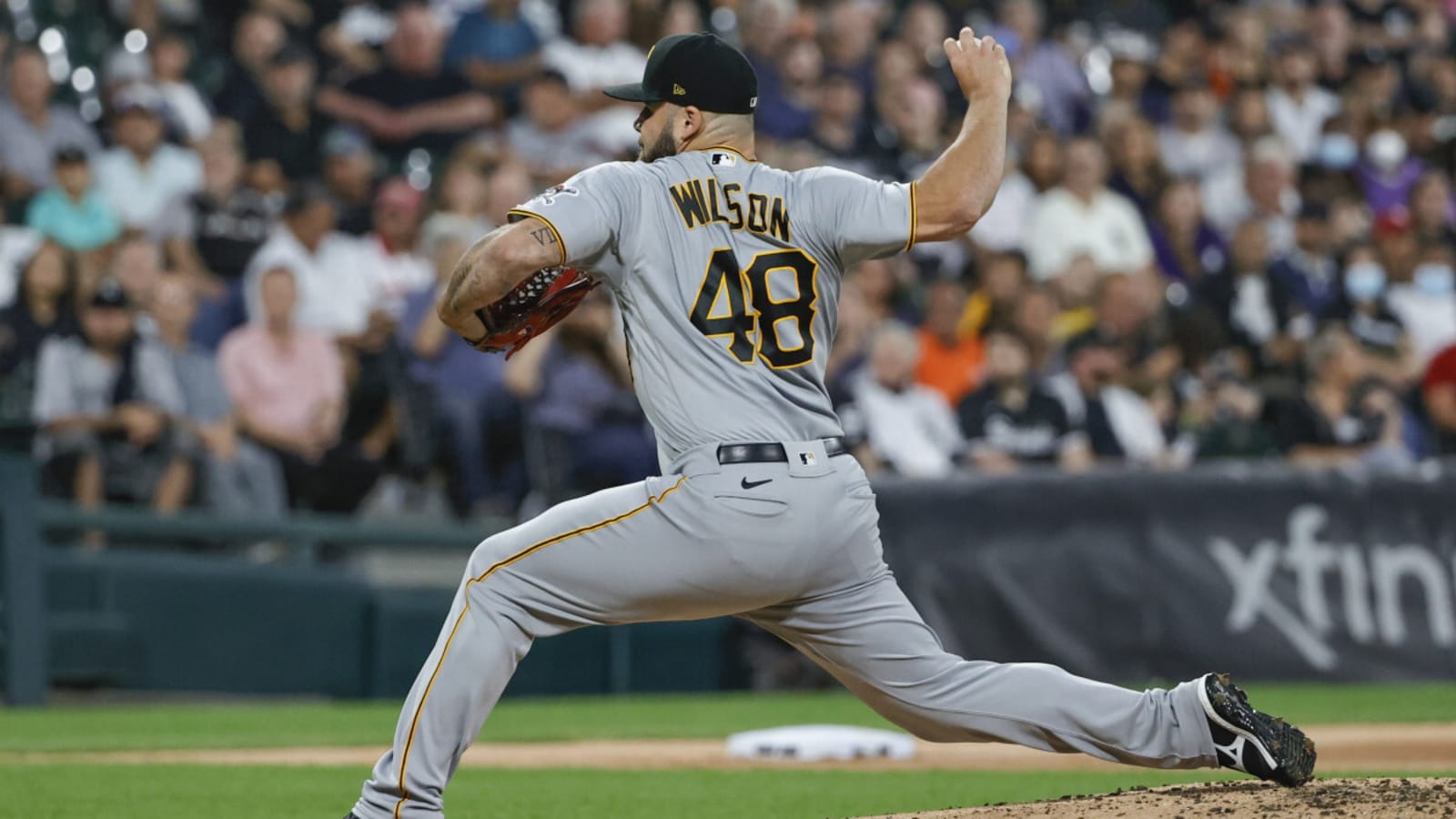
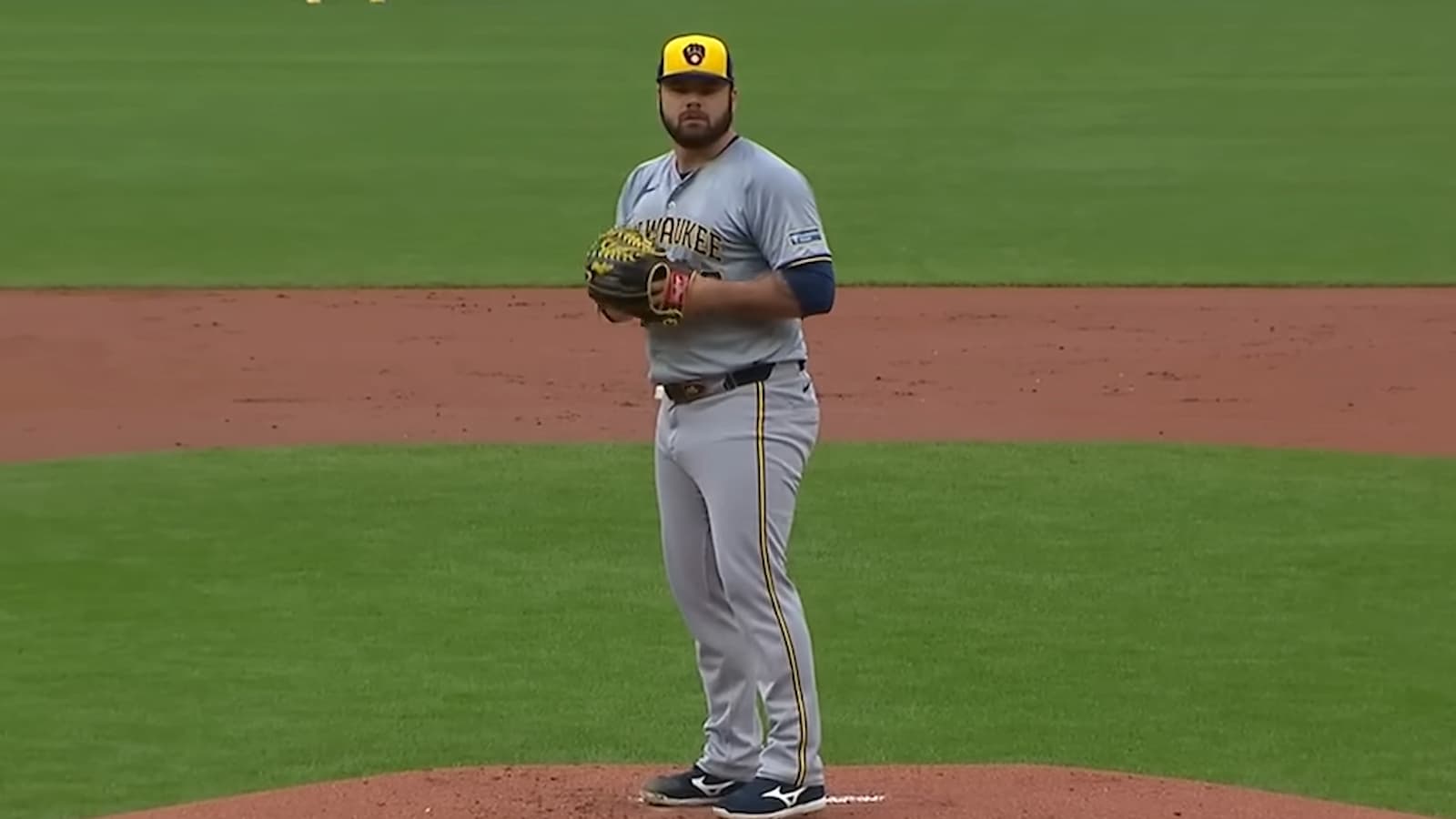
The Chicago White Sox have officially signed right-handed pitcher Bryse Wilson to a one-year, $2.825 million contract. This move provides the South Siders with a versatile "swingman" capable of filling a rotation spot or providing multi-inning stability in the bullpen. As the club navigates its developmental phase in 2026, Wilson offers much-needed reliability and veteran experience.
Contents
The acquisition of Bryse Wilson represents a calculated, low-risk move by General Manager Chris Getz. Following a period of significant roster turnover, the White Sox entered the 2025-2026 cycle with a desperate need for "innings eaters"—pitchers who can provide quality volume to protect a young and developing bullpen. Wilson, formerly of the Milwaukee Brewers, Pittsburgh Pirates, and Atlanta Braves, brings a profile that fits perfectly into the current White Sox ecosystem: he is durable, strike-zone oriented, and flexible in his usage.
The Strategic Importance of the One-Year Deal
In the landscape of Major League Baseball in 2026, the "bridge" contract has become a vital tool for rebuilding organizations. For the White Sox, signing Wilson to a one-year deal serves several primary functions. First, it addresses immediate depth concerns without tethering the team to long-term financial commitments that could impede future flexibility. Second, it creates a "flip" candidate; if Wilson performs well in the first half of the season, he becomes a valuable trade chip for a contending team looking for a versatile arm at the trade deadline.
From Wilson's perspective, Chicago offers an environment where he can maximize his innings. While the Brewers utilized him effectively in a hybrid role, the White Sox's current roster structure provides Wilson with a clearer path to a consistent starting role or high-leverage relief appearances. A successful year on the South Side could allow Wilson to test the free-agent market again in 2027 at age 29, potentially seeking a multi-year middle-rotation contract.
Analyzing Bryse Wilson’s Career Trajectory
To understand why the White Sox prioritized Wilson, one must look at his evolution from a high-upside Braves prospect to a refined MLB veteran. Wilson was a fourth-round pick by Atlanta in 2016 and made his MLB debut at just 20 years old. His early career was defined by the "post-hype" struggle often seen with young arms—flashes of brilliance, including a legendary performance in Game 4 of the 2020 NLCS against the Dodgers, tempered by inconsistent command.
His transition to the Pittsburgh Pirates and eventually the Milwaukee Brewers saw Wilson reinvent himself. He moved away from being a pure "power" pitcher and leaned into a more sophisticated pitch mix. In Milwaukee, he found his stride as a reliable swingman, posting a 4.04 ERA over 104.2 innings in 2024. His ability to move between the rotation and the bullpen without a drop-off in preparation or performance is his greatest professional asset.
Key Career Milestones
- 2018: Youngest pitcher to start a game for the Braves since 2003.
- 2020: Earned the win in the NLCS, allowing only one run over six innings against a powerhouse Dodgers lineup.
- 2023-2024: Established himself as a premier multi-inning reliever and spot starter for the NL Central champion Brewers.
Technical Breakdown: The Pitch Mix and Efficiency
Bryse Wilson is not a pitcher who relies on triple-digit velocity to overpower hitters. Instead, he utilizes a five-pitch arsenal designed to induce weak contact and maximize efficiency. For a team like the White Sox, playing in the hitter-friendly Guaranteed Rate Field, Wilson's ability to keep the ball in the park is paramount.
| Pitch Type | Average Velocity | Usage Rate (Approx.) | Primary Objective |
|---|---|---|---|
| Sinker | 92-94 MPH | 35% | Induce ground balls and early-count outs. |
| Cutter | 88-90 MPH | 25% | Jam left-handed hitters and generate soft fly balls. |
| Four-Seam Fastball | 93-95 MPH | 15% | High-zone elevation for strikeouts. |
| Changeup | 84-86 MPH | 15% | Keep hitters off-balance, particularly against LHBs. |
| Slider/Sweeper | 82-84 MPH | 10% | Deceptive movement away from right-handed hitters. |
Wilson’s sinker is the foundation of his success. By locating the sinker at the bottom of the strike zone, he forces hitters to put the ball on the ground, which benefits from the White Sox's focus on improving middle-infield defense. His cutter has also become a more prominent weapon, serving as a "bridge" pitch that prevents hitters from sitting on his fastball velocity.
Role on the 2026 Chicago White Sox
As we progress through the 2026 season, Wilson’s role is expected to be fluid. The White Sox rotation currently features young stalwarts and prospects who may face innings restrictions. Wilson serves as the ultimate insurance policy.
The Starter Role
If injuries strike the front of the rotation, Wilson can step in as a traditional #4 or #5 starter. His experience allows him to navigate a lineup three times, a rarity for many modern pitchers who are capped at two trips through the order. He provides "quality starts" potential, which is essential for preserving a bullpen over a 162-game season.
The Long Relief Role
In games where a young starter exits early, Wilson is the preferred option to "eat" three to four innings. This prevents the manager from having to burn through four different high-leverage relievers in a single night. This "bridge" role is often underappreciated but is vital for maintaining the health of the entire pitching staff.
The Economic Impact and Roster Construction
The $2.825 million salary is a modest figure in the 2026 MLB economy. By comparison, top-tier starters are commanding upwards of $30 million annually, and even mid-level relievers often secure $5-8 million. This deal allows the White Sox to allocate their remaining budget toward offensive reinforcements and international scouting.
Wilson was added to the 40-man roster immediately, necessitating a corresponding move. This highlights the team's commitment to prioritizing proven MLB experience over fringe prospects who have struggled to translate minor-league success to the big-league level. The White Sox front office has been clear that 2026 is about "raising the floor" of the organization, and Wilson is a quintessential floor-raising acquisition.
Addressing Potential Risks and Limitations
While the signing is largely viewed as a positive, it is not without risks. Wilson’s profile as a contact-oriented pitcher means that he is occasionally susceptible to high BABIP (Batting Average on Balls In Play). If the White Sox defense suffers a lapse in performance, Wilson’s ERA could inflate, regardless of his individual execution.
Furthermore, his strikeout rates (K%) are typically below the league average. In the modern game, the inability to "miss bats" in high-leverage situations can be a liability. To mitigate this, the White Sox coaching staff will likely work with Wilson to further refine his sweeper or changeup to provide a more consistent "out pitch" when he finds himself in deep counts.
Integration into the White Sox Pitching Lab
The White Sox have invested heavily in their "Pitching Lab" technology and coaching staff over the last two years. Wilson, a veteran who has already shown a willingness to adapt his repertoire, is an ideal candidate for this data-driven approach.
The focus will likely be on:
- Vertical Break Optimization: Maximizing the "rise" on his four-seamer to make it more effective when paired with the sinker.
- Tunneling: Ensuring his cutter and sinker look identical to the hitter for as long as possible before diverging.
- Workload Management: Monitoring his recovery times to ensure he remains effective whether he is pitching once every five days or three times a week.
Comparison with Recent Depth Signings
To put the Bryse Wilson signing into context, it is helpful to compare him with previous White Sox acquisitions of a similar profile.
- Erick Fedde (2024): Fedde was a massive success, reinventing himself in Korea before returning to the MLB with the White Sox. Wilson follows a similar path of "reinvention," though he remained in the MLB throughout his development.
- Chris Flexen (2024): Flexen provided veteran stability but lacked the multi-inning relief flexibility that Wilson offers.
- Michael Soroka (2024): A high-upside play that was hampered by injury history. Wilson carries significantly less injury risk than Soroka did at the time of his signing.
Frequently Asked Questions
Why did the White Sox sign Bryse Wilson instead of a higher-priced starter?
The White Sox are currently in a phase where they are prioritizing financial flexibility and the development of internal pitching prospects. Signing a high-priced veteran to a multi-year deal could block the path for young arms like Noah Schultz or Hagen Smith. Wilson provides a veteran "stopgap" who can perform well without a long-term commitment.
Is Bryse Wilson expected to be in the Opening Day rotation?
While the rotation is not finalized, Wilson is expected to compete for the #5 starter spot during Spring Training. However, his most valuable contribution may come as a "super-utility" pitcher who begins the season in the bullpen but makes 10-15 spot starts throughout the year.
What happened to Bryse Wilson in Milwaukee?
Wilson was a productive member of the Brewers' staff, but Milwaukee’s deep farm system and specific roster needs led them to let him reach free agency. His departure was more a result of Milwaukee's "churn-and-burn" pitching strategy than a reflection of poor performance.
Does this signing signal that the White Sox are trying to win now?
It signals that the White Sox are trying to be competitive and professional. While they may not be favorites for the World Series in 2026, the organization is moving away from the "extreme rebuild" phase and into a period where they want to field a competent MLB product while their top prospects finish their development.
How does Wilson’s contract affect the White Sox luxury tax position?
The White Sox are well below the Competitive Balance Tax (CBT) threshold. Wilson’s $2.825 million salary is a negligible hit to their payroll and has no impact on their long-term tax considerations.
Final Recommendation
The signing of Bryse Wilson is a textbook example of a "smart" baseball move for a team in the White Sox's position. For fans and analysts, the expectation should be clear: Wilson is here to provide stability, log innings, and serve as a professional bridge to the next generation of Chicago pitching.
Watch for Wilson's early-season usage. If he is utilized heavily in the first two months, it indicates the coaching staff trusts his durability. For those following the team's trajectory, Wilson’s performance will be a bellwether for the overall health and competence of the 2026 pitching staff. Moving forward, expect the White Sox to continue scouring the market for similar high-floor, low-cost veterans to round out the roster.
Image Gallery