Nueces County CAD Guide: Property Search, Tax Appraisals, and Protests (2026)
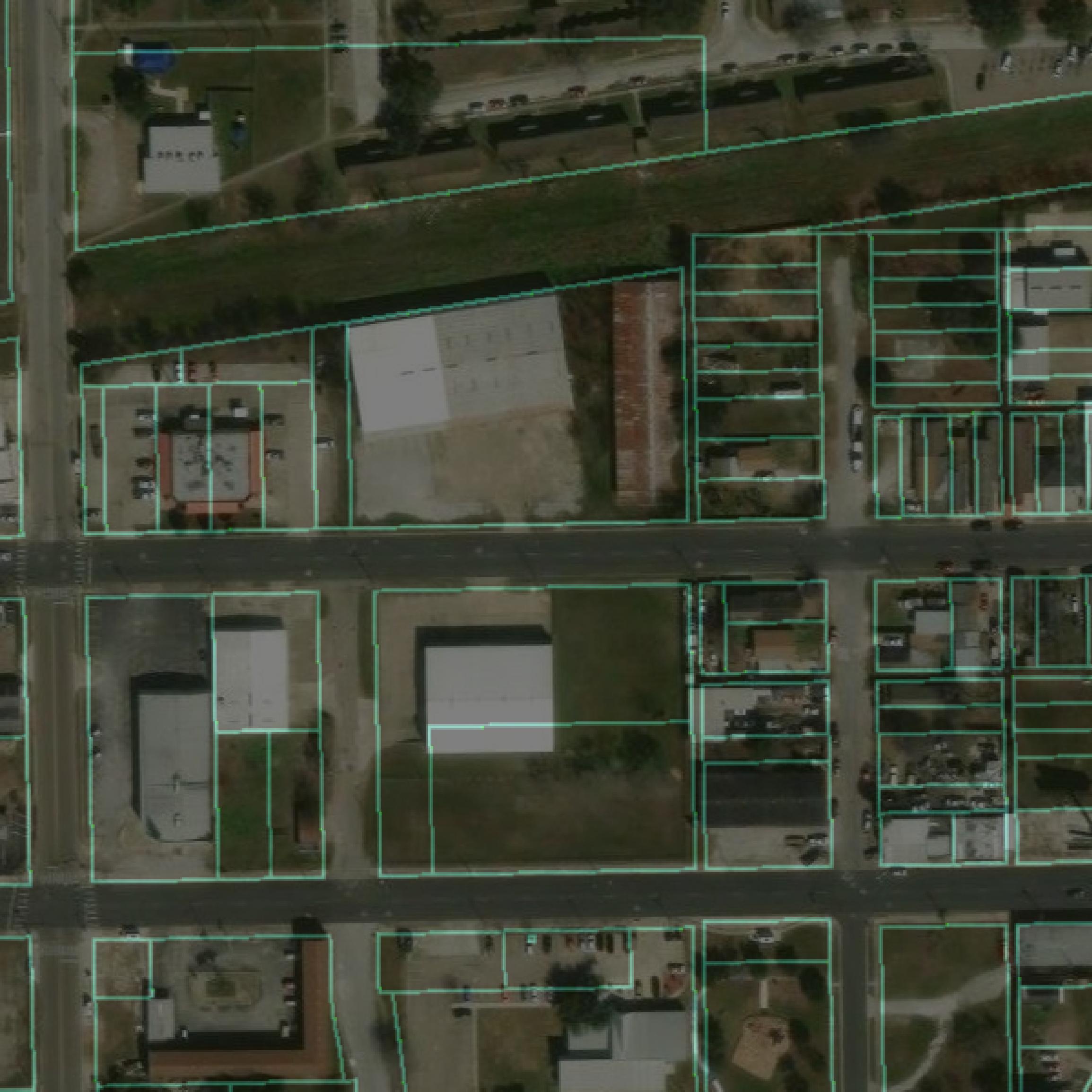
The Nueces County Appraisal District (Nueces County CAD) is the local government agency responsible for identifying, valuing, and mapping all real estate and personal property within Nueces County, Texas. Operating out of Corpus Christ...
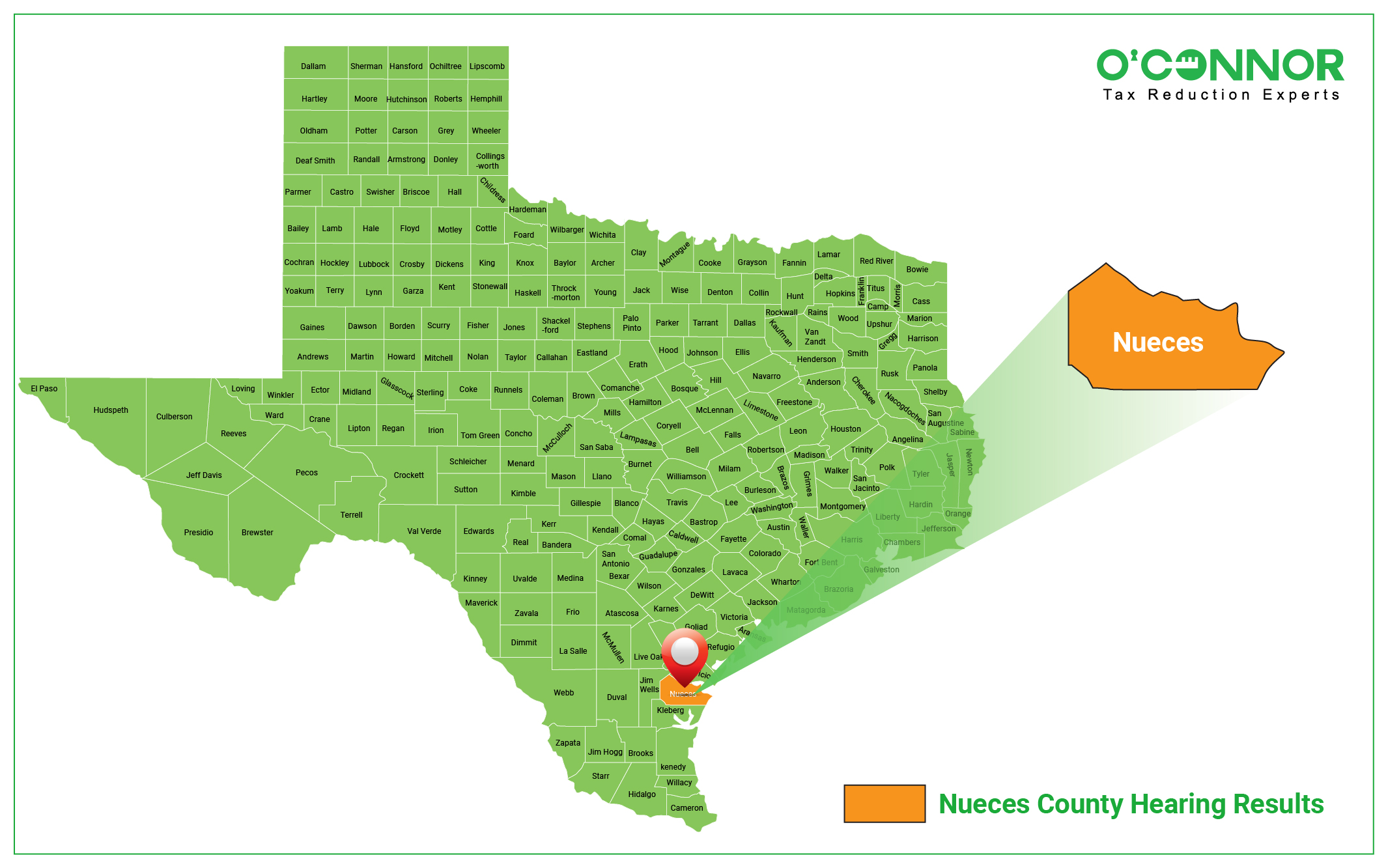
The Nueces County Appraisal District (Nueces County CAD) is the local government agency responsible for identifying, valuing, and mapping all real estate and personal property within Nueces County, Texas. Operating out of Corpus Christi, the district establishes market valuations that local taxing units—such as school districts, cities, and emergency service districts—use to set annual property tax assessments.
Contents
Understanding the Role of Nueces County Appraisal District
The Nueces County Appraisal District operates independently from the taxing units it serves. A common area of confusion for Texas property owners is the difference between the appraisal district and the county tax assessor-collector.
- Appraisal District (Nueces CAD): Responsible solely for identifying property, establishing fair market value, managing property records, and administering exemptions (e.g., homestead, senior, disabled veteran). Nueces CAD does not set tax rates, send tax bills, or collect tax payments.
- Tax Assessor-Collector (Nueces County Tax Office): Takes the final certified values provided by Nueces CAD, applies the tax rates established by local school boards and city councils, issues official property tax bills, and collects payments.
Nueces CAD administers property records across cities and communities throughout the county, including Corpus Christi, Port Aransas, Robstown, Agua Dulce, Bishop, Driscoll, and Calallen.
DO NOT WRITE ASCII ART OR CODE BLOCKS - CHECKED
(Self-check: Correcting formatting to ensure strict compliance—no ASCII art or code tags).
Texas Tax Law Framework Property appraisals in Texas are governed strictly by the Texas Tax Code and monitored by the Texas Comptroller of Public Accounts Property Tax Division. Every property in Nueces County must be appraised at its fair market value as of January 1 of each tax year.
How to Conduct a Nueces County Property Search
Property owners, prospective buyers, real estate agents, and title companies can access public tax records directly through the online Nueces CAD property search system.
Information Required for Searching
You can locate property records using several search identifiers:
- Property Owner Name: Enter the current legal owner's last name followed by the first name.
- Situs Address: Search by the physical street address of the parcel (e.g., street number and street name in Corpus Christi or Port Aransas).
- Property Identification Number (Quick Ref ID / Account ID): A unique numerical code assigned to every real property parcel or business personal property account.
- Geographic Identification Number (Geo ID): A long-format parcel code used primarily for legal mapping and survey tracking.
Interpreting Your Property Account Card
Once an account record is opened, the property data card displays critical information required for property tax verification:
- Land Value: The appraised market value of the raw land parcel.
- Improvement Value: The appraised value of all permanent structures built on the land (houses, garages, commercial buildings).
- Market Value: The sum of the land value and improvement value.
- Appraised Value: The taxable valuation after applying homestead caps or other statutory limitations.
- Exemption Codes: Identifies active tax relief options, such as General Homestead (HS), Over-65 (OV65), or Disabled Veteran (DV).
- Jurisdiction List: Details every specific taxing entity (Corpus Christi ISD, City of Corpus Christi, Nueces County Hospital District, Del Mar College) levying tax against the parcel.
Key Texas Property Tax Exemptions for Nueces County Residents
Filing for property tax exemptions is one of the most effective ways to lower your taxable property value in Nueces County. Under Texas law, exemptions reduce the portion of your property’s value that is subject to taxation.
1. General Residence Homestead Exemption
To qualify for a homestead exemption in Nueces County, you must own and occupy the property as your primary residence on January 1 of the tax year.
- School District Exemption: Standard Texas homestead exemptions mandate a $100,000 deduction from your home’s appraised value for school district taxes.
- The 10% Homestead Value Cap: Under Section 23.23 of the Texas Tax Code, an active homestead exemption caps the annual increase of your property’s appraised taxable value to no more than 10% per year, plus the market value of any new improvements added.
2. Over-65 and Disability Exemptions
Homeowners who are 65 years of age or older, or individuals who meet the Social Security Administration's definition of total disability, qualify for an additional homestead exemption.
- Tax Ceiling (School Tax Freeze): Qualifying for an Over-65 or Disability exemption establishes a mandatory "tax ceiling" or tax cap on your school district property taxes. The total dollar amount you pay for school taxes will not increase above the amount paid in the year you qualified, provided you do not make significant structural improvements to the home.
3. Disabled Veteran Exemptions
Texas offers tiered property tax exemptions for military veterans with service-connected disabilities certified by the U.S. Department of Veterans Affairs (VA):
- 10% to 90% Disability Rating: Entitles the veteran to a partial exemption scaled according to the disability rating percentage.
- 100% Total and Permanent Disability: Veterans with a 100% service-connected total disability rating or individual unemployability status receive a 100% exemption from all property taxes on their primary residence. Surviving spouses may also qualify if eligibility criteria are met.
Summary of Nueces County CAD Exemptions and Deadlines
| Exemption Type | Eligibility Criteria | Primary Benefit | Application Deadline |
|---|---|---|---|
| General Homestead | Owner-occupied primary residence as of January 1 | $100,000 school tax reduction + 10% annual cap on appraised value | April 30 (Late filings accepted up to 2 years) |
| Over-65 Exemption | Owner-occupied primary residence; age 65 or older | Additional value reduction + permanent ceiling on school property taxes | Any time during the birth year (retroactive up to 1 year) |
| Disabled Person | Qualifies for Disability benefits under Federal Old-Age/Survivors Insurance | Additional value reduction + permanent ceiling on school property taxes | April 30 (Late filings accepted up to 1 year) |
| 100% Disabled Veteran | 100% service-connected disability or unemployable status from VA | 100% exemption from all property taxes on primary residence | April 30 (Late filings accepted up to 5 years) |
| Business Personal Property (BPP) | Tangible property used for income generation | Assesses commercial inventory, furniture, and fixtures | Rendering deadline: April 15 |
How to Protest Your Property Value with Nueces CAD
If you believe the market value assigned to your property by Nueces CAD is higher than fair market value, or if your property is appraised unequally compared to similar properties in your neighborhood, you have the legal right to file a formal tax protest.
Step 1: Review Your Notice of Appraised Value
Nueces CAD typically mails out Notices of Appraised Value in mid-to-late April. Review this document carefully. Check both the total market value and the listed property features (square footage, bathroom count, age, and quality of construction).
Step 2: Observe the Legal Protest Deadline
Under Texas Tax Code Section 41.44, the strict statutory deadline to file a protest with Nueces CAD is May 15, or 30 days after the Notice of Appraised Value was mailed, whichever date is later. Missing this deadline generally forfeits your right to protest for the current tax year.
Step 3: Choose Your Filing Method
You can submit your protest using one of three primary methods:
- eFile Online Portal: Log in to the official Nueces CAD online portal using the property PIN printed on your appraisal notice. Submit evidence, track status, and view settlement offers digitally.
- Form 50-132 (Notice of Protest): Download and complete standard Texas Comptroller Form 50-132, check the appropriate boxes (e.g., "Value is over market value" and "Value is unequal compared to other properties"), and mail it to Nueces CAD.
- In-Person Filing: Hand-deliver your written protest form directly to the Nueces CAD office located at 201 N. Chaparral St, Corpus Christi, TX 78401.
Step 4: Gather Supporting Evidence
Successful protests require factual, objective evidence demonstrating that the district's appraisal is incorrect. Key evidence types include:
- Comparable Sales Data (Comps): Recent sales of similar properties in your immediate neighborhood that sold for less than your appraised value close to January 1.
- Unequal Appraisal Evidence: A schedule of comparable homes showing that neighboring properties with similar square footage and condition are valued significantly lower per square foot.
- Independent Fee Appraisals: An independent appraisal report completed by a licensed Texas real estate appraiser within the last 12 months.
- Property Damage and Repair Estimates: Written contractor estimates, photographs, and repair invoices detailing structural defects, foundation issues, roof leaks, or flooding damage that lower the market value.
- Closing Settlement Statement: If you purchased the property within the preceding calendar year, your HUD-1 or Closing Disclosure showing the actual purchase price is strong evidence of market value.
Step 5: Informal Meeting with a Staff Appraiser
After filing, Nueces CAD will typically offer an informal meeting with a district appraiser. During this session, you present your evidence. If the staff appraiser agrees that an adjustment is justified, they will offer a settlement agreement (Form 810). If you sign the agreement, the protest is resolved, and the value is finalized.
Step 6: Formal Hearing Before the Appraisal Review Board (ARB)
If an agreement cannot be reached during the informal meeting, your protest proceeds to a formal hearing before the Nueces County Appraisal Review Board (ARB). The ARB is an independent panel of citizens appointed to hear property owner disputes.
At the ARB hearing:
- Both you and the Nueces CAD staff appraiser present evidence under oath.
- Each side is typically given 10–15 minutes to present their arguments.
- The ARB panel deliberates in the room and votes immediately on a final valuation determination.
Further Legal Appeals Beyond the ARB
If you disagree with the determination issued by the Nueces County ARB, you have legal remedies available under Texas law:
- Binding Arbitration: Property owners of residential properties or any property valued at $5 million or less may request binding arbitration by filing Form AP-219 with the appraisal district within 60 days of receiving the ARB's final order. A neutral third-party arbitrator reviews the case, and their decision is final.
- State Office of Administrative Hearings (SOAH): Available for property owners disputing real or personal property values above certain statutory thresholds.
- District Court Lawsuit: Property owners have the right to file a civil lawsuit against Nueces CAD in Nueces County District Court within 60 days of receiving the ARB determination notice.
Frequently Asked Questions About Nueces County CAD
What is the primary purpose of the Nueces County Appraisal District?
Nueces CAD establishes the fair market value for all real and personal property within Nueces County as of January 1 each year. Local taxing units use these valuations to calculate annual property tax bills.
What is the deadline to file a property tax protest in Nueces County?
The standard deadline to file a protest is May 15, or 30 days after Nueces CAD mails your Notice of Appraised Value, whichever date is later.
How does the 10% homestead cap work in Texas?
For properties with an active Residence Homestead Exemption, the 10% cap limits the annual increase of your property’s taxable appraised value to no more than 10% over the previous year's value, plus the value of new structural improvements.
Is the market value on my Nueces CAD notice the exact amount I will be taxed on?
Not necessarily. You are taxed on your property's taxable value (Appraised Value minus qualified Exemptions), which can be significantly lower than the Market Value if you qualify for a homestead cap, senior exemption, or disabled veteran exemption.
Can I file my Nueces County CAD protest online?
Yes. Nueces CAD provides an online eFile portal where property owners can file Form 50-132, upload photographs or repair estimates, communicate with staff appraisers, and accept or reject informal settlement offers.
Strategic Recommendations for Nueces County Property Owners
To manage your property tax obligations in Nueces County, follow these steps:
- Verify Your Homestead Status: Check the online parcel search annually to ensure all qualifying exemptions (Residence Homestead, Over-65, Disabled Veteran) are active on your account card.
- Gather Evidence Early: If planning to protest, begin documenting property defects, gathering contractor estimates, and reviewing local neighborhood sales data well before the May 15 deadline.
- Utilize the eFile Portal: Submitting protests electronically ensures immediate confirmation, avoids postal delays, and streamlines communication during the informal review phase.
- Review Ag and Timber Valuations: Owners of rural or agricultural land in outer Nueces County (e.g., Robstown or Bishop) should ensure special productivity appraisals under Chapter 23 of the Texas Tax Code are current to prevent rollbacks.
Nueces County Appraisal District Contact Information
- Physical & Mailing Address: 201 N. Chaparral St, Corpus Christi, TX 78401
- Phone Number: (361) 881-9978
- Jurisdiction: Nueces County, Texas (Corpus Christi, Port Aransas, Robstown, Calallen, Bishop)
Image Gallery