Understanding Rio de Janeiro: The Second Largest City in Brazil
Rio de Janeiro is the second-largest city in Brazil, following São Paulo in both population and economic output. As of 2026, it remains a primary global destination and a critical financial hub, anchoring a metropolitan area of over 13...
Rio de Janeiro is the second-largest city in Brazil, following São Paulo in both population and economic output. As of 2026, it remains a primary global destination and a critical financial hub, anchoring a metropolitan area of over 13 million people while serving as the nation’s cultural and energy capital.
Contents
While São Paulo holds the title of the largest metropolis in Brazil, Rio de Janeiro maintains a unique position in the Brazilian hierarchy. It is the capital of the State of Rio de Janeiro and was the capital of Brazil for nearly two centuries (1763–1960) before the seat of government moved to Brasília. Today, the city is a complex tapestry of high-density urban living, breathtaking natural landscapes, and a robust industrial sector dominated by oil, gas, and telecommunications.
Demographic Profile and Population Dynamics
As we look at the urban landscape in 2026, the city of Rio de Janeiro houses approximately 6.7 million residents within its municipal boundaries. However, focusing solely on the city limits ignores the broader "Greater Rio" (Região Metropolitana do Rio de Janeiro), which encompasses 22 municipalities and serves as the second-largest urban agglomeration in South America.
The demographic makeup of Rio is a reflection of centuries of migration and colonial history. The population is characterized by a high degree of ethnic diversity, resulting from the convergence of European descendants (primarily Portuguese), Afro-Brazilians, and indigenous influences. This diversity is not just a statistical fact but the foundation of the city’s world-renowned cultural output, from Samba to Bossa Nova.
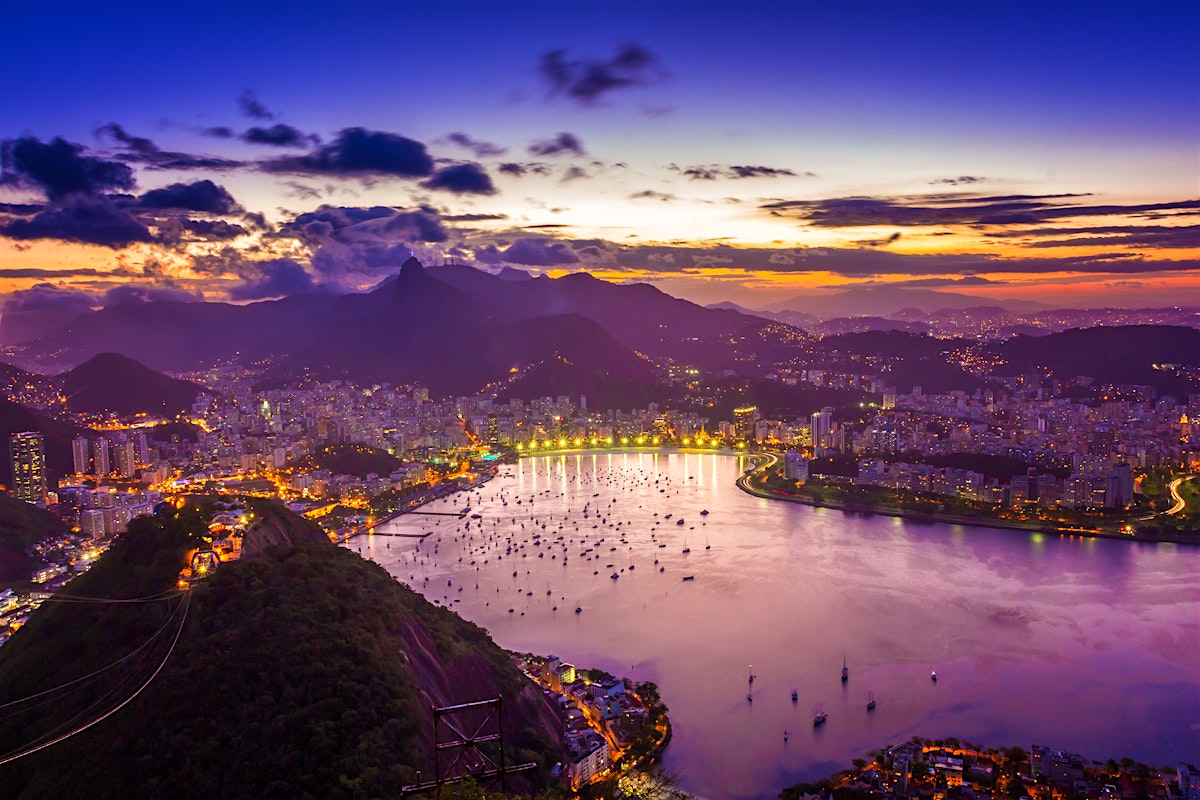
Population density in Rio is particularly challenging due to its unique geography. Unlike São Paulo, which sits on a plateau, Rio is squeezed between the Atlantic Ocean and steep granite mountains. This has led to intense verticalization in neighborhoods like Copacabana and Ipanema, while also giving rise to the expansion of the West Zone (Zona Oeste), which has seen the most significant demographic growth over the last decade.
The Economic Engine: Beyond Tourism
While the "Marvelous City" is synonymous with leisure, its economic contributions to Brazil are profound. Rio de Janeiro generates the second-highest GDP of any Brazilian city. By 2026, the city has solidified its status as the Energy Capital of Brazil.
The Oil and Gas Sector
Rio de Janeiro is the headquarters for Petrobras, the state-owned petroleum multinational. The city serves as the administrative and logistical nerve center for the Pre-Salt layers, the massive offshore oil reserves that have transformed Brazil’s energy profile. Most international energy firms, such as Shell, Equinor, and TotalEnergies, maintain their Brazilian headquarters in Rio to be near the National Agency of Petroleum, Natural Gas and Biofuels (ANP).
Services and Media
The city is the heart of Brazil’s entertainment and media industry. Grupo Globo, the largest media conglomerate in Latin America, is based here. This concentration of media talent makes Rio the primary exporter of Brazilian culture via "telenovelas" and news broadcasts. Furthermore, the city has a strong financial services sector, particularly in investment banking and insurance, bolstered by the presence of the Brazilian Development Bank (BNDES).
Research and Technology
Rio is home to some of the most prestigious research institutions in Latin America. The Federal University of Rio de Janeiro (UFRJ) and the Oswaldo Cruz Foundation (Fiocruz) are leaders in innovation and public health. In 2026, the city’s growing tech scene, often referred to as "Porto Maravilha" in the revitalized port area, continues to attract startups focusing on logistics and energy-tech.
Urban Geography and the Four Main Zones
Navigating the second largest city in Brazil requires understanding its division into four distinct zones, each with its own socioeconomic and architectural identity.
- Centro (Central Zone): This is the historic and financial heart of the city. It contains colonial landmarks like the Paço Imperial alongside modern skyscrapers. The ongoing revitalization of the port area has introduced the "Museum of Tomorrow" and improved light rail transit (VLT).
- Zona Sul (South Zone): This is the most famous region, containing the iconic beaches of Copacabana, Ipanema, and Leblon. It is the wealthiest part of the city and the primary hub for the international tourism industry.
- Zona Norte (North Zone): A traditional residential and industrial area, the North Zone is home to the Maracanã Stadium and many of the city’s most famous Samba schools. It is a vital area for the city's middle and working classes.
- Zona Oeste (West Zone): The fastest-growing region, encompassing the affluent, Miami-style suburb of Barra da Tijuca and larger, more distant residential districts. It features expansive shopping malls and served as the primary site for the 2016 Olympic Games.
Comparative Overview: Rio de Janeiro vs. São Paulo
To understand Rio's scale, it is helpful to compare it with Brazil's largest city, São Paulo.
| Feature | Rio de Janeiro | São Paulo |
|---|---|---|
| Primary Economic Focus | Energy, Media, Tourism | Finance, Tech, Manufacturing |
| Geography | Coastal with Mountains | Inland Plateau |
| Main Airport | Galeão (GIG) / Santos Dumont (SDU) | Guarulhos (GRU) / Congonhas (CGH) |
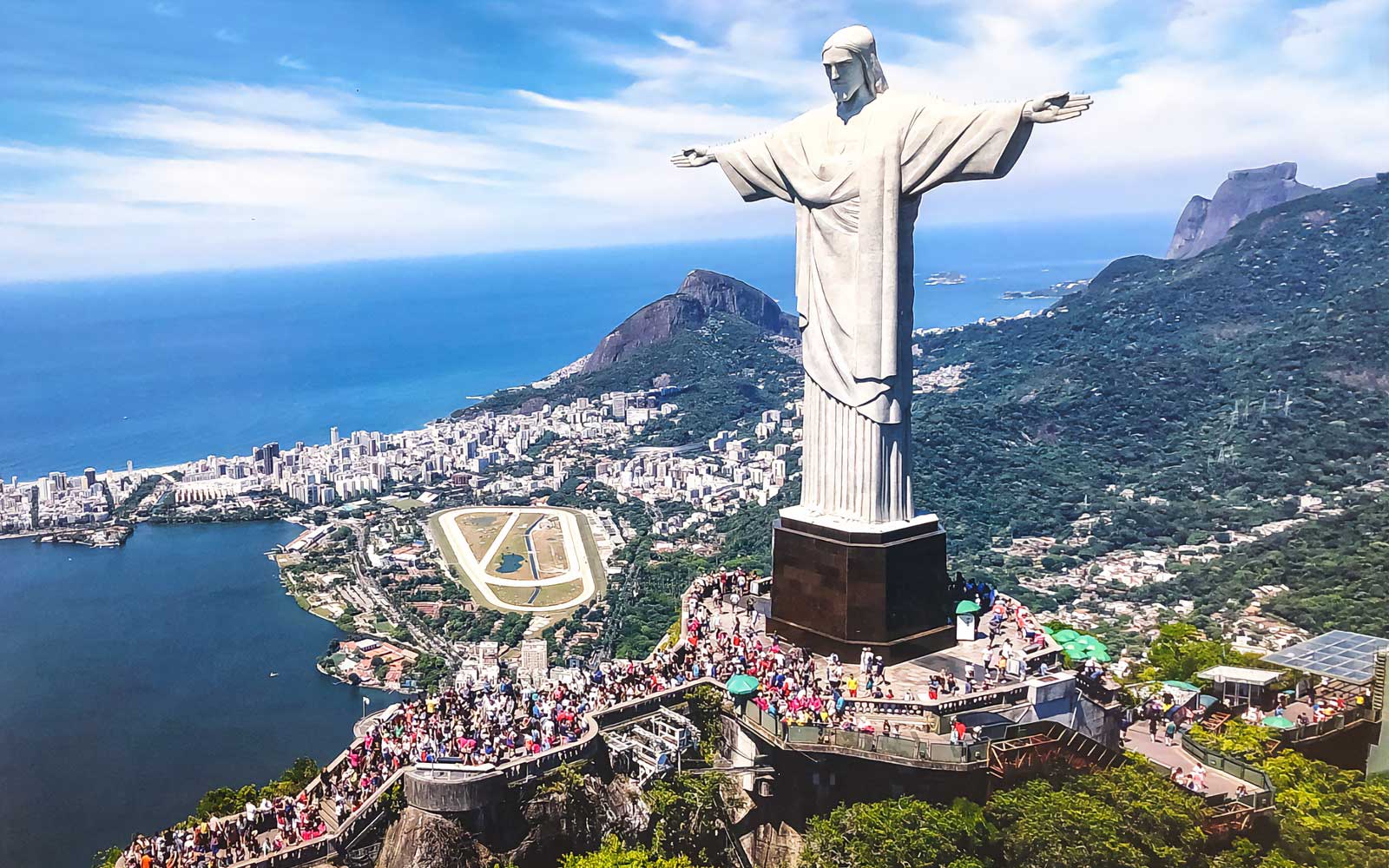
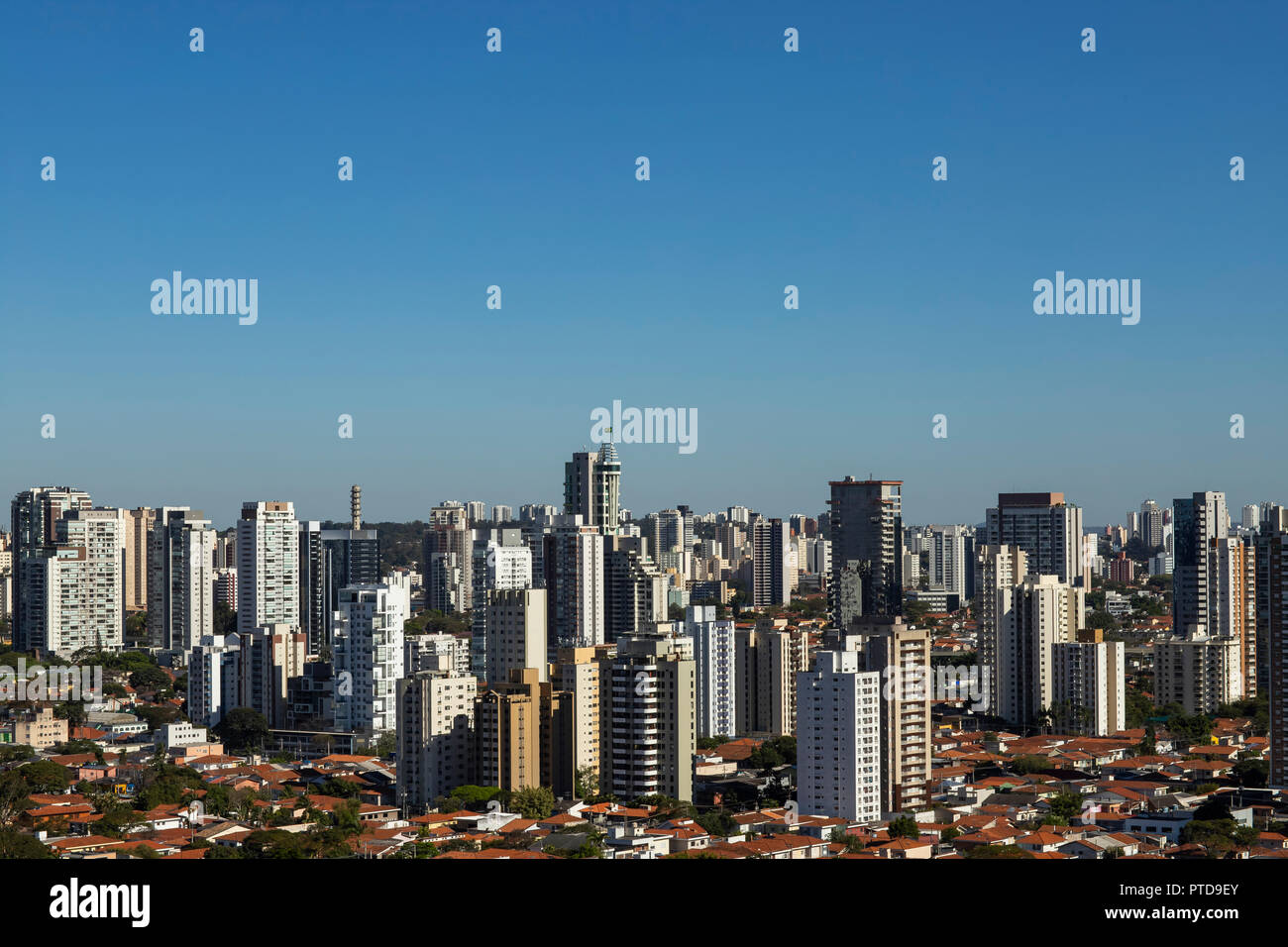
| Iconic Landmark | Christ the Redeemer | Avenida Paulista |
| Population (City Proper) | ~6.7 Million | ~12.3 Million |
| Climate | Tropical (Hot/Humid) | Subtropical (Milder/Rainy) |
| Vibe | Relaxed, Outdoor-oriented | Fast-paced, Cosmopolitan |
Infrastructure and Connectivity
As of 2026, Rio de Janeiro’s infrastructure reflects a city that has hosted the world’s largest sporting events but continues to struggle with urban mobility. The city’s transport network is a multimodal system consisting of:
- MetroRio: A clean and efficient underground system that connects the North Zone and Centro to the South Zone and Barra da Tijuca.
- BRT (Bus Rapid Transit): High-capacity bus lanes that traverse the West and North zones, connecting the international airport to the subway lines.
- SuperVia: A suburban rail network that links the outlying municipalities of the metropolitan area to the city center.
- VLT (Light Rail): A modern tram system serving the downtown area and the domestic airport, Santos Dumont.
The city is served by two major airports. Santos Dumont (SDU) is situated in the heart of downtown, offering one of the most scenic approaches in the world for domestic flights. Galeão International Airport (GIG) handles the bulk of international traffic and serves as a major cargo hub for the oil and gas industry.
Culture, Heritage, and UNESCO Recognition
Rio de Janeiro is the first city in the world to receive the title of World Capital of Architecture by UNESCO. Its landscape is officially recognized as a UNESCO World Heritage site, specifically for the way the urban environment integrates with the dramatic natural setting.
The city’s cultural calendar is dominated by Carnival, an event that generates billions of Reais in revenue and attracts millions of domestic and international visitors. However, the city’s cultural depth extends beyond February. The Municipal Theater, the National Library (the largest in Latin America), and the Museum of Modern Art (MAM) provide year-round engagement for residents and tourists alike.
Socioeconomic Challenges in 2026
Despite its beauty and economic power, Rio de Janeiro faces significant systemic challenges. The disparity between the luxury apartments of the South Zone and the informal settlements known as favelas remains a defining characteristic of the city.
Social inequality contributes to security concerns, which vary significantly by neighborhood. While tourist areas are generally well-patrolled, public safety remains a top priority for the local government. Efforts in 2026 continue to focus on "Social Integration," trying to provide better healthcare, education, and sanitation to the roughly 20% of the population living in informal communities. Environmental conservation is another pressing issue, as the city works to protect the Tijuca Forest—the world’s largest urban forest—from illegal expansion and pollution.
Frequently Asked Questions
Is Rio de Janeiro the second largest city by land area or population?
Rio de Janeiro is the second largest primarily by population and economic output. In terms of land area, several other Brazilian municipalities in the Amazon region are technically larger, but Rio is the second most significant urban center in the country after São Paulo.
Why is Rio de Janeiro no longer the capital of Brazil?
Rio was the capital until 1960. The government moved the capital to Brasília to encourage the development of Brazil’s interior and to move the seat of power away from the coast, which was considered more vulnerable to naval attack and more susceptible to political protests.
What is the best time of year to visit Rio de Janeiro?
The most popular time is during the Southern Hemisphere summer (December to March), which coincides with Carnival and New Year's Eve (Reveillon). However, for those seeking milder weather and lower prices, the shoulder seasons of April to June or September to November offer pleasant temperatures and less rainfall.
How does Rio's cost of living compare to other Brazilian cities?
Rio is consistently ranked as one of the most expensive cities in Brazil, particularly regarding real estate and services in the South Zone. While it is generally slightly more affordable than São Paulo for dining and entertainment, housing costs in neighborhoods like Leblon are among the highest in Latin America.
Is it safe for international travelers to visit Rio in 2026?
Yes, millions of tourists visit Rio every year without incident. Like any major global metropolis, it requires "urban common sense." Visitors are advised to stay in well-lit, populated areas, avoid displaying high-value items like expensive jewelry or cameras in public, and use registered ride-sharing apps for transportation at night.
Recommendation for Travelers and Investors
If you are planning to visit or invest in the second largest city in Brazil, prioritize the South Zone for residence and the Centro for business. For investors, the revitalized port area and the energy sector in Barra da Tijuca offer the most significant growth potential in 2026. For tourists, a visit is incomplete without taking the cable car to Sugarloaf Mountain or the train to Christ the Redeemer, but the true essence of Rio is found in its "Botecos"—small, local bars where the city's social life thrives over cold beer and traditional snacks.
Image Gallery